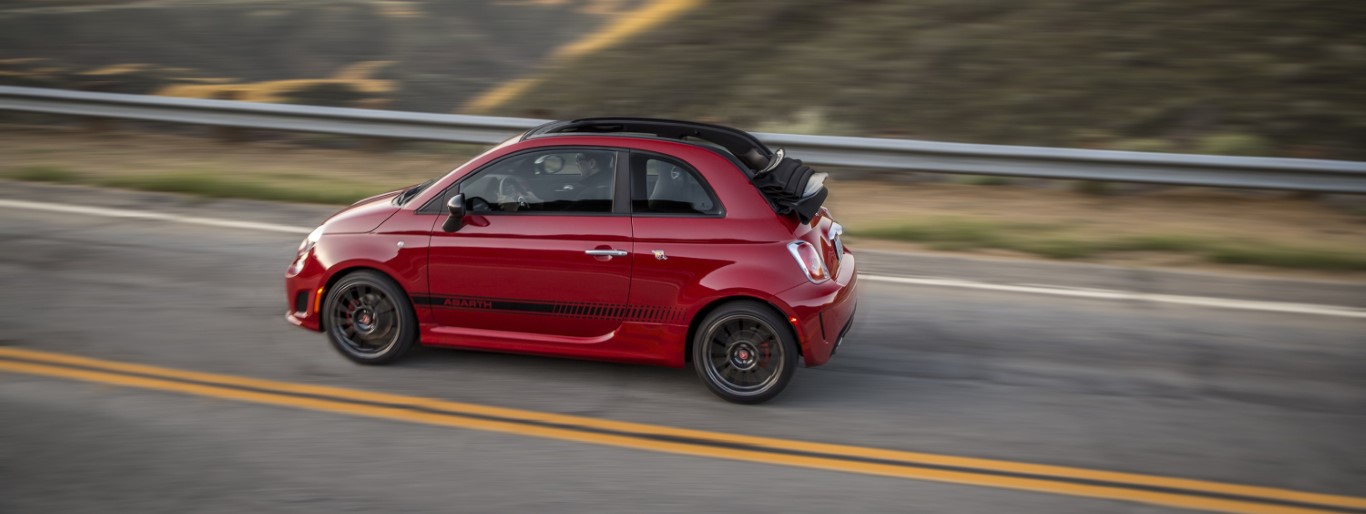
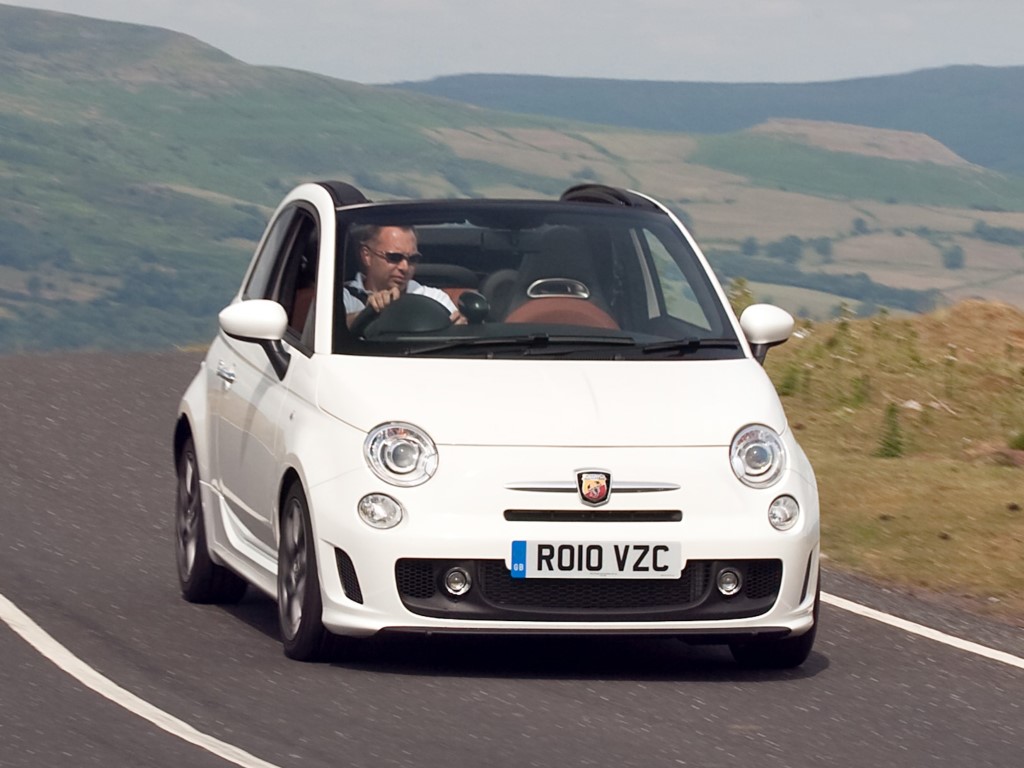
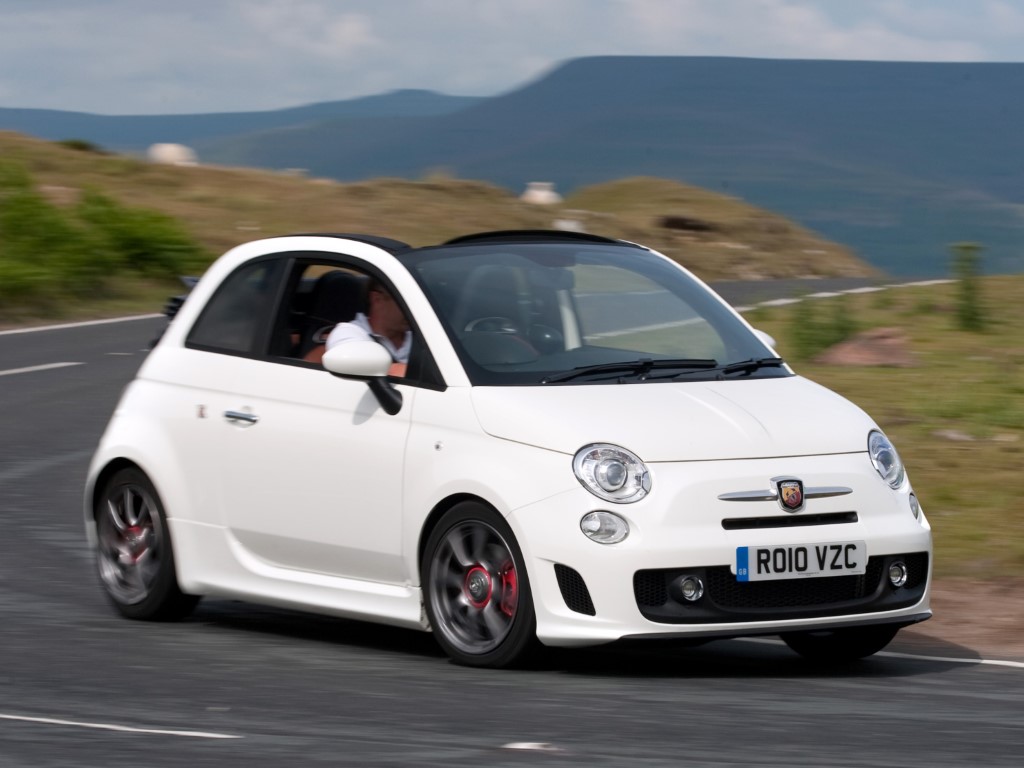
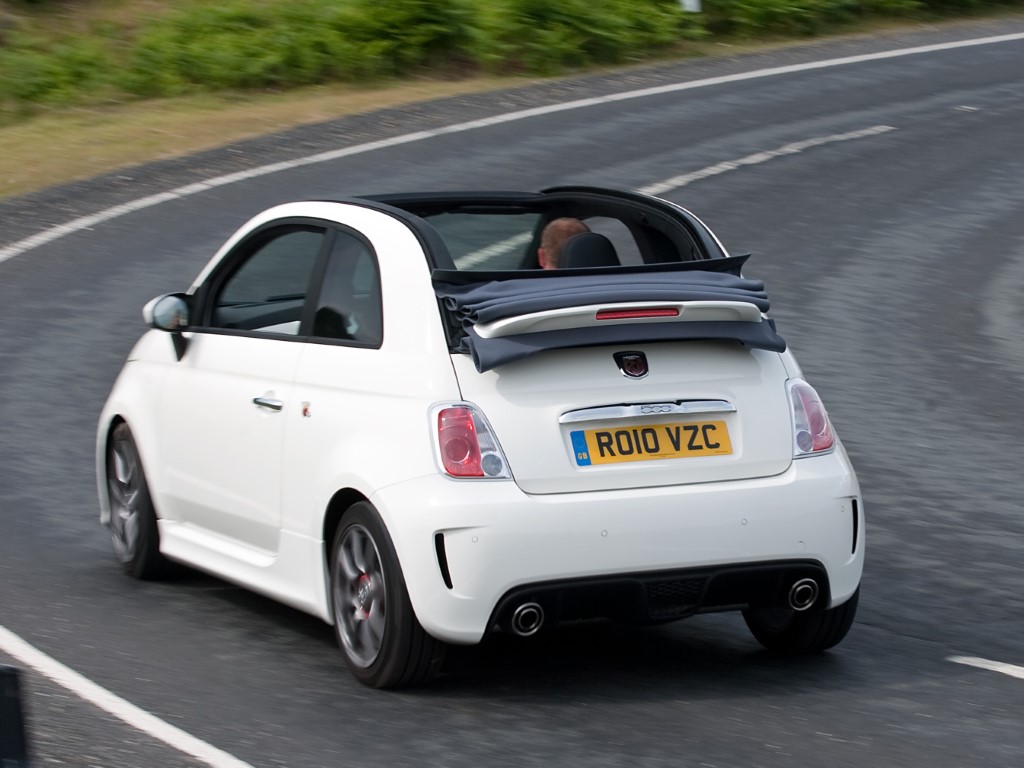
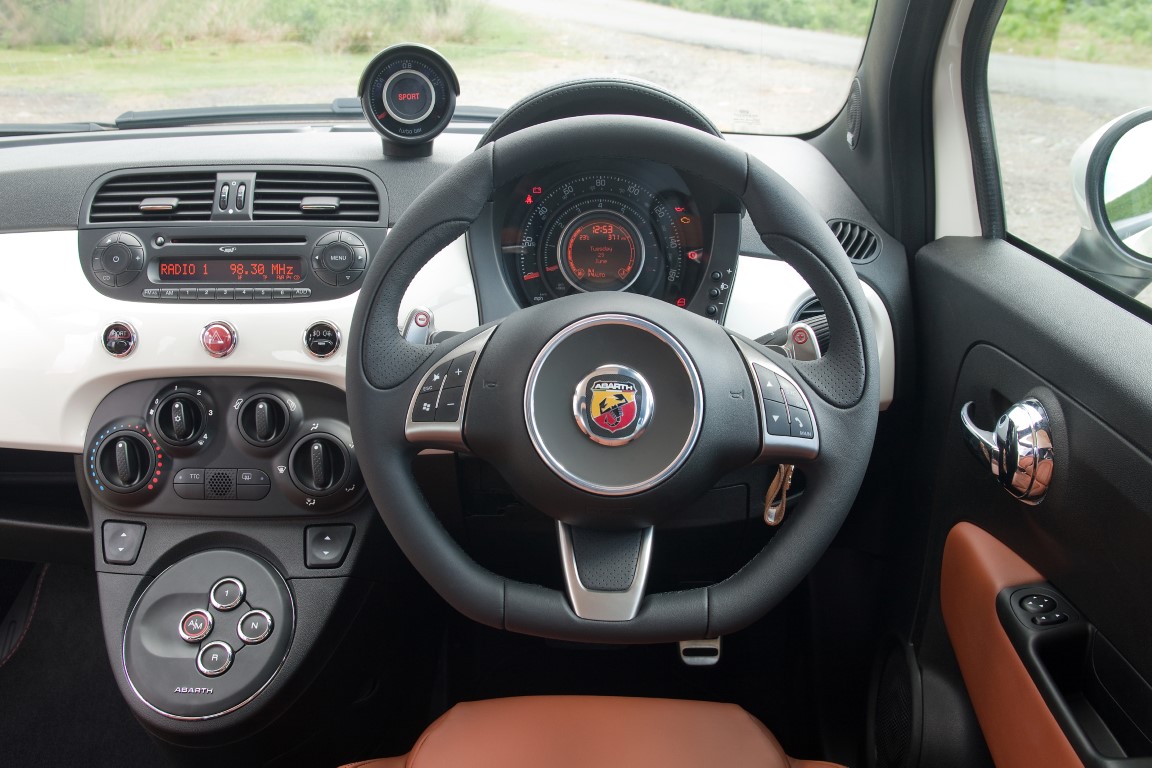
The history of the Abarth 500 in the 21st century is not just the narrative
of a successful compact car, but rather the resurgence of an engineering philosophy that
prioritizes agility, performance, and emotion over pure functionality. Founded in 1949 by Carlo
Abarth, the scorpion brand built its reputation by transforming passenger vehicles into racing
machines. In the case of the Fiat 500, this relationship began in 1963, when the original model
was modified to create the first Abarth 595, laying the foundation for what would become the
modern "pocket rocket" launched in 2008. This report details the technical and commercial
trajectory of the Hatch and Cabrio variants, exploring their generations, engines, and the
subtleties of each update.
The connection between Abarth and the small 500 dates back half a century
before the launch of the contemporary version. In 1963, Carlo Abarth used the Fiat 500 D as a
base, increasing the displacement to 593 cc to produce the original 595, which delivered 27
horsepower. This 30% increase in power over the factory model, accompanied by a prominent
aluminum oil pan and the Record Monza exhaust, defined the brand's visual and sonic identity.
Carlo's philosophy was clear: extract performance from small cars to win competitions and offer
fun on the streets.
In 2007, Fiat decided to revitalize the Abarth brand as an independent
entity, taking advantage of the launch of the new generation of the Fiat 500 (Type 312). The
modern Abarth 500 was presented at the 2008 Geneva Motor Show, marking a triumphant return that
united the retro design of Roberto Giolito and Frank Stephenson with the high-performance
engineering of the racing division.