
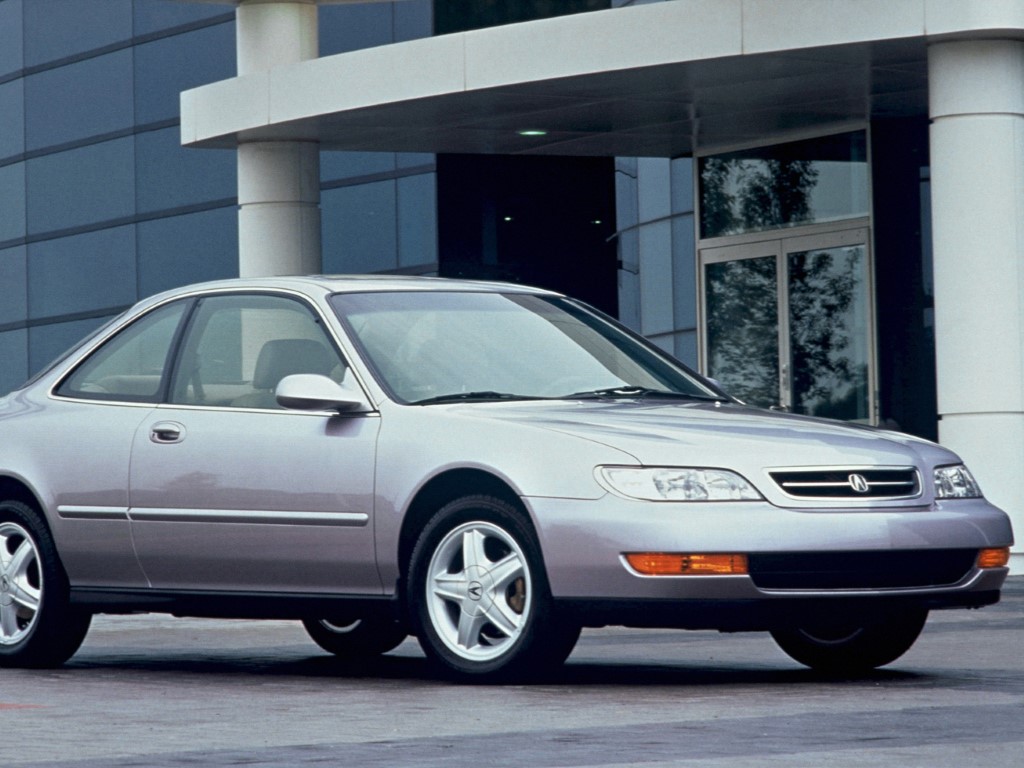
1st Generation
(1997-)
3.0 L
203 cv
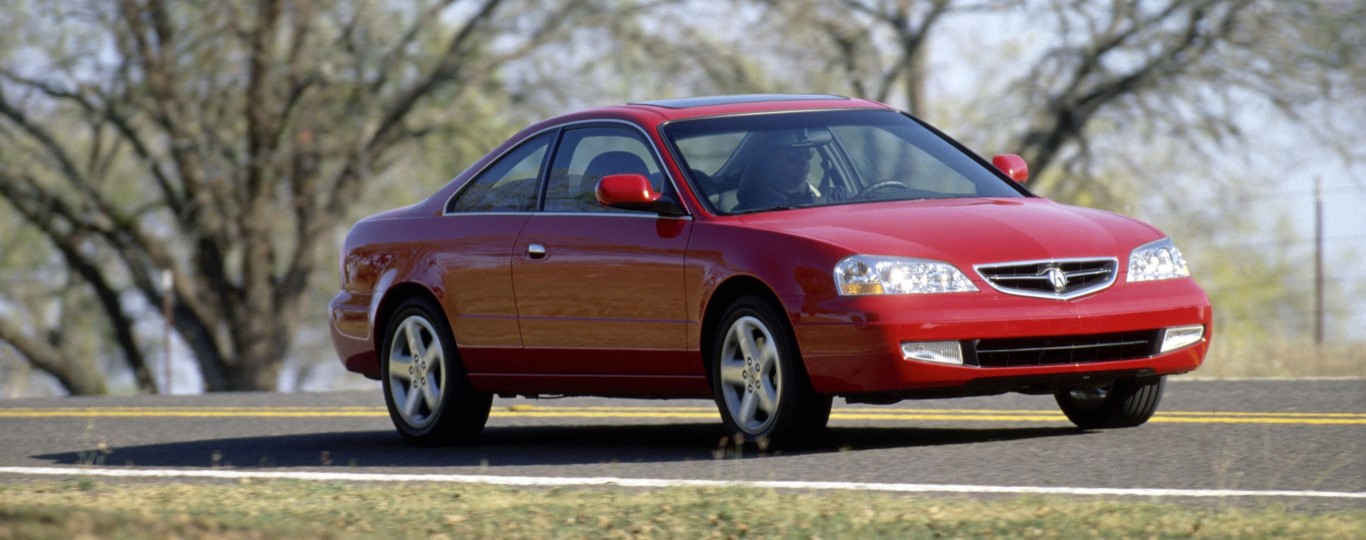
Technical specifications, versions, and history for the Acura CL.
Select a generation to see available versions
(1997-)
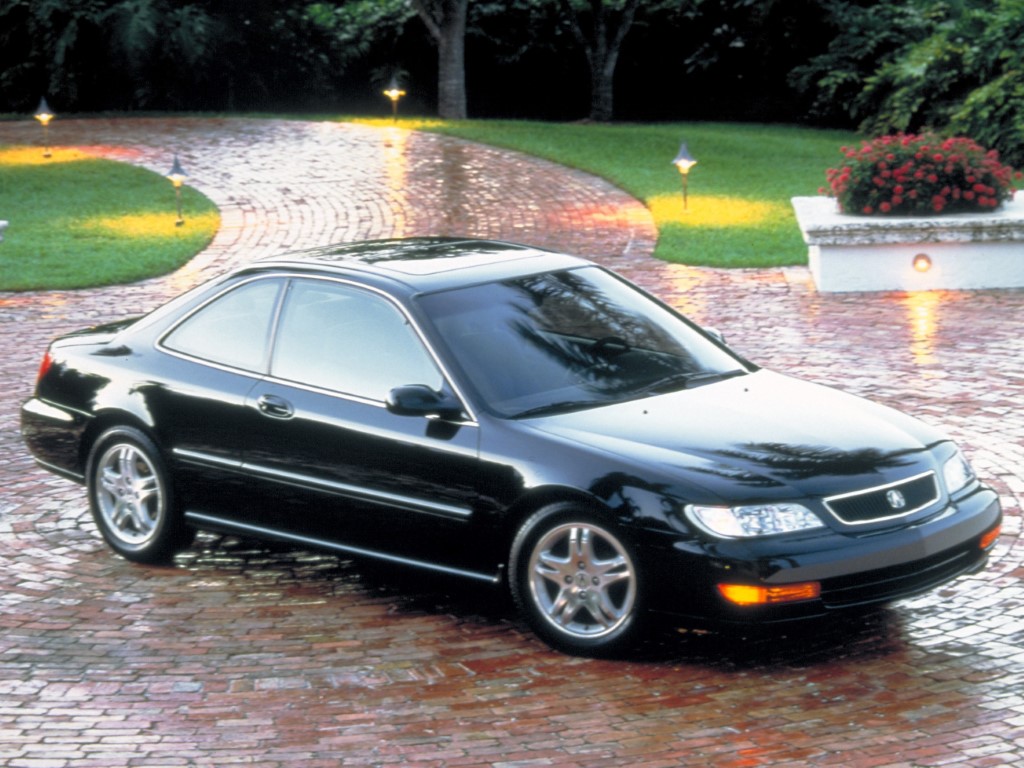
(1998 - 1999)
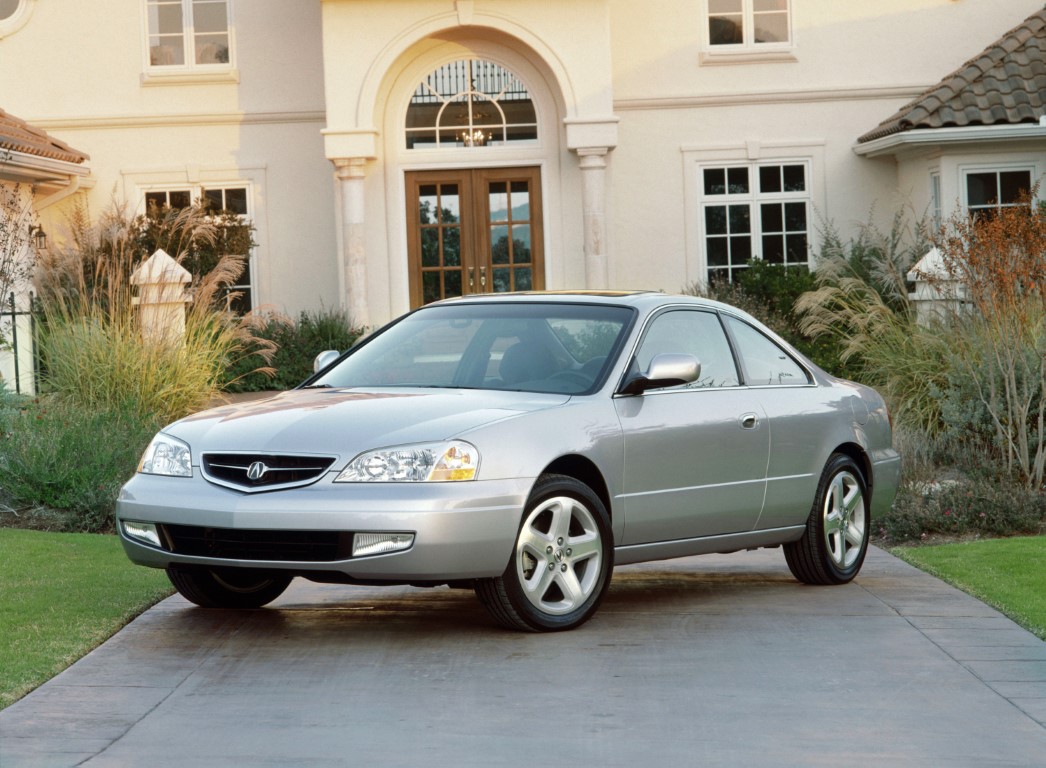
(2001 - 2002)
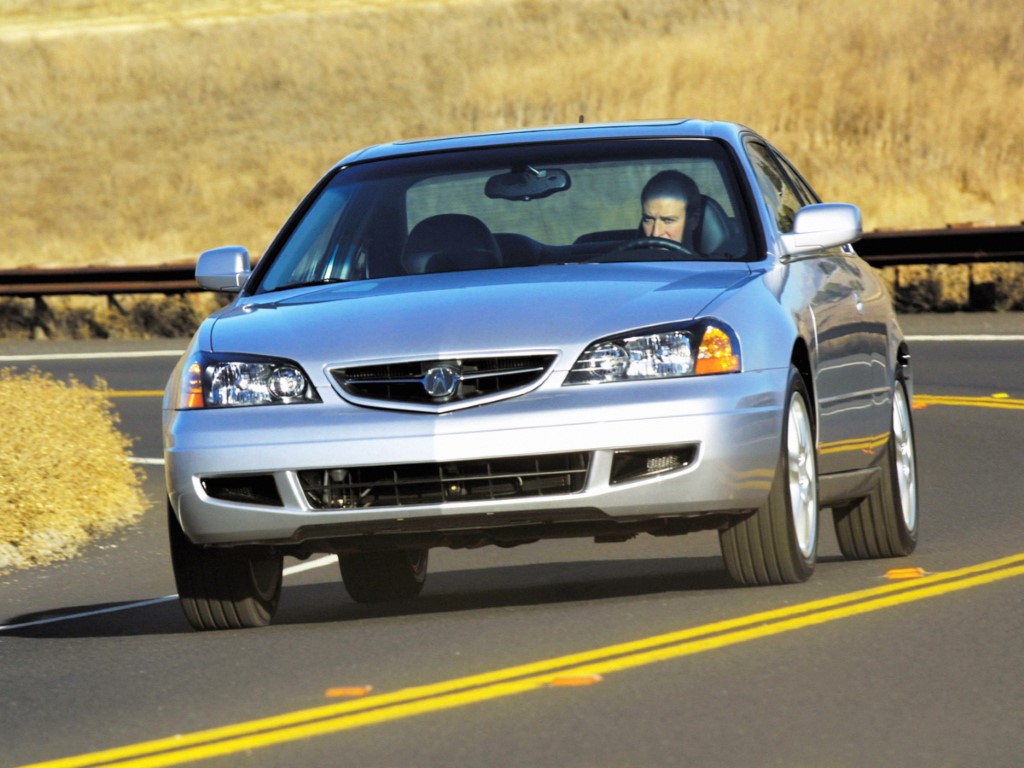
(2003-)
The history of the Acura CL represents one of the most significant milestones in Honda's trajectory in the North American market, symbolizing the moment when the Japanese brand's luxury division decided to plant deep roots on United States soil. Launched in the mid-1990s, the CL was not just another model in the Acura lineup; it was the pioneer of a new era, being the brand's first vehicle to be designed, engineered, and manufactured entirely in the US, more specifically in Ohio. This strategic move aimed not only to reduce import costs or escape currency fluctuations but to create a product that resonated perfectly with the tastes and needs of the American luxury consumer, who sought a mid-size personal coupe combining Japanese reliability with the comfort and style demanded in the New World.
The journey of the Acura CL is divided into two distinct generations, each reflecting shifts in automotive industry priorities and Honda's technological evolutions. From its initial presentation as a bold concept in Detroit to its consecration as one of the most powerful front-wheel-drive coupes of its time, the CL forged a path of mechanical innovation and aesthetic refinement. Throughout its existence, the model underwent crucial facelifts, engine updates that notably elevated its performance, and faced engineering challenges that shaped the brand's reputation in the years to come.
The foundation of what would become the Acura CL was laid at the 1995 North American International Auto Show in Detroit. On that occasion, Acura presented the CL-X, a concept vehicle that served as a design laboratory and a statement of intent for the brand's future. Designed at the Honda North America Research and Development studio in Los Angeles, the CL-X broke with the conservative, rectilinear lines that dominated the brand's sedans in the previous decade. The adopted design became known as "bio-design," a trend of the era that favored organic shapes, flowing curves, and surfaces that looked sculpted by the wind.
The CL-X concept was not merely an aesthetic exercise; it carried technical specifications indicating Honda's seriousness regarding performance. With a wheelbase of approximately 106.9 inches (271.5 cm) and a generous track width, the prototype promised stability that would put it on equal footing with European rivals. More than that, the CL-X was the prelude to a radical shift in Acura's identity. Until then, the brand's models boasted evocative names like Legend and Vigor. The launch of the CL marked the transition to alphanumeric names, an attempt to align Acura with the global standard of luxury brands, ensuring consumer focus remained on the "Acura" brand rather than just an individual model.
Production of the Acura CL officially began in February 1996, with the model arriving at dealerships as a 1997 model year. This launch was a historic event, as the CL rolled off the assembly line in East Liberty, Ohio, sharing space with the Honda Civic, which demonstrated the flexibility and technical capability of Honda's US facilities. Based on a platform derived from the Honda Accord, the CL was positioned as a spiritual successor to the Acura Legend Coupe, albeit with a more accessible value proposition and a broader market footprint.
The first generation, identified by the chassis code YA1, featured a two-door coupe body with seating for four passengers. The exterior design was characterized by a long, sculpted hood and a short rear deck, with a distinctive beltline that swept up towards the C-pillar before sloping gently down to the triangular taillights. An important technical detail was the use of galvanized body panels, an essential preventive measure to ensure durability and prevent corrosion in harsh climate regions.
Internally, the CL offered an environment that prioritized personal comfort. The instrument panel was driver-oriented, featuring high-quality materials and assembly that followed Honda's strict precision standards. Despite being a coupe, Acura engineering managed to extract surprising interior space, allowing two adults to travel with relative comfort in the rear seats, something not always common among its direct competitors.
In its debut year, the Acura CL was offered with two engine options catering to different consumer profiles. The entry-level model, the 2.2CL, utilized the 2.2-liter four-cylinder F22B1 engine, while the top-of-the-line 3.0CL featured the debuting J-series V6 engine.
| Engine Specifications (1997) | 2.2CL (I4) | 3.0CL (V6) |
|---|---|---|
| Engine Type | 2.2L SOHC 16V VTEC | 3.0L SOHC 24V VTEC |
| Engine Code | F22B1 | J30A1 |
| Maximum Power | 145 hp @ 5,500 rpm | 200 hp @ 5,500 rpm |
| Maximum Torque | 147 lb-ft @ 4,500 rpm | 195 lb-ft @ 4,700 rpm |
| Compression Ratio | 8.8:1 | 9.4:1 |
| Bore x Stroke | 85.0 mm x 95.0 mm | 86.0 mm x 86.0 mm |
| Fuel System | PGM-FI | PGM-FI |
The 3.0CL's J30A1 engine was one of the great technological stars of the era. Featuring a 60-degree V6 configuration, it was notably compact and lightweight due to its all-aluminum construction. This engine utilized Honda's famous VTEC (Variable Valve Timing and Lift Electronic Control) technology, allowing the vehicle to have docile and efficient behavior at low RPMs while delivering vigorous performance and a distinctive engine note when the driver demanded more power.
Regarding transmissions, the 2.2CL could be equipped with a 5-speed manual gearbox or an electronically controlled 4-speed automatic. The 3.0CL, on the other hand, was offered exclusively with the 4-speed automatic transmission, which included the Grade Logic Control system to prevent "gear hunting" on steep inclines or declines, improving comfort and powertrain durability.
In 1998, Acura performed the first major update to the model to maintain its competitiveness. The most significant change occurred in the four-cylinder model: the 2.2-liter engine was replaced by a 2.3-liter unit (F23A1), resulting in the name change to 2.3CL. This new engine increased power to 150 hp and torque to 152 lb-ft, providing more agile acceleration and better passing response.
Visually, the 1998 facelift brought subtle but effective changes. The front grille was redesigned, gaining a more modern look. In addition, items that were previously optional became more harmoniously integrated, such as the side skirts and bumpers, which were now entirely body-colored, eliminating the black plastic parts that gave the early models a less refined appearance. Inside, the CL received steering-wheel-mounted audio controls and a center console with simulated wood trim, elevating the perception of luxury. The Homelink system, which allowed programming garage door controls directly into the car, became standard on the 3.0CL and optional on the 2.3CL.
In the final year of the first generation, Acura focused on simplifying the lineup and offering maximum value to customers. The "Premium" trim level, which was previously an optional package, was discontinued, and its key features became standard across all CL models. This meant that every 1999 Acura CL rolled out of the factory with leather upholstery and a complete list of conveniences. The 1999 3.0CL also received a new multi-spoke alloy wheel design with a machined finish, differentiating it visually from previous years, which used five and seven-spoke designs in 1997 and 1998, respectively.
A curious fact in the CL's history is that there was no official model for the year 2000. While its platform sibling, the Acura TL, was completely redesigned for 1999, the original CL continued in production until the end of that year. Acura decided to pause production of the coupe during the year 2000 to finalize the development of a new generation that would be much more powerful and technologically advanced, aiming to elevate the model's status in the luxury market. This strategic pause allowed the brand to focus its marketing efforts on the launch of the new TL and prepare the ground for the triumphant return of the CL in March 2000, as a 2001 model year.
The second generation of the Acura CL arrived with a clear proposition: to be a luxury performance coupe capable of taking on the European brands at their own game. Now manufactured at the Marysville, Ohio plant alongside the TL and Honda Accord, the new CL featured larger dimensions, a much more rigid chassis, and crucially abandoned the four-cylinder engines in favor of high-performance V6 units.
The new design, under the YA4 code, was more aggressive and aerodynamic. The headlights were larger and more integrated into the front line, the bumpers were deeper, and the car's silhouette featured frameless side windows, reinforcing the luxury sports coupe look. The vehicle's structure was reinforced at critical points to improve handling precision and reduce the intrusion of noise and vibration into the cabin, creating a much more refined driving environment than the previous generation.
The suspension continued to be a double-wishbone setup on all wheels, a hallmark of Honda engineering at the time, providing an exceptional balance between ride comfort and dynamic control. However, for the second generation, the spring rates and damping were revised to offer a sportier experience.
The powertrain was where Acura invested the most. All models were now equipped with the 3.2-liter SOHC VTEC V6 engine. The standard model, the 3.2CL, delivered 225 hp and 216 lb-ft of torque, which was already a considerable leap compared to the 200 hp of the previous generation. But the real highlight was the introduction of the Acura CL Type-S, the sports edition that denoted the brand's commitment to pure performance.
| Technical Attributes | 3.2CL (Standard) | 3.2CL Type-S |
|---|---|---|
| Maximum Power | 225 hp @ 5,600 rpm | 260 hp @ 6,100 rpm |
| Maximum Torque | 216 lb-ft @ 4,700 rpm | 232 lb-ft @ 3,500-5,500 rpm |
| Redline | 6,300 rpm | 6,900 rpm |
| Compression Ratio | 9.8:1 | 10.5:1 |
| Air Induction | Single Stage | Dual-Stage High-Flow |
| Transmission (2001-2002) | 5-speed Automatic | 5-speed Automatic |
The Type-S featured a series of internal mechanical upgrades, including a two-stage induction system and a high-flow exhaust that allowed the engine to "breathe" better at high RPMs. At the time of its launch, with 260 hp, the CL Type-S held the title of the most powerful front-wheel-drive vehicle ever manufactured by Honda, surpassing even performance variants from other markets. To handle this extra power, the Type-S came with 17-inch wheels, lower-profile tires, specific suspension tuning, and larger disc brakes on all four wheels.
The cabin of the second generation was a technological showcase. In addition to standard leather upholstery, the car offered an optional DVD-based navigation system, which at the time was cutting-edge technology, capable of storing maps of the entire continental United States on a single disc. Comfort was ensured by automatic climate control and multi-adjustable power front seats with driver's memory.
Safety was also elevated with the inclusion of standard side airbags that utilized occupant position sensors to prevent deployment if someone was leaning against the door. The VSA (Vehicle Stability Assist) system was introduced as standard on the Type-S, integrating traction control and stability control to help the driver maintain trajectory in low-grip conditions.
The year 2003 marked the technical and aesthetic peak of the Acura CL, bringing changes that corrected the few criticisms of the 2001 and 2002 models and added the option most desired by purists.
Acura listened to its customers and applied a series of visual and functional improvements. The facelift included a body-colored front grille surround, replacing the chrome that some considered excessive. The headlights received a blacked-out internal finish, giving the car a more aggressive and focused look. At the rear, the taillight lenses were revised to include a clear upper portion for turn signals and reverse lights, and the exhaust tips became larger and more prominent.
The door handles were also painted to match the vehicle's body color, and the exterior side mirrors were redesigned into a more squared, aerodynamic shape. This mirror change was not just aesthetic; the new shape helped reduce the wind noise that some owners had reported on earlier models. Inside, models with a black interior received titanium-tone trim on the console and doors, replacing the simulated wood with a more technical and modern look.
The biggest news for 2003 was undoubtedly the introduction of a close-ratio 6-speed manual transmission for the CL Type-S. Responding to the pleas of enthusiasts who missed a more direct connection with the powerful 260 hp engine, Acura developed a compact and lightweight manual gearbox that transformed the car's character.
This manual model wasn't just a transmission swap; it came with a helical limited-slip differential (LSD), which was crucial for managing power to the front wheels and minimizing torque steer during hard acceleration. Due to the purist, mechanical nature of this version, the VSA and TCS electronic systems were not present on manual models, and the ABS braking system used a 3-channel setup instead of 4. The car was also about 60 lbs (27 kg) lighter than the automatic version, which, combined with the manual transmission, made it nearly half a second faster in the 0 to 60 mph sprint.
| Manual Transmission Data (2003) | Units Produced (US) |
|---|---|
| Type-S Manual Without Navigation | 2,690 |
| Type-S Manual With Navigation | 824 |
| Total Manuals Produced | 3,514 |
In addition to the units sold in the United States, another 331 units were manufactured for the Canadian market, bringing the global total of this extremely rare configuration to just under 4,000 examples. Critics of the time went so far as to call the manual CL Type-S "the high-water mark of Acura performance outside of the NSX and Integra Type-R," highlighting the precision of the short throws and the immediate response of the VTEC engine.
The commercial history of the Acura CL is a reflection of the fluctuations of the luxury market and the shift in North American consumer preferences in the early 21st century. Although it had years of solid sales, the model eventually suffered from competition with increasingly sporty sedans and the meteoric rise of luxury SUVs.
Below are the annual sales numbers for the Acura CL in the American market, which show its initial impact and gradual decline until its discontinuation.
| Calendar Year | Units Sold |
|---|---|
| 1996 | 16,740 |
| 1997 | 28,939 |
| 1998 | 26,644 |
| 1999 | 20,968 |
| 2000 | 24,677 |
| 2001 | 18,993 |
| 2002 | 12,072 |
| 2003 | 6,593 |
| 2004 | 283 (Remaining stock) |
Total second-generation sales between 2000 and 2003 were approximately 31,000 units, a modest figure compared to the resounding success of the Acura TL, which at the same time became the best-selling luxury sedan in its class. This internal cannibalization was one of the main reasons Acura decided not to renew the coupe after 2003. The average luxury consumer was migrating toward four-door vehicles that offered the same performance but with far more practicality.
Despite being a vehicle praised for its performance and luxury, the second generation of the Acura CL faced significant engineering problems that affected its long-term reputation and generated considerable costs for Honda.
The most notorious challenge was the durability of the 5-speed automatic transmission installed in the 2001, 2002, and some 2003 models. Many owners reported premature failures, where the transmission exhibited violent gear shifts, slipping, or the illumination of the "Check Engine" light and a flashing "D4" on the dash.
The technical root cause was identified as excessive wear on the third-gear clutch pack. As these clutch packs wore down, they generated metal particles that clogged the fluid passages and internal transmission filters, leading to a loss of hydraulic pressure and overheating of the assembly. In some severe scenarios, the overheating could cause gears to lock up, bringing the vehicle to a sudden and dangerous stop.
In response, Honda/Acura issued recalls and extended the warranty on the transmissions to 93 months or 109,000 miles. Repairs frequently involved the installation of an external oil cooler kit to cool the second gear or the complete replacement of the transmission unit with a revised version that theoretically corrected the oil flow flaws.
Years after the end of its production, the Acura CL was back in the news due to the massive global recall of airbag inflators manufactured by the Takata Corporation. The inflators on the 2001–2003 units were identified as having a manufacturing defect where prolonged exposure to humidity and heat could degrade the internal propellant. In the event of a collision and airbag deployment, the inflator could rupture with excessive force, shooting metal shrapnel at the driver and passengers. In 2023, Acura even issued an urgent "Do Not Drive" warning for CL models that had not yet undergone the free replacement of this critical component, underlining the severity of the risk.
Production of the Acura CL ended definitively in 2003. The closure was not a complete surprise to industry analysts, given the backdrop of declining coupe sales in favor of sedans and crossovers. The success of the third-generation Acura TL (launched as a 2004 model), which offered 270 hp and an extremely attractive design, eliminated the need for a separate coupe in the lineup, as the TL managed to satisfy both the luxury buyer and the performance enthusiast.
The Acura CL left a legacy of technological and industrial pioneering. It proved that it was possible to design and build a world-class luxury vehicle outside of Japan, using American talent and infrastructure. For Acura, the CL served as a platform to test new powertrain technologies and driver assistance systems that would later become standard across its lineup.
Today, the Acura CL, especially the 2003 manual Type-S variant, is considered a modern collector's item. It represents the peak of an era when manufacturers were still investing heavily in luxury coupes with naturally aspirated engines and precise manual transmissions. Although Acura never launched a direct mid-size successor to the CL, the spirit of the model lives on in the brand's pursuit of the balance between sophisticated luxury and driver-focused precision engineering, a philosophy that continues to define Acura's identity to this day.