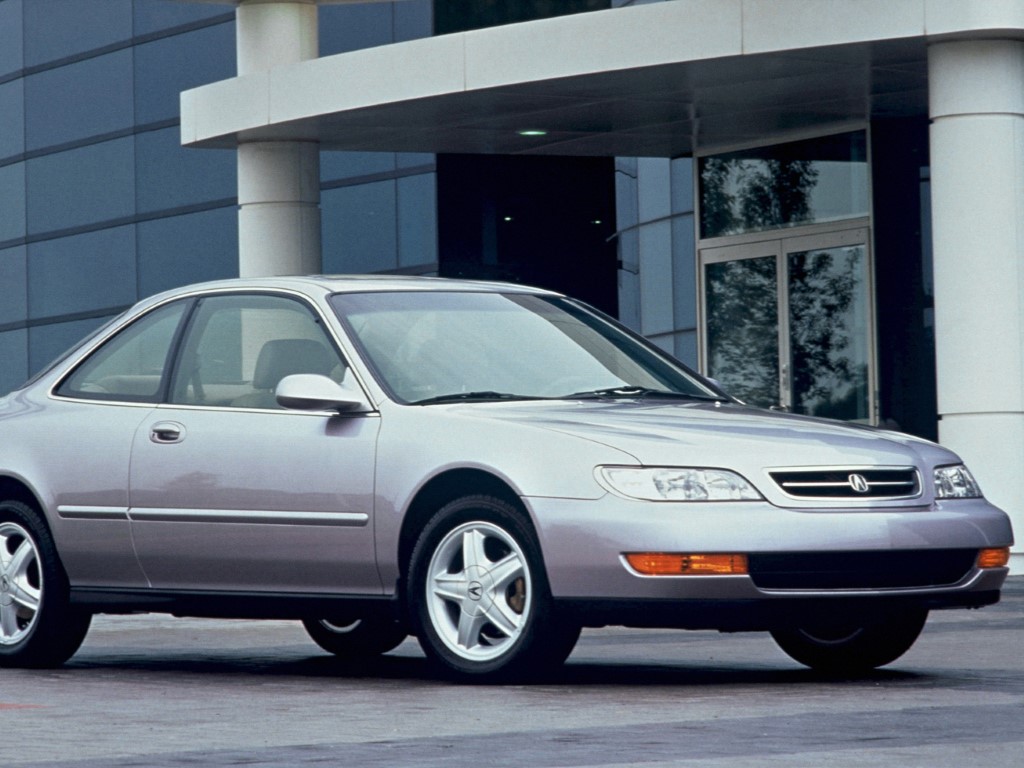
Production of the Acura CL officially began in February 1996, with the model
arriving at dealerships as a 1997 model year. This launch was a historic event, as the CL rolled
off the assembly line in East Liberty, Ohio, sharing space with the Honda Civic, which
demonstrated the flexibility and technical capability of Honda's US facilities. Based on a
platform derived from the Honda Accord, the CL was positioned as a spiritual successor to the
Acura Legend Coupe, albeit with a more accessible value proposition and a broader market
footprint.
Architecture and Design of the YA1 Series
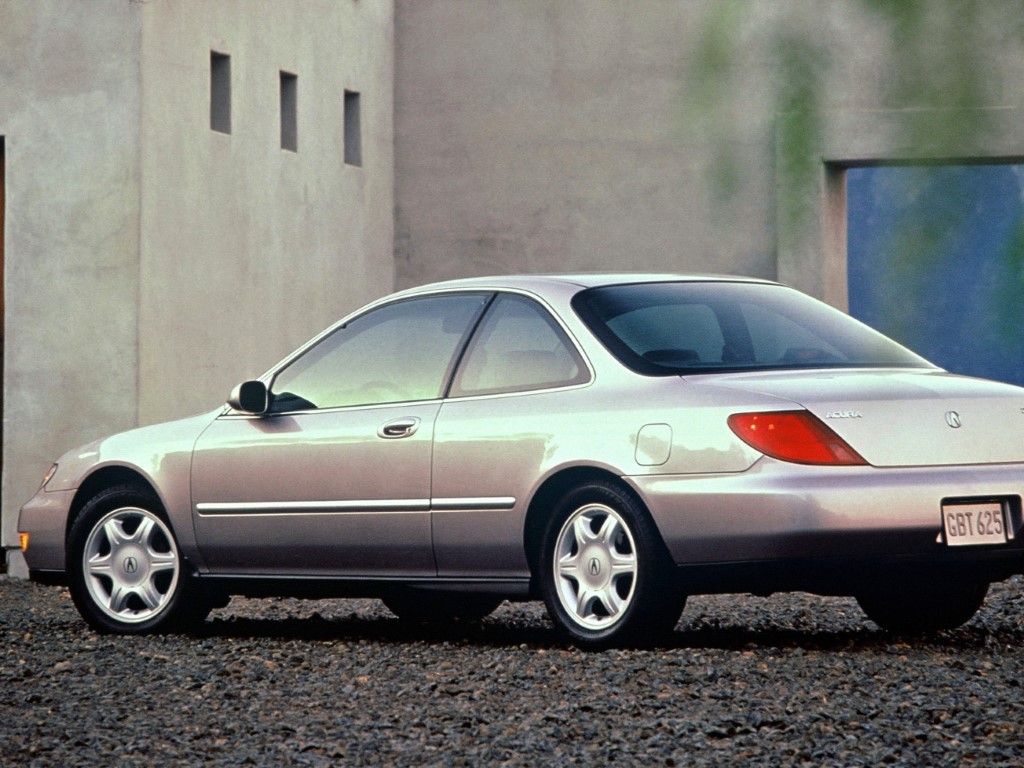
The first generation, identified by the chassis code YA1, featured a two-door
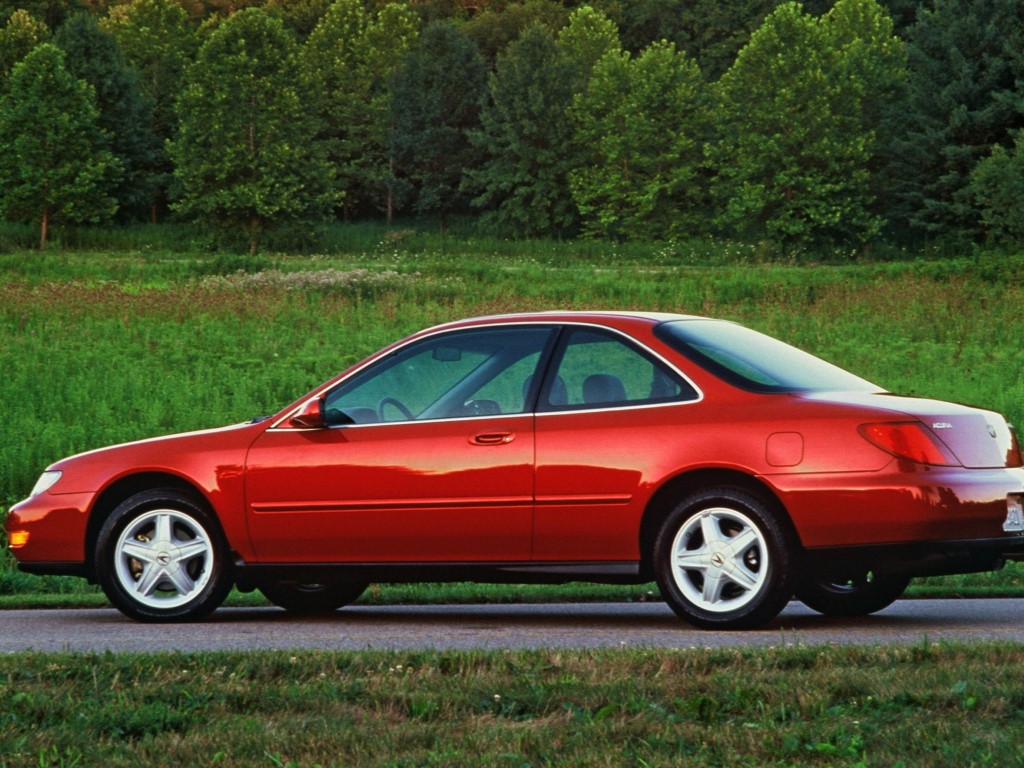
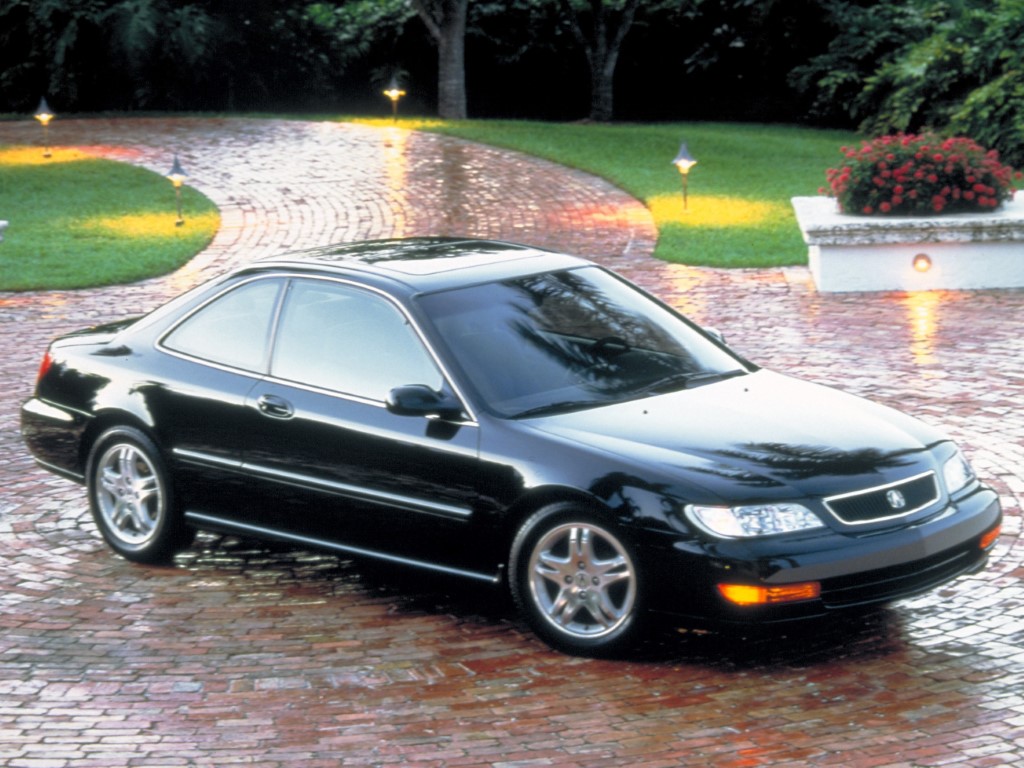
coupe body with seating for four passengers. The exterior design was characterized by a long,
sculpted hood and a short rear deck, with a distinctive beltline that swept up towards the
C-pillar before sloping gently down to the triangular taillights. An important technical detail
was the use of galvanized body panels, an essential preventive measure to ensure durability and
prevent corrosion in harsh climate regions.
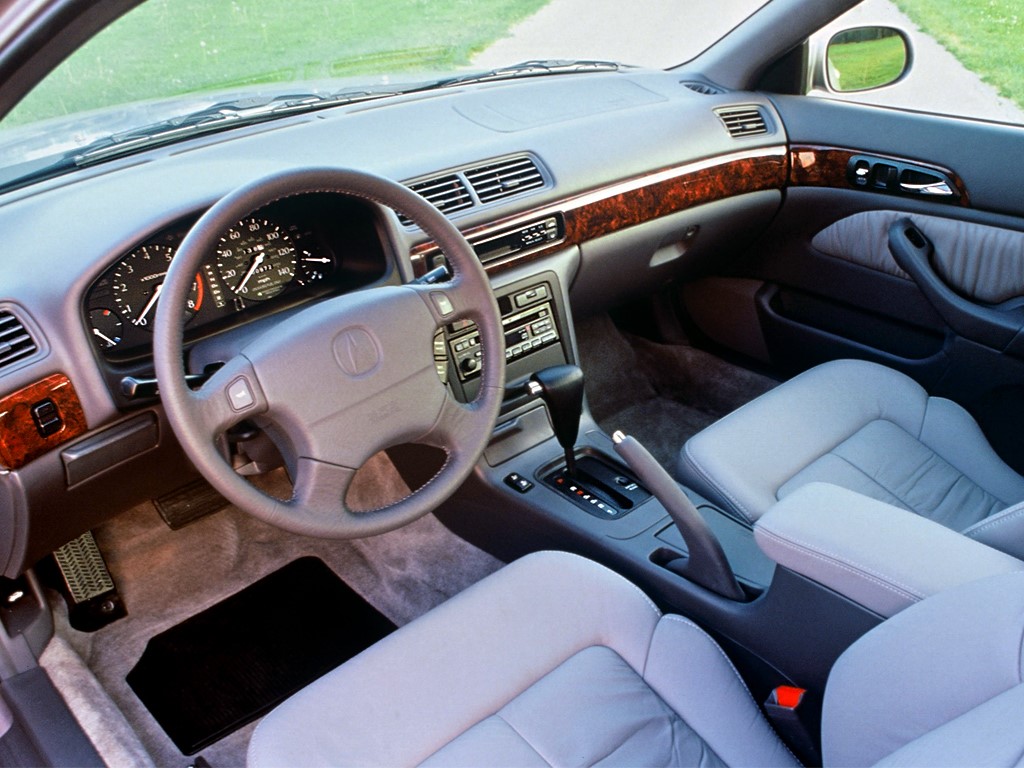
Internally, the CL offered an environment that prioritized personal comfort. The instrument panel
was driver-oriented, featuring high-quality materials and assembly that followed Honda's strict
precision standards. Despite being a coupe, Acura engineering managed to extract surprising
interior space, allowing two adults to travel with relative comfort in the rear seats, something
not always common among its direct competitors.
Powertrains and Initial Performance
In its debut year, the Acura CL was offered with two engine options catering
to different consumer profiles. The entry-level model, the 2.2CL, utilized the 2.2-liter
four-cylinder F22B1 engine, while the top-of-the-line 3.0CL featured the debuting J-series V6
engine.
| Engine Specifications (1997) |
2.2CL (I4) |
3.0CL (V6) |
| Engine Type |
2.2L SOHC 16V VTEC |
3.0L SOHC 24V VTEC |
| Engine Code |
F22B1 |
J30A1 |
| Maximum Power |
145 hp @ 5,500 rpm |
200 hp @ 5,500 rpm |
| Maximum Torque |
147 lb-ft @ 4,500 rpm |
195 lb-ft @ 4,700 rpm |
| Compression Ratio |
8.8:1 |
9.4:1 |
| Bore x Stroke |
85.0 mm x 95.0 mm |
86.0 mm x 86.0 mm |
| Fuel System |
PGM-FI |
PGM-FI |
The 3.0CL's J30A1 engine was one of the great technological stars of the era. Featuring a
60-degree V6 configuration, it was notably compact and lightweight due to its all-aluminum
construction. This engine utilized Honda's famous VTEC (Variable Valve Timing and Lift
Electronic Control) technology, allowing the vehicle to have docile and efficient behavior at
low RPMs while delivering vigorous performance and a distinctive engine note when the driver
demanded more power.
Regarding transmissions, the 2.2CL could be equipped with a 5-speed manual gearbox or an
electronically controlled 4-speed automatic. The 3.0CL, on the other hand, was offered
exclusively with the 4-speed automatic transmission, which included the Grade Logic Control
system to prevent "gear hunting" on steep inclines or declines, improving comfort and powertrain
durability.
Evolutions and the 1998 Facelift
In 1998, Acura performed the first major update to the model to maintain its
competitiveness. The most significant change occurred in the four-cylinder model: the 2.2-liter
engine was replaced by a 2.3-liter unit (F23A1), resulting in the name change to 2.3CL. This new
engine increased power to 150 hp and torque to 152 lb-ft, providing more agile acceleration and
better passing response.
Visually, the 1998 facelift brought subtle but effective changes. The front grille was
redesigned, gaining a more modern look. In addition, items that were previously optional became
more harmoniously integrated, such as the side skirts and bumpers, which were now entirely
body-colored, eliminating the black plastic parts that gave the early models a less refined
appearance. Inside, the CL received steering-wheel-mounted audio controls and a center console
with simulated wood trim, elevating the perception of luxury. The Homelink system, which allowed
programming garage door controls directly into the car, became standard on the 3.0CL and
optional on the 2.3CL.
The Year 1999: The End of the Initial Cycle
In the final year of the first generation, Acura focused on simplifying the
lineup and offering maximum value to customers. The "Premium" trim level, which was previously
an optional package, was discontinued, and its key features became standard across all CL
models. This meant that every 1999 Acura CL rolled out of the factory with leather upholstery
and a complete list of conveniences. The 1999 3.0CL also received a new multi-spoke alloy wheel
design with a machined finish, differentiating it visually from previous years, which used five
and seven-spoke designs in 1997 and 1998, respectively.
The 2000 Hiatus and Preparation for the New Millennium
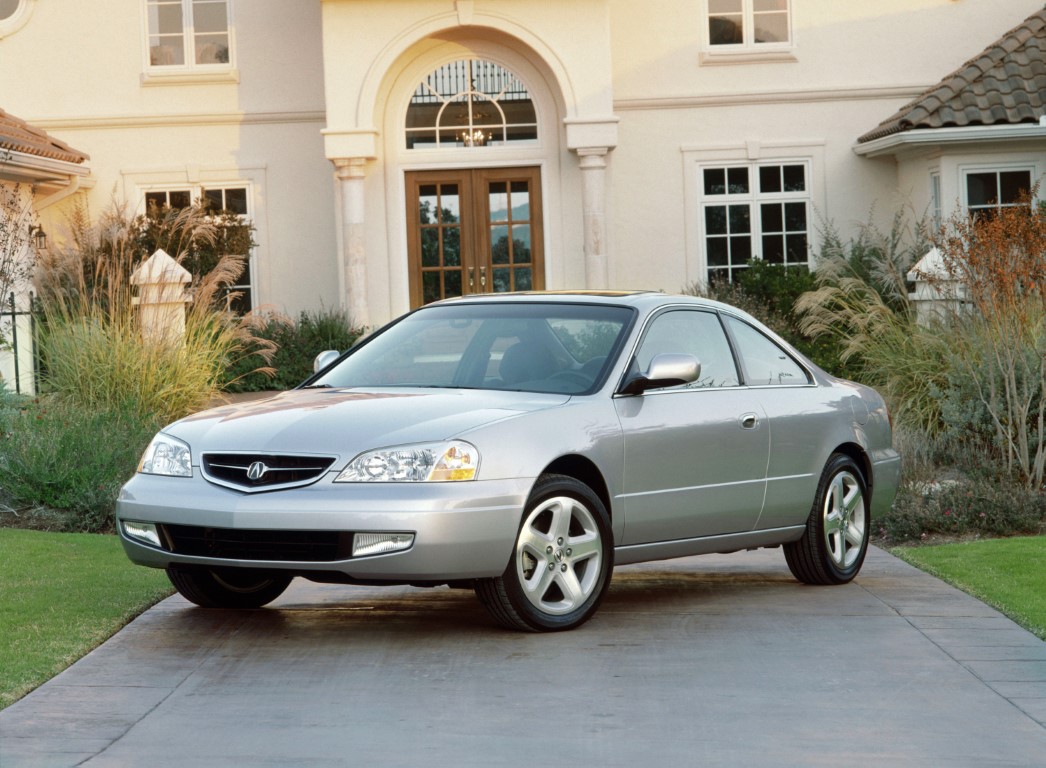
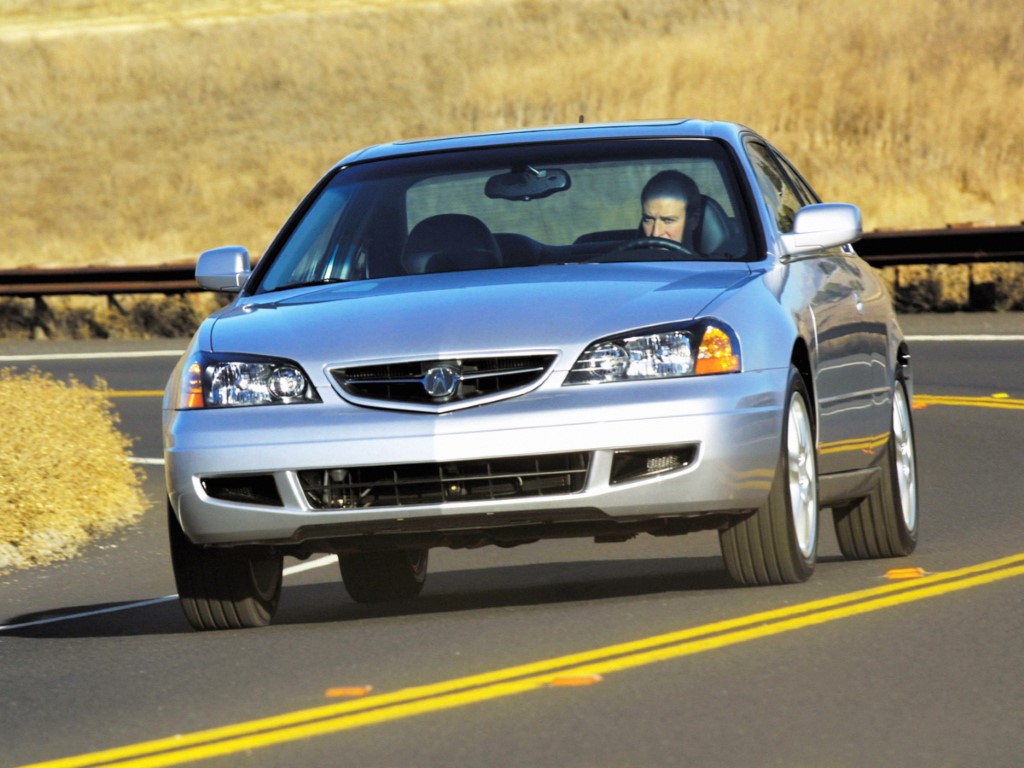
A curious fact in the CL's history is that there was no official model for
the year 2000. While its platform sibling, the Acura TL, was completely redesigned for 1999, the
original CL continued in production until the end of that year. Acura decided to pause
production of the coupe during the year 2000 to finalize the development of a new generation
that would be much more powerful and technologically advanced, aiming to elevate the model's
status in the luxury market. This strategic pause allowed the brand to focus its marketing
efforts on the launch of the new TL and prepare the ground for the triumphant return of the CL
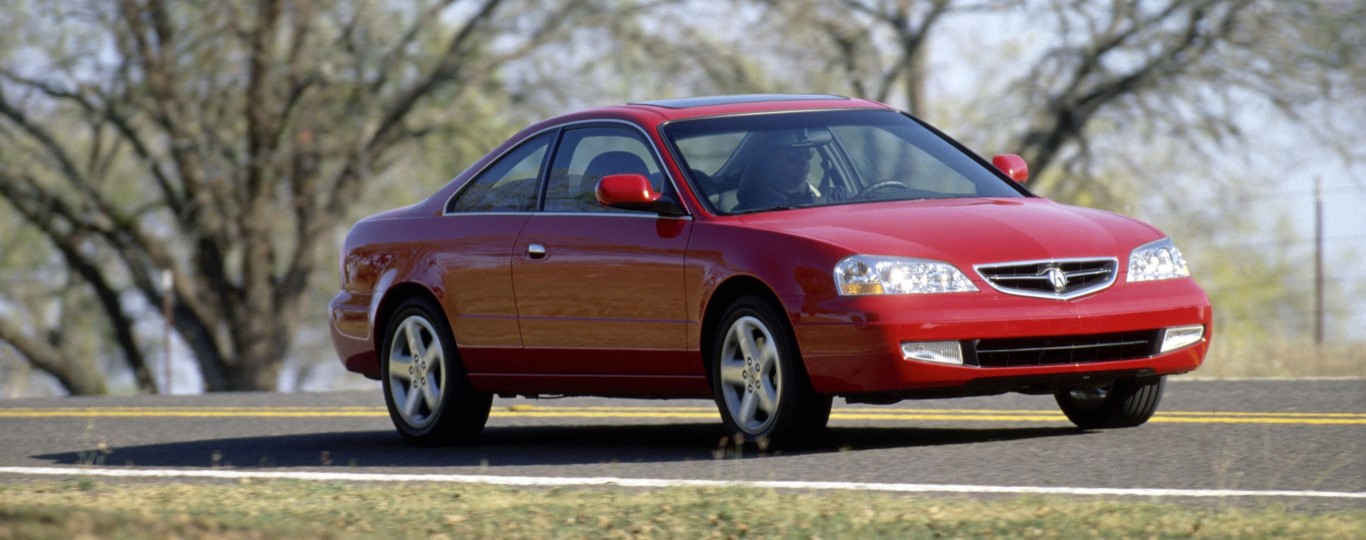
in March 2000, as a 2001 model year.