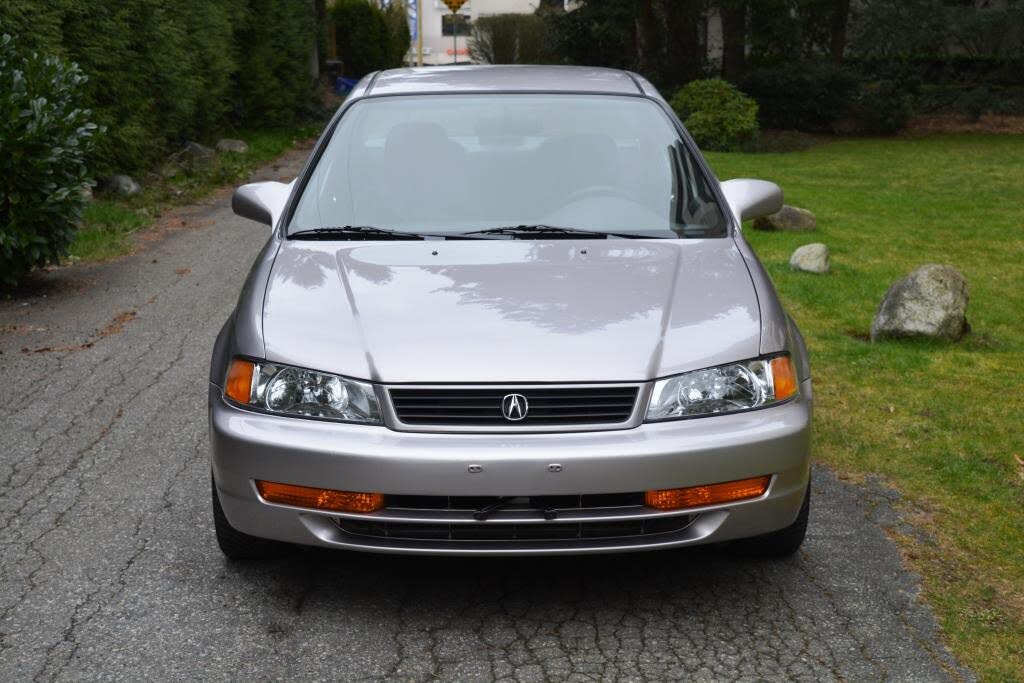
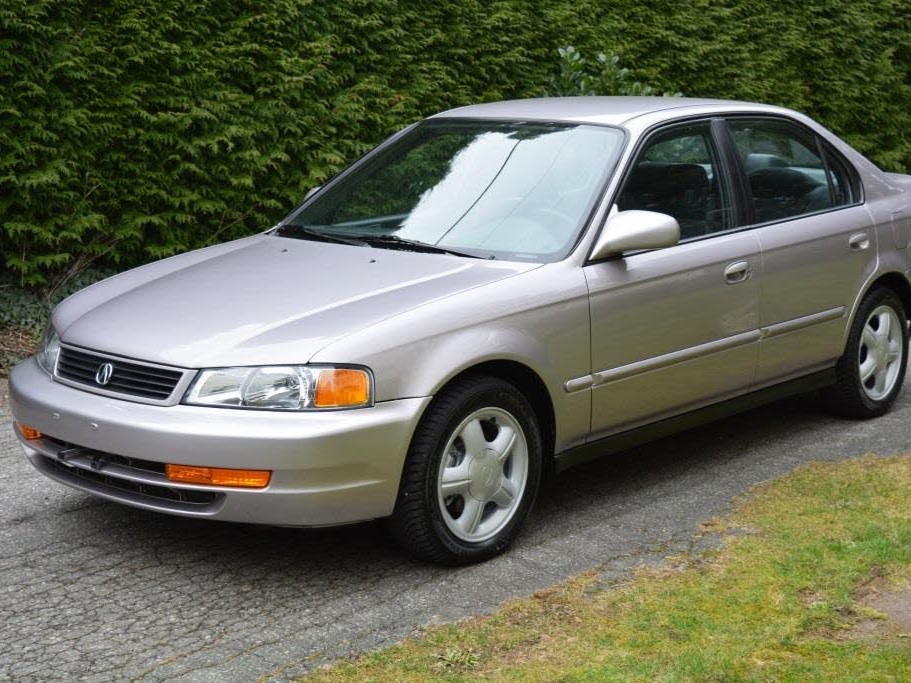
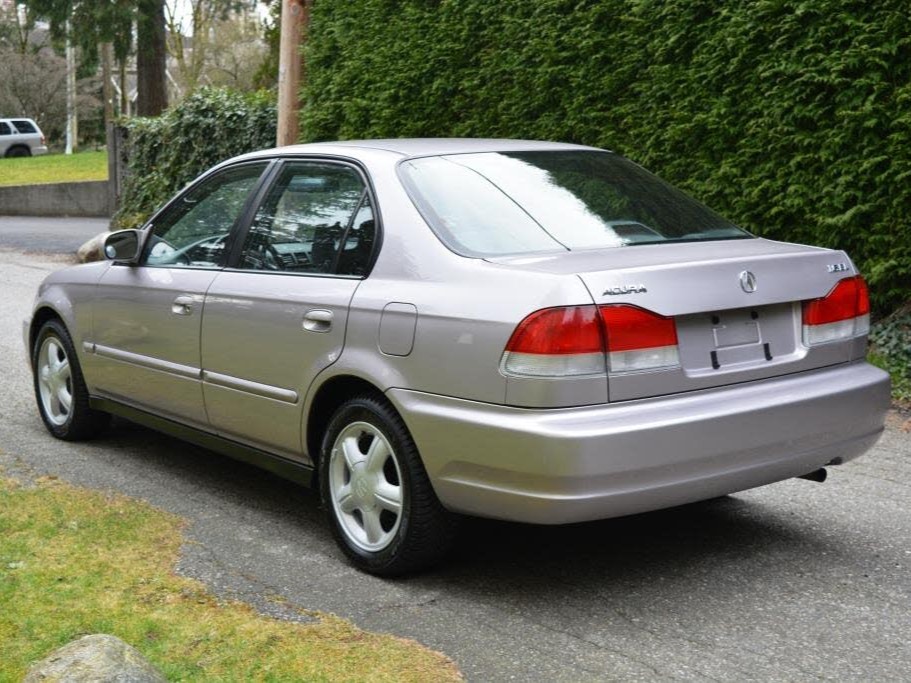
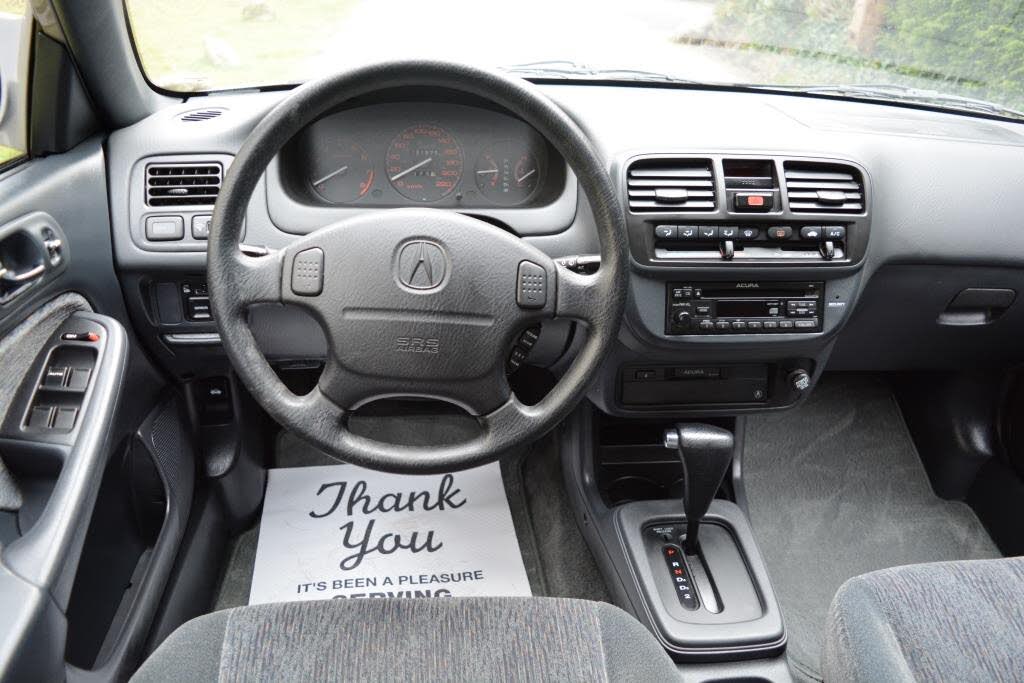
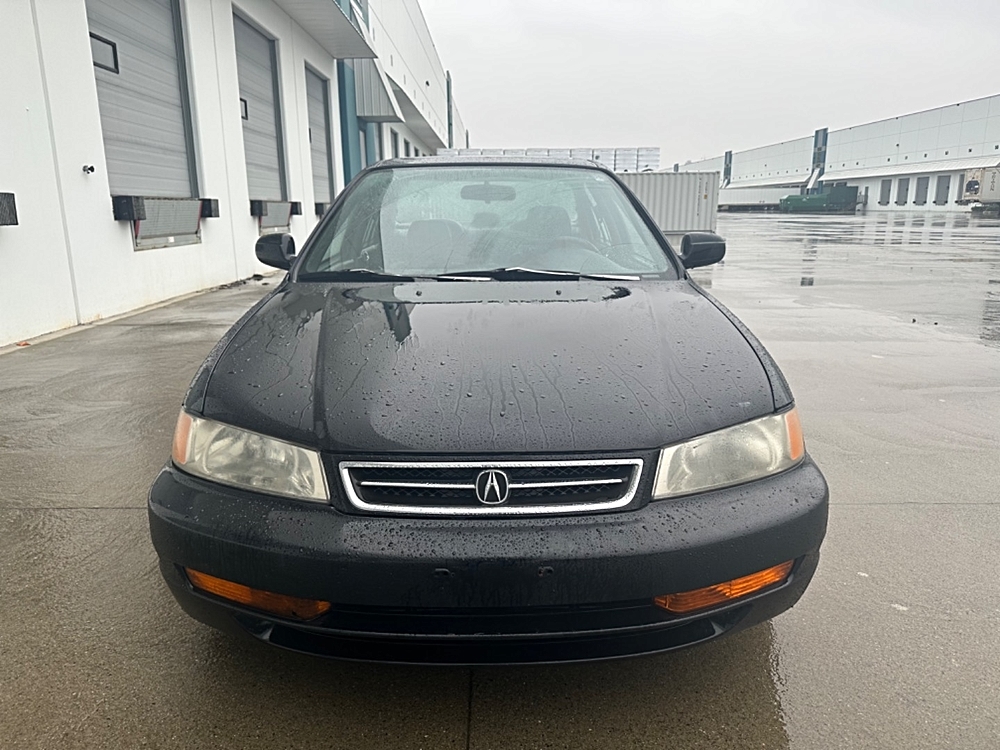
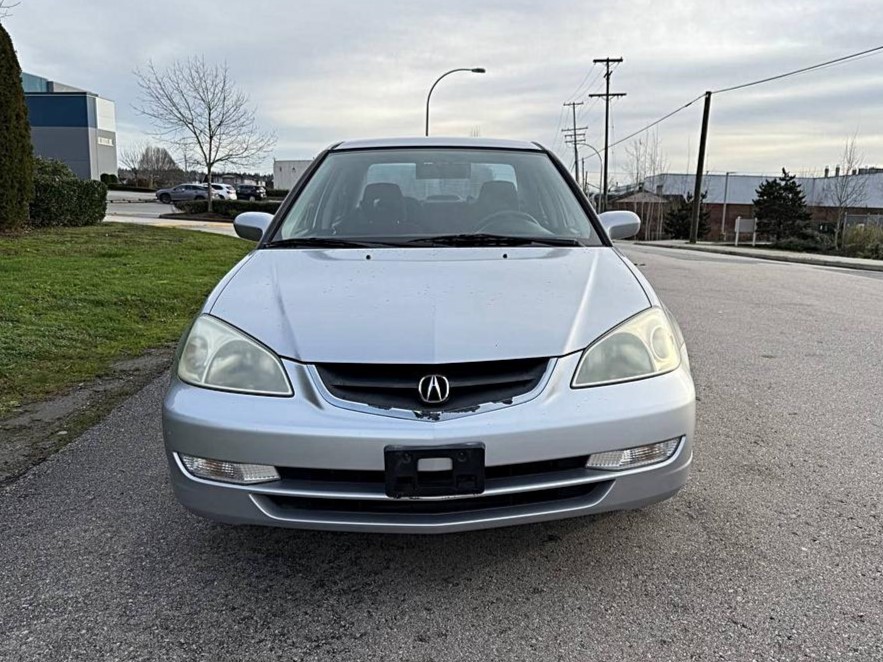
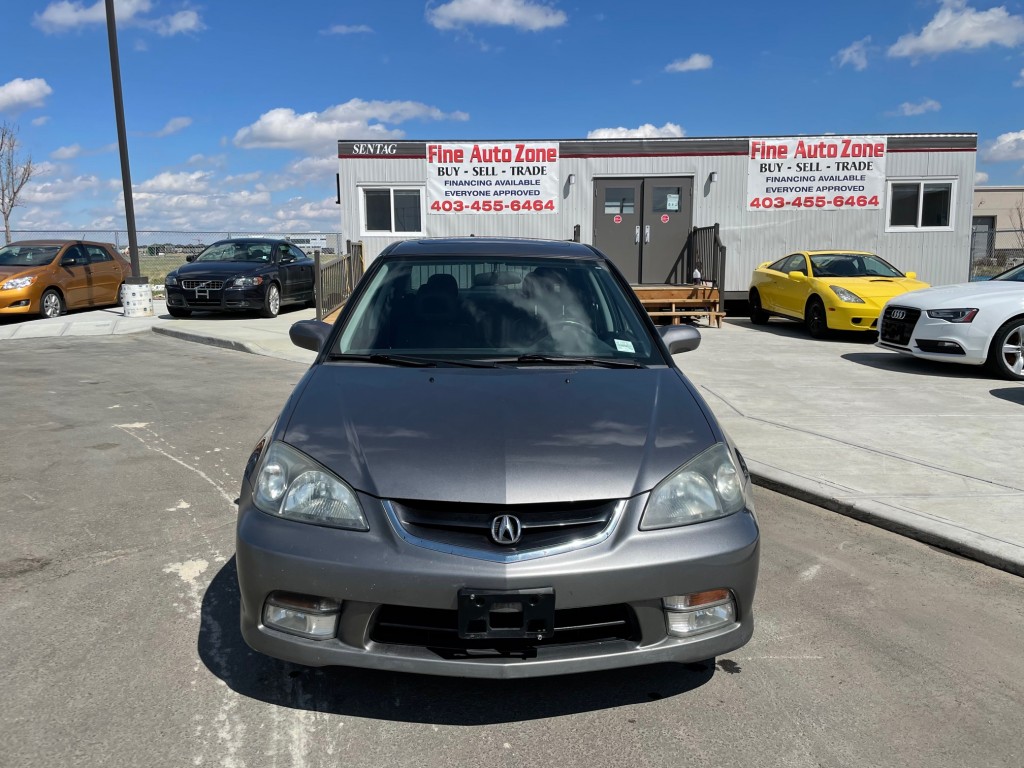
The first generation of the Acura EL, known internally by the chassis code
MB4, was introduced
in late 1996 for the 1997 model year. Although it shared the basic
structure with the sixth
generation Honda Civic sedan, the 1.6EL sought its visual identity in
the Honda Domani, a model
sold in Japan and Europe. Designers Don Herner and Kouichirou Fujii were
responsible
for adapting this aesthetic for the Canadian market, focusing on lines
that conveyed
sobriety and elegance.
Exclusive Design and Equipment
Aesthetic differentiation was the main pillar of the 1.6EL. The front
featured wider headlights
with turn signals in the corners, an inverted trapezoidal grille with
the Acura emblem, and an
exclusive bumper with amber turn signals. At the rear, a new trunk lid
allowed for a distinct shape for the taillights, which were larger and
more luxurious than
those on the Civic. A detail that owners valued was the absence of a
keyhole
on the trunk lid; it was opened only from the inside or by the remote
control, giving a
cleaner look.
Internally, the 1.6EL offered features that were not available on the Canadian Civic at that
time:
- Instrument panel with amber LED lighting and standard tachometer.
- Antenna integrated into the rear window for a cleaner look.
- Chrome interior door handles and silver-toned dashboard trims.
- Center console with extra storage under the center section.
- Rearview mirrors, exterior door handles, and side moldings painted
in the vehicle's color.
1.6EL Engine and Performance
The engine chosen for this generation was the D16Y8, a 1.6-liter powerplant
with 16 valves and
VTEC (Variable Valve Timing and Lift Electronic Control). This
engine was equivalent to the one found in the Civic Si Coupe in Canada
(known as the Civic EX sedan
in the US), ensuring that the EL always had the best engine available on
the platform.
| Specification |
Technical Detail |
| Engine Code |
D16Y8 |
| Configuration |
Inline 4-cylinder, SOHC 16V |
| Displacement |
1,590 cc (1.6L) |
| Maximum Power |
127 hp (95 kW) @ 6,600 rpm |
| Maximum Torque |
107 lb-ft (145 Nm) @ 5,500 rpm |
| Fuel System |
Multipoint Injection P2P ECU |
| VTEC Engagement Point |
5,600 rpm |
| 0-100 km/h Acceleration |
~8.7 to 9.4 seconds |
| Maximum Speed |
~195 km/h (121 mph) |
The standard transmission was a 5-speed manual, with an optional 4-speed automatic equipped
with Grade Logic Control to smooth out shifts on hilly terrains. The
suspension
was one of the big highlights: four-wheel independent with double
wishbones
front and rear, which provided handling far superior to the average
compact cars of the time.
Model Configurations (Trims)
To cater to different price ranges, Acura organized the 1.6EL into three trim
levels:
- Base: Already very well equipped, included CD
player and air conditioning as standard.
- Sport: Added 15-inch alloy wheels and a
slightly firmer suspension.
- Premium: The top of the line, with high-quality
leather seats and a power
sunroof.
The 1999 Facelift
In 1999, the first generation underwent a slight aesthetic and functional
update to stay
modern. The front grille received an updated mesh design, and the
exterior rearview mirrors
became folding and heated on the Sport version. An important detail for
enthusiasts was the introduction, on all 5-speed models from 1999
onwards, of a leather-wrapped
shift knob, identical to the one used on the Acura Integra GS-R,
elevating the sporty feel
when driving.