
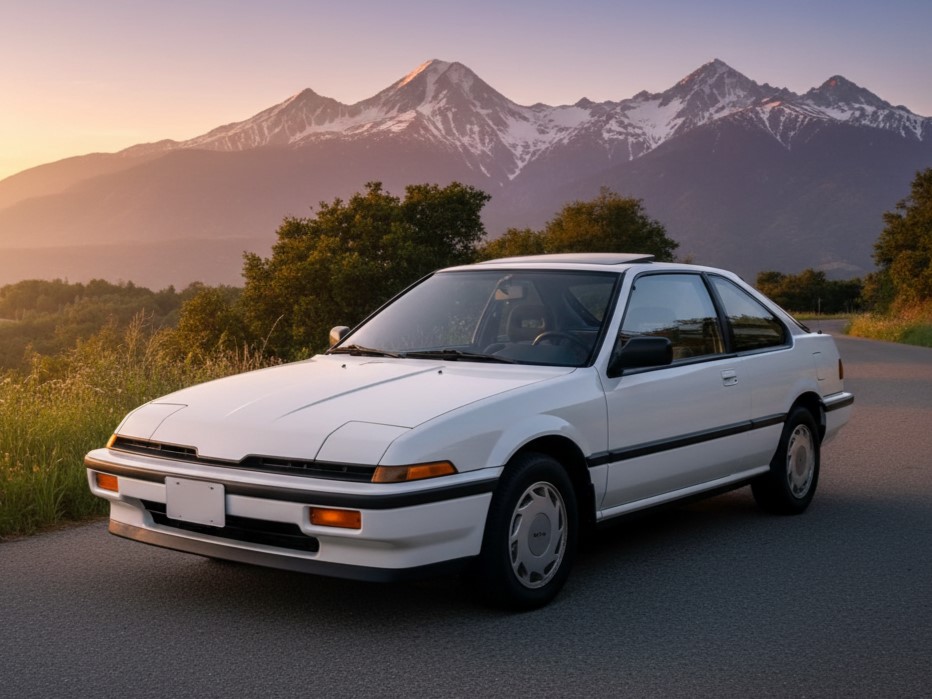
1st Generation
(1986 - 1987)
1.6 L
115 cv
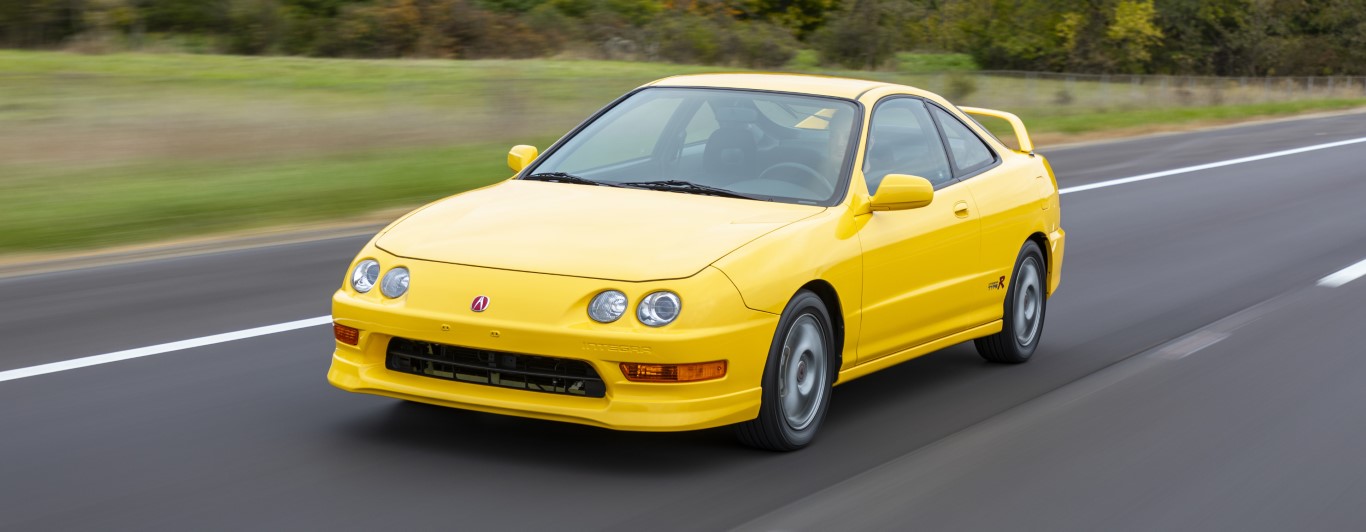
Technical specifications, versions, and history for the Acura Integra 3-door.
Select a generation to see available versions
(1986 - 1987)
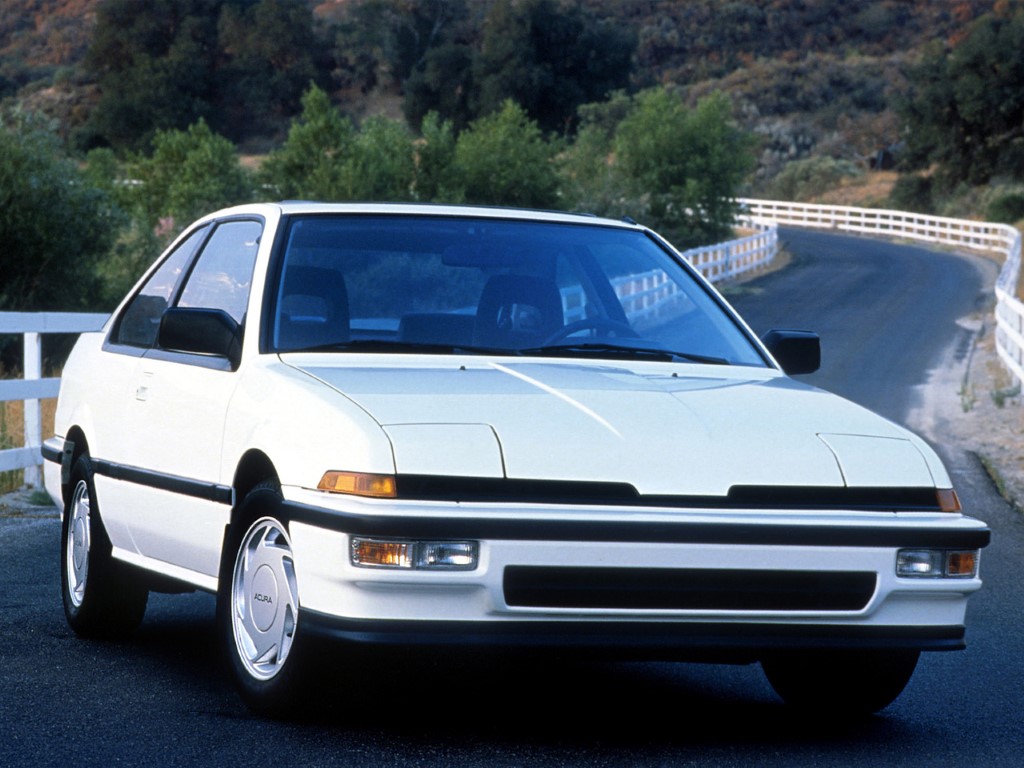
(1988 - 1989)
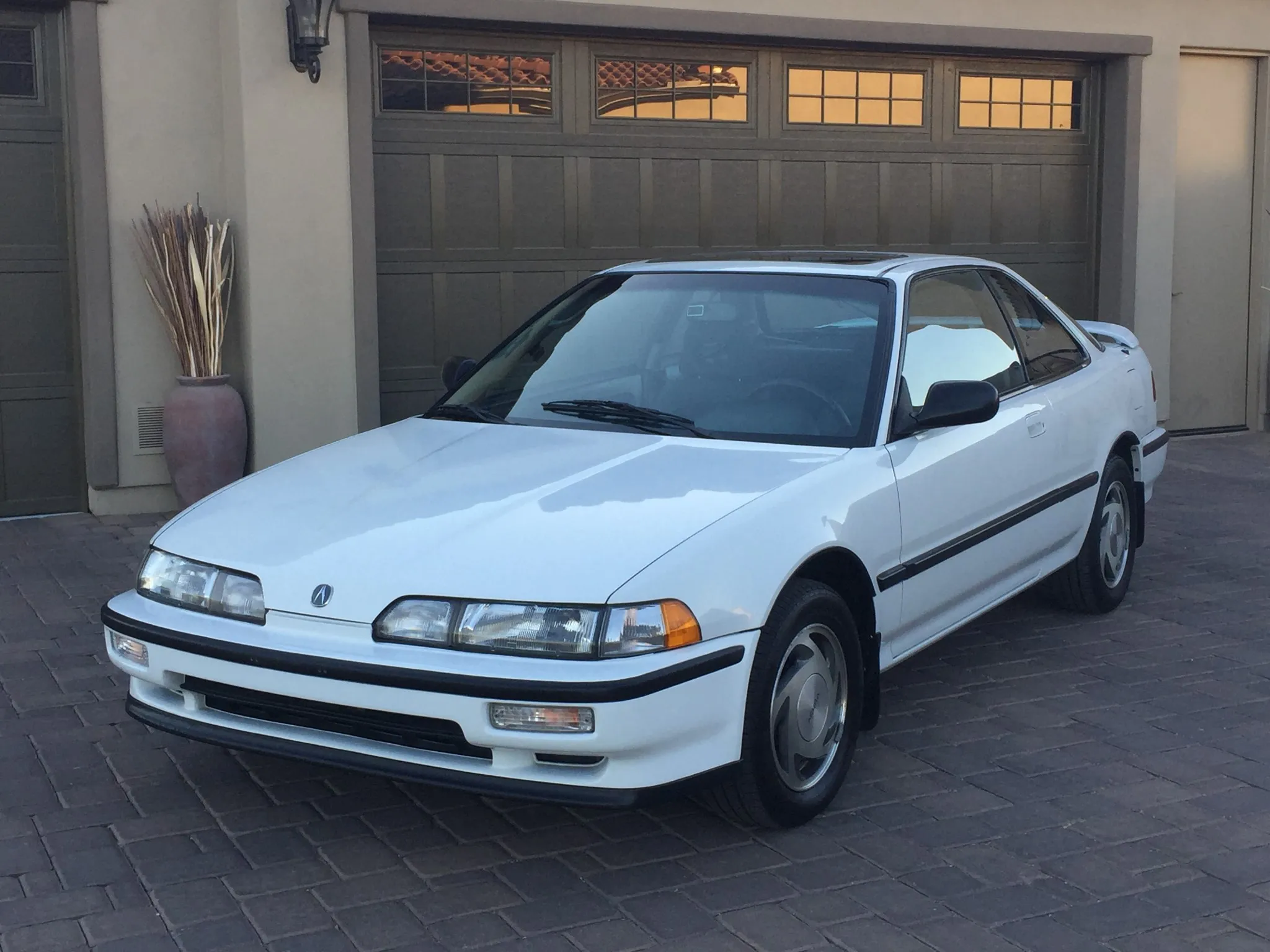
(1990 - 1991)
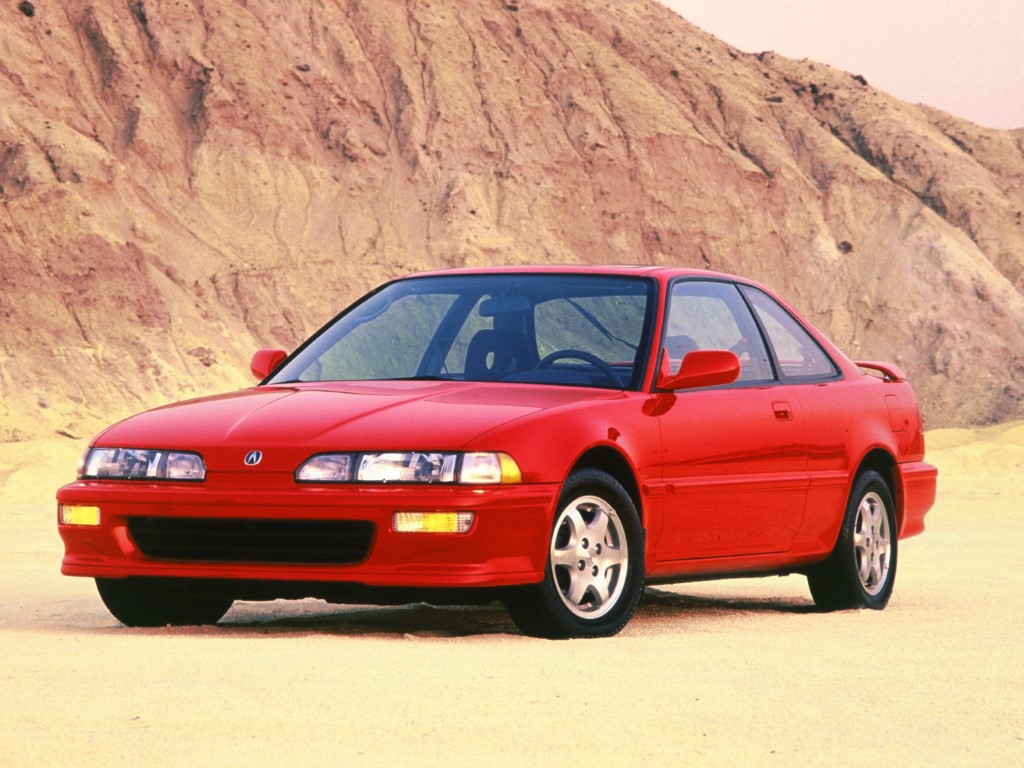
(1992 - 1993)
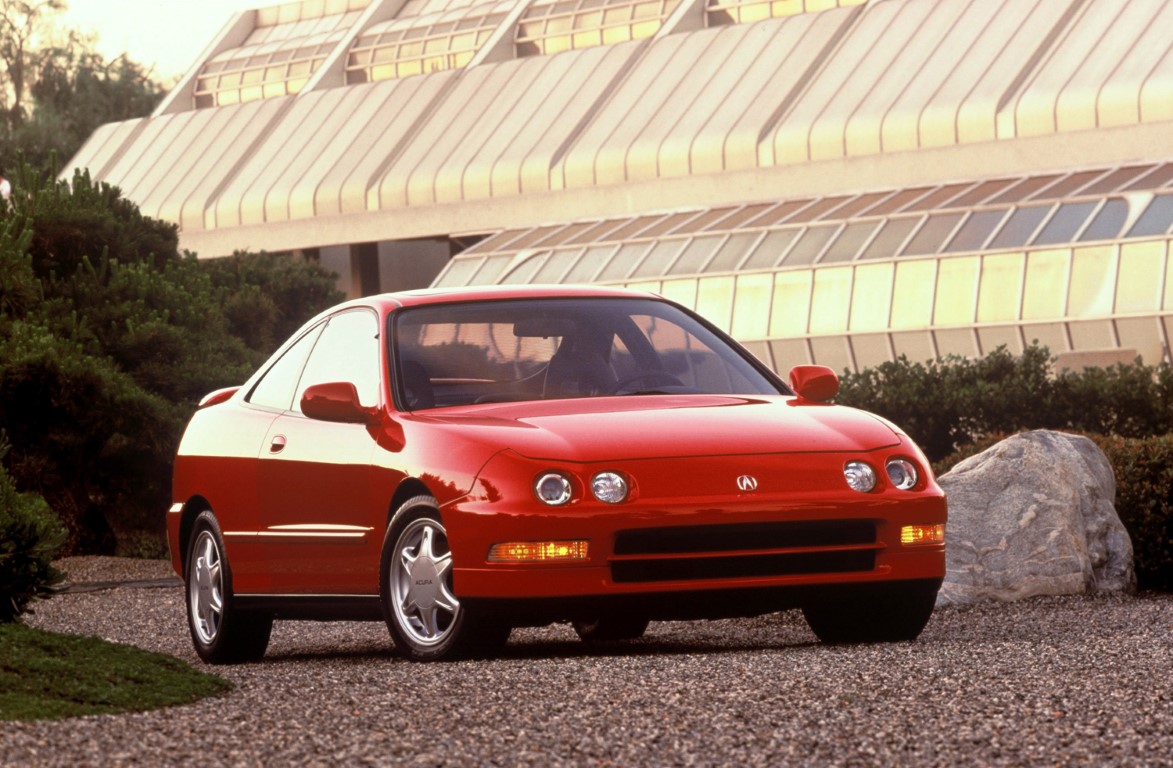
(1994 - 1997)
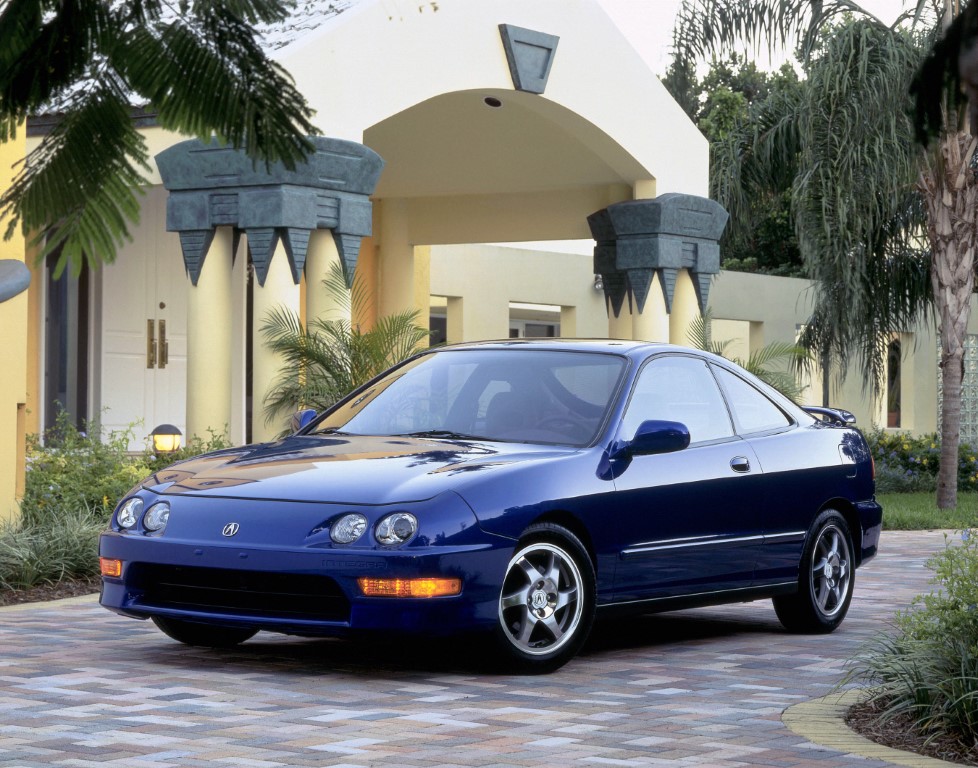
(1998 - 2001)
The three-door Acura Integra represents one of the most important milestones in Japanese automotive engineering and Honda's global market strategy. Since its launch in 1986, the model was conceived to be more than just a luxury vehicle; it served as the launchpad for the Acura brand in North America, combining Honda's mechanical reliability with a level of performance and sophistication that challenged the European standards of the time. This report details the four main generations of the three-door variant, covering its engines, mid-cycle updates (facelifts), production data, and the technical evolution that transformed it into a cultural icon.
The history of the Integra begins on March 27, 1986, the date the Acura brand was officially introduced to the American market. The Integra was one of the two initial models (along with the Legend), and its mission was clear: to offer a refined and sporty driving experience in a compact package. The three-door variant, a low-profile hatchback with aerodynamic lines, immediately stood out for its use of pop-up headlights, a design feature that symbolized the modernity of the 80s.
The launch model used the chassis known internally as the AV series (or DA1 in the US). Unlike the contemporary Honda Civic, which used single overhead camshaft (SOHC) engines, the first-generation Integra came equipped with the D16A1 engine, a 1.6-liter engine with dual overhead camshafts (DOHC) and 16 valves. This technical choice allowed the engine to rev more easily, delivering a power output that was a benchmark for its displacement.
| Technical Specification | Details (1986-1987) |
|---|---|
| Engine Code | D16A1 (DOHC) |
| Displacement | 1.6 Liters |
| Power | 113 hp @ 6,250 rpm |
| Torque | 99 lb-ft @ 5,500 rpm |
| Transmission | 5-speed Manual or 4-speed Automatic |
| Valve Configuration | 16 valves (4 per cylinder) |
The first-generation suspension was focused on agility, using a torsion bar system in the front and a semi-independent rear axle, which gave the car a dynamic behavior superior to its direct front-wheel-drive competitors.
In 1988, the Integra underwent its first significant update. The changes were not just cosmetic; the D16A1 engine received internal improvements, including redesigned pistons that increased the compression ratio and adjustments to the electronic ignition system. The result was a power increase to 118 horsepower.
On the outside, the front and rear bumpers were redesigned to offer a more robust appearance integrated with the bodywork. The interior was also refined, with new materials on the seats and a slightly updated instrument panel. One of the highlights of this period was the launch of the LS Special Edition version, which featured body-colored wheels and exterior trim, as well as exclusive badges.
In terms of production, the first generation was an absolute success for a debut brand. Nearly 228,000 units were sold during its four-year cycle, with the vast majority destined for the United States. Racing success, such as victories in the IMSA International Sedan championship in 1987 and 1988, helped cement the model's reputation for performance.
The second generation (DA9 chassis) marked a drastic evolution in mechanical sophistication. Launched in 1990, it abandoned pop-up headlights in favor of thinner fixed units, but the true breakthrough was under the vehicle's skin. Acura introduced the double wishbone suspension on all four wheels in this generation, an architecture derived from Formula 1 that allowed for exceptional camber control during aggressive cornering.
Initially, the second-generation Integra used the 1.8-liter B18A1 engine. This engine was part of Honda's famous B-Series, known for its durability and ease of modification. With 130 horsepower and a substantial increase in torque compared to the previous generation, the Integra became a more capable car for long trips without losing its sporty spirit.
Available versions included the RS (Rally Sport - focused on lightness), LS (Luxury Sport - with more convenience features), and the GS (Grand Sport), which came equipped with ABS brakes and a standard sunroof.
The year 1992 is considered one of the most important in Acura's history. With the mid-cycle facelift, the company not only updated the design of the bumpers and taillights, but also introduced the legendary GS-R (Grand Sport Racing) model. The GS-R was the first Integra to receive VTEC (Variable Valve Timing and Lift Electronic Control) technology in North America, using the B17A1 engine.
| Specification by Trim | Engine (1992-1993) | Power | Torque |
|---|---|---|---|
| RS, LS, GS (Facelift) | 1.8L DOHC (B18A1) | 140 hp | 126 lb-ft |
| GS-R (3-Door Exclusive) | 1.7L DOHC VTEC (B17A1) | 160 hp | 117 lb-ft |
Production of the GS-R model for this generation was extremely limited, with fewer than 5,000 units manufactured for the North American market between 1992 and 1993, making it one of the rarest and most sought-after Integras by collectors. The model was sold exclusively with a 5-speed manual transmission, emphasizing its purist driving proposition.
The third generation (DC2 for the Type R/GS-R and DC4 for the standard versions) is the most recognizable and celebrated worldwide. Launched in 1994, it introduced the controversial yet iconic front design with four circular headlights, affectionately dubbed the "bug eye". Although in Japan the design was changed to rectangular headlights after a few years due to a cold reception from the local public, in North America the circular design remained as the visual signature of the Acura brand until the end of production in 2001.
Acura refined the engine lineup to offer a clear differentiation between the entry-level and high-performance models. The B18B1 engine powered the RS, LS, and GS versions, offering a smooth and reliable power curve. The GS-R, on the other hand, received a larger and more powerful engine, the 1.8-liter B18C1 with VTEC, which featured a dual-stage intake manifold to optimize airflow at both low and high engine speeds.
| Engine Characteristic | B18B1 (RS/LS/GS) | B18C1 (GS-R) |
|---|---|---|
| Displacement | 1,834 cc | 1,797 cc |
| Maximum Power | 142 hp @ 6,300 rpm | 170 hp @ 7,600 rpm |
| Rev Limit (Redline) | 6,800 rpm | 8,000 rpm |
| Compression Ratio | 9.2:1 | 10.0:1 |
| Fuel Recommendation | Regular (87 octane) | Premium (91 octane) |
In 1997, Acura launched the Integra Type R, a car that many automotive journalists consider the best front-wheel-drive vehicle ever produced. The Type R wasn't just an Integra with a more powerful engine; it was a street-legal race car. Honda made extensive modifications to the chassis, including the use of thicker steel plates in critical areas and reinforcing the suspension towers with seam welds.
To reduce weight, items like the sunroof, heavy sound insulation, cruise control, and even the air conditioning (which was optional) were removed or simplified. The hand-built B18C5 engine used lighter valves and hand-polished intake ports to ensure maximum efficiency.
In 1998, the third generation received its final facelift. Changes included new designs for the front and rear bumpers, taillights with more pronounced amber indicators, and new alloy wheel options. Inside, comfort was enhanced with height-adjustable driver's seats on the LS and GS-R versions, plus new leather trims for the top-of-the-line versions.
In terms of production, Acura manufactured approximately 260,000 units of this generation in the US. Of those, the GS-R coupe versions accounted for between 30,000 and 35,000 units, while the ultra-rare Type R saw only about 2,700 units sold in the United States throughout its lifecycle.
For the fourth generation, Acura decided to align the model with its new global alphanumeric naming convention, renaming the Integra as the RSX in North America. In Japan, the name Integra (DC5 chassis) was maintained. The RSX represented a radical shift in design and engine philosophy, abandoning the B-Series in favor of the new and technologically advanced K-Series.
The 2.0-liter K-Series engine introduced "i-VTEC", which combined traditional variable valve lift with VTC (Variable Timing Control), a system that allowed for the continuous adjustment of intake valve timing. This resulted in engines that had much more low-end torque than previous models, maintaining the aggressiveness at high RPMs.
| Version | Engine | Power | Transmission |
|---|---|---|---|
| Base RSX | K20A3 | 160 hp | 5-M Manual / 5-A Automatic |
| RSX Type-S (2002-2004) | K20A2 | 200 hp | 6-speed Manual |
| RSX Type-S (2005-2006) | K20Z1 | 210 hp | 6-speed Manual |
A controversial technical change in this generation was the replacement of the double wishbone front suspension with MacPherson struts. Although this allowed for a more compact engine bay and improved crash safety, some enthusiasts felt the car lost part of the surgical steering precision of the third generation.
In 2005, the RSX underwent a facelift that updated the design of the headlights and taillights, removing the circular cutouts at the bottom to create a straighter, more aggressive line. The suspension was recalibrated to improve handling and comfort, and the Type-S version received a power bump to 210 horsepower, as well as 17-inch wheels as standard equipment.
Despite being an initial sales success, with over 30,000 units in 2002, Acura decided to end production in 2006 to focus on larger luxury models and SUVs. The RSX was the last three-door Integra to be sold by Acura before a 16-year hiatus.
The three-door Acura Integra was always the highest volume model compared to the four- or five-door versions across all generations. The enthusiast market preferred the coupe for its slightly superior torsional rigidity and sportier look.
The model's popularity, however, brought a negative side effect: high theft rates. Due to the interchangeability of parts between the B-Series engines and other Honda models, the Integra was frequently one of the cars most targeted by criminals in the US, with estimates that between 15,000 and 20,000 units have been stolen over the decades.
| Market Metric | Integra G1 to G3 | Acura RSX (G4) |
|---|---|---|
| Estimated Total Sales (USA) | ~488,000 units | ~130,000 units |
| Rarest Version | 1992 GS-R | 2006 Type-S A-Spec |
| Buyer Profile | Young Enthusiasts | Rising Professionals |
| Cultural Legacy | Tuning and Racing Icon | Last Acura Compact Coupe |
In 2023, the Integra name returned to the Acura portfolio. However, reflecting profound changes in the global automotive market — where demand for two- or three-door coupes has practically disappeared in favor of more versatile vehicles — the new generation is offered exclusively as a five-door liftback.
Although many purists mourned the absence of a three-door version, Acura justified the decision based on economic viability. The new model shares its platform with the 11th-generation Honda Civic and focuses on offering a sporty luxury experience with the 1.5 turbo engine and, more recently, the 320-horsepower Type S version.
When analyzing the history of the three-door Acura Integra, one observes a trajectory of constant technical excellence. From the first generation, which validated the Acura brand as a true luxury alternative, to the third generation that defined what a front-wheel-drive car could achieve on the track, the Integra was never just a means of transportation.
The transition from the D-Series to the B-Series and, finally, to the K-Series reflects Honda's relentless pursuit of mechanical perfection. The legacy of the 3-door Integra lies not only in production numbers or horsepower, but in the culture it created. It proved that front-wheel drive, when combined with a sophisticated suspension (Double Wishbone) and high-revving engines (VTEC), could provide a driving experience as engaging as the best rear-wheel-drive sports cars in the world.
The rarity of models like the second-generation GS-R and the third-generation Type R continues to drive prices up in the collector's market, ensuring that the history of the three-door Integra continues to be written by enthusiasts who value mechanical purity and functional Japanese design.