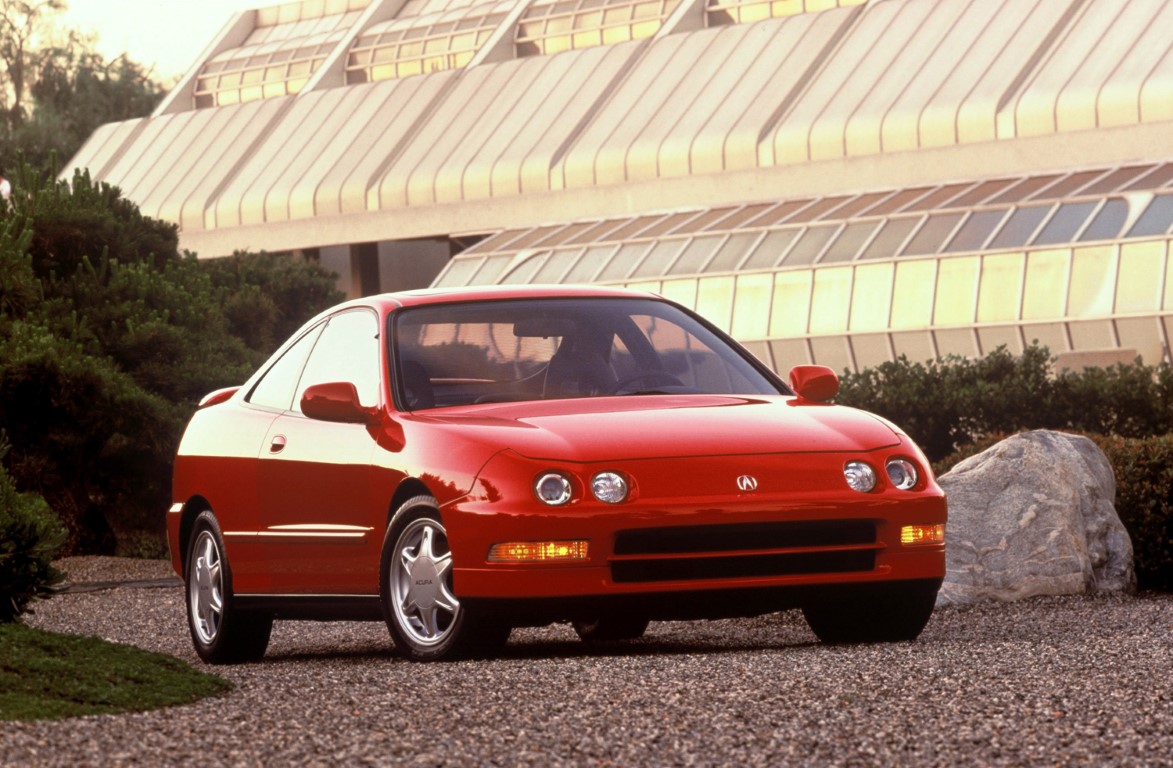
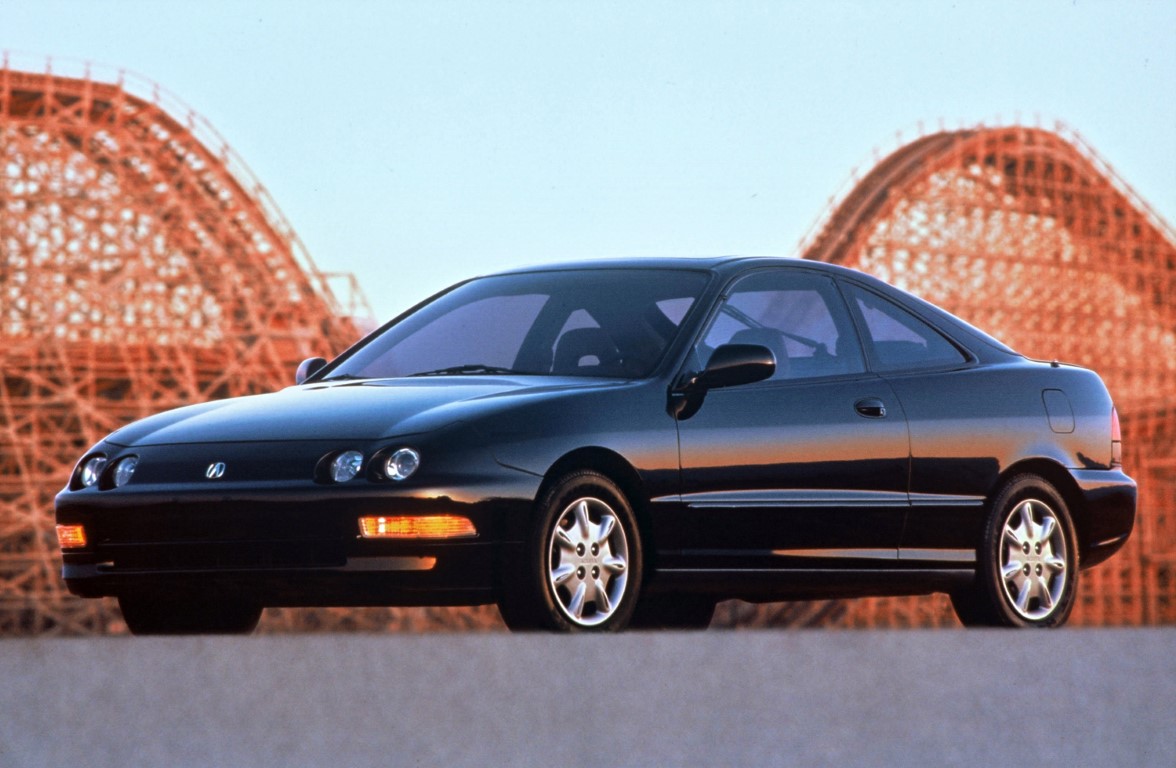
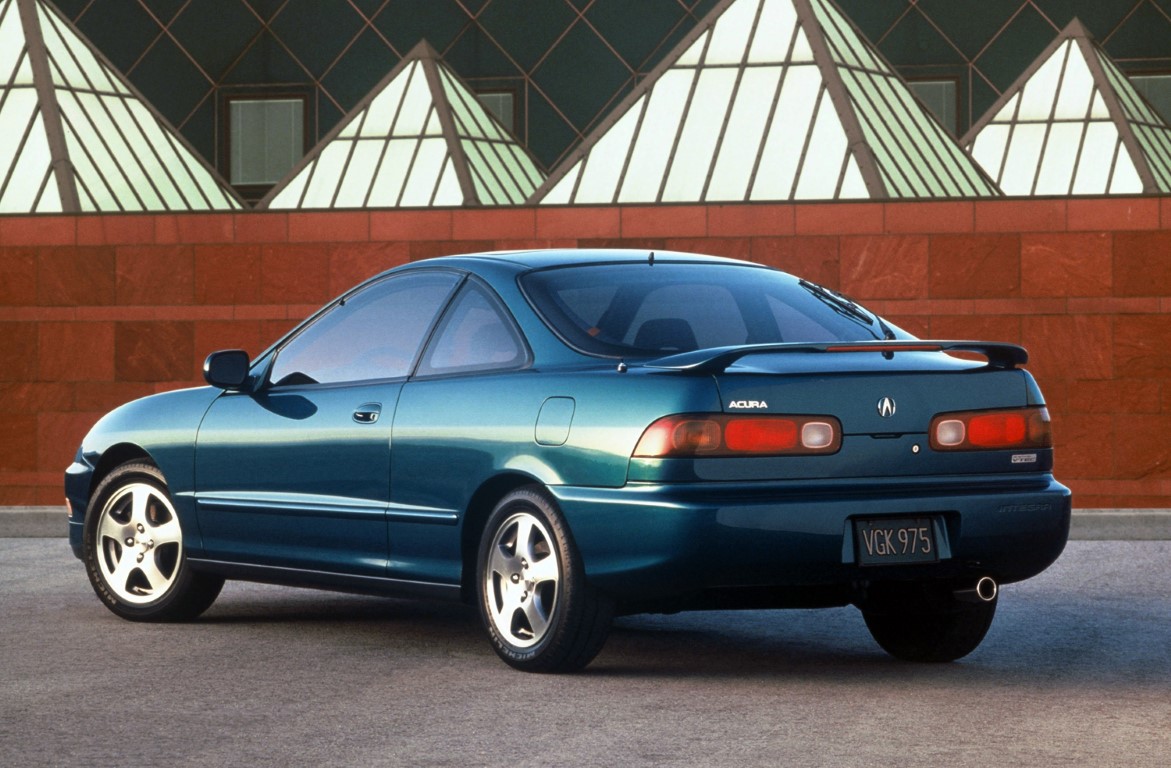
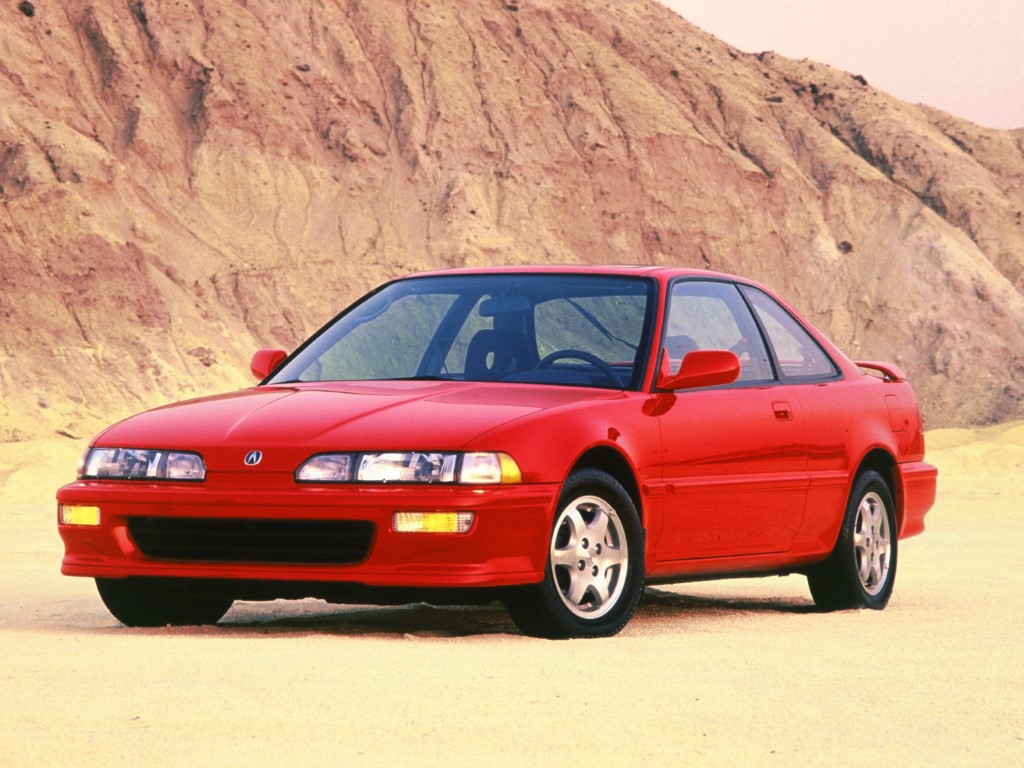
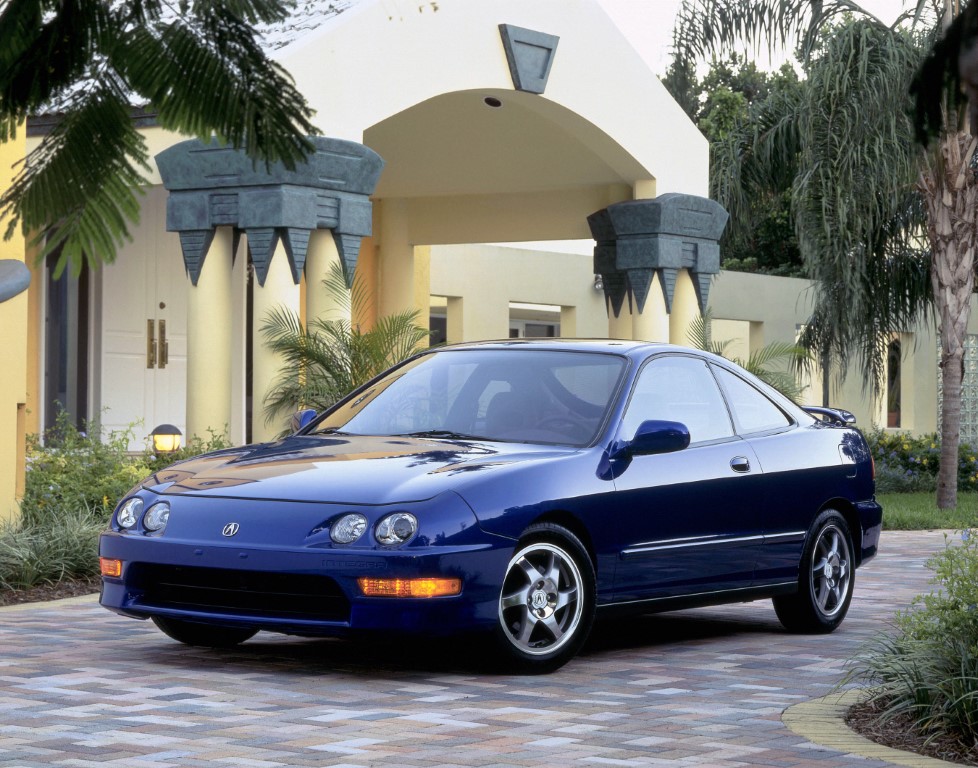
The third generation (DC2 for the Type R/GS-R and DC4 for the standard
versions) is the most recognizable and celebrated worldwide. Launched in 1994, it introduced the
controversial yet iconic front design with four circular headlights, affectionately dubbed the
"bug eye". Although in Japan the design was changed to rectangular headlights after a few years
due to a cold reception from the local public, in North America the circular design remained as
the visual signature of the Acura brand until the end of production in 2001.
Technical Evolution of the Engine (1994–1997)
Acura refined the engine lineup to offer a clear differentiation between the
entry-level and high-performance models. The B18B1 engine powered the RS, LS, and GS versions,
offering a smooth and reliable power curve. The GS-R, on the other hand, received a larger and
more powerful engine, the 1.8-liter B18C1 with VTEC, which featured a dual-stage intake manifold
to optimize airflow at both low and high engine speeds.
| Engine Characteristic |
B18B1 (RS/LS/GS) |
B18C1 (GS-R) |
| Displacement |
1,834 cc |
1,797 cc |
| Maximum Power |
142 hp @ 6,300 rpm |
170 hp @ 7,600 rpm |
| Rev Limit (Redline) |
6,800 rpm |
8,000 rpm |
| Compression Ratio |
9.2:1 |
10.0:1 |
| Fuel Recommendation |
Regular (87 octane) |
Premium (91 octane) |
The Emergence of the Type R (1997–2001)
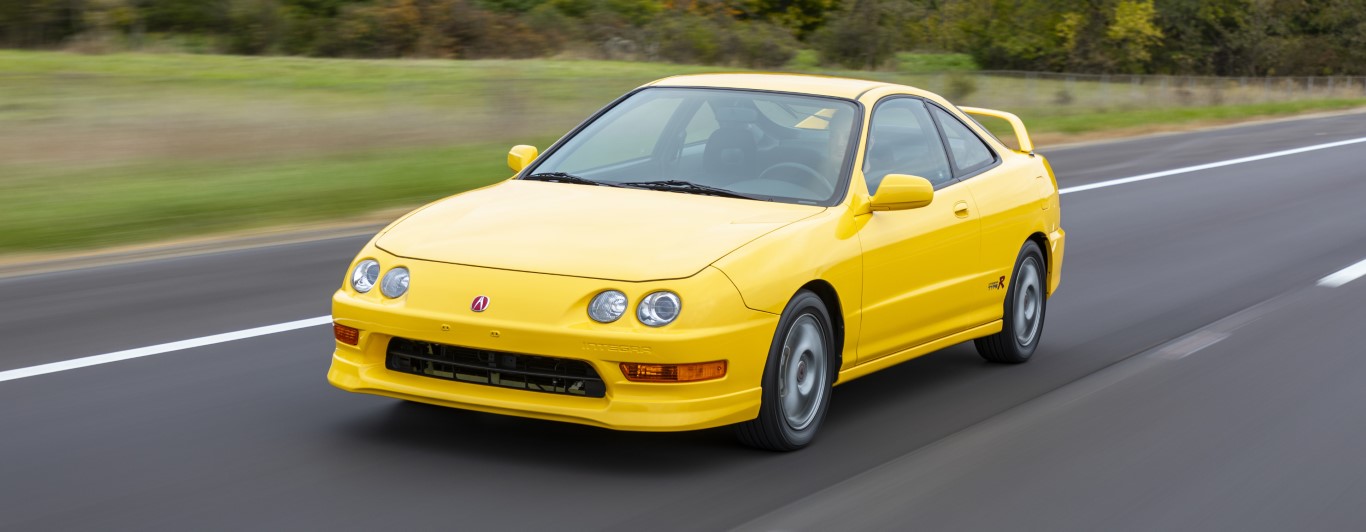
In 1997, Acura launched the Integra Type R, a car that many automotive
journalists consider the best front-wheel-drive vehicle ever produced. The Type R wasn't just an
Integra with a more powerful engine; it was a street-legal race car. Honda made extensive
modifications to the chassis, including the use of thicker steel plates in critical areas and
reinforcing the suspension towers with seam welds.
To reduce weight, items like the sunroof, heavy sound insulation, cruise
control, and even the air conditioning (which was optional) were removed or simplified. The
hand-built B18C5 engine used lighter valves and hand-polished intake ports to ensure maximum
efficiency.
1998 Facelift and Final Details
In 1998, the third generation received its final facelift. Changes included
new designs for the front and rear bumpers, taillights with more pronounced amber indicators,
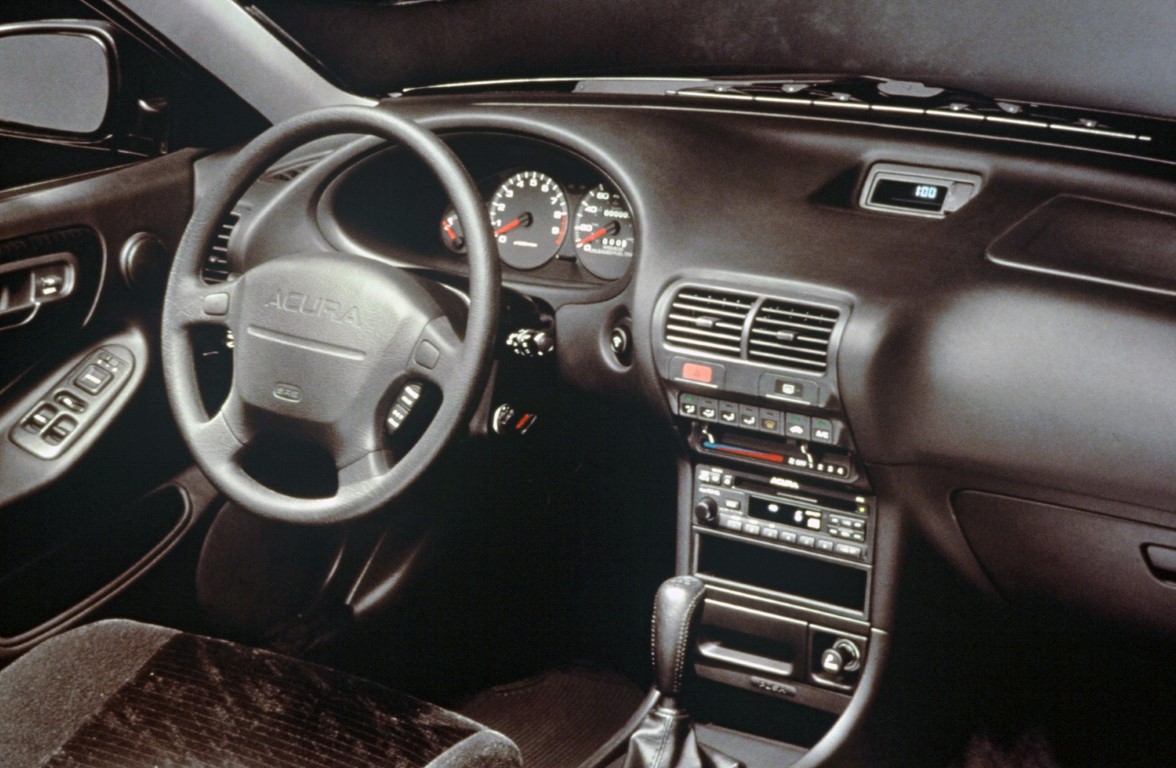
and new alloy wheel options. Inside, comfort was enhanced with height-adjustable driver's seats
on the LS and GS-R versions, plus new leather trims for the top-of-the-line versions.
In terms of production, Acura manufactured approximately 260,000 units of
this generation in the US. Of those, the GS-R coupe versions accounted for between 30,000 and
35,000 units, while the ultra-rare Type R saw only about 2,700 units sold in the United States
throughout its lifecycle.