The History of the 5-Door Acura Integra
The Acura Integra represents one of the most significant milestones in the history of the Japanese automotive industry in North America, serving as the cornerstone for the launch of the first Japanese luxury brand in the Western market in 1986. Although the Integra lineage is frequently celebrated for its two-door variants and the mystique surrounding pure performance, the 5-door configuration — specifically the hatchbacks and liftbacks — played a vital role both in the founding of the brand and in its contemporary revival. This report exhaustively analyzes the trajectory of this model, exploring its mechanical transformations, the design changes implemented in each life cycle, and the commercial impact that defined Acura's position as a vehicle manufacturer balancing technical precision with practical utility.
The history of the Integra is intrinsically linked to Honda's pursuit of a niche that combined the agility of a compact car with the refinement of a premium automobile. Across five generations, the 5-door model evolved from an angular, value-focused hatchback into a sophisticated liftback equipped with high-tech turbocharged engines, reflecting the shifting demands of consumers and advances in automotive engineering.
First Generation (1986–1989): The Brand's Foundation and the 5-Door Debut
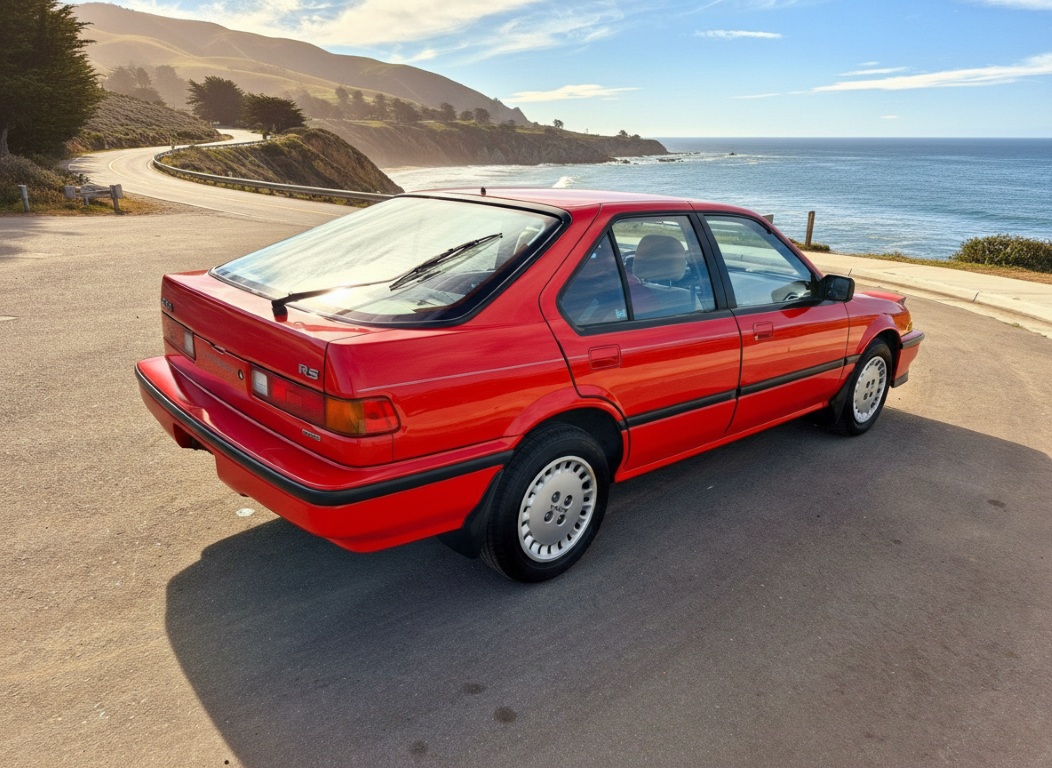
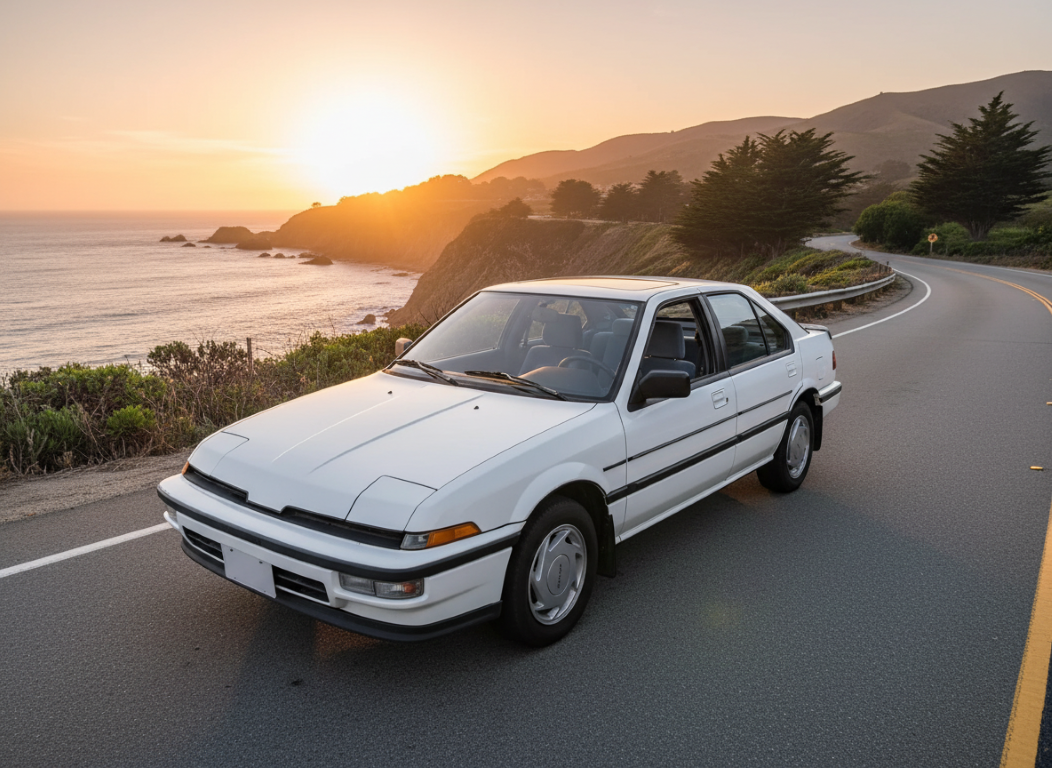
The Acura Integra was officially launched on March 27, 1986, a historic day that marked the global debut of Honda's Acura division. Initially available as a 3-door hatchback and a 5-door hatchback, the Integra was positioned as a more luxurious and sporty derivative of the Honda Civic, succeeding the Honda Quint in Japan. The first-generation design, known internally by the AV and DA1 through DA4 series, was characterized by aggressively aerodynamic lines for the era and the iconic retractable headlights (pop-up), which gave the 5-door model a modern and sporty appearance uncommon for vehicles in its class.
Unlike the 3-door model, the 5-door variant was engineered to offer a slightly longer wheelbase, which provided a more spacious cabin and more stable ride. This model was instrumental in attracting young professionals seeking a vehicle with a premium image that still offered rear-passenger accessibility and cargo flexibility.
Initial Specifications and Powertrains
The engine that powered the original Integra was the innovative 1.6-liter DOHC 16-valve 4-cylinder, identified by the code D16A1. At the time, the use of a dual overhead cam engine in an entry-level luxury vehicle was a demonstration of Honda's technological strength, offering a power curve that favored high rpm.
| 5-Door Model Details | Technical Specification (1986-1987) |
|---|---|
| Engine Code | D16A1 (known as "Browntop") |
| Engine Type | Inline 4-cylinder, DOHC, 16 valves |
| Net Power | 113 hp @ 6250 rpm |
| Net Torque | 99 lb-ft @ 5500 rpm |
| Standard Transmission | 5-speed manual |
| Optional Transmission | 4-speed automatic |
| Injection System | Programmed fuel injection (PGM-FI) |
The first-generation chassis structure used independent front suspension with torsion bars and struts, while the rear employed a semi-independent beam axle with trailing arms and a Panhard bar. This arrangement, though simple by current standards, was tuned to offer direct response and agility that quickly established the Integra as one of the best front-wheel-drive cars of its time.
The Mid-Life Facelift (1988–1989) and the "Blacktop" Engine
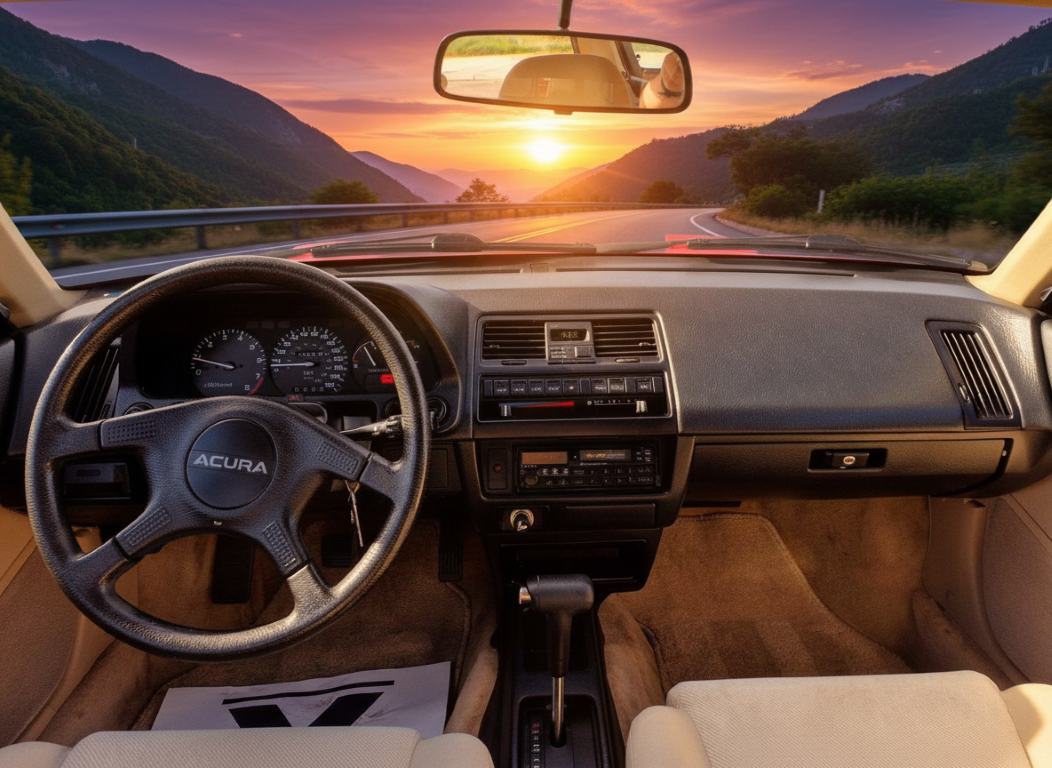
In 1988, the Integra received its first major technical and aesthetic update. The D16A1 engine was significantly revised, receiving a black valve cover, modified pistons, and a higher compression ratio of 9.5:1. These improvements raised power to 118 hp and torque to 103 lb-ft. Aesthetically, the 1988 facelift brought revised bumpers, lighting improvements, and an updated instrument panel.
| Measurement | 5-Door Model Dimensions (1988) |
|---|---|
| Wheelbase | 2520 mm / 99.2 in |
| Overall Length | 4355 mm / 171.5 in |
| Width | 1665 mm / 65.6 in |
| Height | 1290 mm / 50.8 in |
| Turning Radius (Curb-to-Curb) | 10.4 m / 34.1 ft |
| Fuel Tank Capacity | 50 liters / 13.2 gallons |
During the four years of production of this generation, Acura sold approximately 228,000 units worldwide, with the North American market absorbing the majority of production. The commercial success was accompanied by track triumphs, with the Integra winning consecutive IMSA International Sedan championships in 1987 and 1988.
Second Generation (1990–1993): Refinement, VTEC, and the Transition to the Sedan
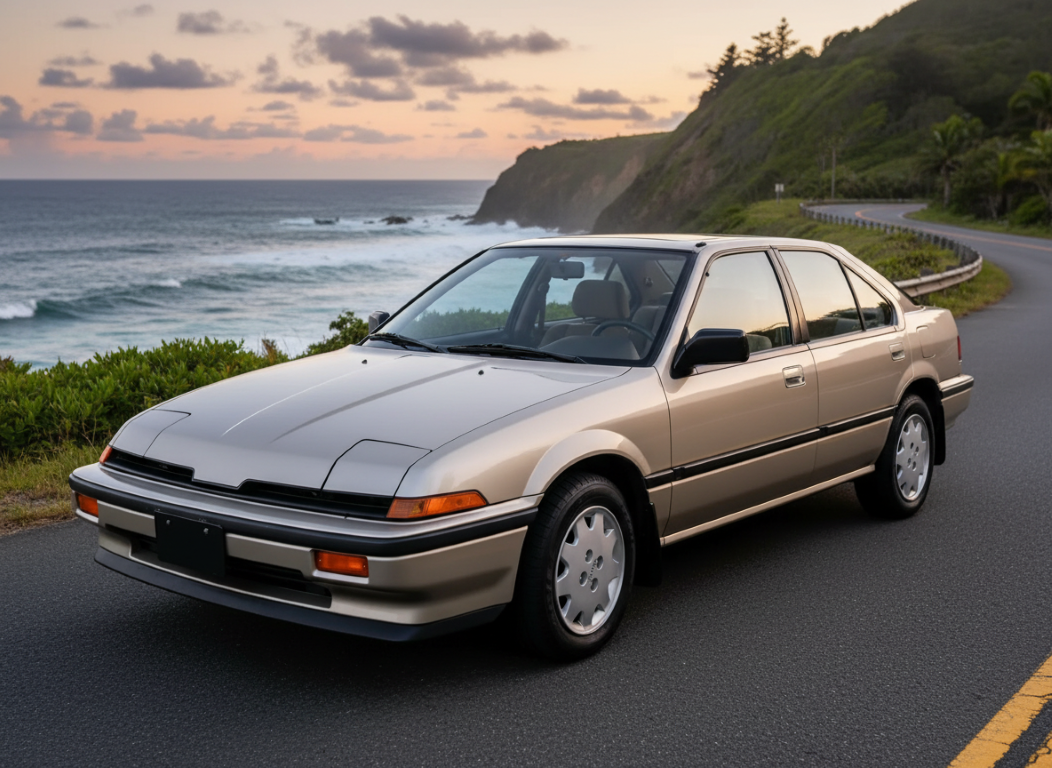
The second generation of the Integra, launched in 1989 as a 1990 model, brought an important strategic shift for the multi-door variant. The 5-door hatchback body from the previous generation was discontinued due to market reception that favored traditional sedans in the luxury segment. In its place, Acura introduced a 4-door sedan with a conventional trunk (notchback), though it shared the same philosophy of practicality and performance.
This generation was an immense technological leap. It was the first to introduce independent double-wishbone suspension on all four wheels, a system derived directly from Honda's Formula 1 experience. This geometry allowed for much more precise wheel control, minimizing camber changes during sharp cornering and braking.
Powertrain and the Introduction of VTEC
The standard engine of this era was the 1.8-liter B18A1, which initially produced 130 hp. However, the most defining moment came in 1992, with the introduction of the GS-R model. This was the second Acura car to receive VTEC technology, after the NSX, using the 1.7-liter B17A1 engine capable of generating 160 hp and reaching extremely high revs for a production engine of that era.
| Powertrain Evolution (2nd Generation) | Years | Power | Torque |
|---|---|---|---|
| 1.8L DOHC (B18A1) | 1990-1991 | 130 hp | 121 lb-ft |
| 1.8L DOHC (B18A1) Revised | 1992-1993 | 140 hp | 126 lb-ft |
| 1.7L DOHC VTEC (B17A1) - GS-R | 1992-1993 | 160 hp | 117 lb-ft |
The 1992 Facelift and Chassis Innovations
The 1992 facelift brought not only the legendary GS-R, but also significant aesthetic refinements, including new front and rear bumper designs and the introduction of a four-spoke steering wheel in the interior. Acura also focused on operational smoothness, adding new hydraulic engine mounts to isolate vibrations from the cabin.
For the 4-door model, Acura adjusted the damping rates to be slightly softer than the 3-door versions, acknowledging that sedan buyers prioritized a balance between sport and executive comfort. Safety was also elevated with the availability of anti-lock braking systems (ABS) on GS models, using sensors that monitored each wheel's speed to prevent lockup during emergency braking.
| Model | Wheelbase | Overall Length |
|---|---|---|
| 3-door Hatchback | 2550 mm / 100.4 in | 4390 mm |
| 4-door Sedan | 2600 mm / 102.4 in | 4485 mm |
Sales of the GS-R model in this generation were limited, making them rare today. In the United States, only 3,968 GS-R units were sold between 1992 and 1993, with another 857 units destined for the Canadian market.
Third Generation (1994–2001): The Cultural Icon and the Consecration of the GS-R Sedan
The third generation of the Integra is frequently considered the pinnacle of the lineage by purists, not just because of the Type R, but for the chassis maturity and the versatility of its offerings. Maintaining the sedan body for the multi-door variant, the 1994 Integra debuted a radical front design with four circular headlights, affectionately known as "bug eyes" by enthusiasts.
One of the greatest evolutions for the practical variant was that, for the first time, the GS-R's VTEC engine was offered in the sedan body. This allowed drivers who needed four doors to have access to the 170 hp B18C1 engine and the short-ratio manual transmission, creating one of the most well-rounded sport sedans of the 1990s.
Powertrains and Model Diversity
The lineup was expanded to include various trim levels, such as RS, LS, GS, and the top-of-the-line GS-R. The standard 1.8L engine (B18B1) now produced 142 hp, offering a solid performance foundation for the entry-level and mid-range models.
| Powertrain (3rd Generation - USDM) | Model | Power | Technology |
|---|---|---|---|
| 1.8L DOHC (B18B1) | RS, LS, GS | 142 hp | PGM-FI Injection |
| 1.8L DOHC VTEC (B18C1) | GS-R | 170 hp | Dual-Stage Intake Manifold |
| 1.8L DOHC VTEC (B18C5) | Type R | 195 hp | Hand-assembled, Polished Ports |
The 1998 Facelift and Final Refinements
In 1998, the Integra underwent an aesthetic update that softened the lines of the front and rear bumpers and introduced new light clusters that gave the car a more modern and integrated appearance. The interior also received attention, with new seat fabrics and the introduction of height and tilt adjustments for the driver's seat as standard.
During this period, Acura focused on making the Integra more civilized without losing its sporting soul. The LS models gained 14-inch machined-finish aluminum wheels, while the GS-R received a new 15-inch wheel design and leather upholstery as standard from 1999 onward.
| Measurement | 3rd Generation Sedan Dimensions (1994-2001) |
|---|---|
| Wheelbase | 2620 mm / 103.1 in |
| Overall Length | 4525 mm / 178.1 in |
| Width | 1710 mm / 67.3 in |
| Height | 1370 mm / 53.9 in |
| Passenger Volume | 2713 liters (per modern data) |
Commercially, this generation was a resounding success, with annual US sales remaining consistently between 50,000 and 80,000 units for most of its lifespan. However, the model's popularity also had a downside: the Integra became the most stolen vehicle in the United States in the early 2000s, due to high demand for its parts in the enthusiast market.
The Hiatus and the Acura RSX (2002–2006)
In 2002, Acura made the decision to rename the Integra to RSX in North America, aligning with the brand's new alphanumeric naming convention (such as TL, RL, and MDX). However, this change came with a significant loss for utility fans: the RSX was offered exclusively as a 3-door hatchback.
Although the RSX was technically superior in many respects, utilizing the new K-series engines with i-VTEC (such as the K20 with 160 hp in the base model and 200 hp in the Type S), the absence of a 4- or 5-door version left a gap in Acura's lineup that was temporarily filled by the Acura TSX (a larger sedan) and, later, the ILX. The lineup was discontinued in 2006, as the sport coupe market shrank in favor of SUVs and premium compact sedans.
Fifth Generation (2023–Present): The Return of the Integra and the Revival of the 5-Door
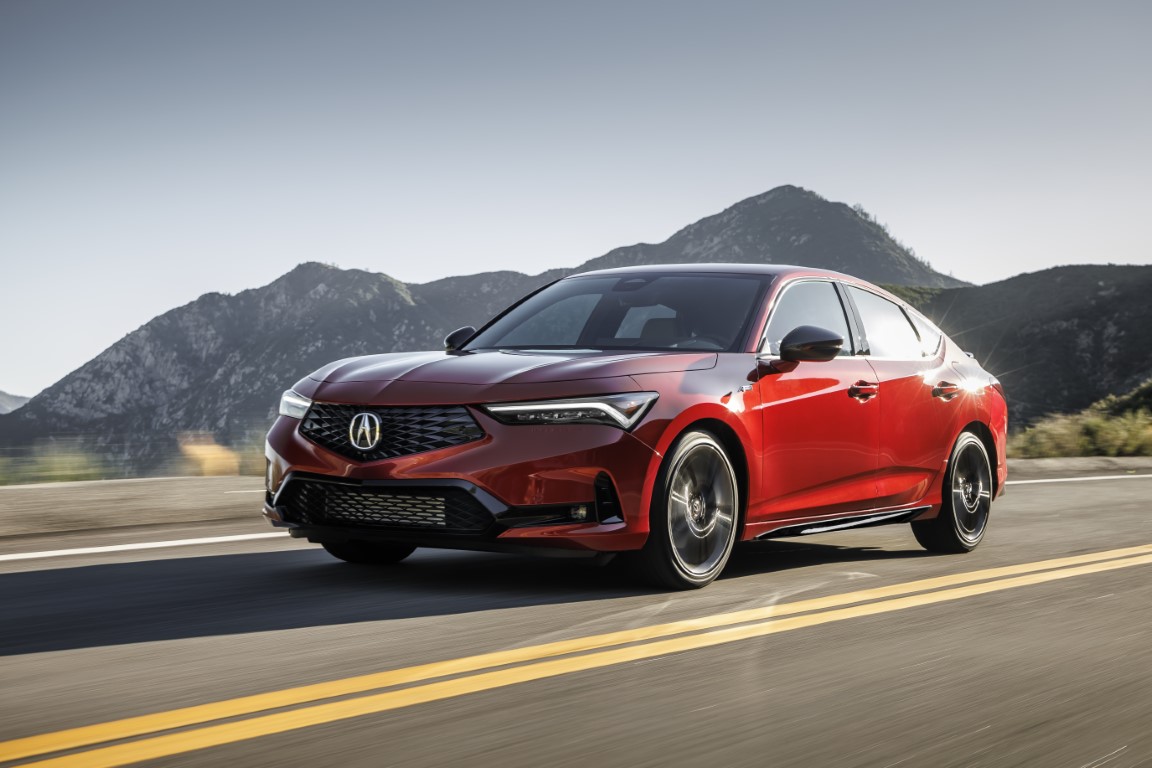
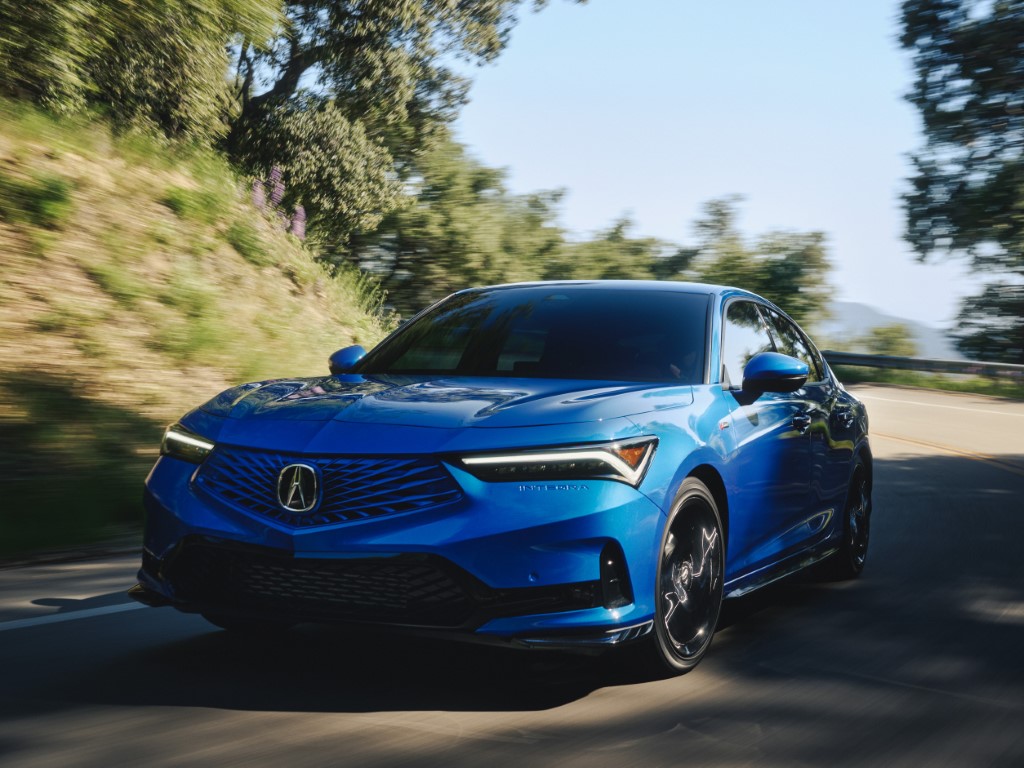
After a 16-year absence from American dealerships, Acura revived the Integra name for the 2023 model year. The new model was designed specifically to fill the "gateway" role for the brand, replacing the ILX sedan. Most importantly, the new Integra abandoned the traditional sedan format in favor of a 5-door liftback, reclaiming the practical versatility that defined the original 1986 generation.
Based on the 11th-generation Honda Civic platform, the new Integra was extensively modified to offer a more sophisticated and quieter driving experience, while also boasting a unique exterior design with the frameless "Diamond Pentagon" grille and "Chicane" daytime running lights.
Turbo Powertrain and the Exclusivity of the Manual Transmission
The 2023 Integra marked the first time the model was equipped with a factory-installed turbocharged engine. The 1.5-liter VTEC Turbo (L15CA) produces 200 hp, delivering a much more robust torque output at low rpm compared to the naturally aspirated engines of previous generations.
| 1.5L Turbo Engine Specification | Technical Details |
|---|---|
| Maximum Power | 200 hp @ 6000 rpm |
| Maximum Torque | 192 lb-ft @ 1800-5000 rpm |
| Compression Ratio | 10.3:1 |
| Standard Transmission | CVT with simulated gear shifts and paddle shifters |
| Available Transmission | 6-speed manual with Rev-Match |
| Differential (Manual) | Helical Limited-Slip Differential (LSD) |
Trim Variants and Technology
The new Integra is offered in three main packages: the base model, the A-Spec, and the A-Spec with Technology Package. The technology package is particularly notable for adding adaptive dampers (ADS), which allow the driver to alter the suspension firmness through the Integrated Dynamics System (IDS), offering Comfort, Normal, Sport, and a customizable Individual mode.
| Technology Feature | Description |
|---|---|
| Digital Instrument Cluster | 10.2-inch "Acura Precision Cockpit" |
| Audio System | ELS Studio 3D with 16 speakers (optional) |
| Connectivity | Wireless Apple CarPlay and Android Auto (Technology) |
| Head-Up Display | 5.3-inch projected onto the windshield |
The Powerful Integra Type S (2024)
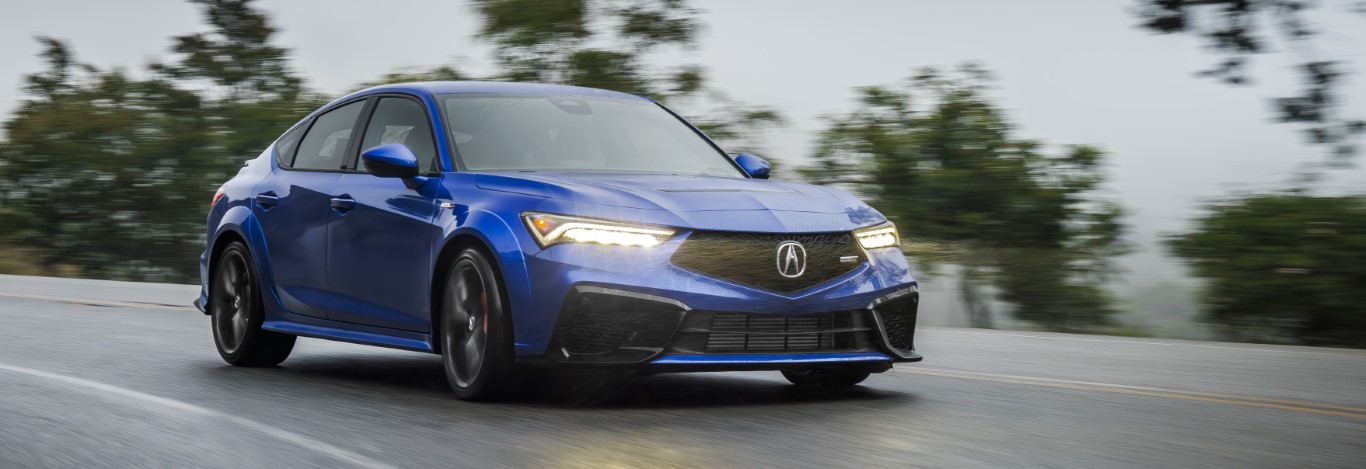
In 2024, Acura expanded the lineup with the Integra Type S, the most powerful and capable Integra of all time. Equipped with a 2.0-liter turbocharged engine derived from the Civic Type R, the Type S delivers 320 hp and 310 lb-ft of torque, coupled exclusively to a 6-speed manual transmission.
The Type S is not just more powerful; it features a significantly wider body to accommodate 265mm high-performance tires and a Dual-Axis Strut front suspension to combat torque steer.
| Type S vs Standard Dimensions | Standard Integra | Integra Type S |
|---|---|---|
| Length | 185.8 in | 186.0 in |
| Width | 72.0 in | 74.8 in |
| Height | 55.5 in | 55.4 in |
| Front Track | 60.5 in | 64.0 in |
| Curb Weight | 3073-3150 lb | 3219 lb |
Life Cycle Evolutions: The 2025–2026 Facelifts and Updates
Unlike past generations, where facelifts were marked by drastic changes to bumpers and headlights, the updates to the fifth-generation Integra have been focused on technological refinement and the standardization of convenience features.
Changes for 2025 and 2026
For the 2025 model year, the Integra remained virtually unchanged in terms of design and mechanics. However, for 2026, Acura announced a significant update to the technology packages across all models in the lineup.
- Standardization of the 9-Inch Screen: The 9-inch touchscreen, previously available only in the technology package, is now standard on all 2026 Integra models.
- Wireless Technology: Wireless smartphone charging and wireless Apple CarPlay and Android Auto integration are now standard features across the entire range, eliminating the need for cables in entry-level versions.
- Faster Processing: The infotainment system received a new processor that reduces response time and improves menu fluidity.
- Interior Aesthetics: New trim panels with textured patterns on the dashboard and expanded ambient lighting for the A-Spec variant.
These changes indicate that Acura is focused on keeping the Integra competitive as a luxury entry vehicle, ensuring that even base-model buyers receive a high-level technology experience.
Production, Sales, and Market Impact Analysis
The Integra has always been one of Acura's best-selling models, frequently leading its segment in terms of retail market share. An analysis of sales figures over the years reveals the resilience of the name and the strength of the 5-door/sedan model as the primary entry point for new customers to the brand.
Historical and Modern Sales Data (USA)
The data collected shows the Integra's performance across different economic and competitive eras.
| Era / Year | Units Sold in USA (Approx.) | Market Context |
|---|---|---|
| 1986 | 27,807 | Acura brand launch |
| 1990 | 83,559 | Peak of the 2nd Generation |
| 1994-2001 (Total) | 260,000 | Full 3rd Generation cycle |
| 2024 | 24,000+ | 5th Generation leading the segment |
In 2024, despite facing inventory challenges due to factory restructuring for EV production in Ohio, the Integra maintained a significant lead in its segment, capturing more than 41% of retail market share. The success of the new generation is attributed to its versatility as a liftback and to being the only car in its category to offer a manual transmission, attracting both younger audiences and traditional enthusiasts.
Regional Performance and Model Mix
Recent 2025 sales reports indicate that the combination of Acura's "gateway" models (the Integra and the new ADX crossover) has been attracting a new demographic of younger buyers. In August 2025, monthly Integra sales totaled 1,745 units, reflecting a normalization following the initial launch impact. The sales mix continues to favor A-Spec versions, which offer the desired sporty look without necessarily requiring the extra investment of the Type S model.
Chassis Engineering and Safety Evolution
The Integra's transition across the decades also reflects the advancement in safety standards and materials engineering. The original 1986 model was light and agile, weighing less than 1,100 kg, but lacked many of the modern safety systems that are considered essential today.
From the Torsion Bar Chassis to the High-Rigidity Chassis
The evolution of structural rigidity was one of Acura's greatest areas of focus. In the third generation (1997), for example, the Type R's chassis was reinforced with manual seam welds and thicker metal at strategic suspension mounting points to handle lateral loads on the track.
For the fifth generation, Acura used a significantly greater amount of structural adhesives and high-strength steel to create a platform that not only offers excellent crash safety, but also serves as a stable foundation for the adaptive dampers.
Active Safety: The AcuraWatch System
Since 2023, all 5-door Integras have come equipped with AcuraWatch, which uses a camera and radar sensors to monitor the environment around the vehicle.
- Automatic Emergency Braking: Can detect vehicles, pedestrians, and cyclists to prevent frontal collisions.
- Road Departure Mitigation: Monitors lane markings and can intervene in steering if the car begins to drift unintentionally.
- Blind Spot Monitoring and Rear Cross Traffic Alert: Standard on nearly all versions, assisting with lane changes and reversing maneuvers.
This evolution transformed the Integra from a niche enthusiast's car into a complete premium vehicle, capable of offering 5-star safety without compromising driving pleasure.
Conclusion: The Legacy of Practicality and Emotion
The 5-door Acura Integra is a testament to Japanese engineering's ability to adapt without losing its essence. Across five generations, the model has remained true to its promise of being a "driver's car" that also works in real life. The transition from the angular 1986 hatchback to the precise sedans of the 1990s and, finally, to the sophisticated turbocharged liftback of 2023 demonstrates a continuous evolution toward refinement.
Acura's decision to return to the 5-door format in the fifth generation was validated by the market, proving that there is a sustained demand for vehicles that offer the agility of a coupe with the utility of a hatchback. With the Integra Type S serving as the performance halo and the standard variants offering cutting-edge efficiency and technology, the model is well positioned to continue being the cornerstone of the Acura brand for many years to come.
The trajectory detailed in this report underscores that the Integra's success is not due solely to a powerful engine or an attractive design, but rather to the harmonious integration of chassis, powertrain, and ergonomics, always focused on the pleasure of whoever is behind the wheel, regardless of whether there are two or four doors for the passengers.