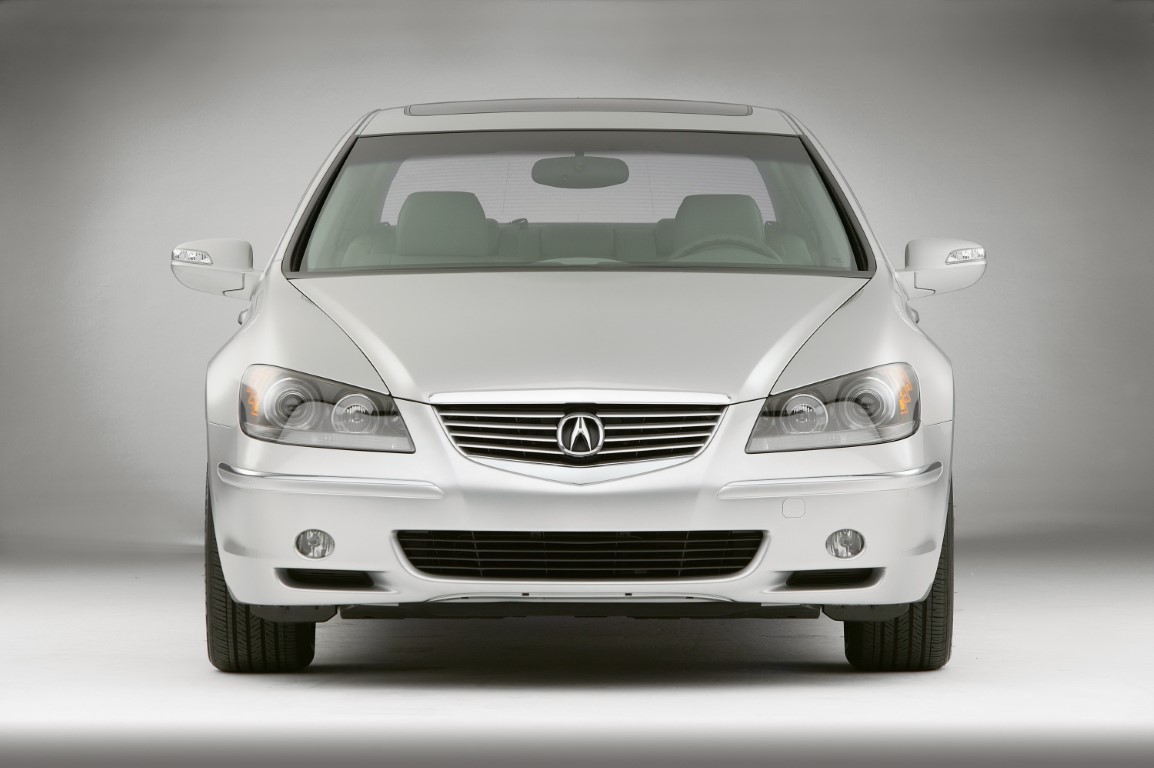
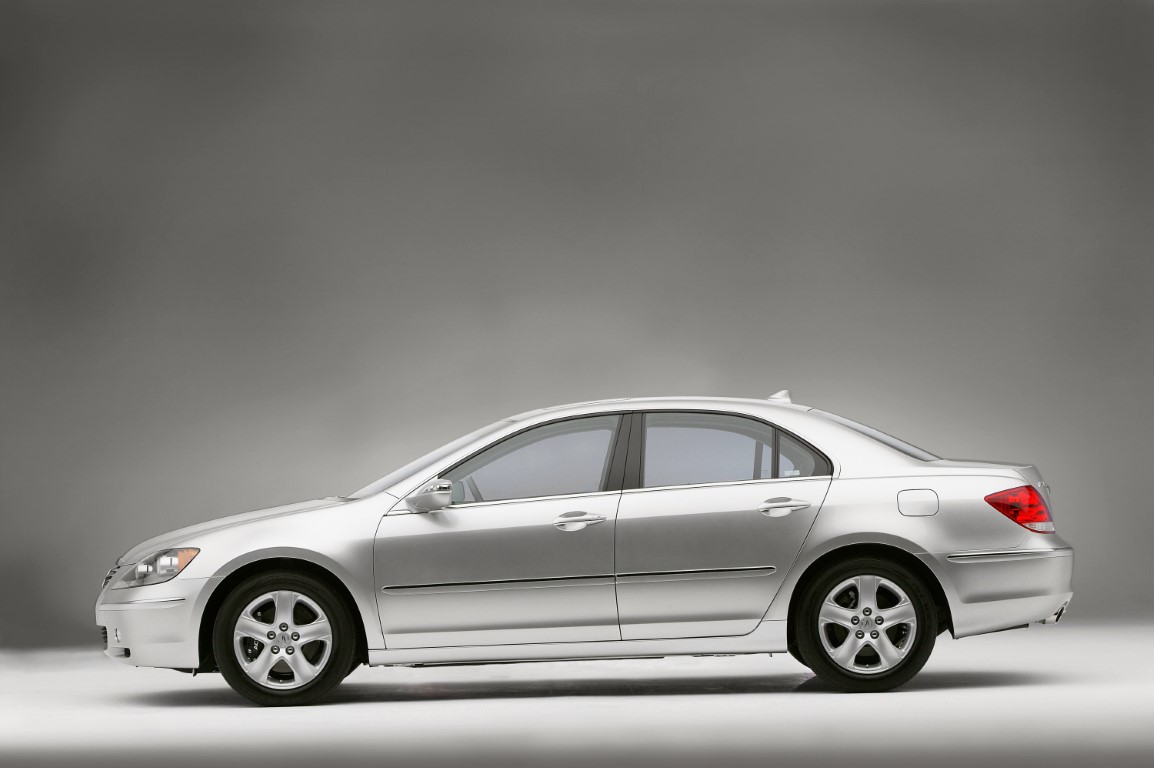
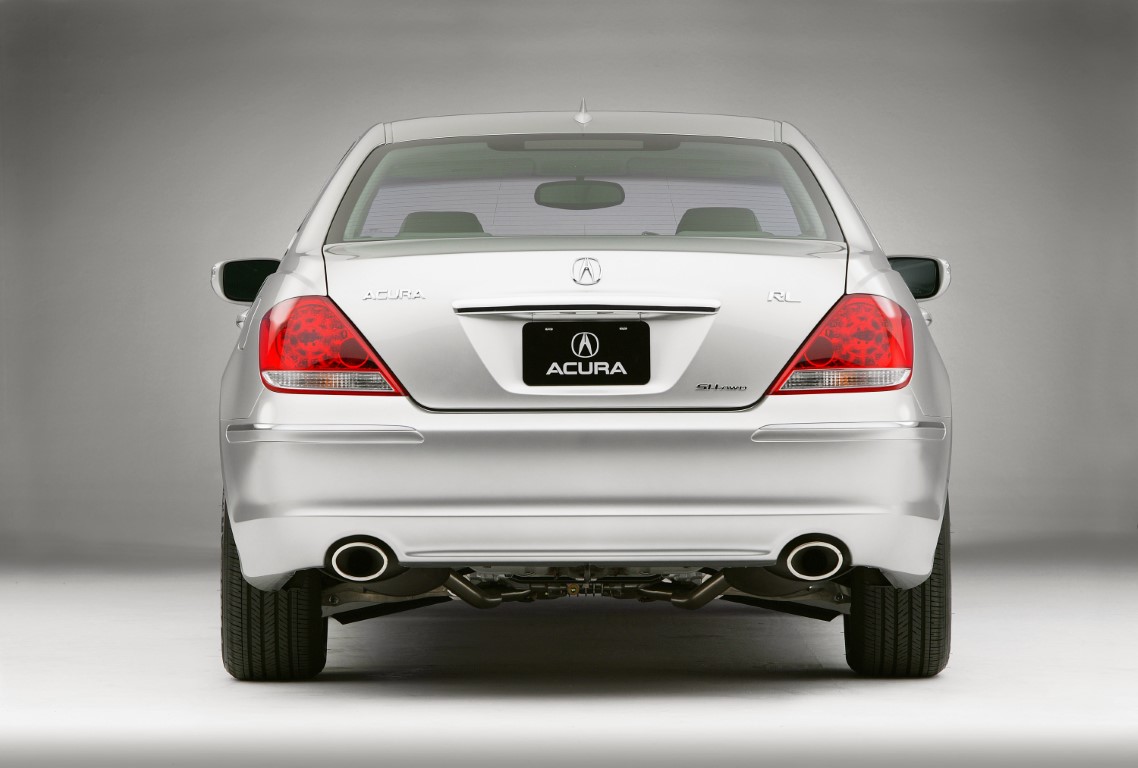
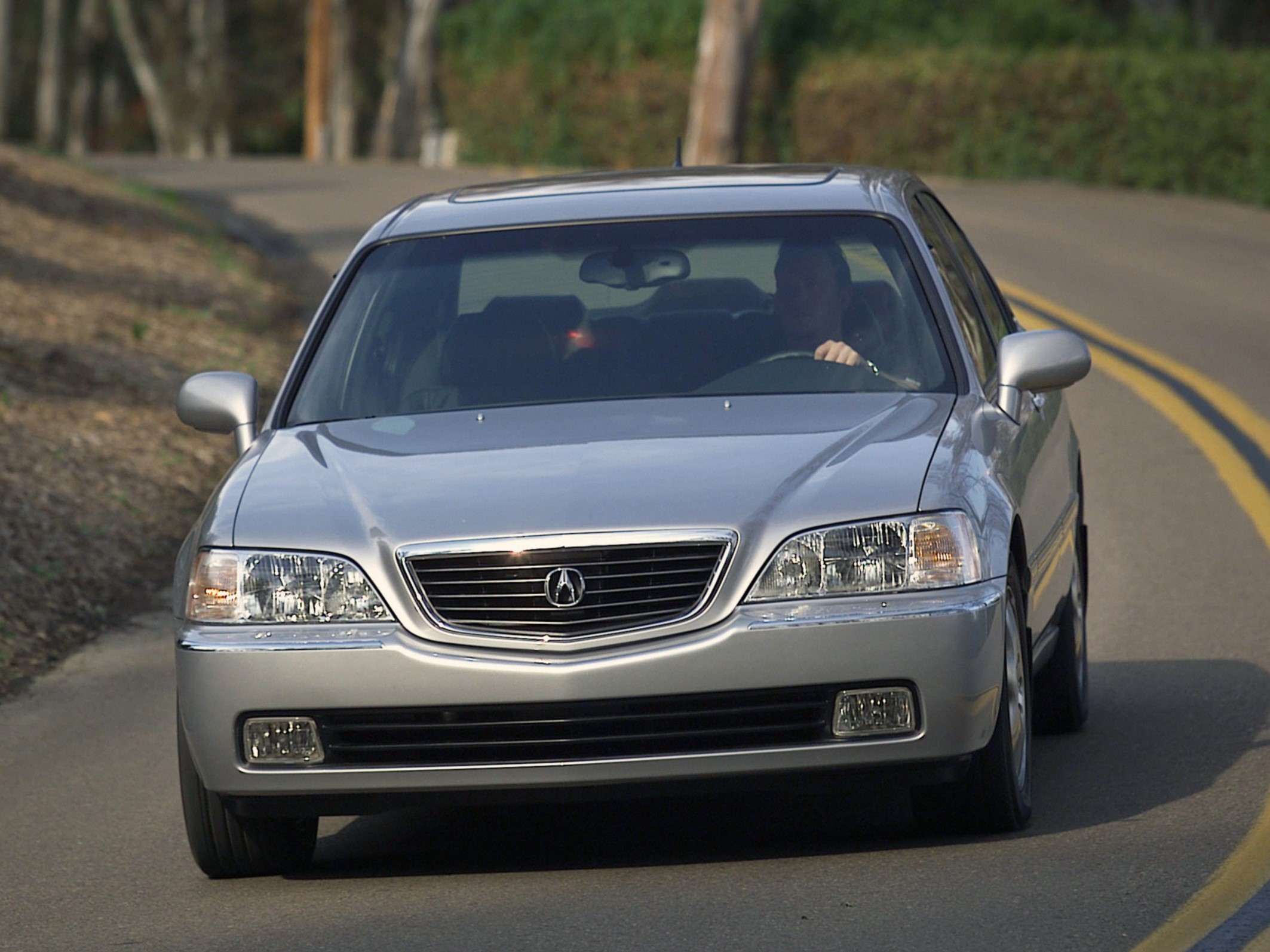
Launched in September 2004 as the 2005 model year (KB1 chassis), the second generation
featured a modern design created by Toshinobu Minami in 2002. The unibody structure was redesigned using
high-strength steel and aluminum. The mechanics changed drastically: the engine became transverse, and the
sedan adopted the innovative Super Handling All-Wheel Drive (SH-AWD) system, replacing the old front-wheel
drive.
The SH-AWD system could actively vary torque not only between the front and rear axles
(sending up to 70% to the rear), but also direct up to 100% of the rear axle's torque to a single outside
wheel in corners (torque vectoring) to maximize stability.
The engine was the new J35A8 3.5-liter V6 SOHC VTEC with 300 hp (later revised to 290 hp
under SAE norms) and 36 kgfm of torque, mated to a 5-speed automatic transmission with steering wheel
sequential paddle shifters. The front brakes used multi-piston aluminum calipers on 320 mm ventilated rotors
and 310 mm ventilated rears. The original 17-inch wheels were fitted with 245/50R17 tires.
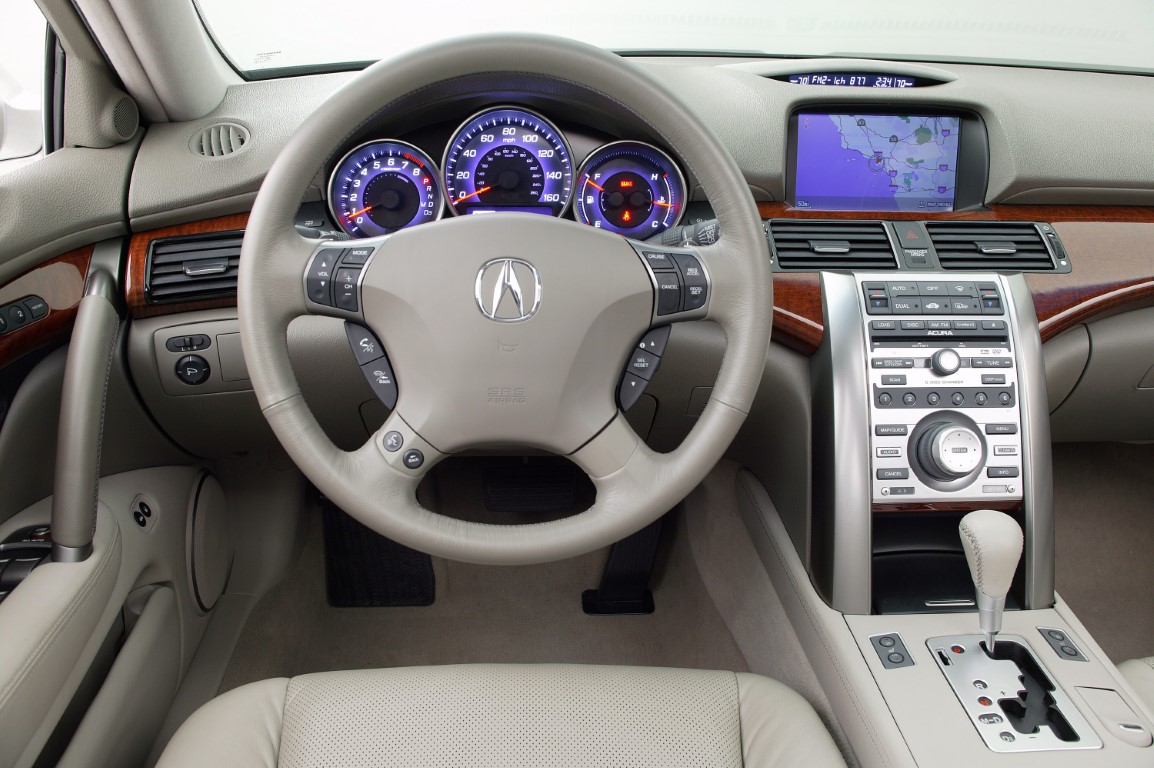
As a luxury technology highlight, the 10-speaker Bose 5.1 DVD-Audio system with Active
Noise Cancellation (ANC) stood out, using two microphones in the cabin to emit inverted sound signals,
reducing engine and exhaust noise. There was an option for the A-Spec Performance sports package and,
temporarily, the Michelin PAX tire system with run-flat technology.
The Mid-Cycle Facelift (2009)
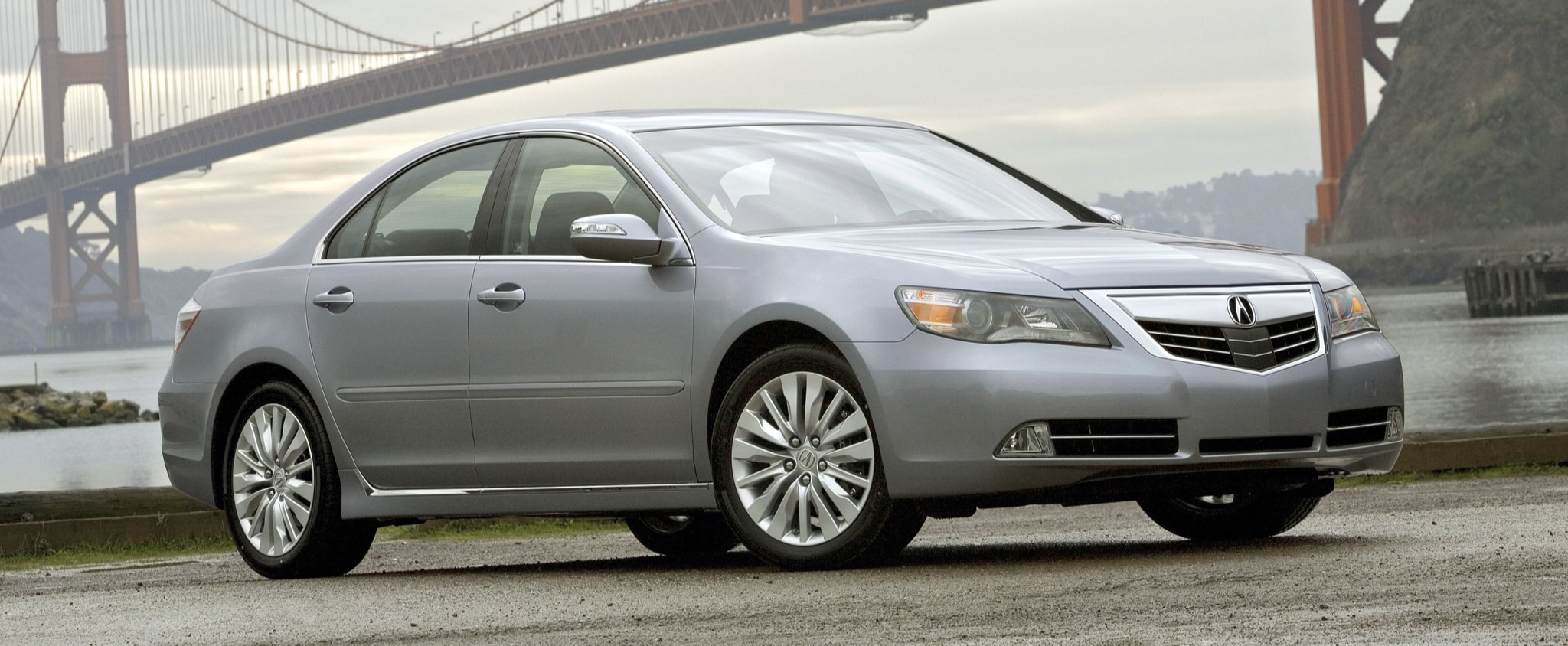
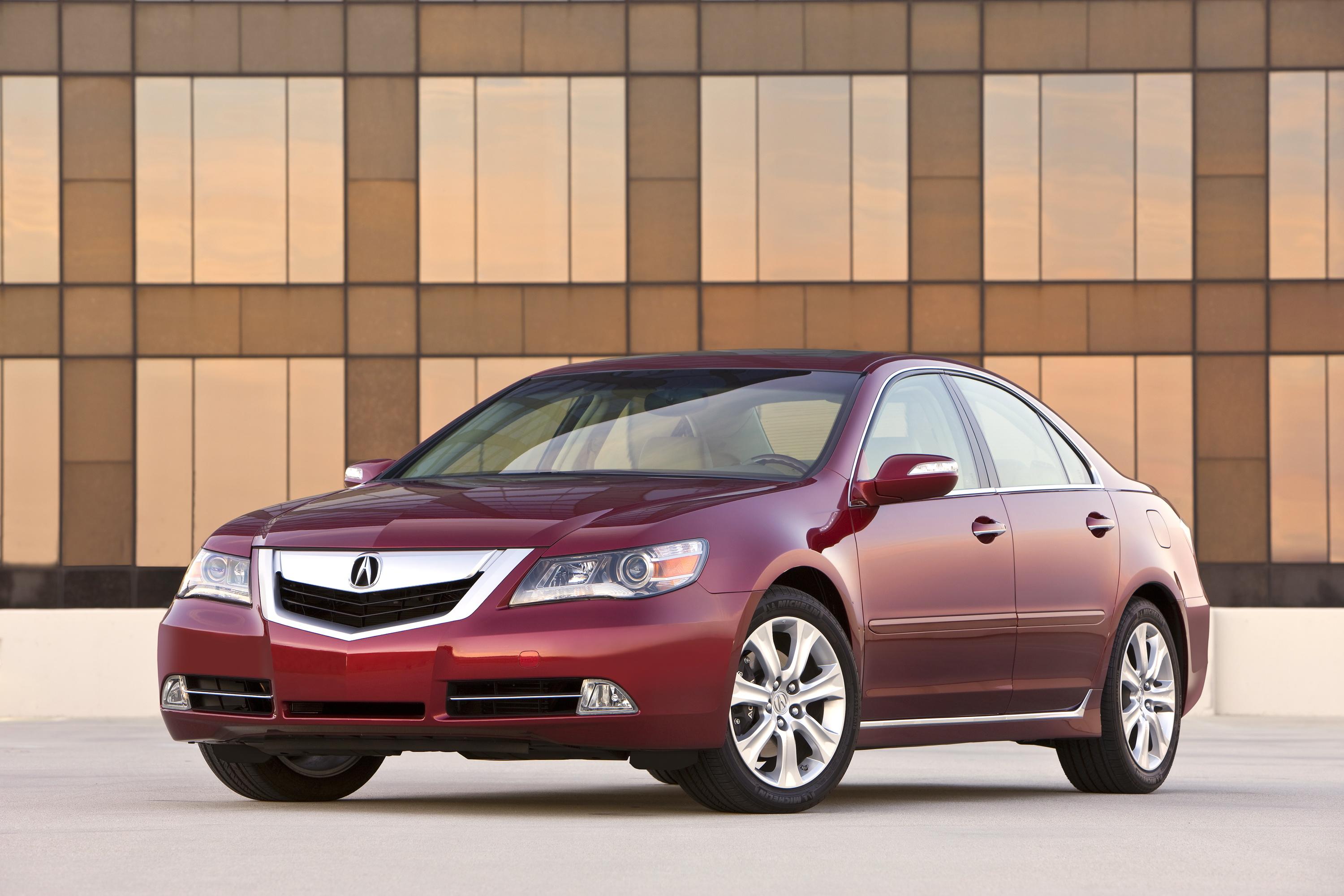
Introduced in early 2008 as the 2009 model (KB2 chassis), the facelift represented the
most profound mid-cycle change in Acura's history. The exterior styling adopted the new shield-shaped grille
("power plenum"), a modified aluminum hood, new bumpers, fenders, and LED taillights. The standard wheels
became 18 inches with 245/45R18 tires.
The suspension was updated with stiffer springs, larger diameter sway bars, and stiffened
suspension bushings. The engine was enlarged to 3.7 liters (code J37A2) with 300 hp and 37.4 kgfm of torque.
This engine pioneered, for a Honda SOHC V6, VTEC technology for both intake and exhaust valves. The cabin
gained the Active Sound Control (ASC) system and the optional advanced safety package with autonomous
emergency braking (CMBS) and adaptive cruise control.
The Final Update (2011–2012)
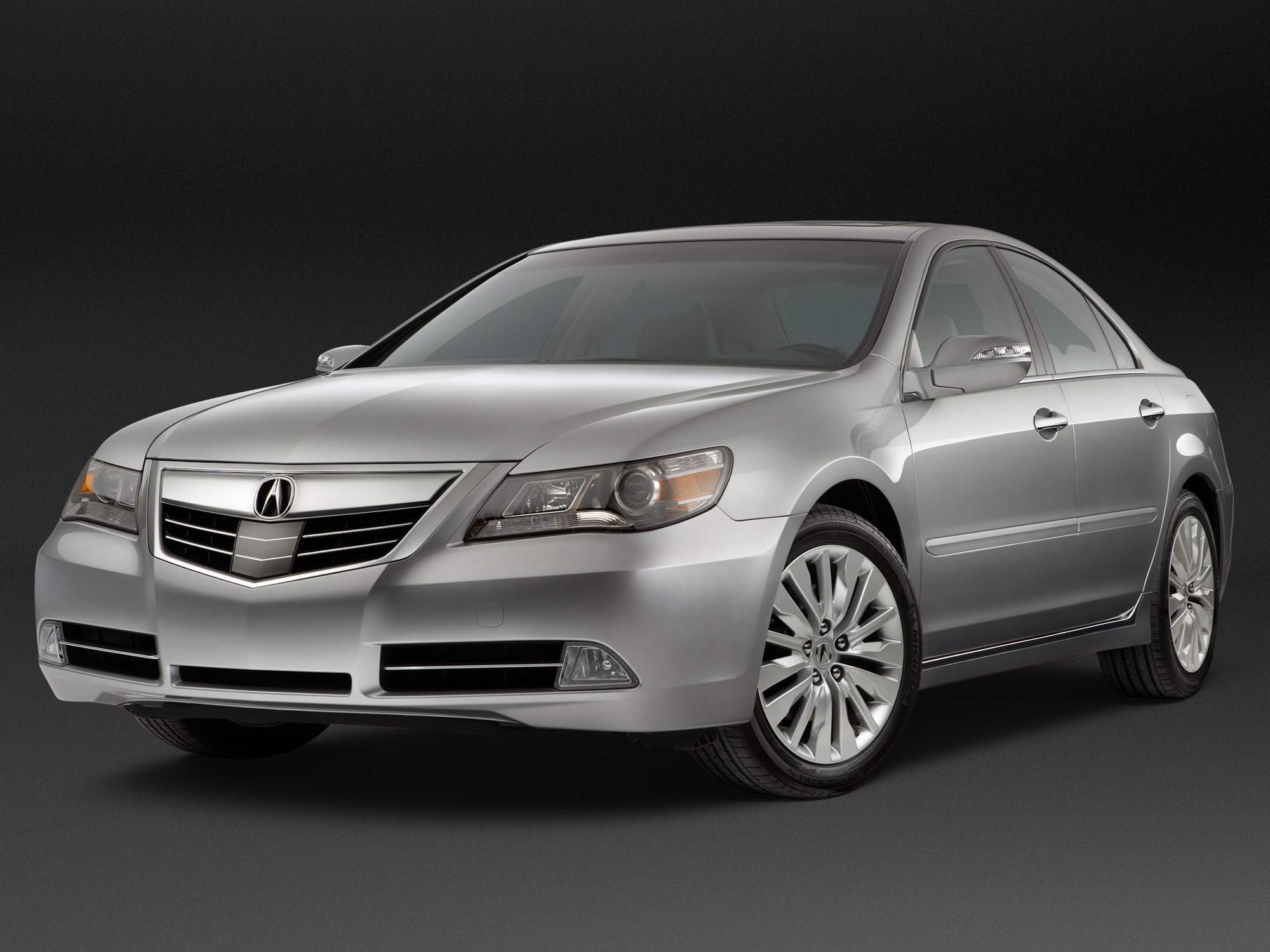
For 2011, the Acura RL received a new 6-speed automatic transmission, eliminating the
criticized 5-speed gearbox. This improved highway fuel economy and agility in 0 to 100 km/h acceleration.
The front grille was slightly toned down.
A major innovation in terms of acoustic comfort was the introduction of 18-inch wheels
equipped with integrated Helmholtz resonators (a world first for a production passenger car). These noise
reduction devices lowered internal cabin noise caused by tire resonance by up to 15%. Power-folding mirrors
and new rear parking sensors were added. The model remained identical in 2012 before being retired to make
way for the Acura RLX.