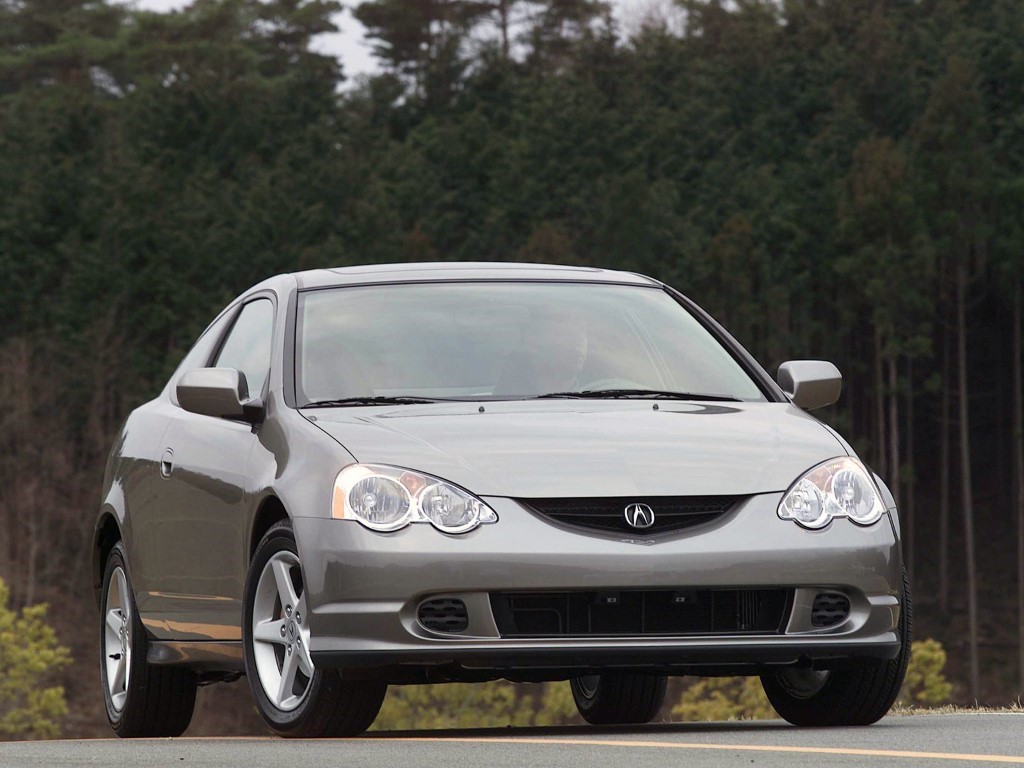
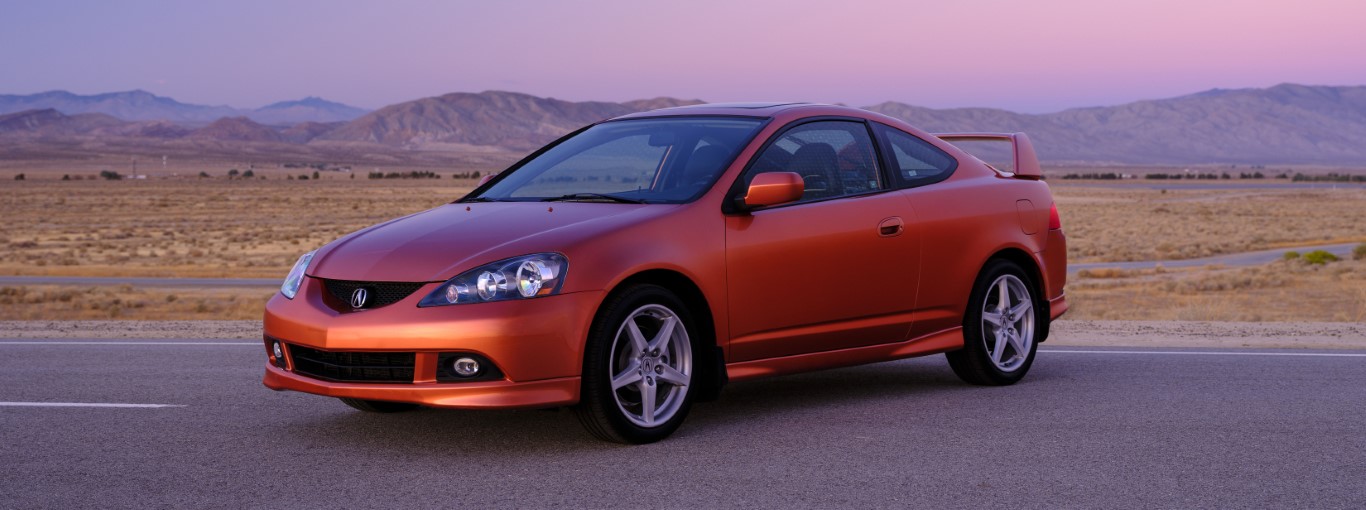
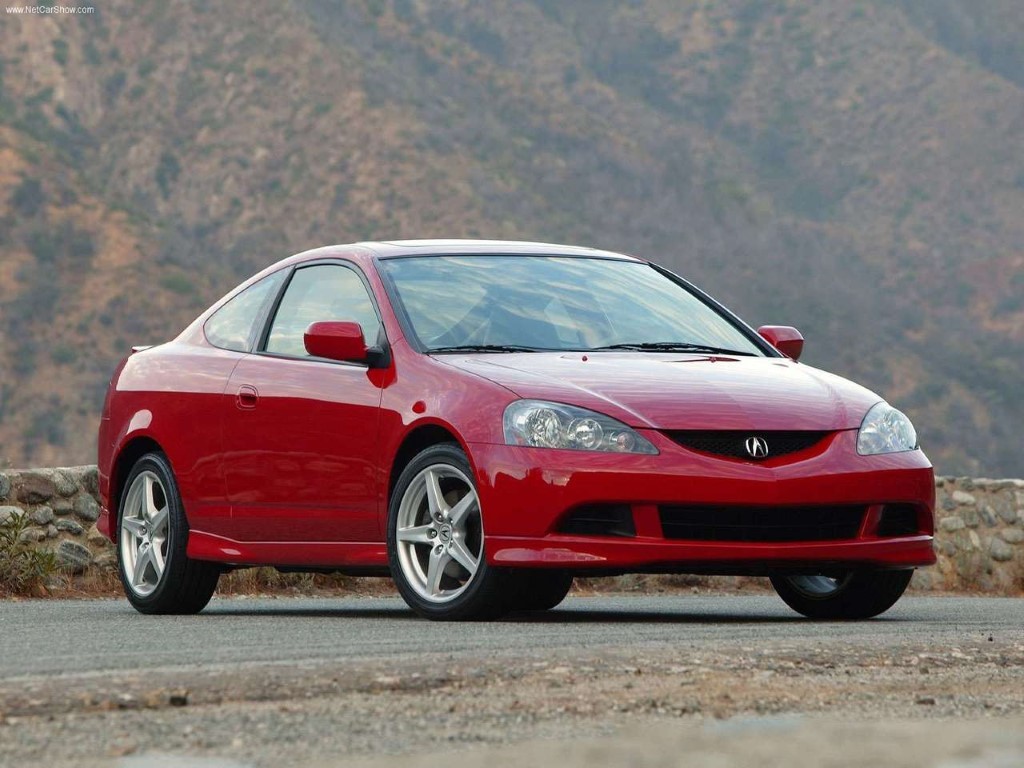
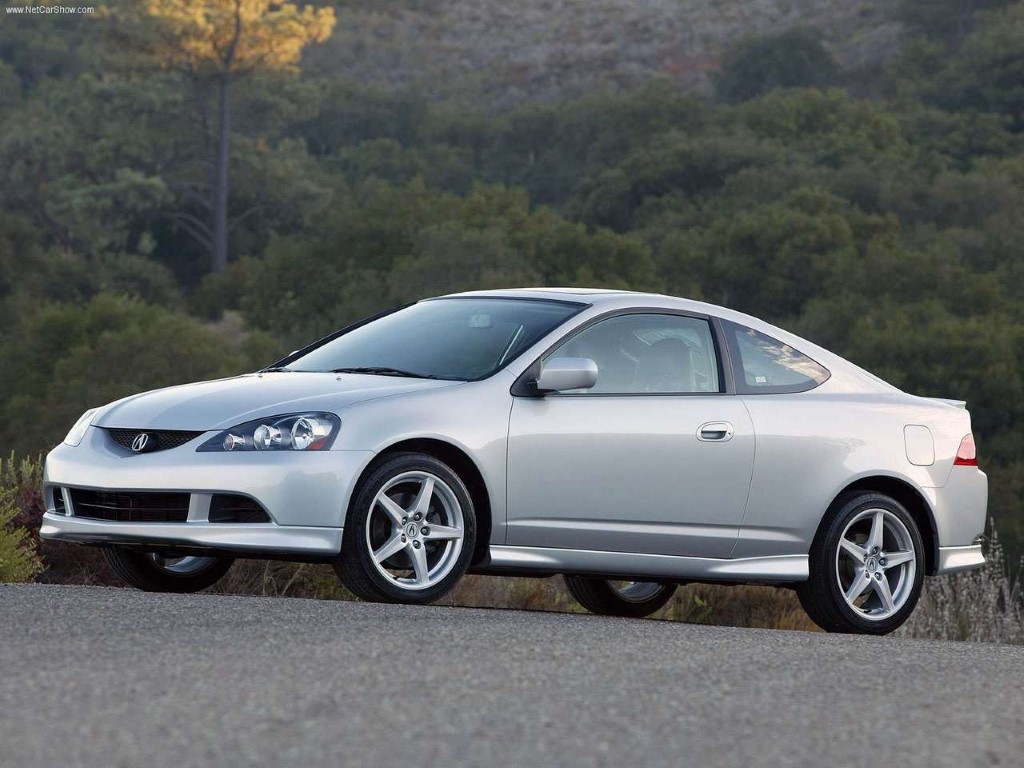
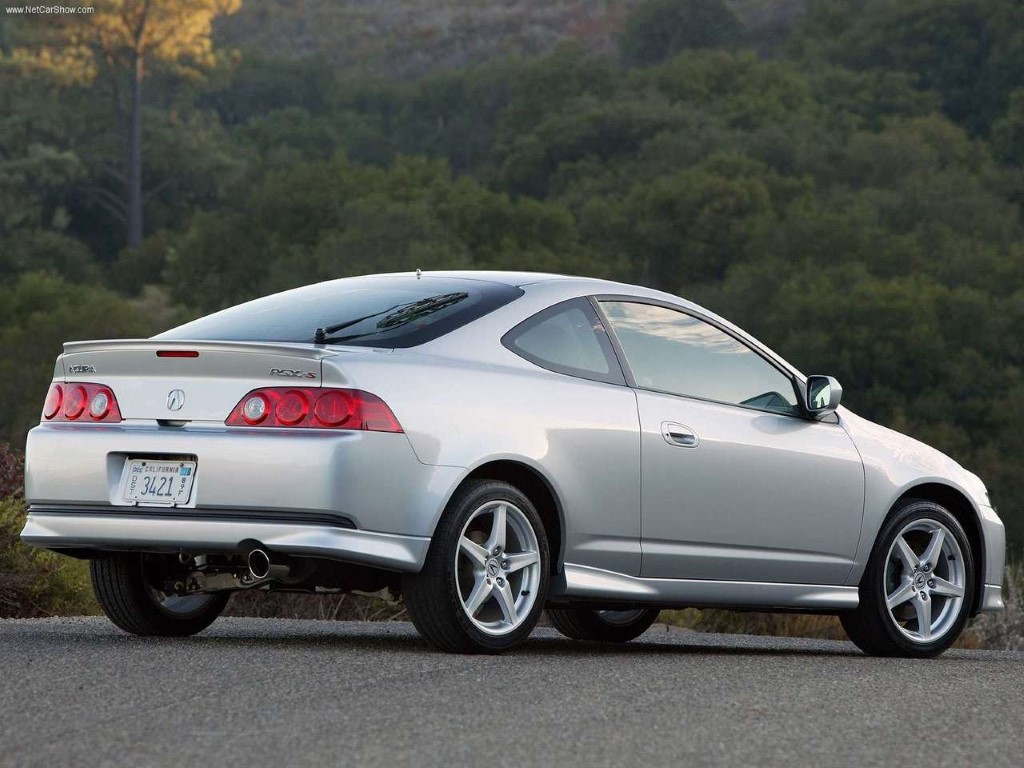
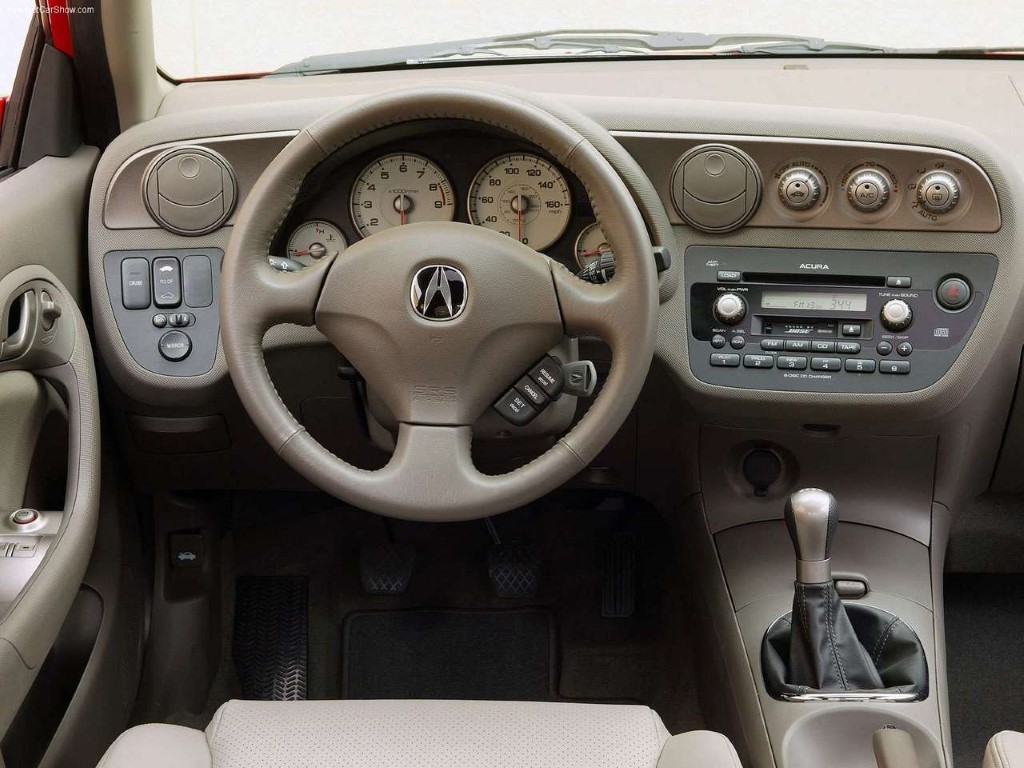
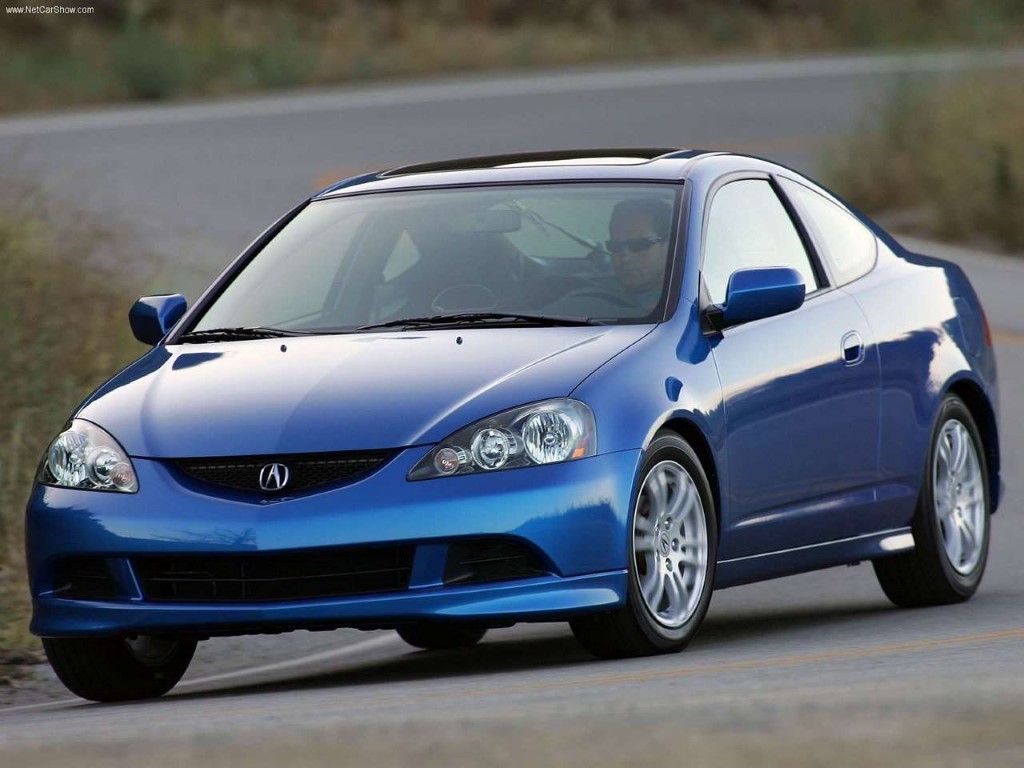
The Acura RSX served as the debut vehicle in North America for Honda's "K" series of engines, a
family of engines that would redefine 4-cylinder tuning and performance for the next two decades. The main
innovation was the i-VTEC (intelligent Variable Valve Timing and Lift Electronic Control) technology, which
combined traditional VTEC (changing the camshaft profile) with VTC (Variable Timing Control).
K20A3: Efficiency and Torque (Base and Premium Models)
The K20A3 engine powered the RSX Base (USA/Canada) and RSX Premium (Canada) models. Although it
shared the same basic aluminum block architecture and 2.0-liter displacement as the Type-S, its internal
operation was fundamentally different.
Specifications:
- Power: 160 HP @ 6,500 rpm.
- Torque: 141 lb-ft @ 4,000 rpm.
- Compression Ratio: 9.8:1.
- Redline: 6,800 rpm.
VTEC Mechanism: In the K20A3, VTEC operates only on the intake valves. At low rpms,
one of the two intake valves in each cylinder opens only minimally, creating a swirl effect that improves
the air-fuel mixture and efficiency. From 2,200 rpm, the mechanism locks the rocker arms, forcing both
intake valves to follow the same standard cam profile. There is no aggressive "second high-performance cam"
like in the Type-S; the focus here is on torque spread and economy.
Construction: It uses a variable-length plastic (polymer) intake manifold to
optimize airflow across different engine speeds, prioritizing mid-range response.
K20A2: Pure Performance (Type-S 2002-2004)
This engine represented the true spiritual successor to the B18C of the Integra Type-R, albeit more
civilized.
Specifications:
- Power: 200 HP @ 7,400 rpm.
- Torque: 142 lb-ft @ 6,000 rpm.
- Compression Ratio: 11.0:1.
- Redline: 7,900 rpm (Rev limiter at ~8,100 rpm).
VTEC Mechanism: The "true" performance VTEC. The system acts on both the intake and
exhaust valves. The engine has three cam lobes per pair of valves. Below ~5,800 rpm, the valves follow mild
lobes. Upon reaching the VTEC crossover point, oil pressure locks the rocker arms to the central (largest)
lobe, drastically increasing valve lift and duration. This allows for the massive airflow necessary to
generate 100 horsepower per liter.
Components: High-strength forged crankshaft, oil jets for piston cooling, reinforced
connecting rods, and a cast aluminum intake manifold (PRB) designed for high flow at high engine speeds.
K20Z1: The Final Evolution (Type-S 2005-2006)
With the 2005 facelift, Acura sought to extract the maximum potential from the naturally aspirated
2.0L engine to remain competitive.
Specifications:
- Power: 210 HP @ 7,800 rpm (Previous SAE standard) / 201 HP @ 7,800 rpm (Revised SAE J1349
standard 08/04).
- Torque: 143 lb-ft @ 7,000 rpm.
- Redline: 8,100 rpm (Rev limiter at ~8,300 rpm).
Technical Improvements: The K20Z1 inherited the camshafts (cams) from the Honda
Integra Type-R (Japanese DC5), which featured even more aggressive profiles. Additionally, the exhaust
system was resized with a higher-flowing catalytic converter, and the air intake duct was optimized.
Note on Power (201 vs 210 HP): In 2006, the SAE (Society of Automotive Engineers)
revised its net horsepower testing procedures. Under the new protocol, the K20Z1 engine was rated at 201 HP.
This caused confusion, as it seemed like a reduction compared to the 210 HP advertised in 2005. In reality,
the 2006 engine is mechanically identical to the 2005 one and, in practice, is more powerful than the 200 HP
K20A2 (2002-2004). The "decline" in the numbers was purely bureaucratic.