The Vacuum in Acura's Portfolio
In the early 2000s, Acura faced a dilemma regarding identity and product positioning in North America. The
brand had built its reputation in the 90s with the legendary Acura Integra, a model that offered sedan and
coupe variants, serving as the entry point to the brand. However, with the transition from the Integra to
the RSX in 2002, Acura made the strategic decision to offer the RSX exclusively as a two-door coupe. This
created a significant vacuum in the product lineup: there was no compact, sporty sedan to compete with the
growing popularity of the BMW 3 Series (E46 generation) and the Audi A4 (B6 generation), which dominated the
"Yuppie" (young urban professionals) market.
The Acura TL sedan, although popular, was growing in size and price, moving into a higher segment. Acura
needed a vehicle that was smaller, more agile, and focused on pure driving dynamics, something that would
revive the spirit of the Integra Sedan, but with a superior level of refinement (NVH - Noise, Vibration, and
Harshness), suitable for maturing buyers.
The "Global Accord" Strategy
Honda's solution to this problem was a brilliant exercise in global platform leveraging. At the time, Honda
produced two distinct lines of vehicles under the "Accord" name:
- North American Accord: A large sedan, focused on comfort, rear space, and soft
suspension, designed for wide American highways and the tastes of the average US consumer.
- Japanese/European Accord (CL7/CL9 Series): A significantly narrower, shorter, and
sportier vehicle. This car was designed for the winding roads of Europe and the narrow streets of Japan,
competing directly with compact executive sedans.
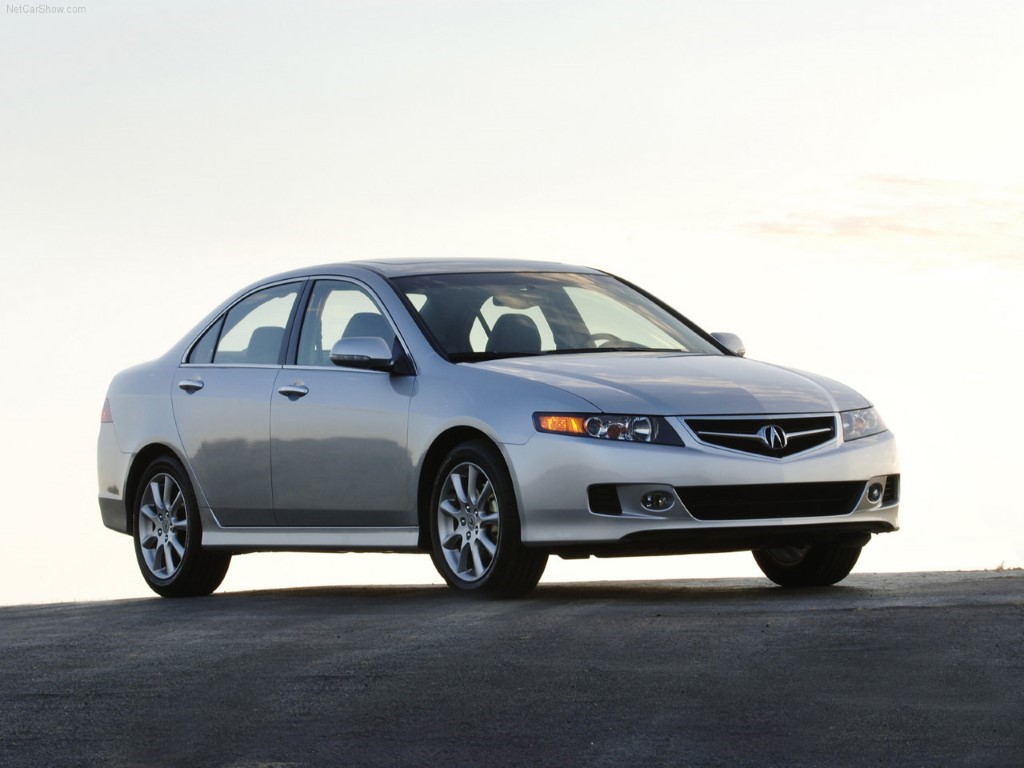
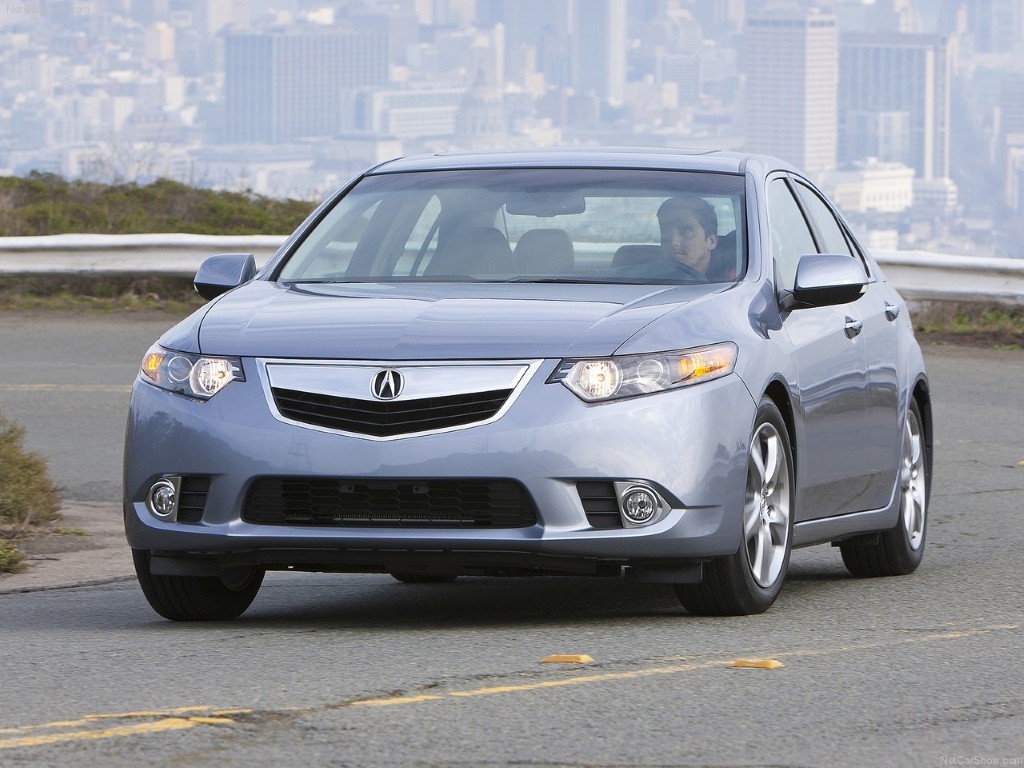
Acura decided to import the Japanese/European version of the Accord to North America, rebranding it as the
Acura TSX (Touring Sport eXperimental). The model would be positioned as a premium sports sedan, filling the
gap left by the Integra Sedan and serving as the new entry point for the brand's sedan lineup.
This strategic decision was fundamental. Unlike the American Accord, which utilized simplified suspensions in
some versions and prioritized isolation, the TSX inherited the sophisticated double wishbone front
suspension and multi-link rear suspension from the Japanese Accord Euro R, ensuring a superior dynamic
foundation from the start.