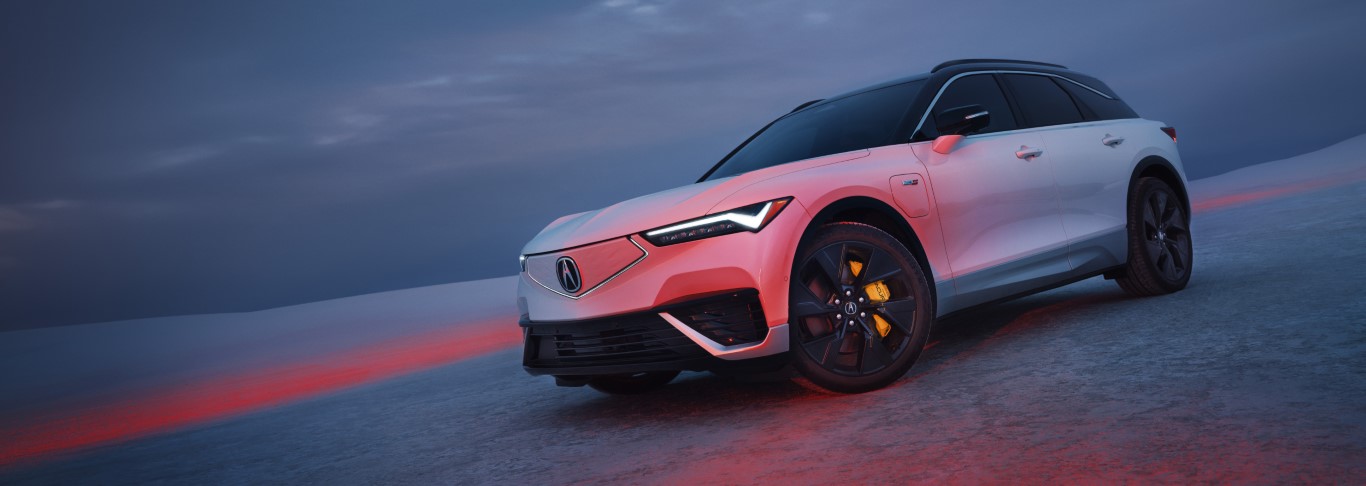
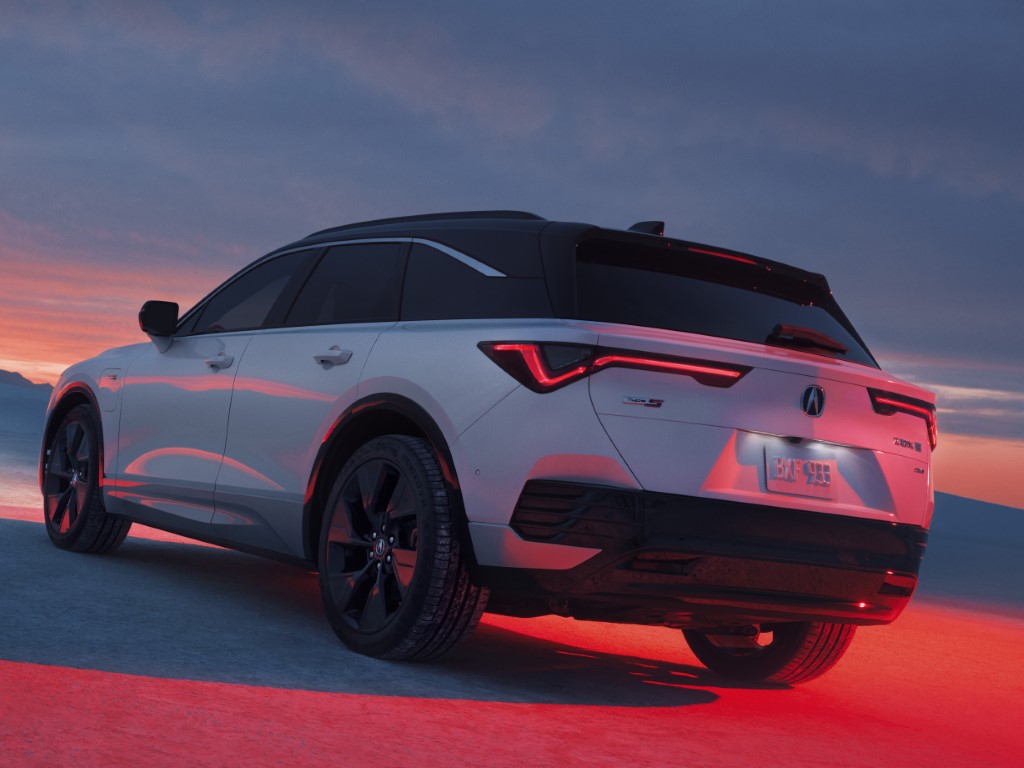
After a hiatus of more than a decade, Acura resurrected the ZDX name in 2024. This time, the vehicle
abandoned its
internal combustion powertrain and coupe crossover format to transform into a mid-to-large size, fully
electric SUV, inaugurating the brand's zero-emissions era in North America.
Strategic Partnership with General Motors and Project Leadership
The creation of the electric ZDX was made possible through technical and commercial cooperation between Honda
and
General Motors. The model utilized GM's BEV3 electric vehicle platform, commercially known
as Ultium, sharing several structural components, motors, and batteries with the Cadillac Lyriq. The ZDX
EV was produced at GM's factory in Spring Hill, Tennessee, which previously operated as a facility
for the Saturn brand.
The development team was led by engineers from both brands, with John Hwang serving
as the overall development project leader, Hajime Igami managing dynamic performance, and Joe
Riggsby developing the structural design of the bodywork. Aesthetically, the project was coordinated
by Dave Marek, Acura's Executive Creative Director, who ensured the car carried the brand's new visual
identity
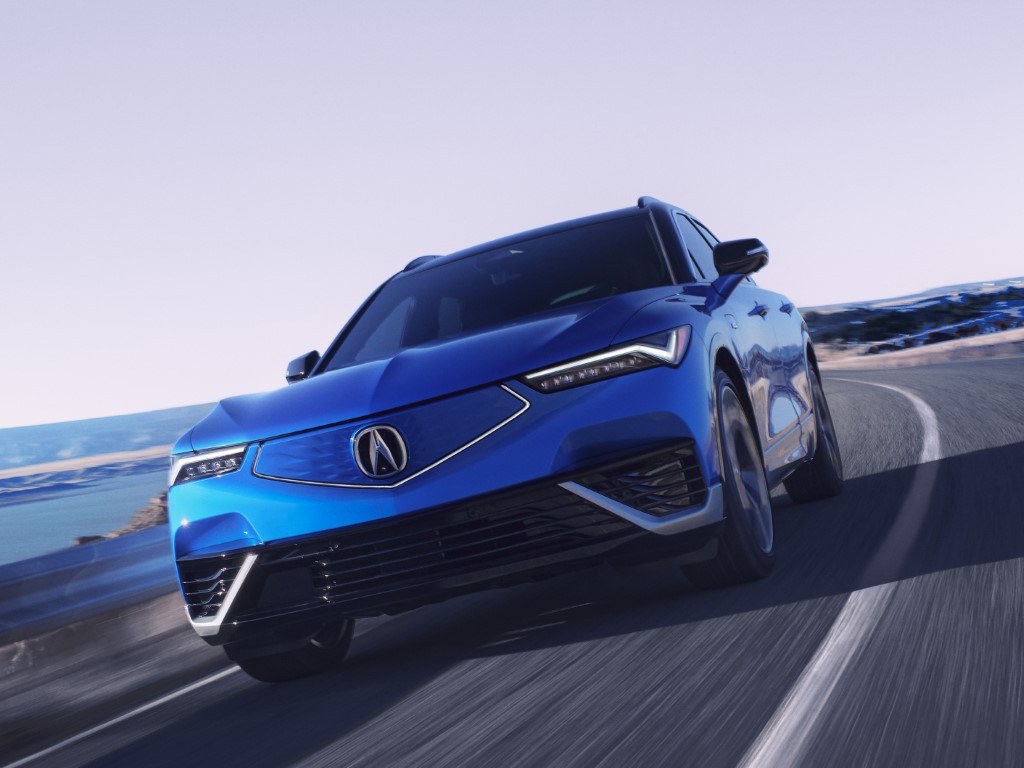
based on the Precision EV concept. The model featured an imposing front end that sported a
closed pentagon grille with three-dimensional patterns and an LED-illuminated border, accompanied
by Jewel Eye headlights and Chicane-style LED daytime running lights.
Technical Details of the Ultium Platform and Battery Architecture
The high-voltage battery used across all versions of the ZDX EV had a gross capacity of 102 kWh. This
pack contained lithium-ion cells in a large pouch format, individually measuring
roughly 23 by 4 by 0.4 inches and weighing 3.0 lbs each. The internal chemistry of the cells
was NCMA, combining Nickel, Cobalt, Manganese, and Aluminum to achieve a high energy density of
280 Wh/kg and greater thermal stability.
The pack's electrical architecture operated at a nominal voltage of 400 Volts and utilized an innovative
wireless
battery management system (wBMS), developed in partnership with Analog Devices. Eliminating 90%
of the pack's internal wiring reduced total weight and the physical volume structurally occupied by the
batteries,
facilitating liquid cooling tasks performed via plates circulating a glycol-based
additive.
Powertrains, Performance, and Driving Dynamics
The Acura ZDX EV was made available in three distinct powertrain configurations, offering choices of
rear-wheel drive or intelligent all-wheel drive.
A-Spec RWD (Rear-Wheel Drive)
The entry-level version utilized a single permanent-magnet synchronous electric motor mounted on the rear
axle,
developing 358 horsepower and 324 lb-ft (439 Nm) of torque. This version prioritized energy efficiency
and smoothness in daily traffic, delivering the longest driving range of the entire lineup, estimated at up
to
313 miles (504 km) on a single charge.
A-Spec AWD (All-Wheel Drive)
For consumers requiring all-wheel drive for use in cold-climate regions or better
stability during acceleration, Acura offered the ZDX A-Spec with twin electric motors (one on each axle).
This setup generated a combined output of 490 horsepower and 437 lb-ft (592 Nm) of torque, slightly
reducing the estimated range to 304 miles (489 km).
Type S AWD (High Performance)
The top-tier variant carried the high-performance Type S badge, featuring sports calibration for the
twin electric motors. The system delivered a combined output of 499 horsepower (commercially marketed
as 500 hp) and a massive 544 lb-ft (738 Nm) of torque, capable of launching the nearly three-ton utility
vehicle
from zero to 60 mph (96 km/h) in just 4.3 seconds. The EPA-certified range for this sports version
was 278 miles (447 km) due to the performance focus and the aerodynamic drag caused by
larger wheels and tires.
To optimize dynamic behavior, the Type S came equipped with an advanced adaptive air suspension
(with electronic ride-height adjustment), active high-performance dampers, and an over-sized
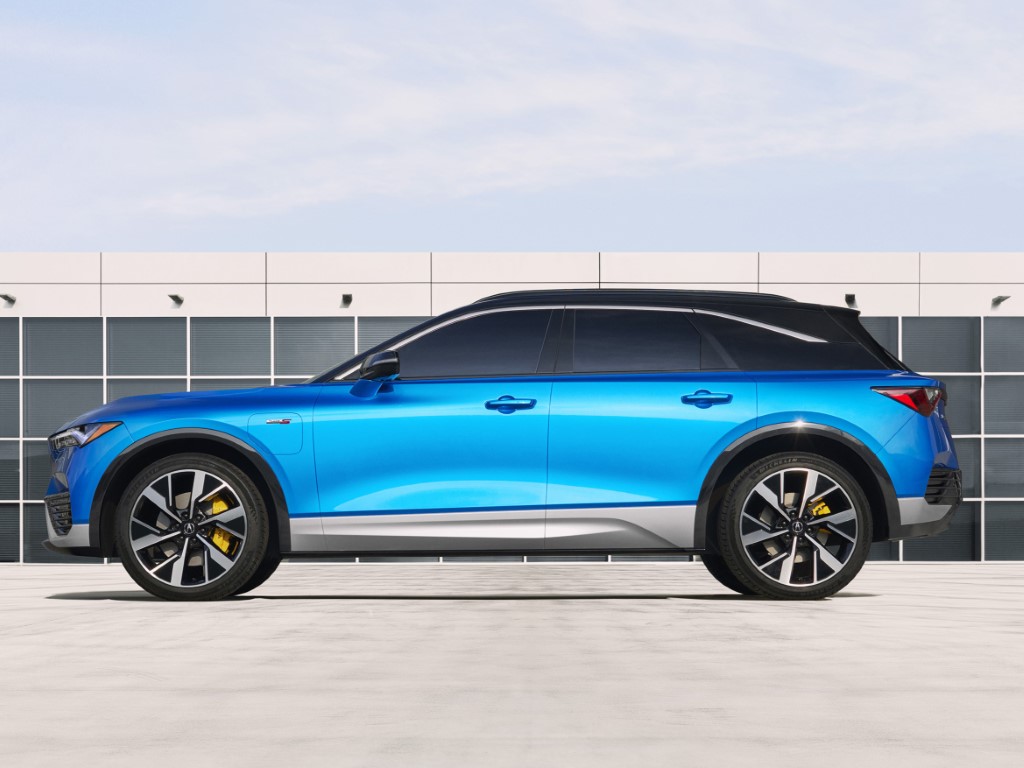
Brembo braking system consisting of 15.3-inch ventilated front discs clamped by six-piston
yellow-painted aluminum calipers. An optional package added 22-inch alloy wheels with high-performance
summer
tires for maximum lateral grip. The Double Apex Blue Pearl exterior paint was a launch exclusivity
reserved for the Type S range.
Towing and Recharging Capacity
All versions of the ZDX EV possessed a maximum towing capacity of 3,500 lbs (1,587 kg). Regarding
charging speed, the vehicle supported rates of up to 190 kW on DC fast chargers.
Under ideal temperature conditions, the A-Spec RWD model could regain up to 81 miles (130 km)
of range in just 10 minutes of charging, while the time required to recover from
20% to 80% of battery capacity was 42 minutes for all versions.
Equipment, Cabin Experience, and Active Safety
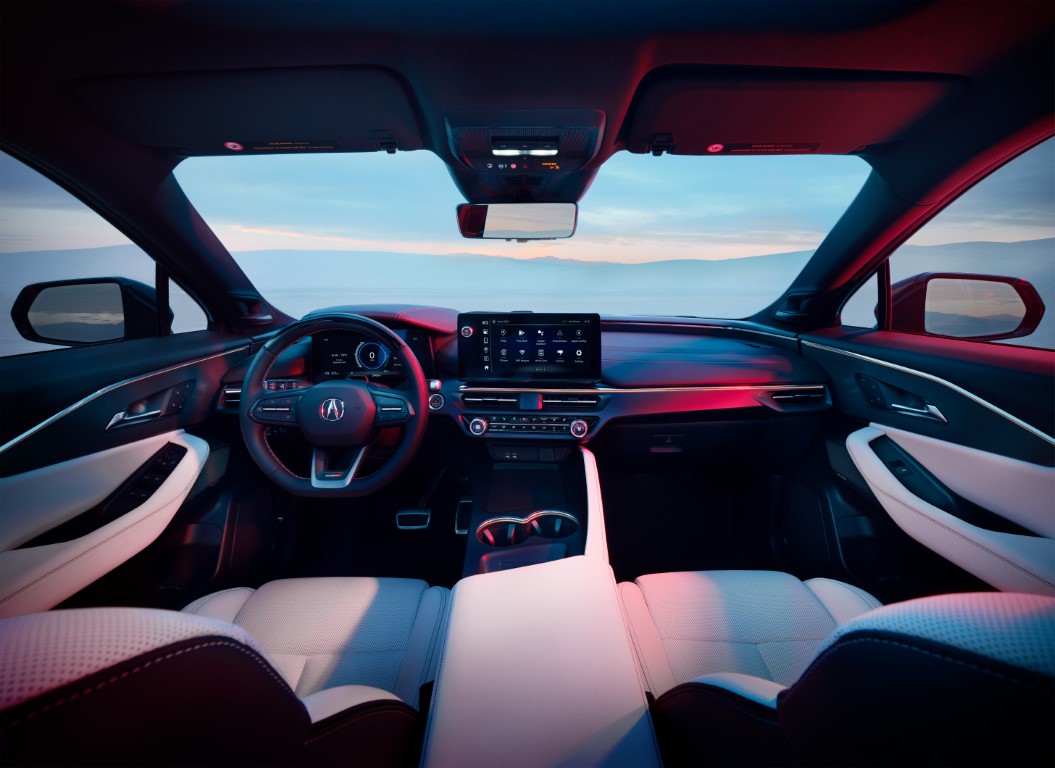
The second-generation ZDX cabin followed a more conventional family SUV layout, offering ample
interior space for five adults thanks to the flat floor typical of electric vehicles and a long
121.8-inch wheelbase.
Connectivity and Interior Features
The dashboard featured two high-definition displays: an 11-inch screen positioned in front of the
steering wheel for driver data and an 11.3-inch central infotainment display. The infotainment
system came built-in with the Google ecosystem, including Google Assistant and Google Play. The system
supported wireless Apple CarPlay and Android Auto, a high-speed wireless smartphone charger,
and a digital rearview mirror with rear camera projection. Seats were wrapped in perforated Milano leather,
featuring up to 16-way power adjustments for the driver in the Type S package.
AcuraWatch Safety Suite
Acura distributed the ZDX active safety features into two distinct tiers based on the chosen
trim level:
- AcuraWatch (Standard on A-Spec trims): Included forward collision warning with
autonomous
emergency braking, pedestrian detection, lane keeping assist, blind-spot monitoring with active steering
assist, rear cross-traffic alert with automatic braking, and standard adaptive cruise control.
- AcuraWatch 360+ (Standard on Type S trim): Added Hands-Free Cruise, which
permitted the driver to remove their hands from the wheel on compatible mapped highways, along with
automatic
parking assist, a 360-degree surround-view camera system, and rear pedestrian cross-traffic braking.