The Genesis of the First "Super Tourer"
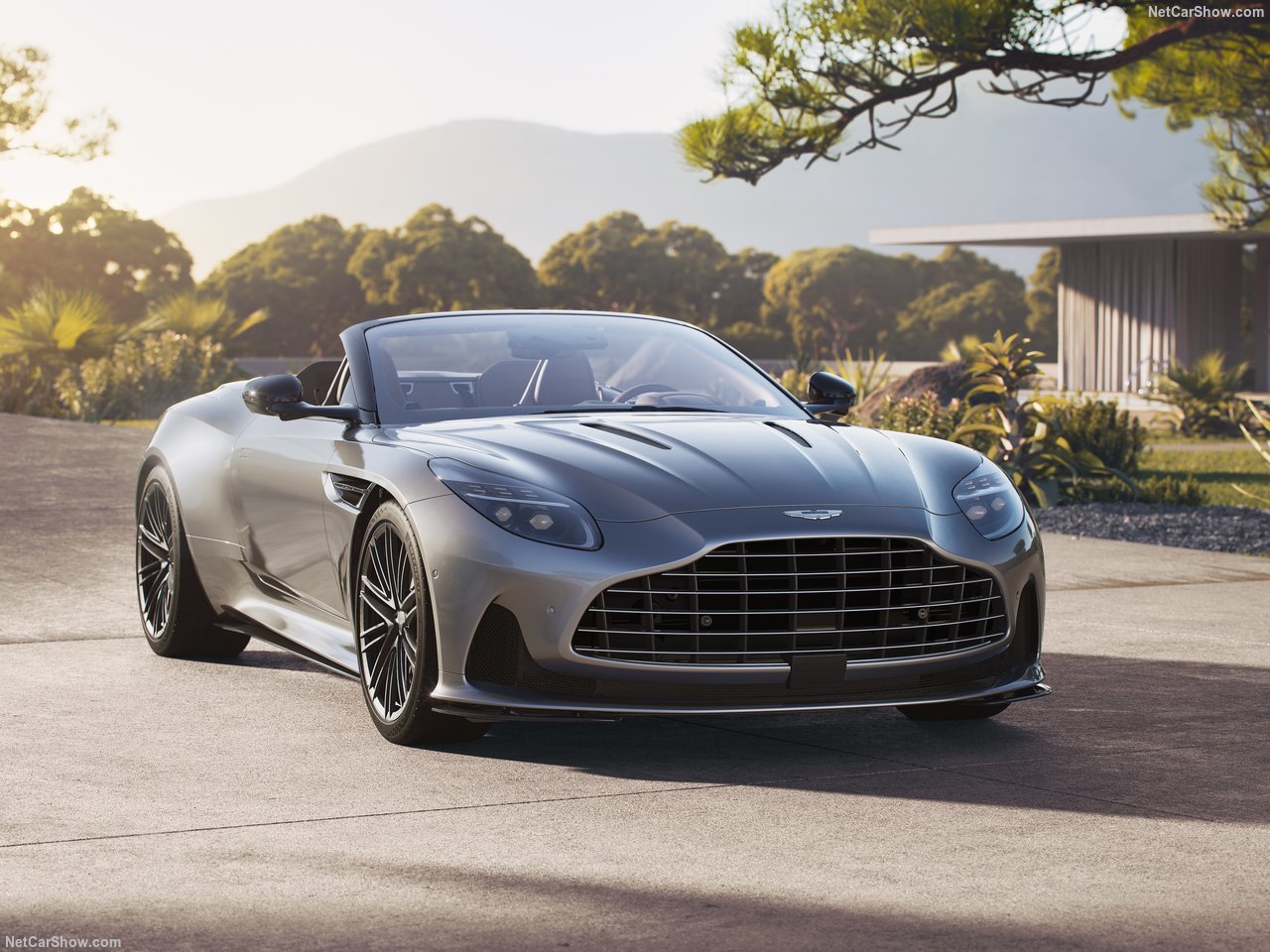
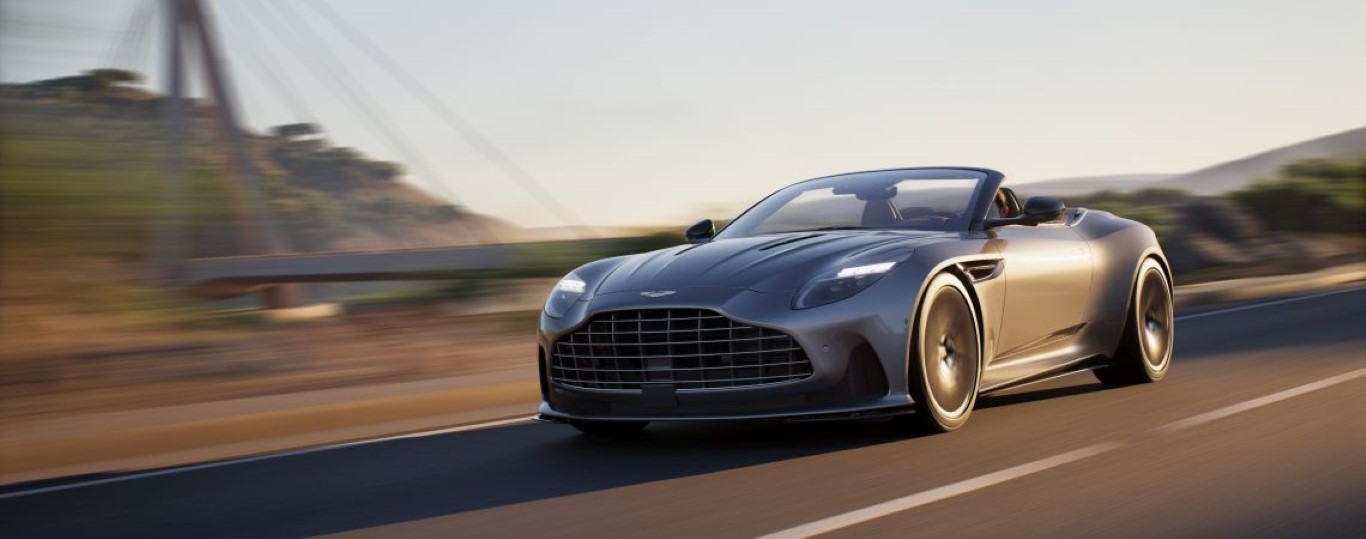
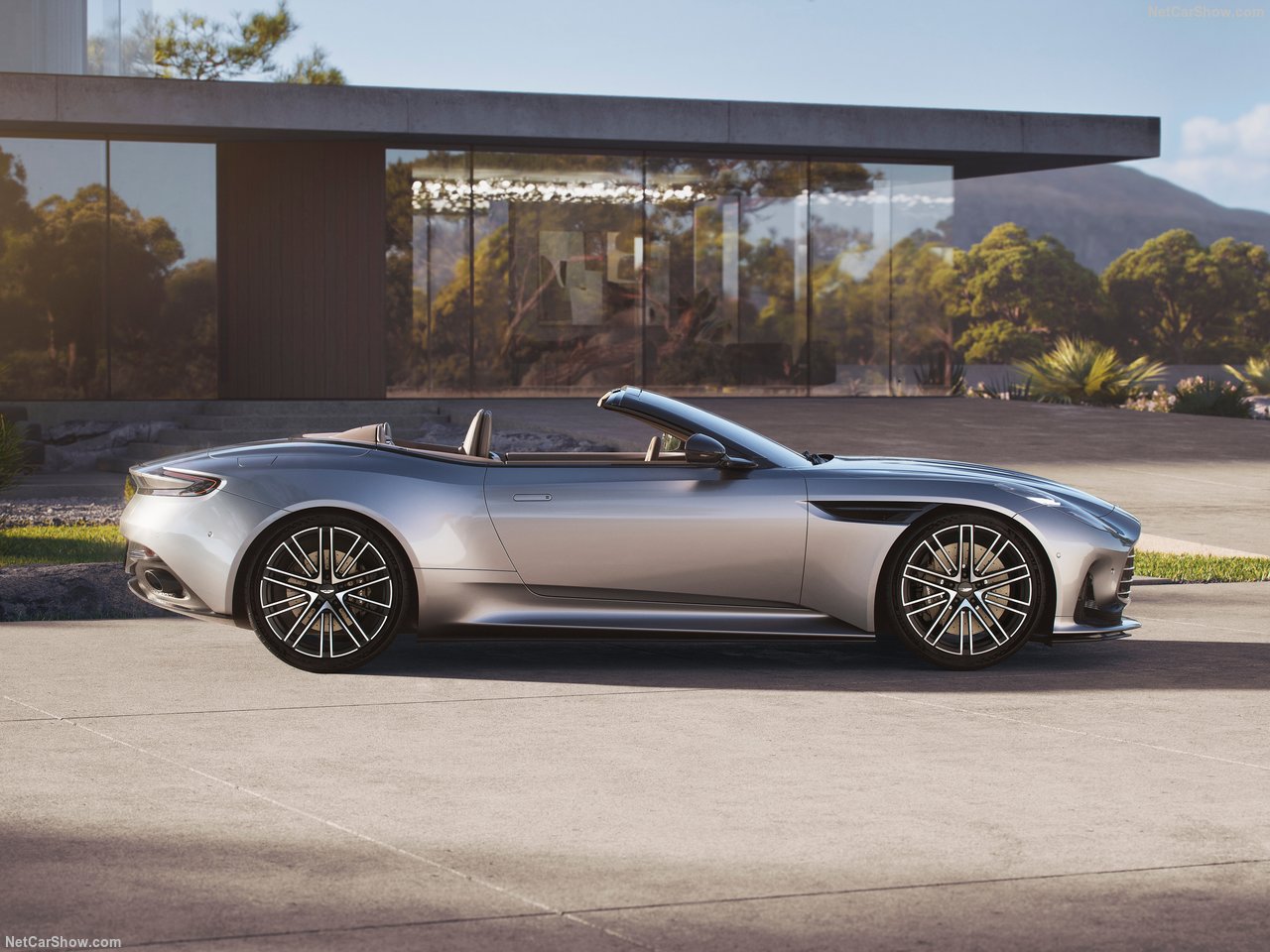
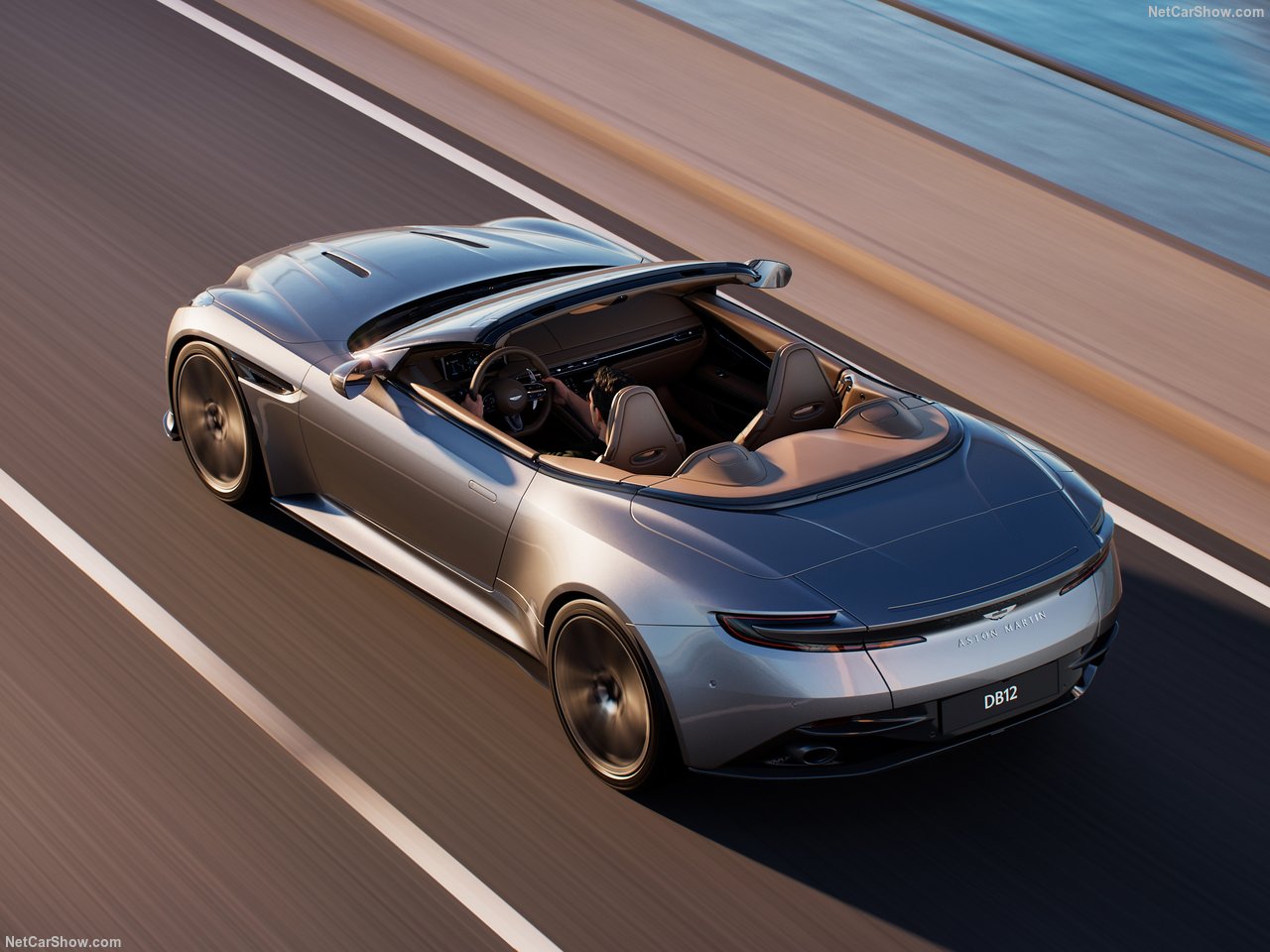
The ultra-luxury automotive industry witnessed a decisive strategic move in May 2023, when Aston
Martin, celebrating its 110th anniversary, revealed the DB12. This vehicle was not merely designed to
replace the DB11, but to redefine the categorization of high-performance vehicles. Aston Martin's
leadership, under the executive direction of Lawrence Stroll, rejected the traditional term "Grand Tourer"
(GT), arguing that it was no longer sufficient to describe the breadth of dynamic capabilities of the new
car. Thus, the designation "Super Tourer" was born, a marketing term backed by substantial engineering,
intended to position the DB12 in a niche above conventional GTs and below track-focused supercars.
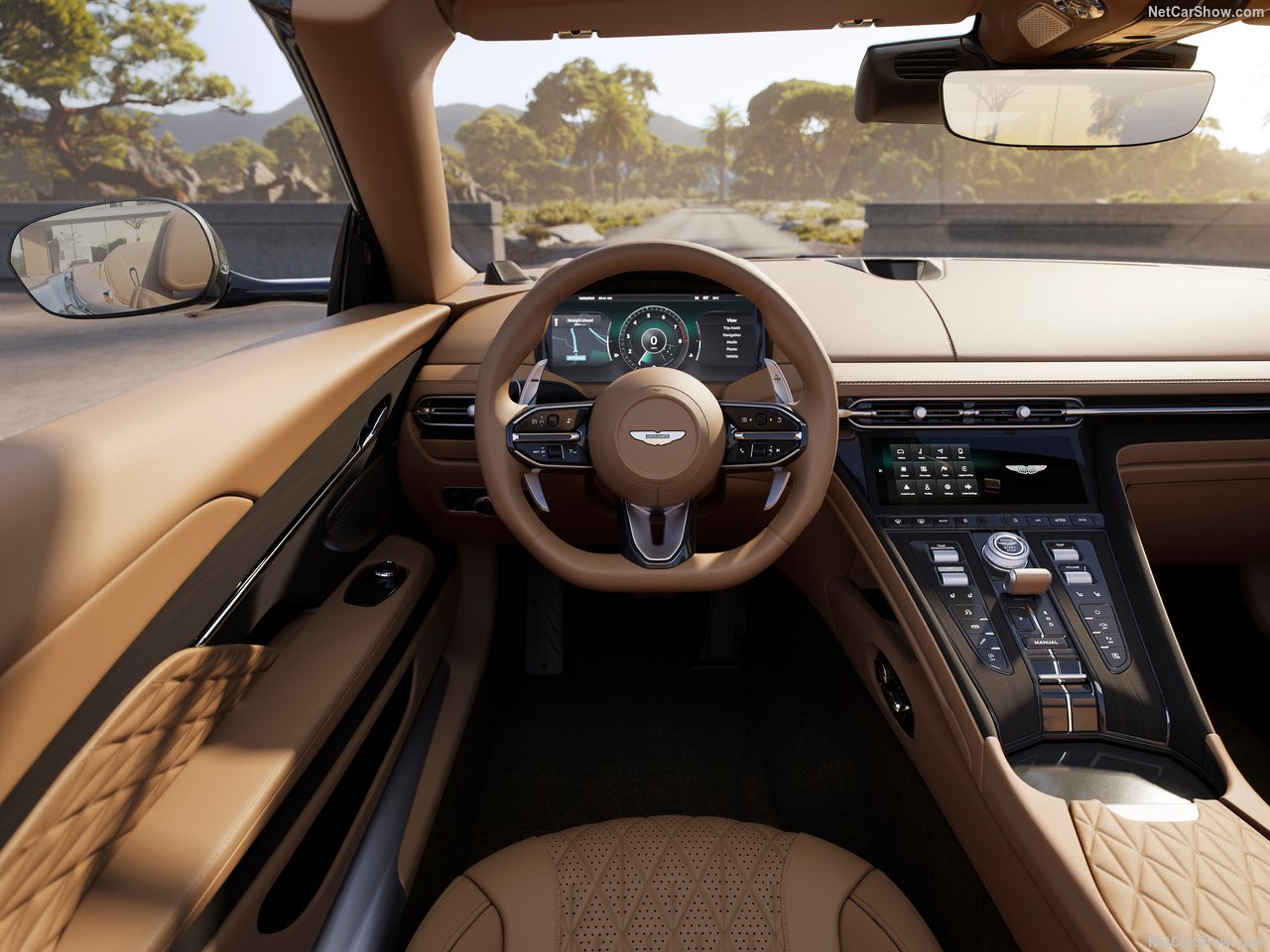
The launch of the DB12 marked the beginning of a new era for the British manufacturer, being the
first model to bear the redesigned Aston Martin "wings" logo and the first to integrate an entirely new,
in-house developed infotainment architecture.
The Succession of the DB Lineage
The "DB" lineage (initials for David Brown) is the backbone of Aston Martin's history. The DB11,
launched in 2016, was a commercial success, but as the years passed, it began to suffer criticism regarding
its cabin technology and driving dynamics. The DB12 was conceived to aggressively correct these
shortcomings. Aston Martin stated that the DB12 is 80% new compared to the DB11, a statistic that underlines
the depth of the re-engineering undertaken, transcending a simple visual "facelift".
The "Super Tourer" Philosophy
The "Super Tourer" concept is based on the fusion of two antagonistic worlds: the transcontinental
comfort of a GT and the surgical precision of a sports car. The goal was to create a vehicle that could
cross Europe in absolute silence and, upon reaching the Alps, attack the corners with the ferocity of a
Vantage.