Aston Martin DB4 production spanned from October 1958 to June 1963, a period in which the model went through
five series of updates. These changes, proposed by the factory and formally cataloged by the Aston Martin
Owners Club (AMOC), accompanied the car's technical evolution.
Series I (October 1958 to January 1960)
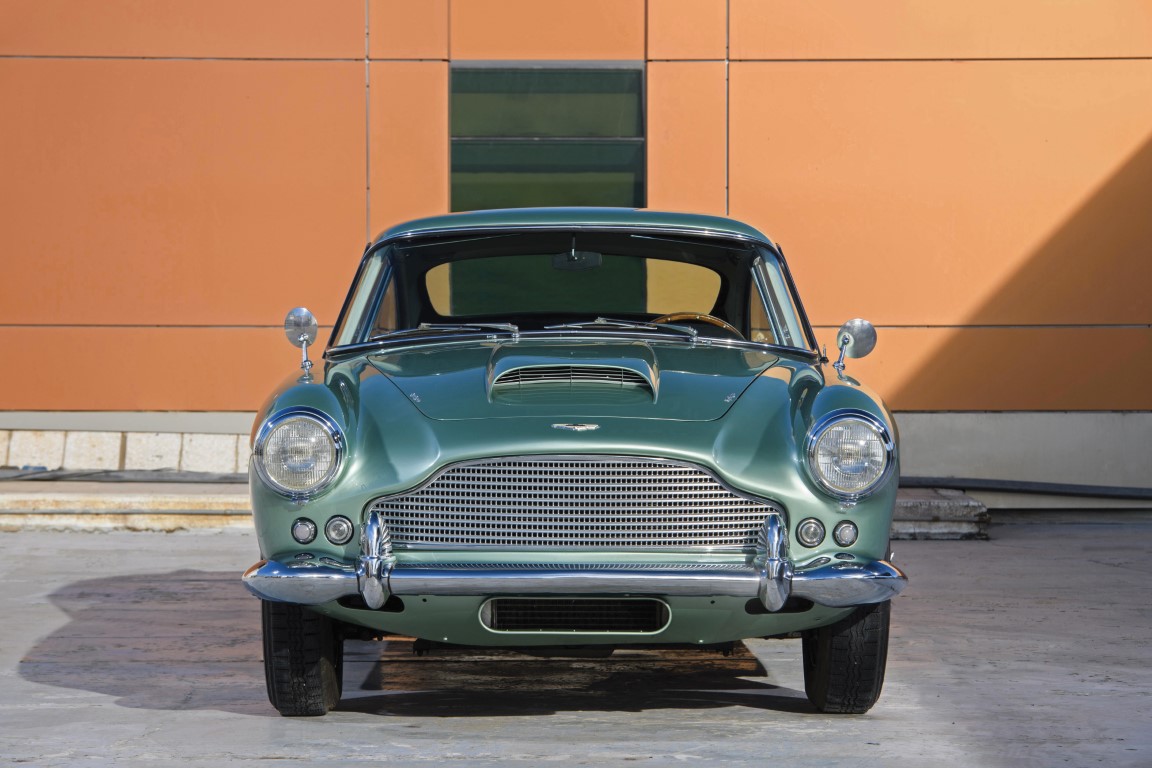
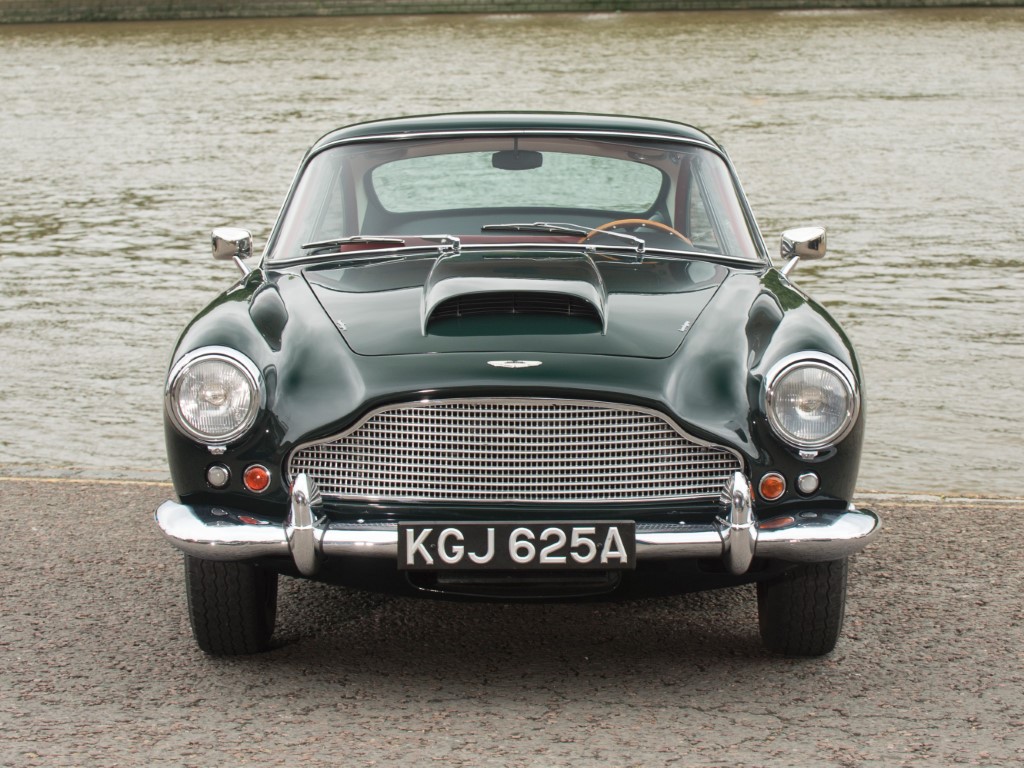
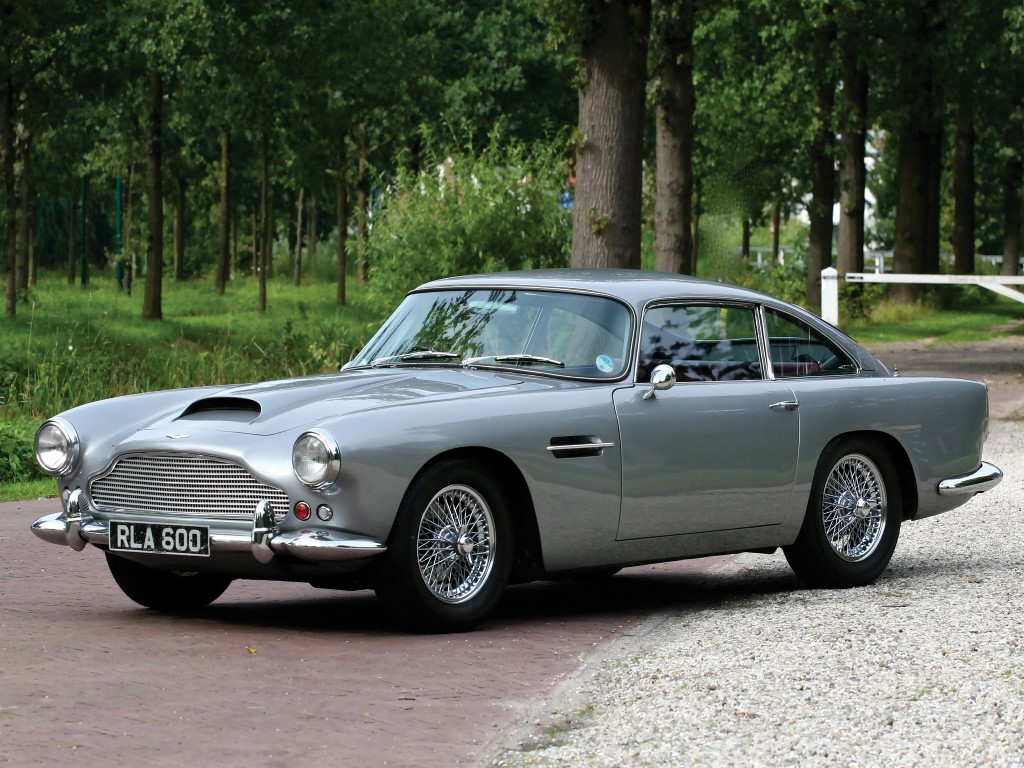
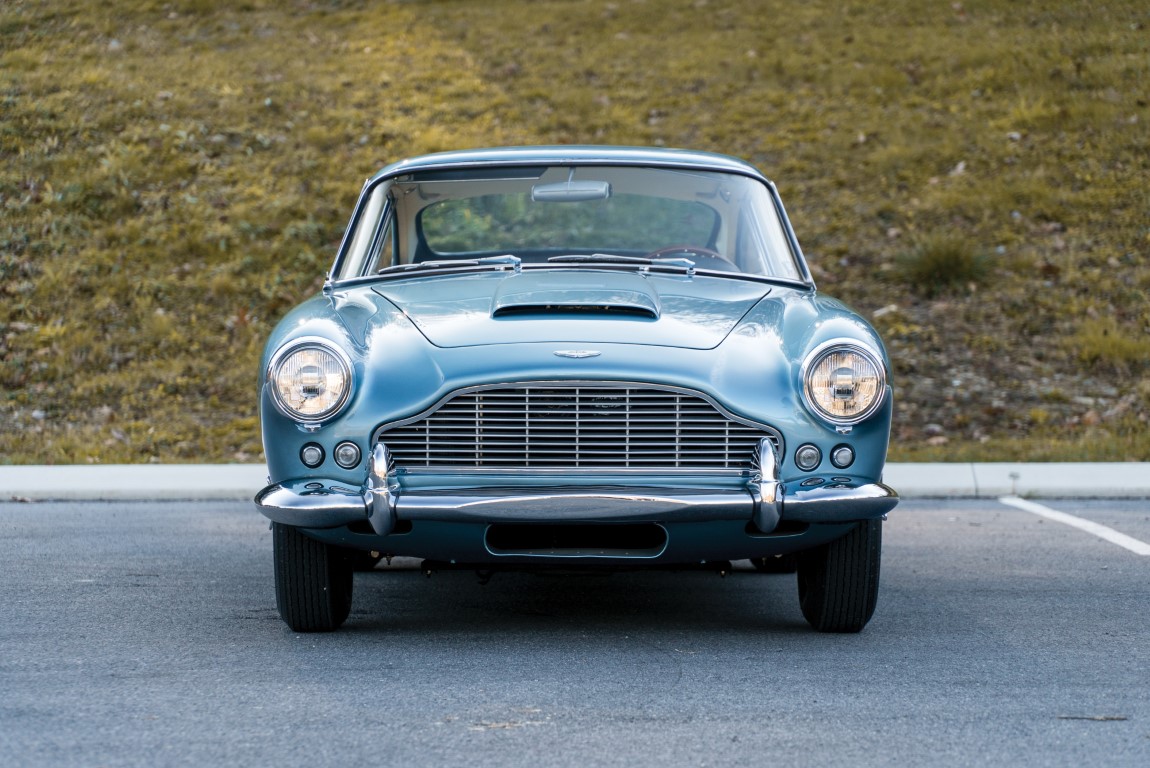
This series represents the original and cleanest design of the DB4, with clean-lined bodywork, a
honeycomb-style front grille, and single-piece taillights known as "cathedrals." The hood was rear-hinged,
opening toward the windshield. The first 50 units were characterized by thin bumpers without overriders and
door windows without chrome frames. The absence of door frames caused annoying wind whistling at cruising
speeds, which led the factory to adopt metal frames starting with the 51st car.
Starting with chassis DB4/201, an aluminum air deflector was added to the radiator fan to mitigate
overheating. 149 units of this series were produced, 73 of which were left-hand drive for export.
Series II (January 1960 to April 1961)
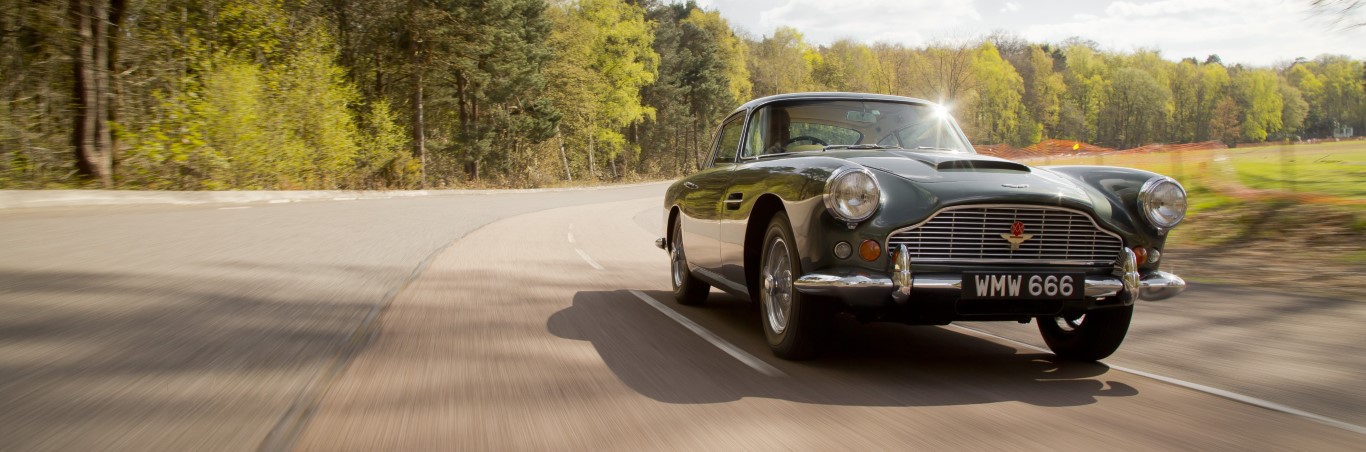
Aiming to definitively solve the cooling failures of the first customers, Series II brought important
modifications under the hood. The engine oil sump was enlarged from 14 to 17 liters, and a higher-flow oil
pump was installed. Optionally, buyers could equip the model with a front oil cooler, whose presence was
indicated by a small additional air intake under the front bumper. The hood became front-hinged to prevent
it from opening accidentally at high speed if the latch failed.
The rear opening side windows gained flat glass to replace the previous curved design, the bumpers became
heavier and equipped with protective overriders, and the front brake calipers were resized for greater
efficiency. As comfort options, power windows and a transmission equipped with an electric Laycock overdrive
appeared. 349 units were produced.
Series III (April 1961 to September 1961)
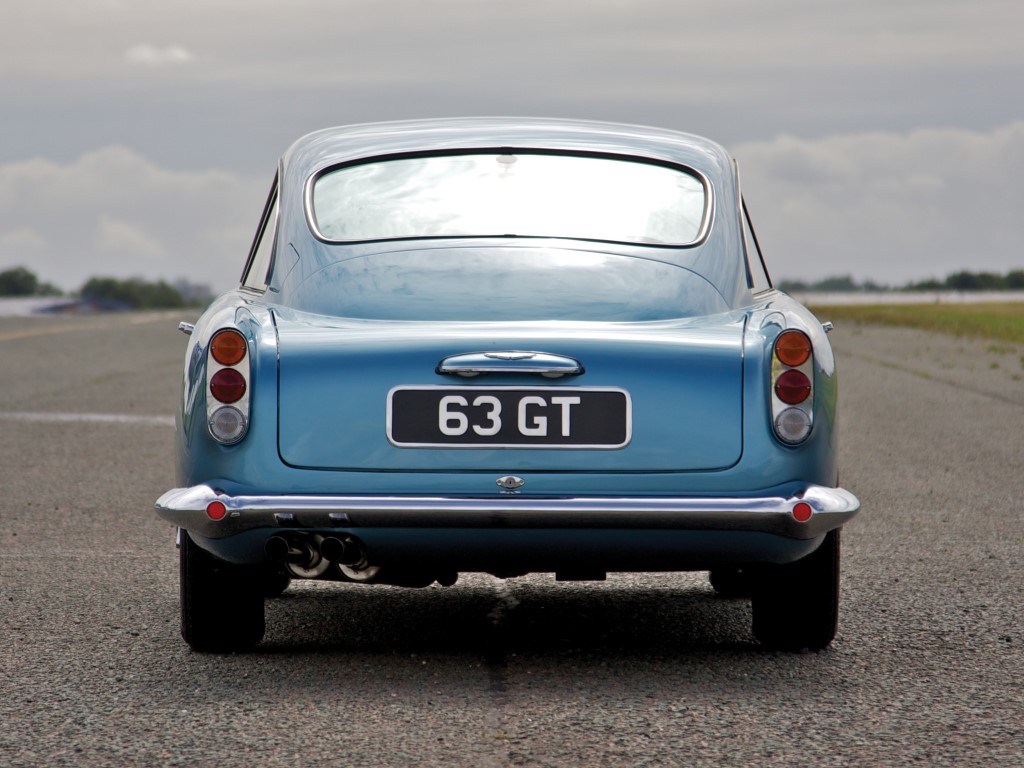
The main visual change of Series III occurred at the rear. The single-piece "cathedral" taillights were
replaced by three individual round lights mounted vertically on a chrome support plate. Inside, the
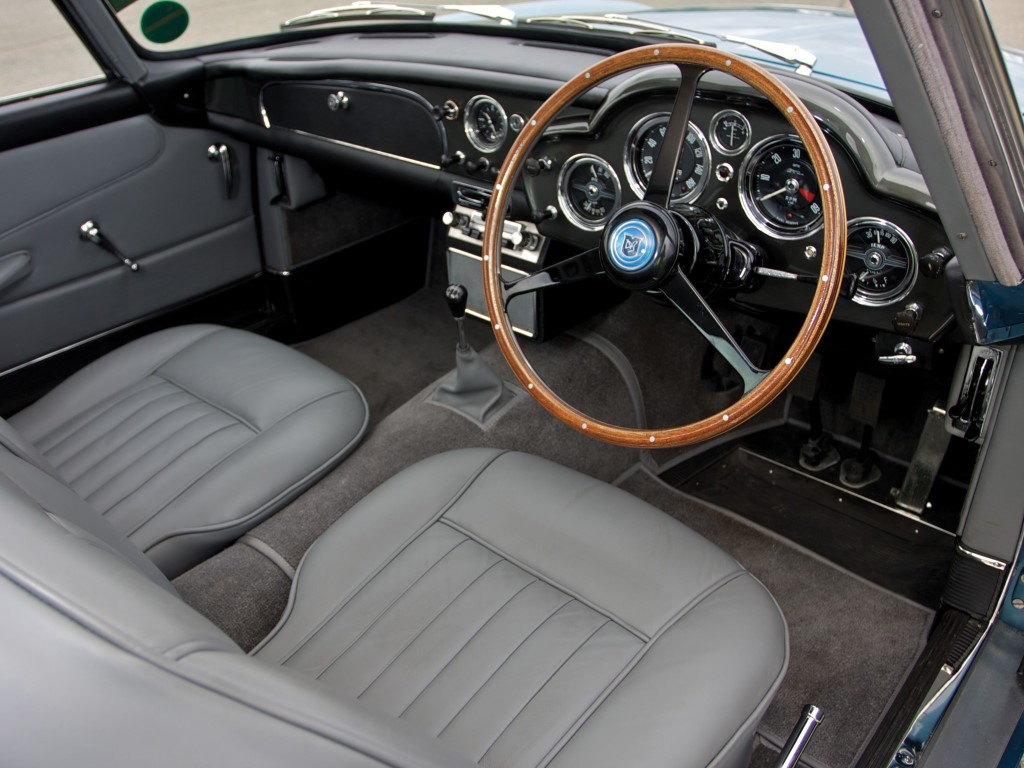
dashboard received an electric tachometer, and the ventilation system was improved with five windshield
defogger outlets instead of three.
The steering column controls were simplified from two stalks to just one, and the handbrake and pedal linkage
received protective covers. The chassis began featuring dual hood support struts. Three rare units left the
factory equipped with the track-specification engine of the DB4 GT. Only 165 units were built.
Series IV (September 1961 to October 1962)
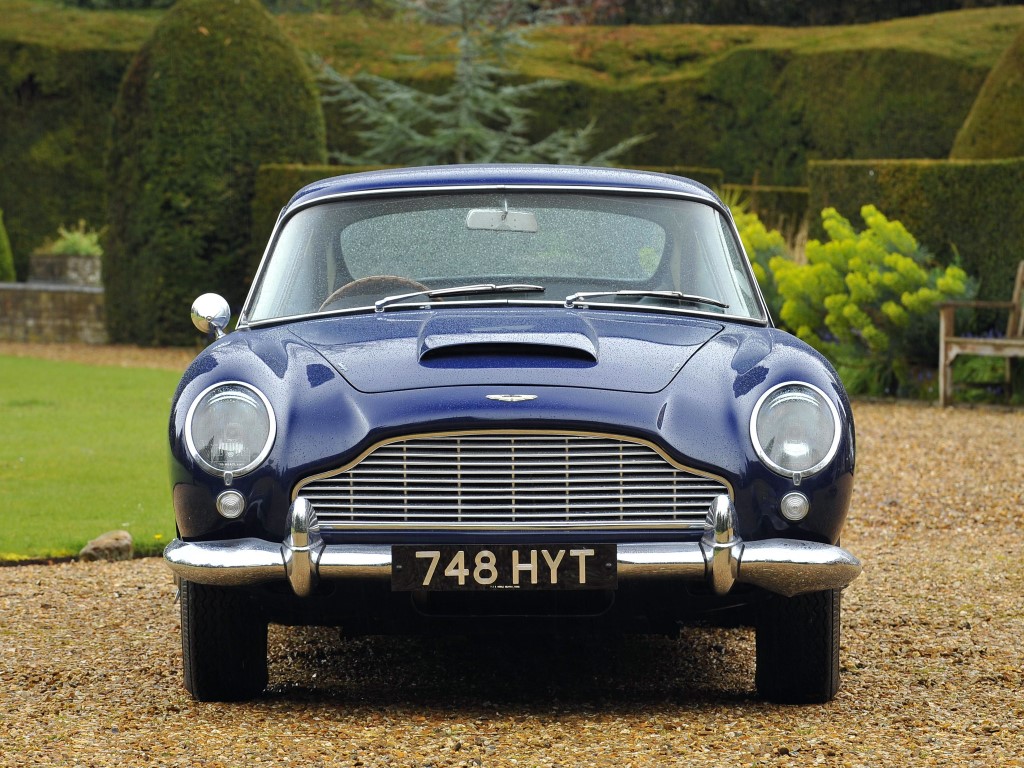
Series IV is easily recognized by its renewed front end. The classic honeycomb grille was replaced by a
grille with prominent horizontal bars containing only seven vertical bars. The hood air intake was
significantly lowered and lost its internal mesh. The oil cooler became standard equipment. Internally, the
ashtray was repositioned from the top of the dashboard to the transmission tunnel console.
The highlight of this series was the introduction of high-performance engine tuning called Vantage (or
Special Series engine). Equipped with three SU HD8 carburetors, larger valves, and a 9.0:1 compression
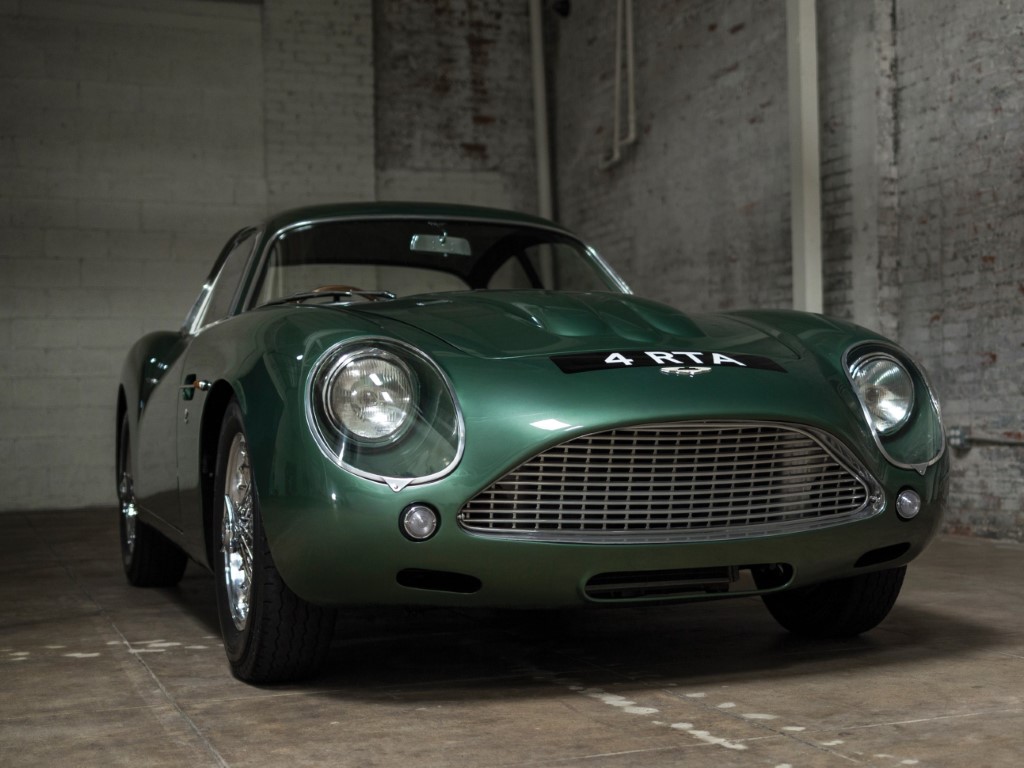
ratio, this version generated 266 hp. Almost all Vantage units received the front design of the DB4 GT,
characterized by embedded headlights covered by curved acrylic lenses with chrome bezels. 185 Series IV
coupes were produced.
Series V (September 1962 to June 1963)
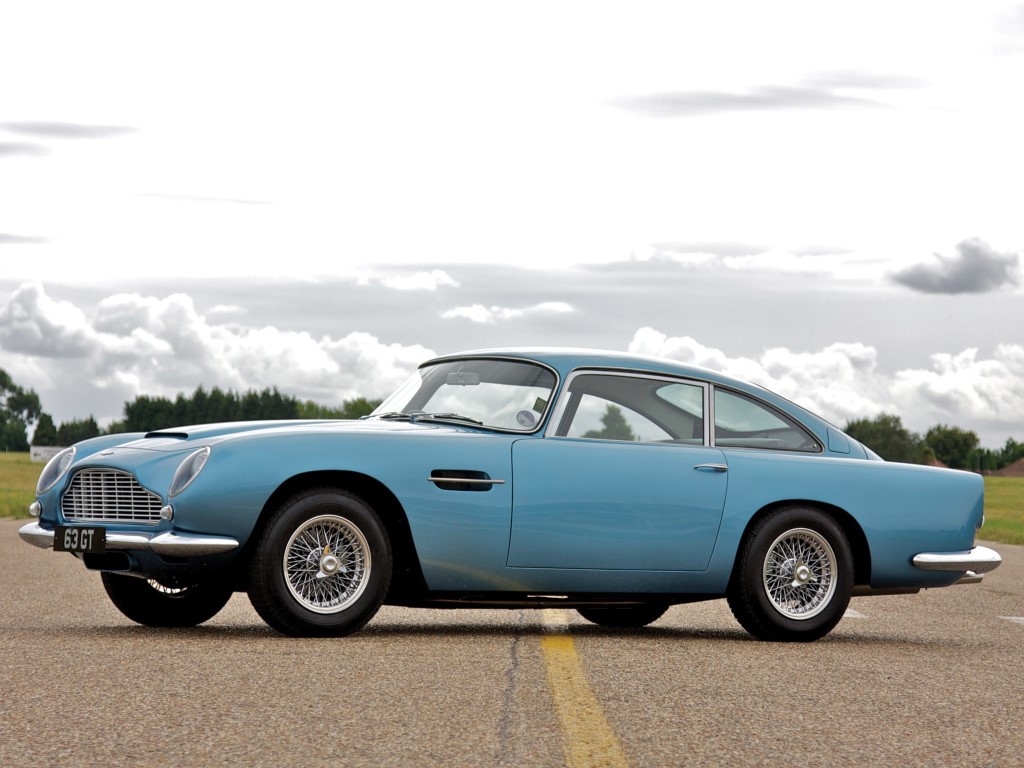
The last series of the DB4 served as a direct transition to the DB5. To provide more legroom in the back seat
and expand trunk capacity, Aston Martin stretched the coupe's bodywork by 9 cm. The roofline was also
slightly raised. To compensate for the increase in body size and maintain the total vehicle height unchanged
at 132 cm, the 16-inch wire wheels were replaced by 15-inch diameter wheels.
At the rear, the three individual lights were slightly recessed relative to the body edge and began to
integrate a reverse light, moving the red reflectors directly to the bumper. Under the hood, an air box for
the carburetors was installed, an additional electric fan was placed in front of the radiator, and the
ignition system received vacuum advance. The DB4 GT-style competition instrument panel became standard from
chassis DB4/1001. Only 50 coupes were manufactured with the 240 hp engine and 90 coupes in the Vantage
specification.