The DB5 family was composed of four very distinct body configurations, each aimed at a specific niche of the
luxury market at the time.
Saloon (Coupe)
The two-door coupe body with an internal 2+2 seat configuration was the most popular in the lineup, serving
as the base for developing the car that would achieve worldwide fame on the silver screen. Just over 800
units were produced in this classic configuration.
Convertible
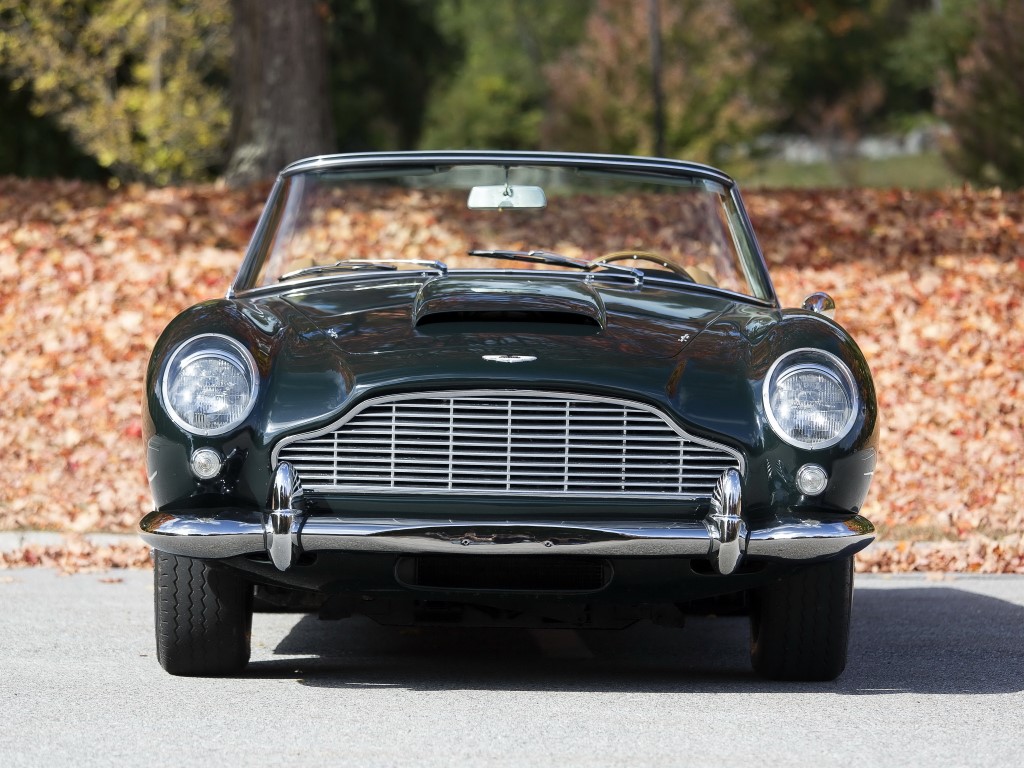
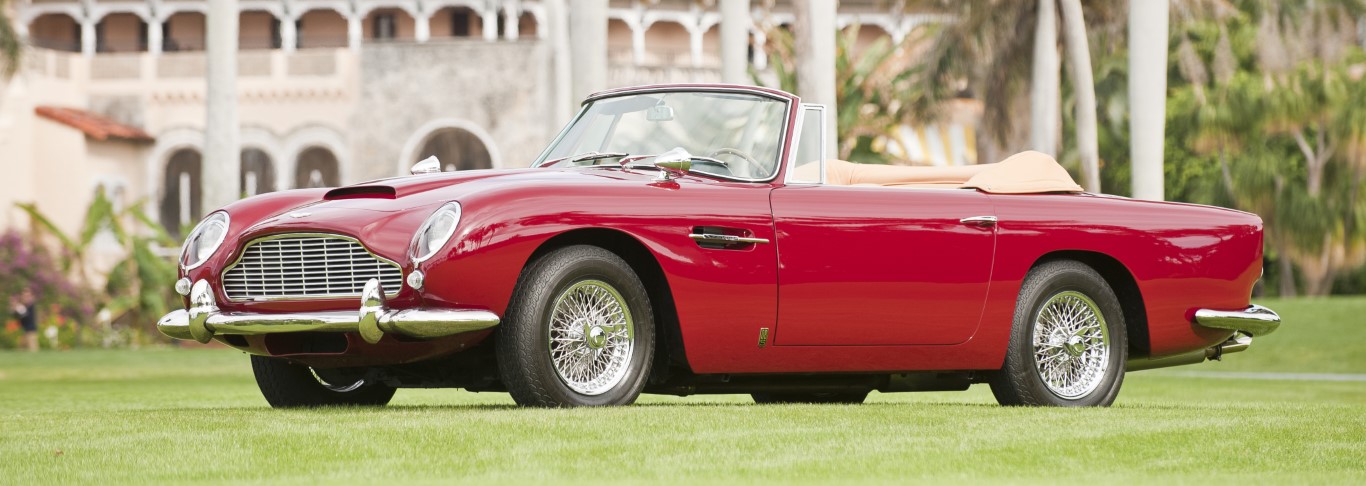
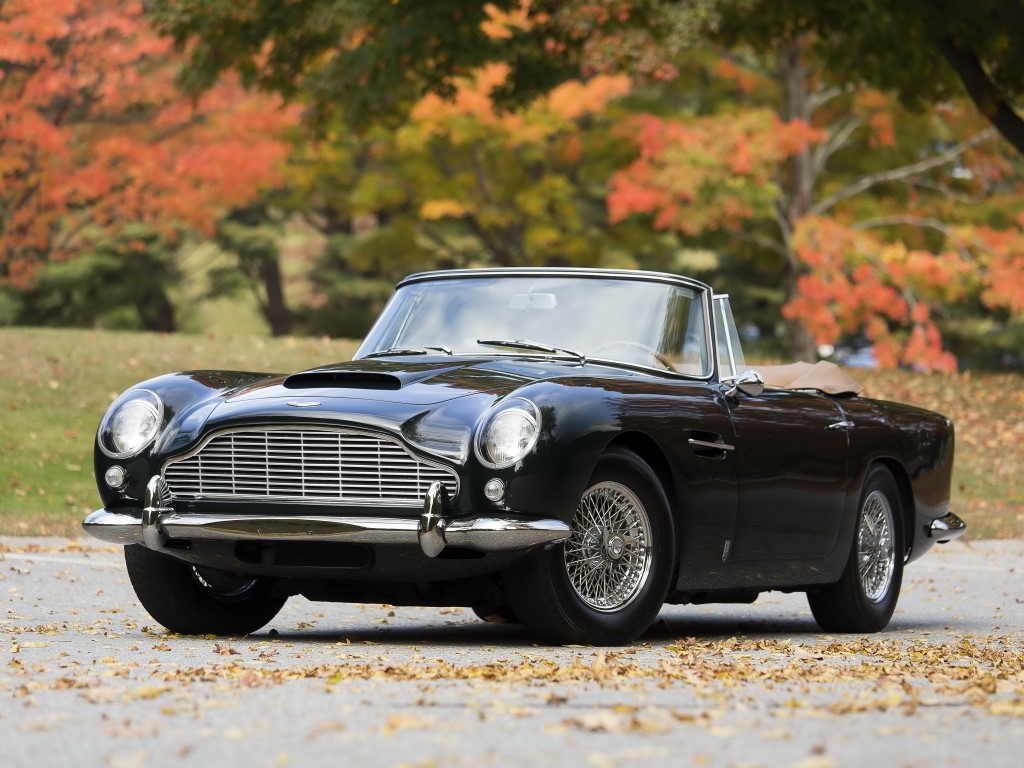
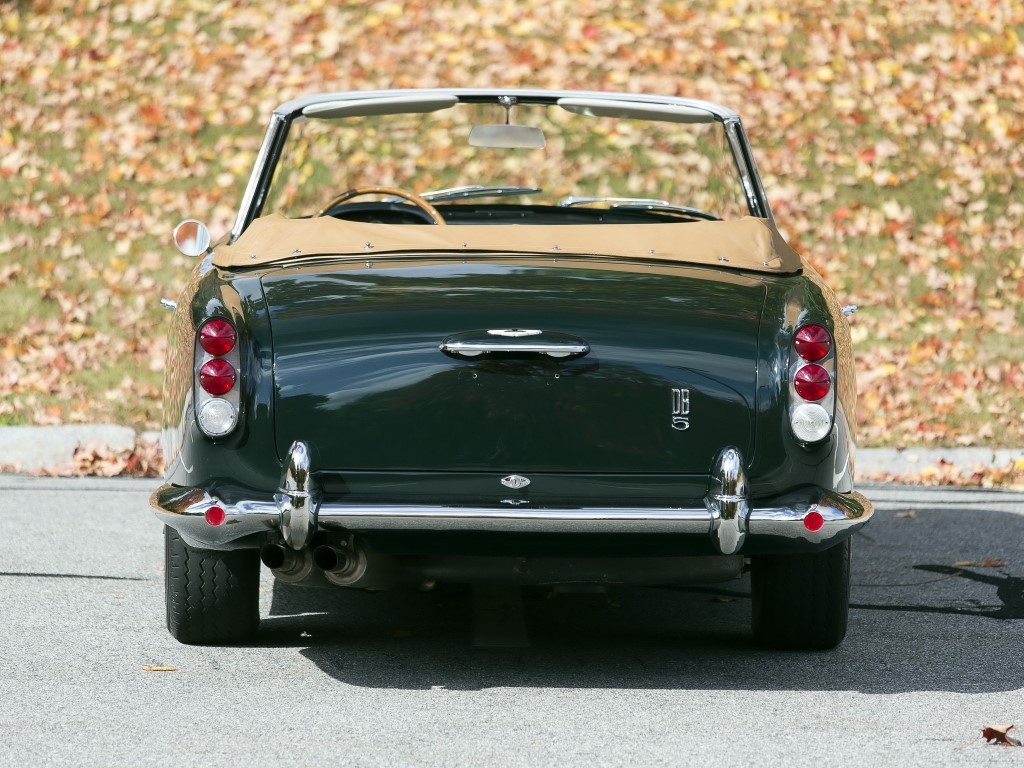
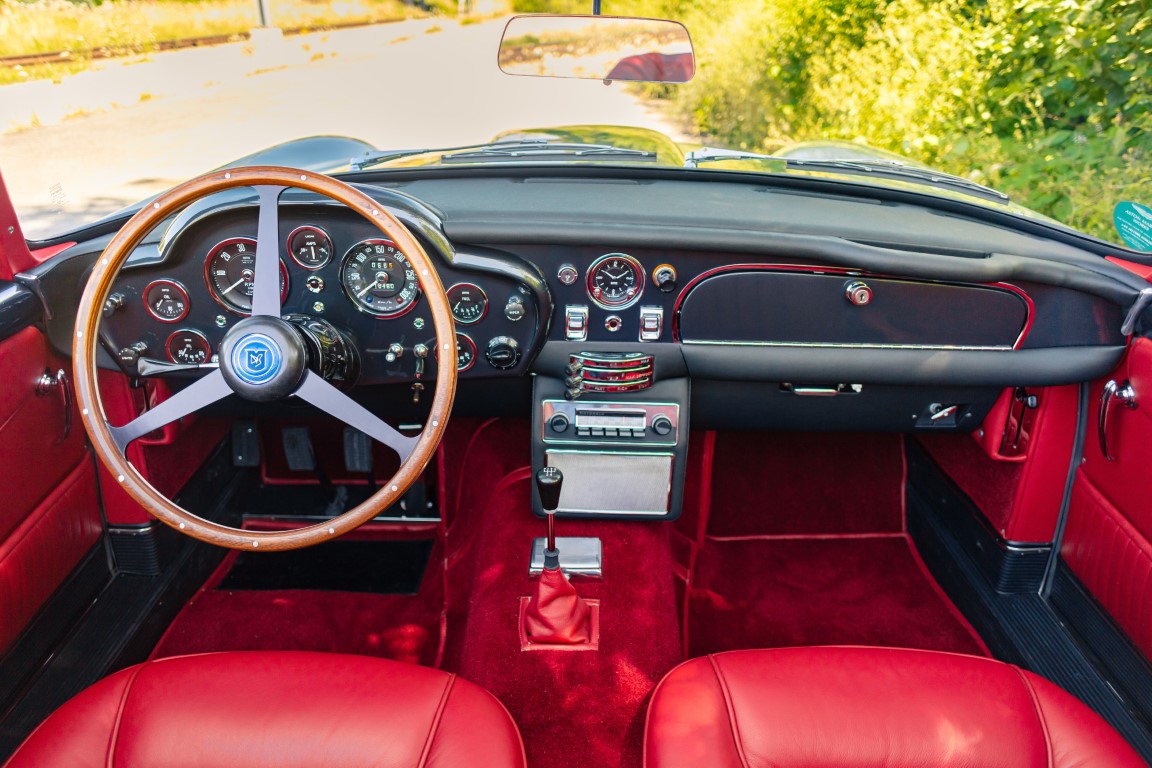
Launched shortly after the coupe's presentation, the two-door convertible model maintained the refinement and
elegant lines of Touring Superleggera. Between 1963 and 1965, only 123 examples of the convertible were
manufactured, making it considerably rarer than the coupe. Of this lot, only 19 units were originally
produced with left-hand drive to cater to the export market. The interior finish displayed a dashboard
painted in the exterior body color, and Aston Martin offered as a rare factory accessory a removable steel
hardtop. Only 12 of these convertibles left the factory equipped with the Vantage engine setup.
Short Chassis Volante
At the end of DB5 production, in September 1965, 37 unused chassis remained at the factory. To utilize this
structure efficiently while starting sales of the new DB6 (which had a lengthened wheelbase), the
manufacturer launched a very exclusive transition series. Produced between October 1965 and October 1966,
these 37 convertibles became known as the "Short Chassis" Volante. Under the bodywork, the vehicles were
essentially DB5-series cars, but visually they featured styling elements from the DB6, such as split front
and rear bumpers, in addition to vertical taillights borrowed from the Triumph TR4. It was the first time
the brand used the "Volante" nomenclature to designate its luxury convertibles.
Shooting Brake (Estate)
The luxury two-door estate car was born from David Brown's personal requirement. As a polo player and active
hunter, he needed a vehicle that could accommodate his dogs and sports equipment without sacrificing the
refinement and performance of his personal sports coupe. The prototype built for him immediately sparked
interest from wealthy customers of the brand. Due to high demand on the main assembly line in Newport
Pagnell, Aston Martin transferred the conversions to the traditional coachbuilder Harold Radford, in London.
Radford modified 12 coupes into the Shooting Brake format. The process required a significant reconstruction
of the aluminum roof, the adaptation of a large top-hinged rear door, and the installation of folding rear
seats to expand luggage space. To ensure vehicle stability after the change in weight and structure, the
chassis received significant additional reinforcements. The cost of this modification increased the
vehicle's list price by about £2,000, which was equivalent to the price of an entire house in the United
Kingdom at the time, limiting the buyer base to a very select circle.