The development of the DB7 was a brilliant exercise in pragmatism. By utilizing the Jaguar XJS
platform, Aston Martin was able to bring a car to market in record time and with a budget that was a
fraction of what a "clean sheet" design would require. However, this imposed significant challenges,
especially for the future Volante variant.
The Structure and the Convertible Challenge
The XJS chassis dated back to the mid-1970s. While competent, its adaptation for a modern GT required
extensive work. The DB7's bodywork was built using a semi-structural steel monocoque, with the hood, front
fenders, and trunk lid manufactured from composite materials (Resin Transfer Moulding - RTM) to save weight
and allow for complex curves in the design.
For the Volante version, the removal of the hardtop — an essential component for structural integrity
in monocoques — required substantial reinforcements. The engineering team had to add steel beams in the door
sills, transverse reinforcements in the floorpan, and a more robust windshield structure. The goal was to
maintain the torsional rigidity necessary for precise dynamic behavior, avoiding the "scuttle shake" common
in convertibles of the era. Technical reports indicate that, despite these efforts, the Volante's chassis
still exhibited some flexibility compared to the Coupe, a characteristic that would be mitigated, but never
entirely eliminated, throughout the model's life.
Ian Callum's Signature
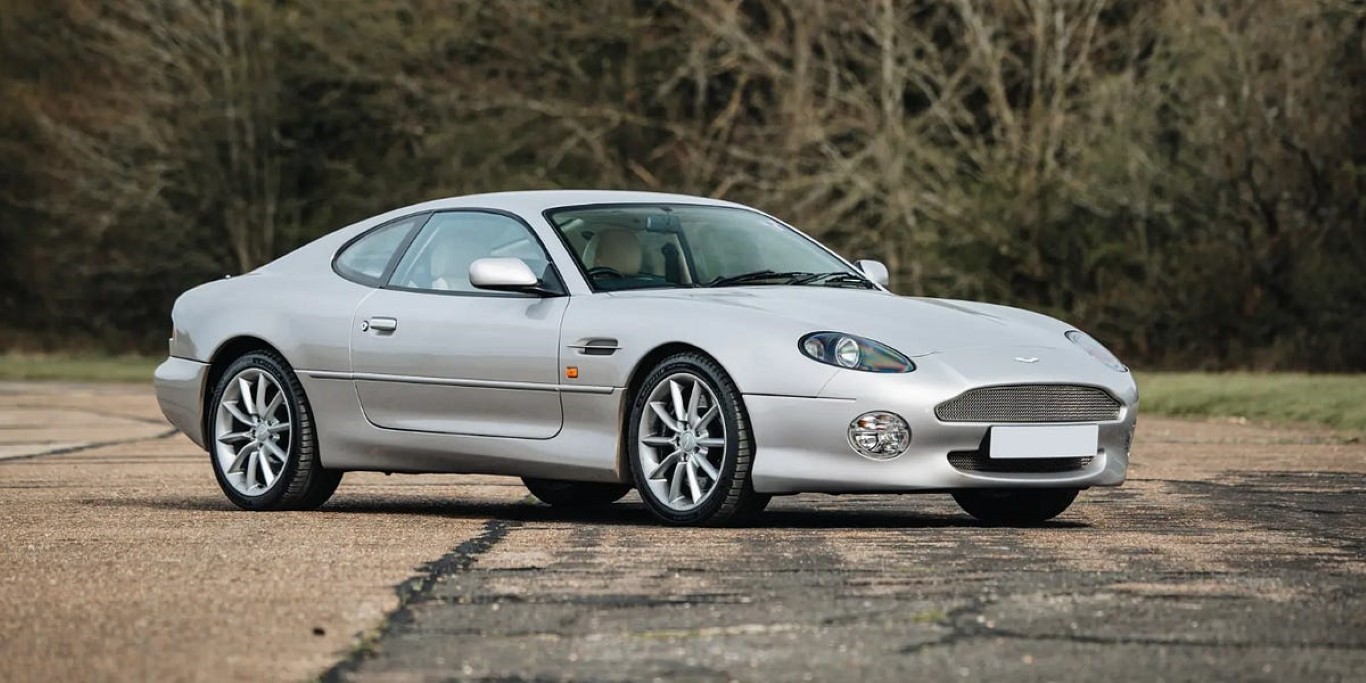
Ian Callum's design for the DB7 is widely considered a masterpiece. He managed to disguise the proportions
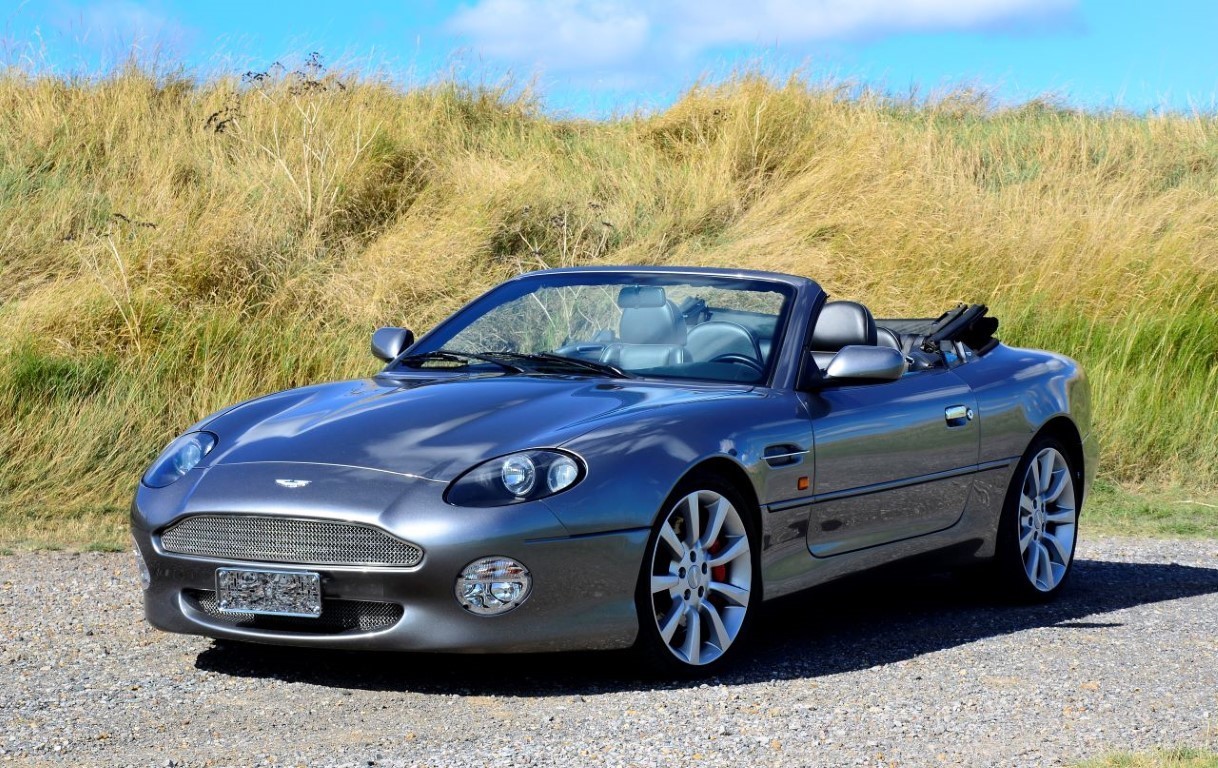
inherited from the XJS with fluid and organic lines that defined a timeless elegance. For the Volante,
Callum designed a beltline that rose smoothly towards the rear, giving the car a muscular stance even with
the top down.
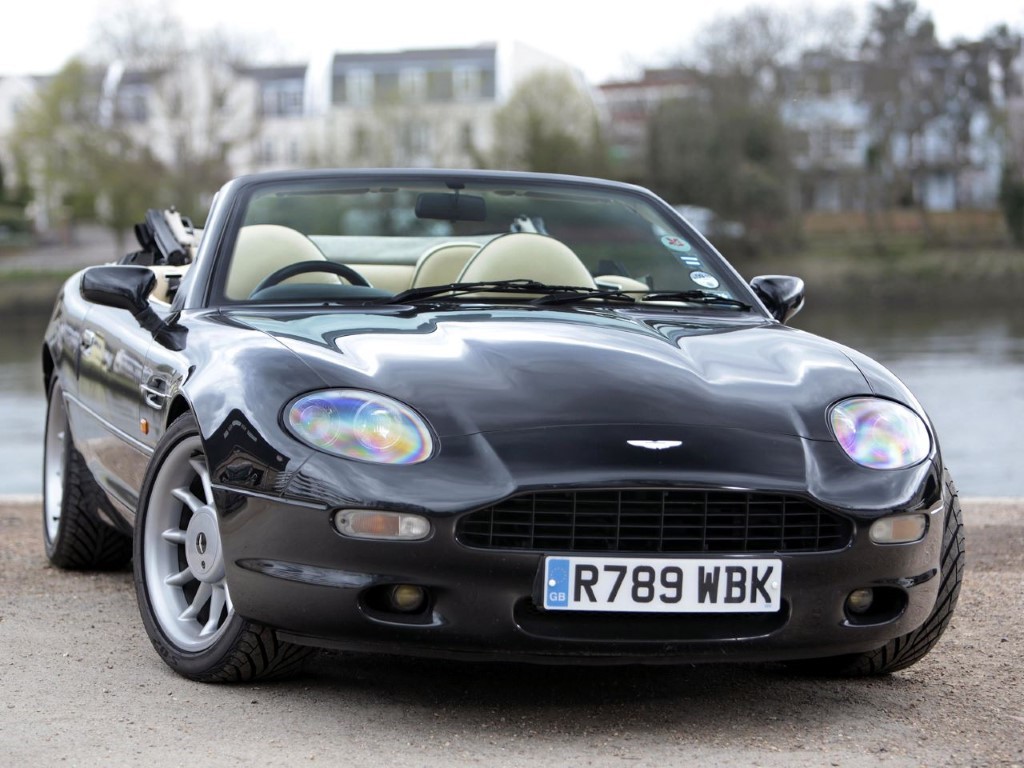
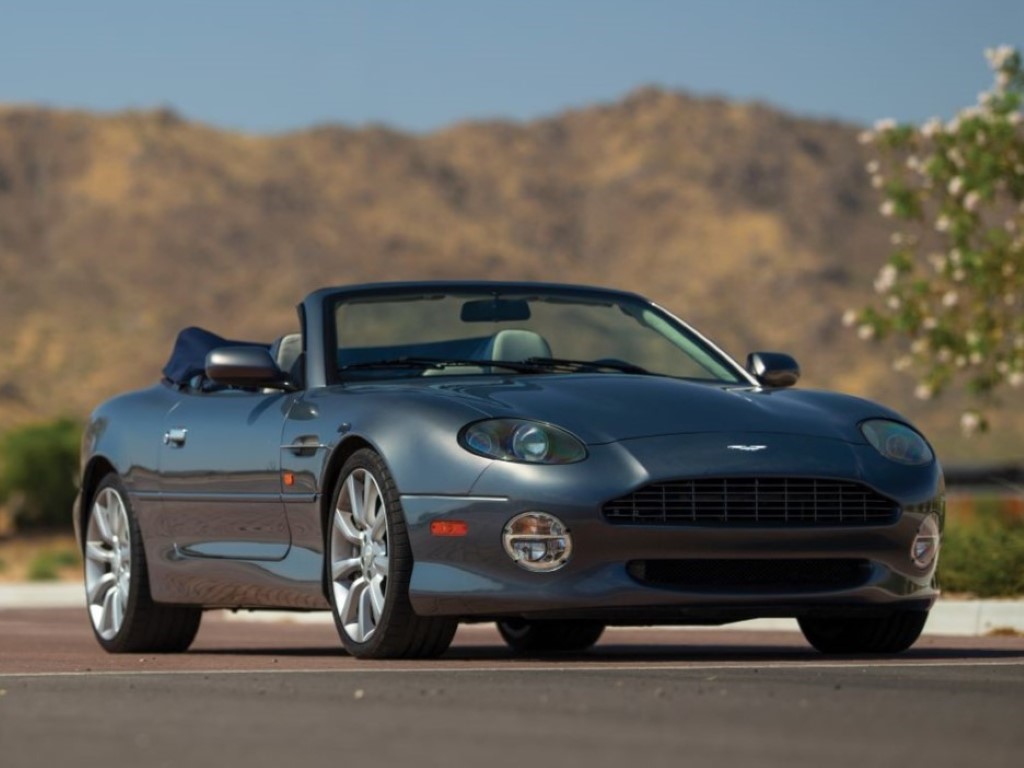
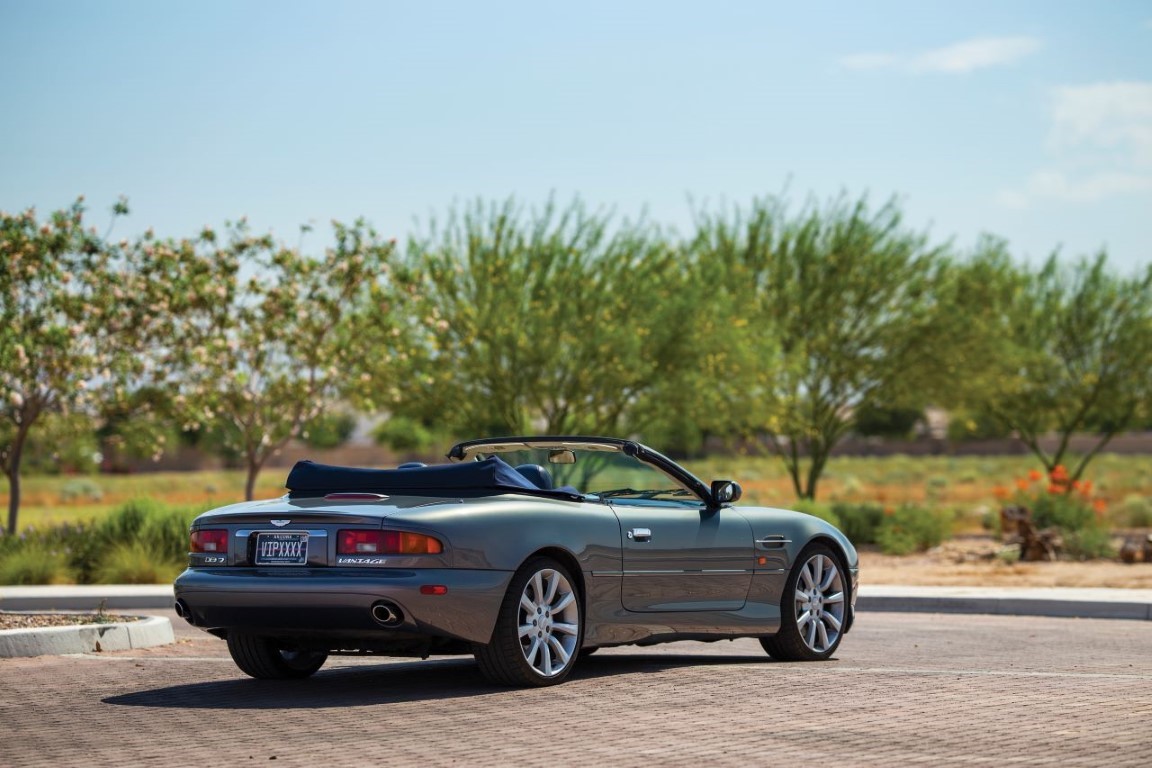
A frequently discussed design point on the Volante was the roof storage. Due to the space constraints
imposed by the XJS fuel tank and rear suspension, it was not possible to create a compartment where the top
would hide completely under a flush tonneau cover. Instead, the top, when folded, sat visibly "stacked" at
the rear, covered by a leather or vinyl cover that had to be manually secured. Although it was a less
elegant solution than that of its German rivals (such as the Mercedes SL), it became a distinctive feature
of the model, harkening back to classic British convertibles.