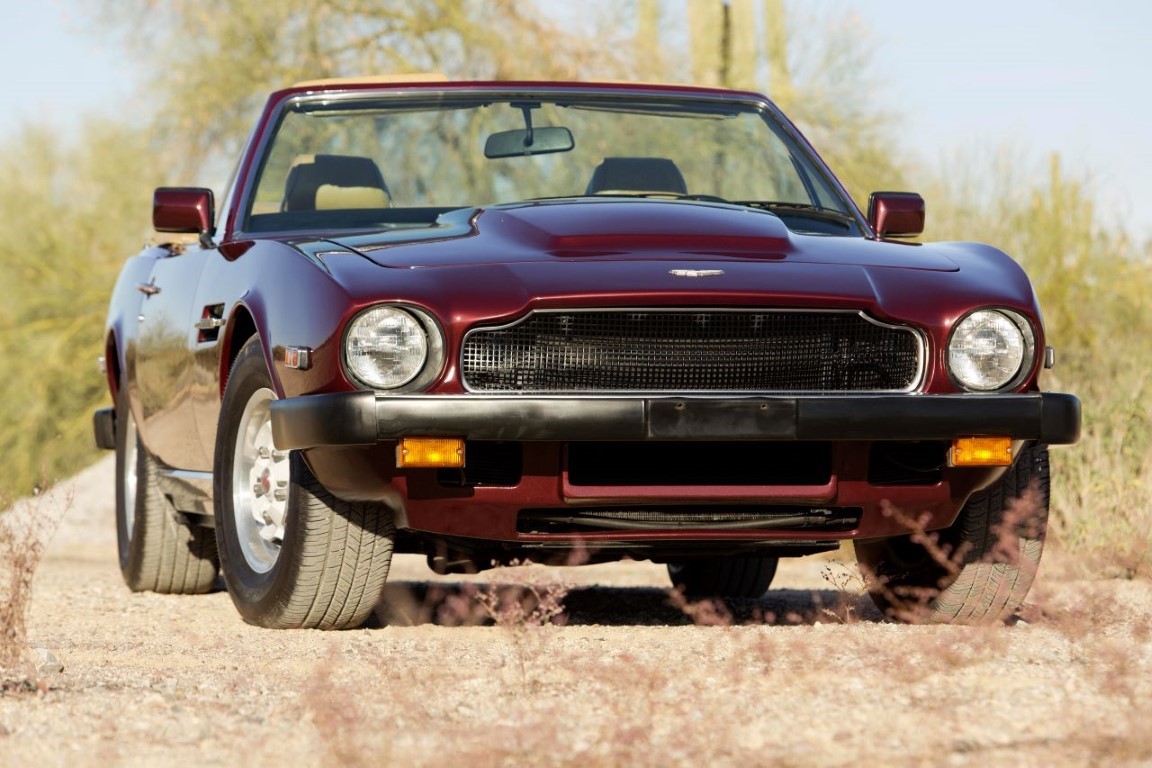
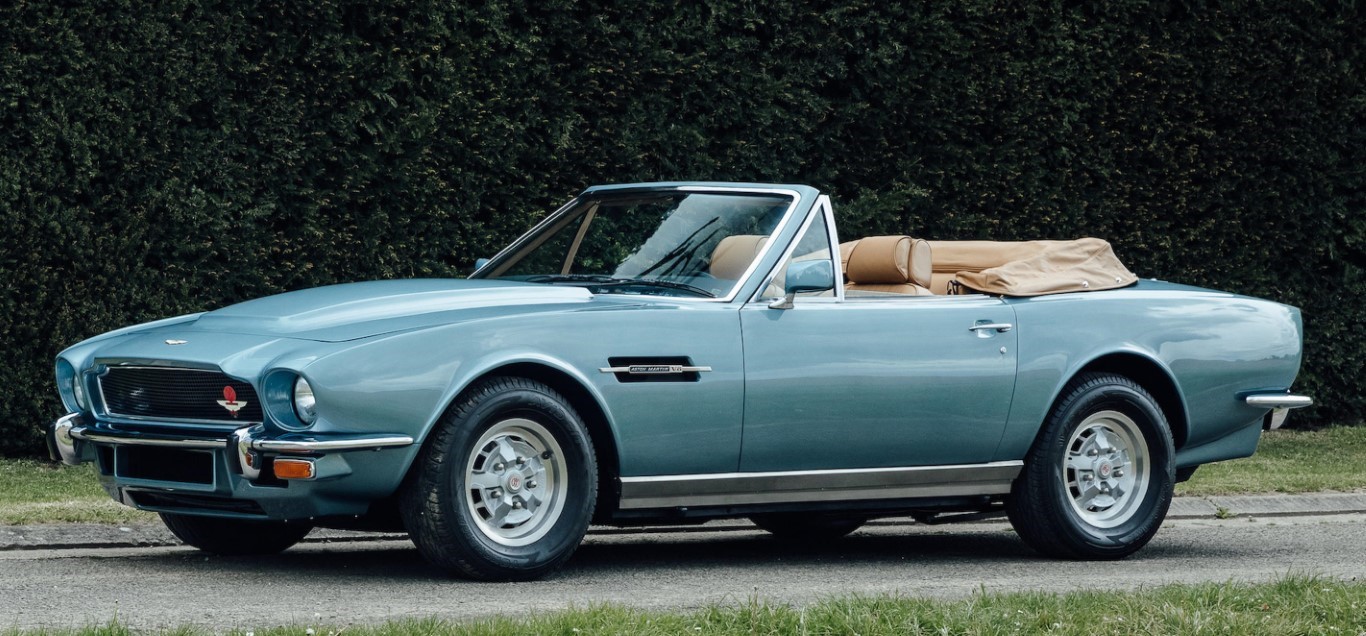
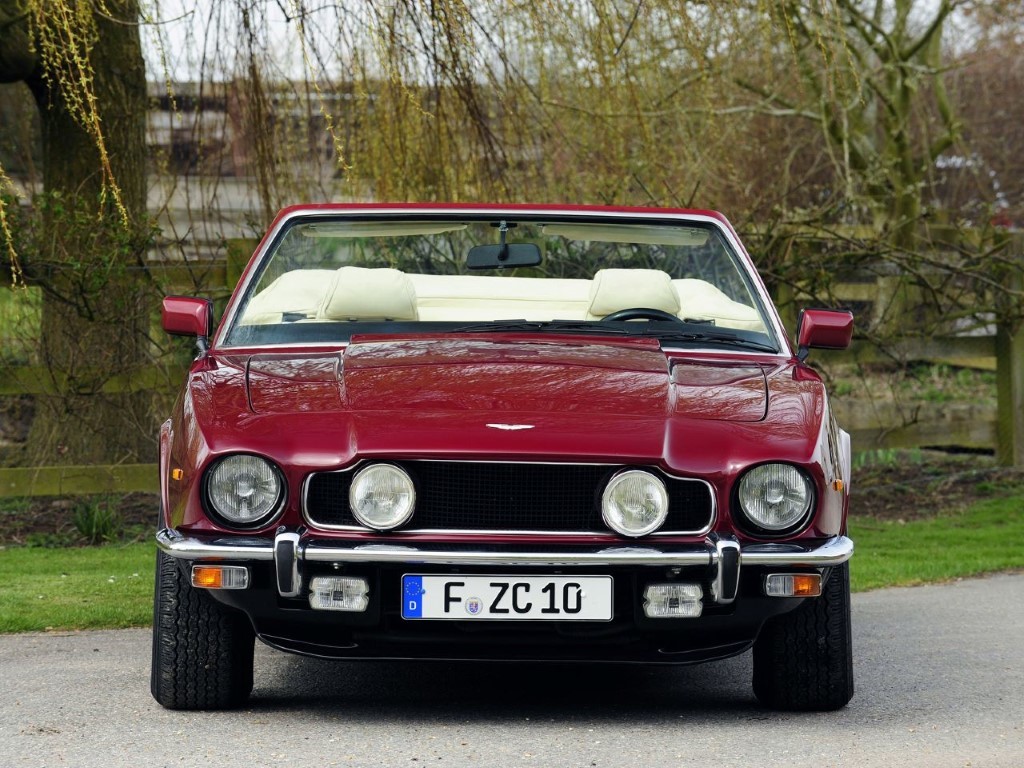
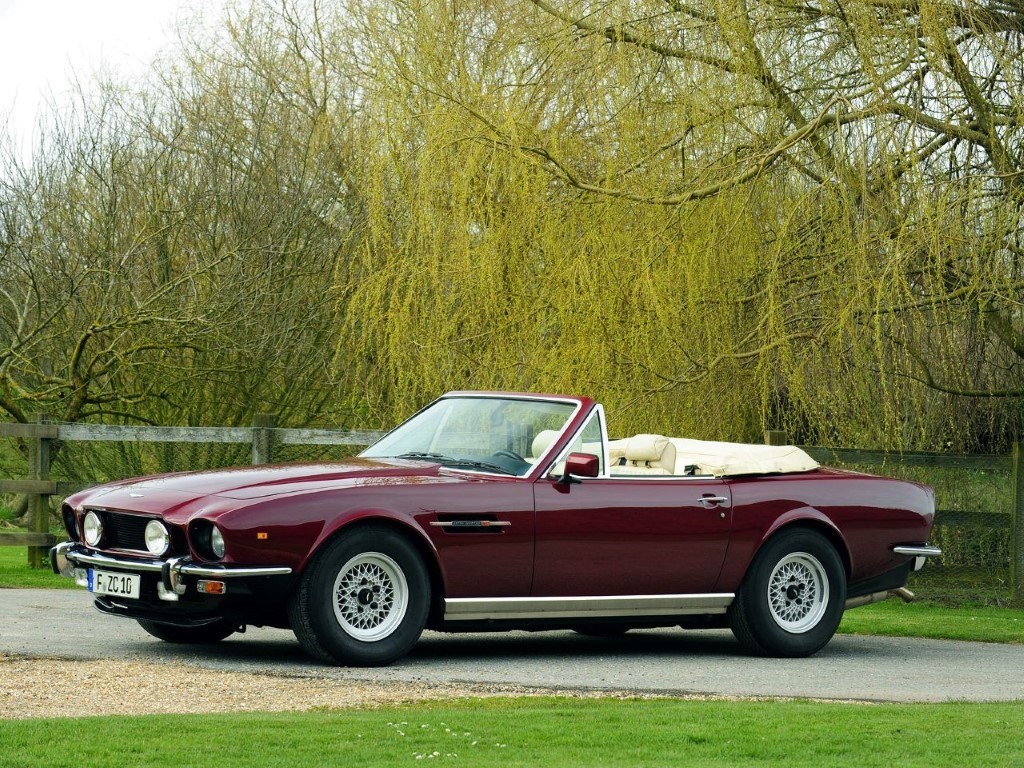
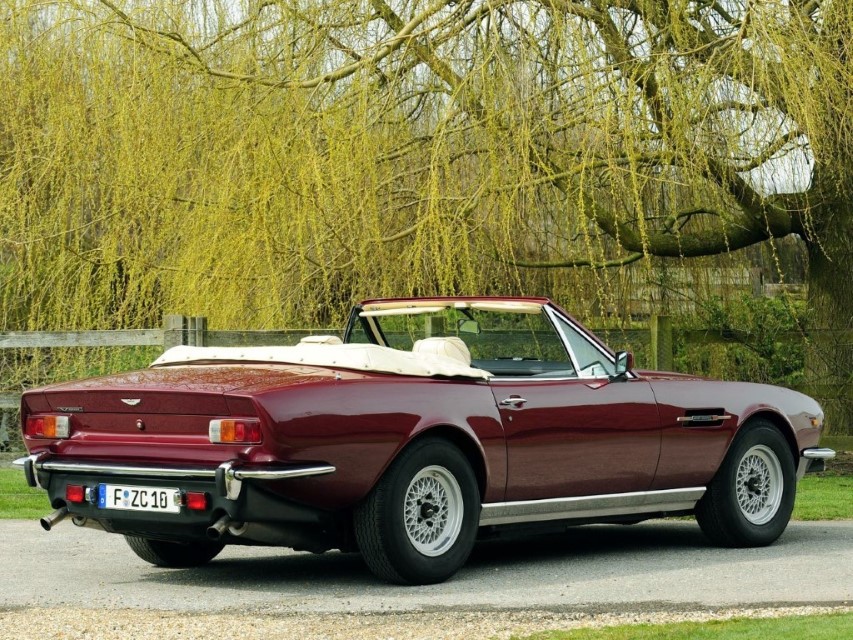
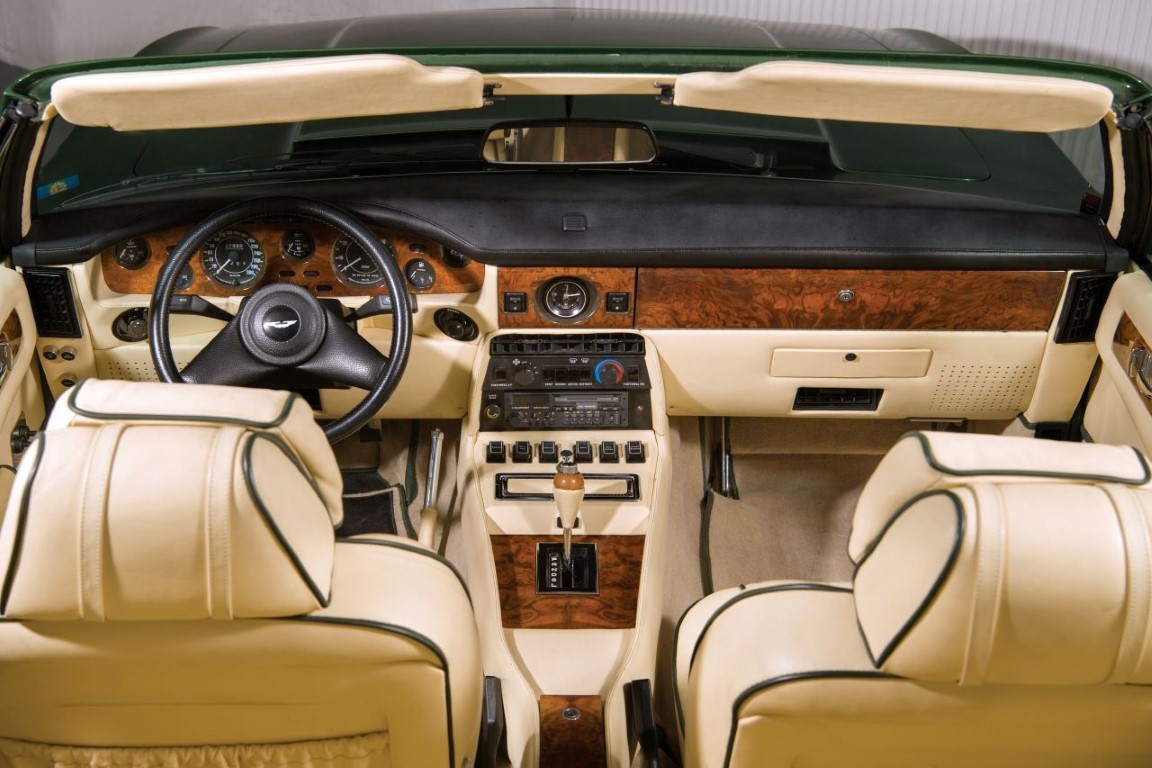
To understand the importance of the Aston Martin V8 Volante, it is fundamental to situate it in the
turbulent context of the British automotive industry of the 1970s. The introduction of the V8 Volante in
1978 was not just the launch of a new model; it was a declaration of survival and a commitment to the
craftsmanship of Newport Pagnell. The model represented the brand's return to prestigious convertibles,
filling a gap left since the end of DB6 Volante production in 1970.
The "Volante" nomenclature is an exclusive Aston Martin signature for its convertible models. The
term evokes the idea of "flying" or moving with lightness and agility. The V8 Volante was designed to be
more than a sports car; it was conceived as a supreme Grand Tourer (GT), maintaining the classic
front-engine, rear-wheel-drive configuration.
Tadek Marek's Legacy: The V8 Engine
The heart of the V8 Volante is its engine, designed by Polish engineer Tadek Marek. This 5,340 cc
(5.3 liter) V8 powerplant is a legendary piece of engineering that served Aston Martin for over three
decades.
- Architecture: Built entirely in aluminum alloy, with double overhead
camshafts (DOHC) for each cylinder bank, totaling four camshafts.
- The Carburetor Era (1978–1985): The V8 Volante inherited the configuration
of four twin-choke Weber carburetors, delivering over 300 horsepower and a guttural soundtrack.
- The Transition to Electronic Fuel Injection (1986–1989): In 1986, the
Weber-Marelli electronic fuel injection system was introduced, improving fuel economy, cold starting,
and smoothness.
Chassis, Suspension, and Transmission
The V8 Volante was built on a reinforced steel platform, with the bodywork hand-formed in aluminum.
To compensate for the loss of the roof, engineers carried out extensive reinforcement work on the chassis,
resulting in a weight of around 1,990 kg.
The suspension combined sports car geometry with comfort-oriented solutions. The rear utilized the
sophisticated De Dion tube axle, which keeps the wheels parallel and reduces unsprung weight.
Transmissions: 3-speed Chrysler Torqueflite automatic (predominant) or 5-speed ZF
manual (rare and highly desired by purists).