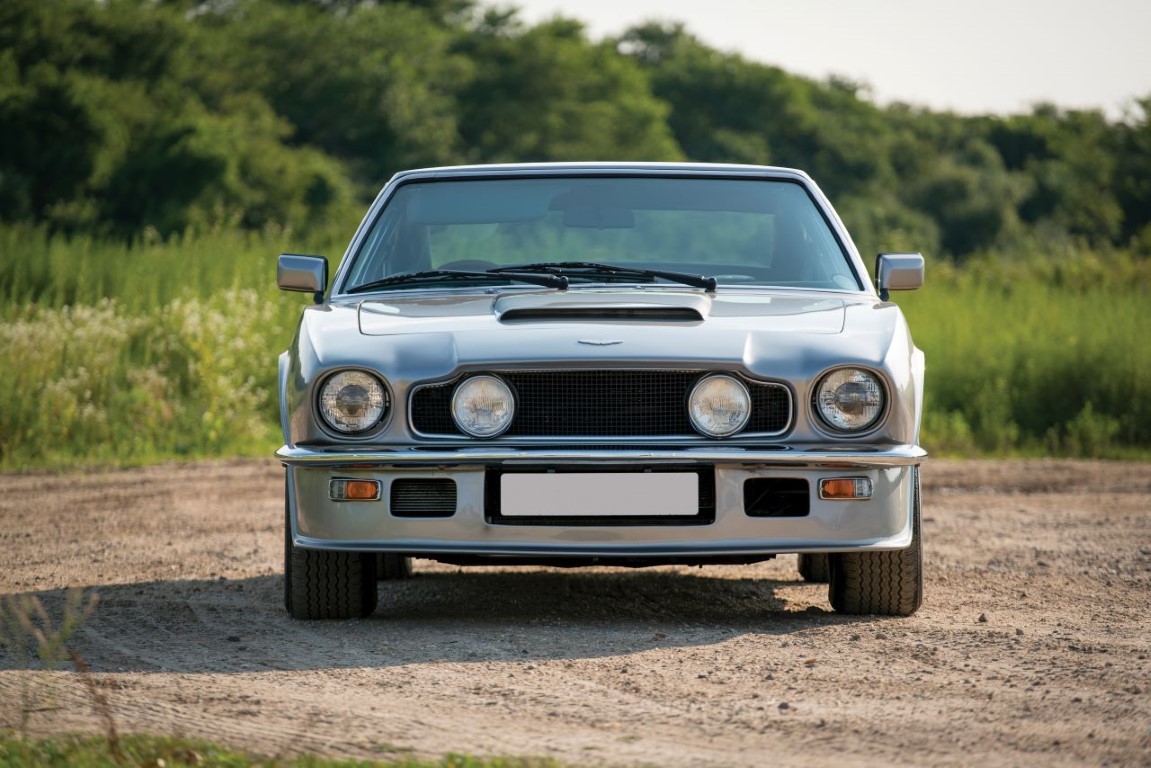
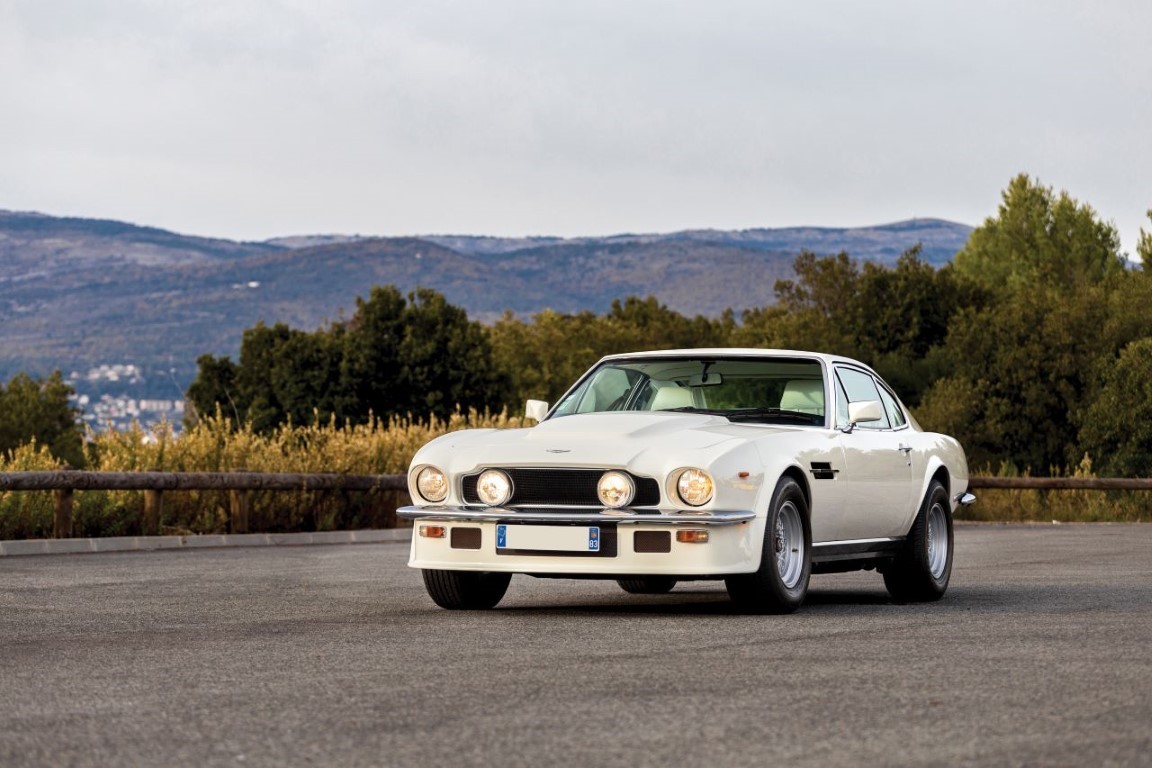
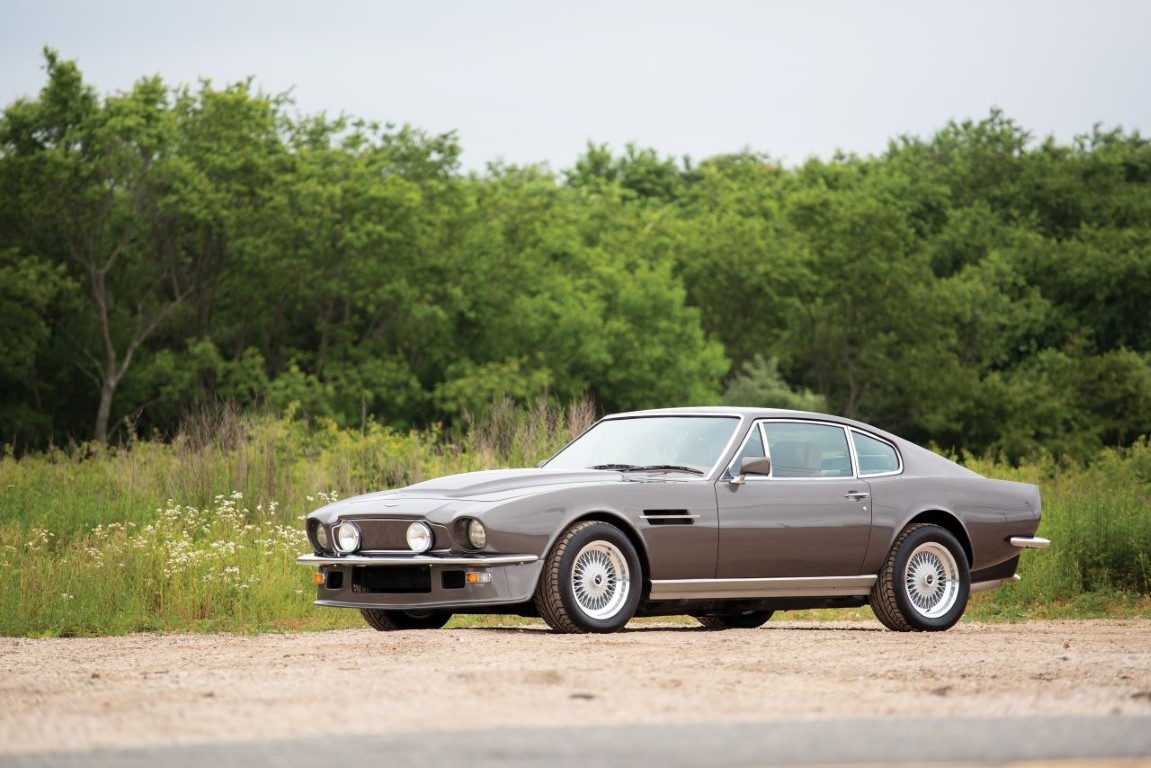
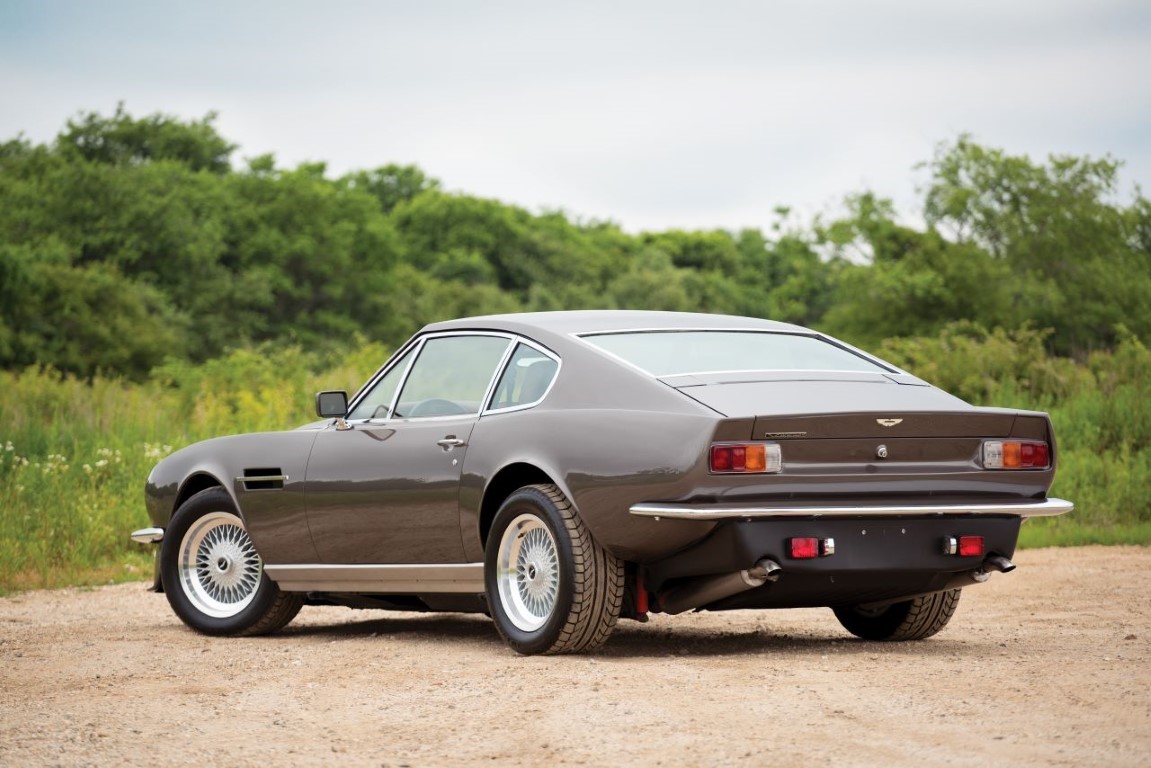
The Cornerstone of British Survival
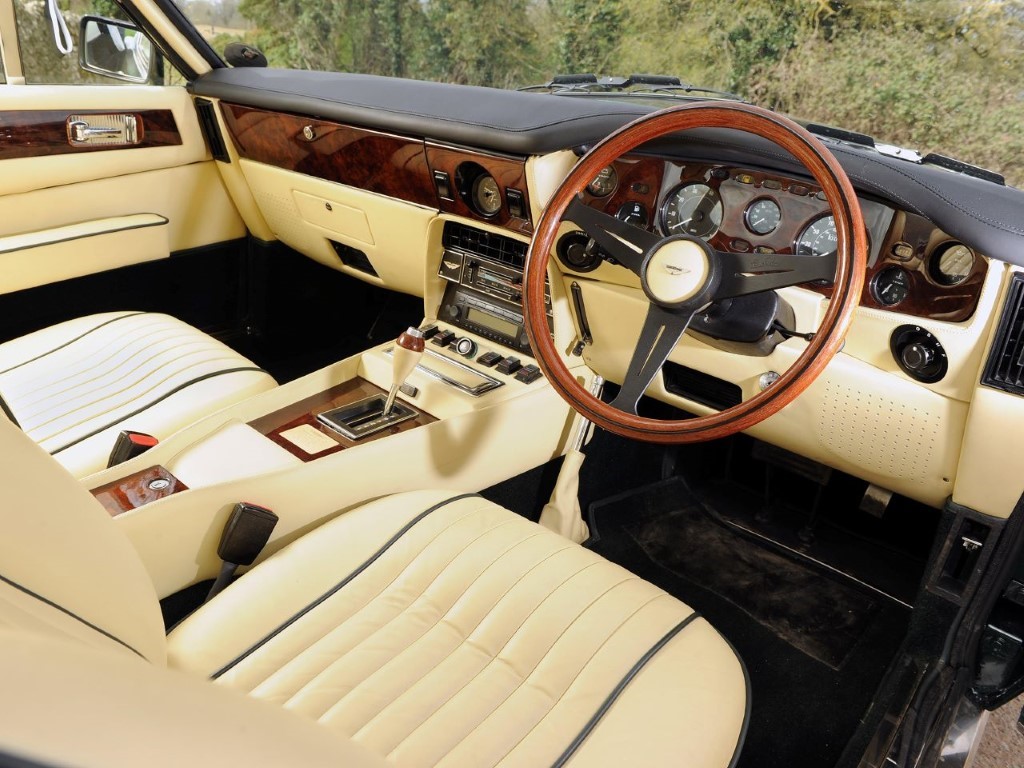
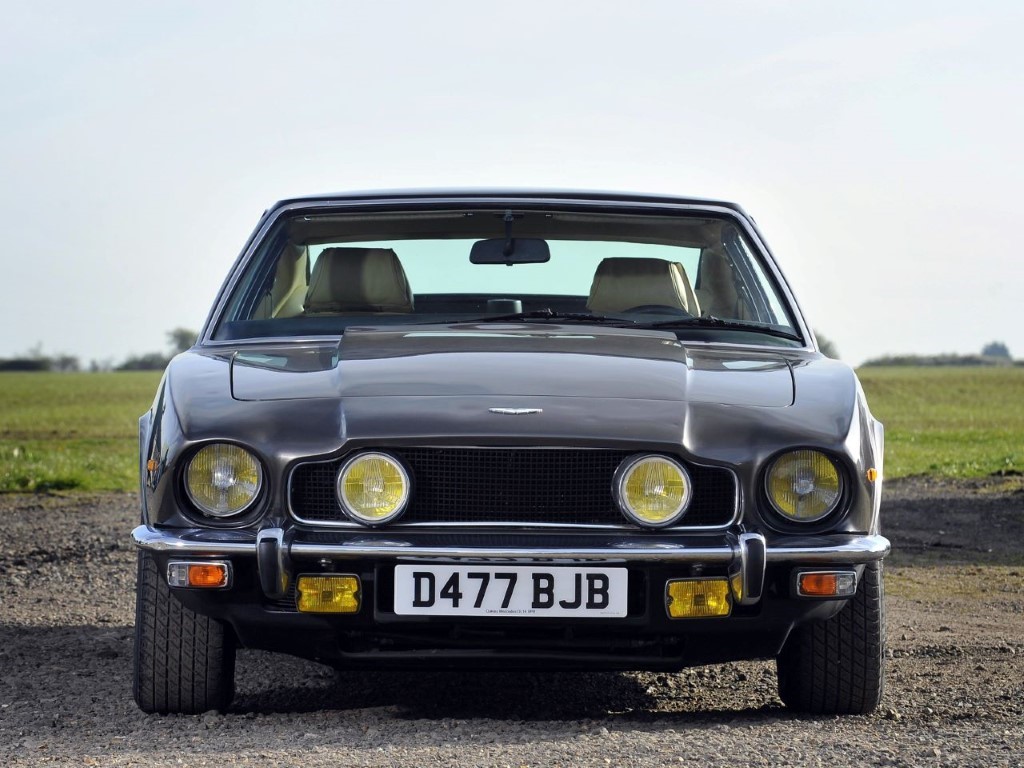
The history of the Aston Martin V8 is not merely the chronicle of a luxury automobile; it is the
tangible record of the resilience of one of Britain's most iconic brands through two decades of industrial
turbulence, oil crises, and corporate uncertainty. This model, handcrafted in Newport Pagnell between 1969
and 1989, served as the financial and engineering backbone of Aston Martin Lagonda Ltd., allowing the
company to survive the departure of its patron, Sir David Brown, and enter the modern era.
The V8 represented a fundamental transition in the brand's philosophy: the shift from the agile, yet
smaller, six-cylinder engines that powered the legendary DB4, DB5, and DB6, to a new era of raw power and
high-speed Grand Touring (GT) capability, driven by a lightweight alloy V8 engine designed by the visionary
Polish engineer Tadek Marek. During its twenty-year life cycle, the model evolved from a fast GT into
Britain's first true "supercar" in the form of the V8 Vantage, challenging the Italian hegemony of Ferrari
and Lamborghini with a unique combination of brute force and aristocratic refinement.
Genesis and the Precursor: The DBS V8 (1969–1972)
To understand the "Aston Martin V8", it is imperative to analyze its direct predecessor and chassis
donor, the Aston Martin DBS. In the mid-1960s, Aston Martin recognized the need to replace the aging DB6
with a more modern, spacious, and aerodynamic car, capable of accommodating the new V8 engine that was under
development.
The design of the new car was entrusted to William Towns, who conceived a modern, angular, and
aggressive bodywork. The DBS was launched in 1967, but initially with the old inline six-cylinder engine due
to delays with the V8. It was only in 1969 that the V8 engine was deemed ready for production, giving rise
to the DBS V8.
Production and Specifications of the DBS V8
| Characteristic |
Detail |
| Production Period |
1969 – 1972 |
| Units Produced |
402 (approx.) |
| Engine |
5.3L V8, Bosch Mechanical Injection |
| Estimated Power |
~315 - 320 bhp |
| Top Speed |
160 mph (257 km/h) |
| Designer |
William Towns |