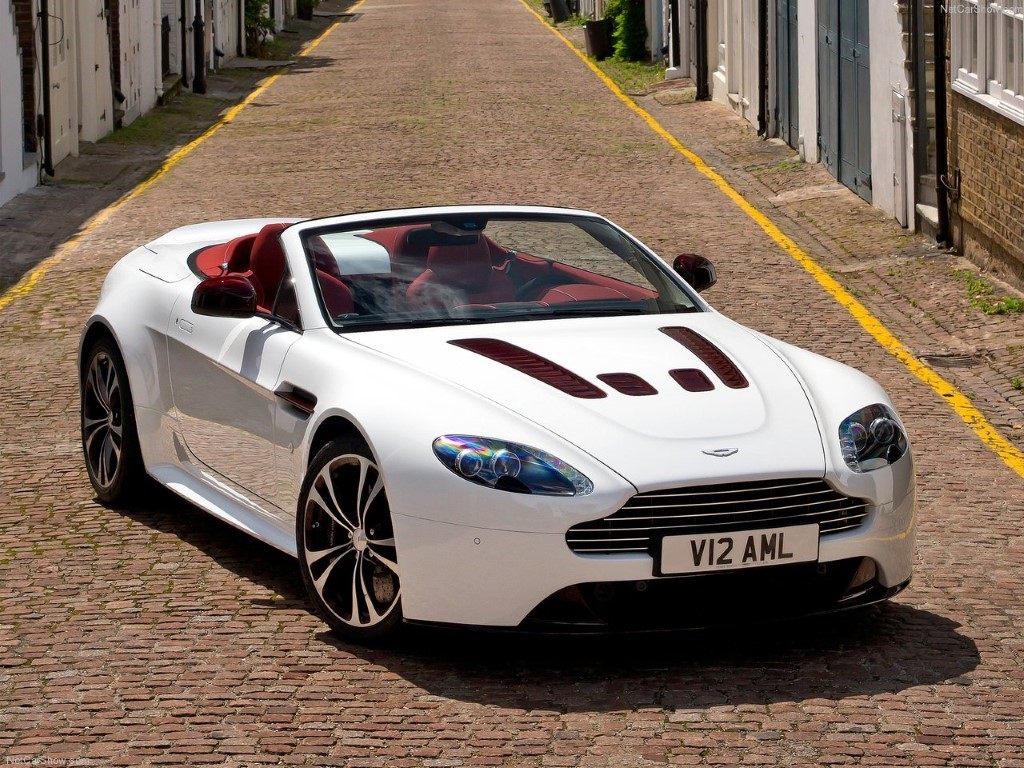
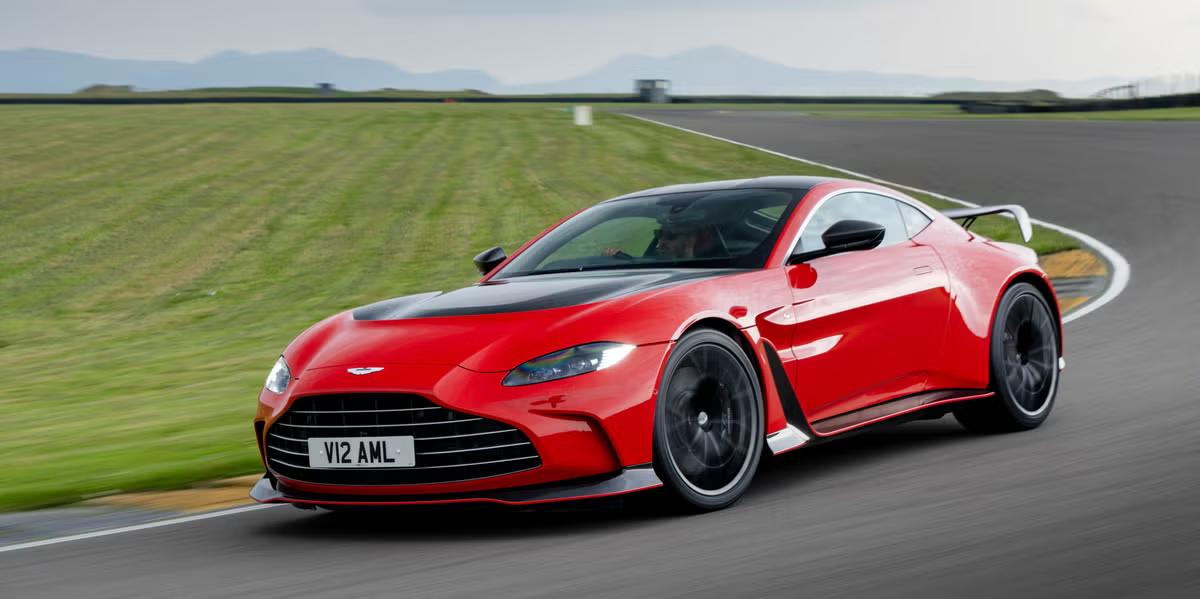
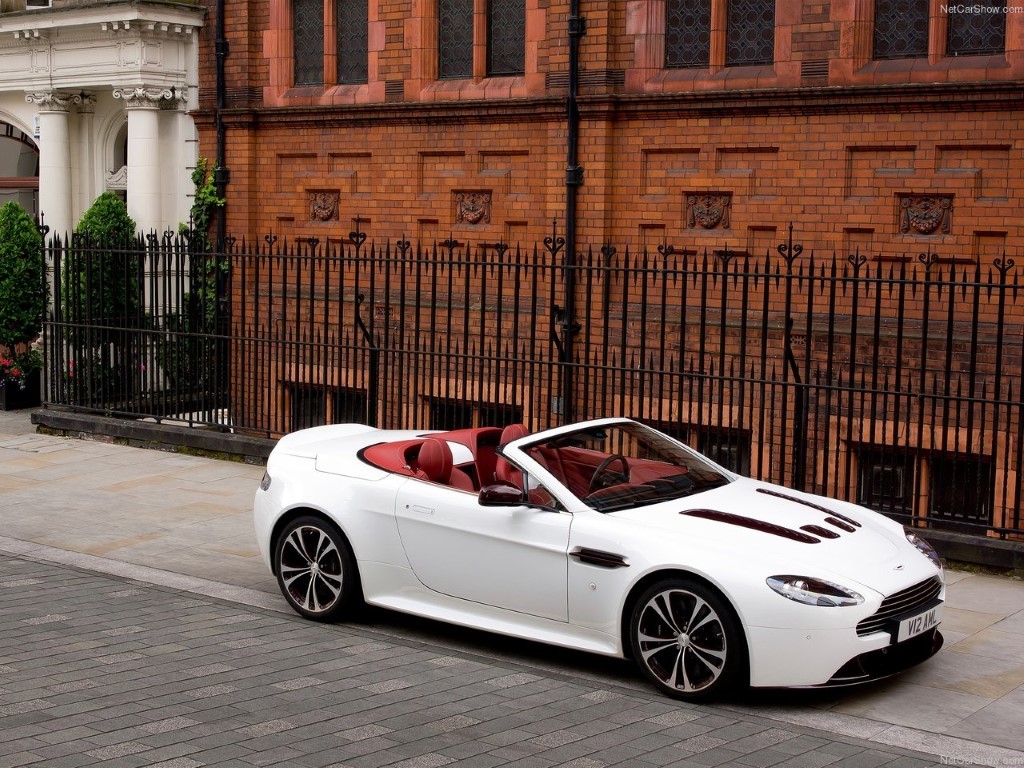
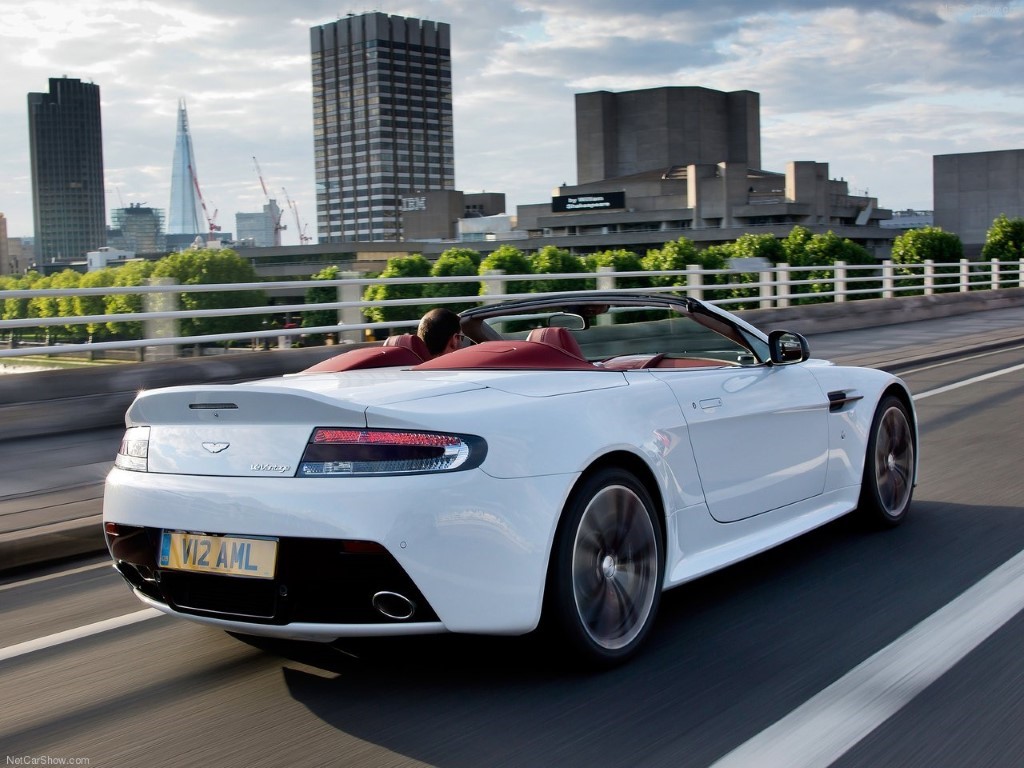
In the pantheon of modern automotive history, few vehicles capture the purist imagination with the
same intensity as the Aston Martin V12 Vantage. This automobile is not just a model within a lineup; it
represents a moment of philosophical and engineering defiance. The premise was deceptively simple, evoking
the era of classic "Hot Rods": install the largest and most powerful engine available into the company's
smallest and most agile body. However, Aston Martin's execution of this idea—a brand historically associated
with refined and elegant Grand Tourers (GTs)—resulted in a machine of singular character, frequently
described as "a brute in a tailored suit."
This technical and historical report aims to dissect, in exhaustive detail, the trajectory of the V12
Vantage. From its initial conception as a "skunkworks" (secret development) project in 2007 to its final
turbocharged farewell in 2022, we will analyze every bolt, every strategic decision, and every production
number that makes up the legend. We will examine how Aston Martin navigated the constraints of the VH
(Vertical Horizontal) platform, the internal battles over manual versus automated transmissions, and how,
against all logical market odds, this car became the last bastion of the analog driving experience.
The following analysis is not limited to listing specifications; it seeks to understand the "why"
behind the data. Why did Aston Martin insist on a manual transmission when Ferrari was abandoning it? Why
was the Roadster's production so restricted? And how did the evolution from a naturally aspirated V12 to a
twin-turbo fundamentally alter the vehicle's soul? Through collected data and expert analysis, we will
reconstruct the definitive narrative of the V12 Vantage.
The Genesis and the "RS" Concept (2007–2008)
In 2007, Aston Martin was experiencing a period of optimism and newly acquired independence, having
separated from Ford. Under the leadership of Dr. Ulrich Bez, the brand sought to reaffirm its identity not
merely as a maker of beautiful cars, but as a serious engineering force. The V8 Vantage, launched in 2005,
was already a critical and commercial success, positioned as a direct rival to the Porsche 911. However,
critics pointed out that the V8's chassis was capable of handling much more power than the original
4.3-liter engine offered.
The response to this criticism did not come from a product planning committee, but from the passion
of the engineers. The idea of transplanting the V12 engine from the flagship DBS into the compact Vantage
chassis seemed, on paper, a physical and dynamic impossibility. The Vantage's engine bay had been designed
for a short V8; a long V12 would drastically alter weight distribution and airflow.
The Unveiling of the V12 Vantage RS Concept
The world was introduced to this audacious idea on December 11, 2007. The occasion was the inauguration of
Aston Martin's new Design Studio in Gaydon, Warwickshire. Before an audience of VIPs and journalists, the
cover was pulled off a car painted in a vibrant blue (Mako Blue), christened the V12 Vantage RS Concept.
The "RS" in the name wasn't just marketing; it signified a direct connection to the racetrack. Unlike
the production car that would follow, the RS concept was an engineering beast focused almost exclusively on
circuit performance.
- The Power Unit: The concept housed a dry-sump version of the V12 engine,
developed by Prodrive for the DBRS9 race car. Initial specifications promised 600 bhp (although later
analyses suggested the true power was closer to 580 bhp). The use of a dry sump allowed the engine to be
mounted lower in the chassis, improving the center of gravity.
- Strict Diet: The weight target for the concept was aggressive: under 1,600
kg. For context, this would be notably lighter than the production V8 Vantage of the time (1,630 kg),
despite the addition of four cylinders and liters of displacement. This was achieved through the liberal
use of carbon fiber on the hood, trunk lid, rear diffuser, and an interior stripped of luxuries,
equipped with lightweight Recaro racing seats.
- Theoretical Performance: Aston Martin claimed a 0 to 100 km/h (0-62 mph)
time of 4.0 seconds and a potential top speed exceeding 320 km/h (200 mph), numbers that placed the
"Baby Aston" firmly in elite supercar territory.
The reaction was immediate and overwhelming. The company received what it described as a "flood" of
interest, with clients willing to write blank checks that very night. Dr. Ulrich Bez, sensing the potential,
announced: "If there is sufficient demand, we will seriously consider a low-volume production run in the
near future." The seed was planted, but the path to production would require compromises and brilliant
engineering solutions.