Design, Architecture, and Launch
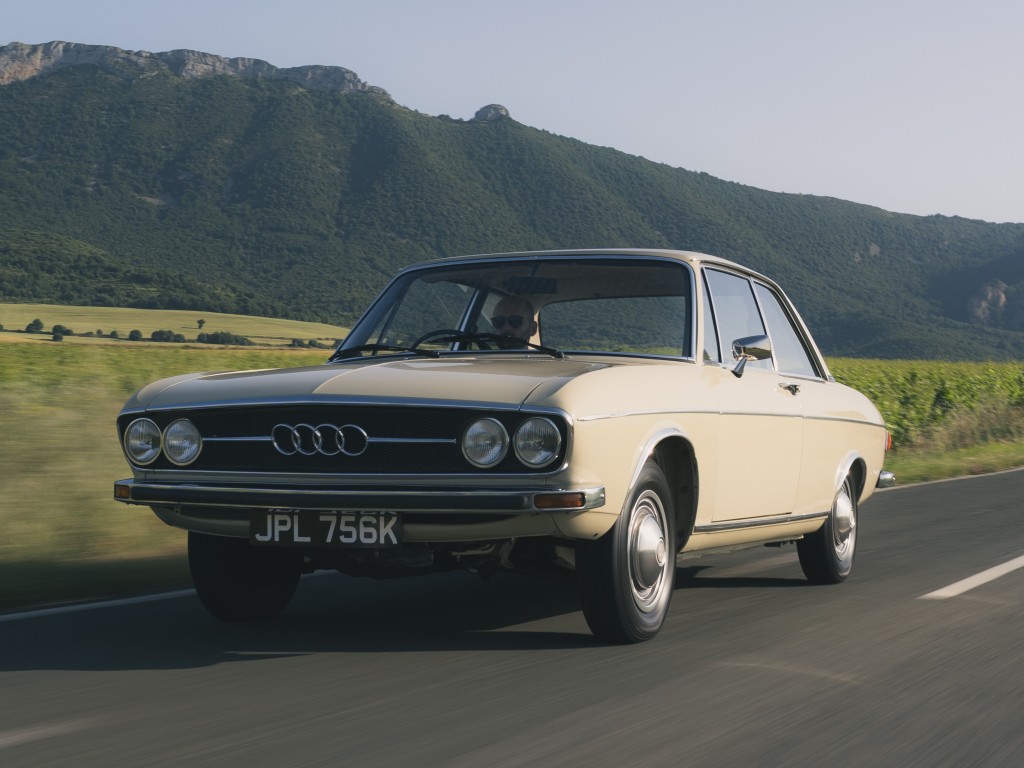
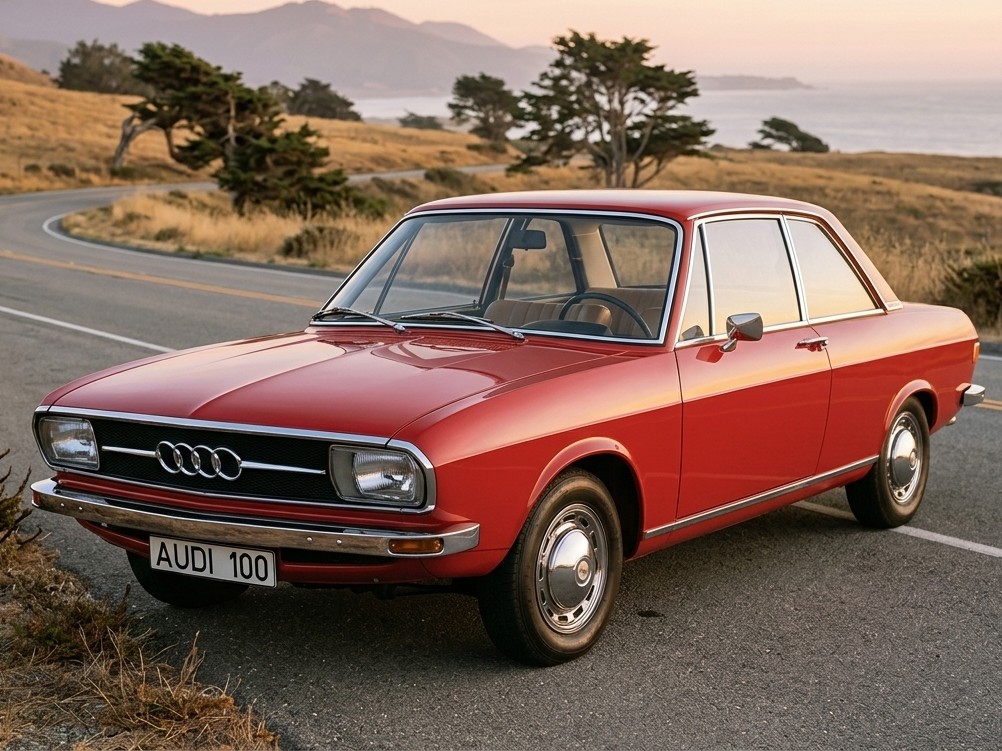
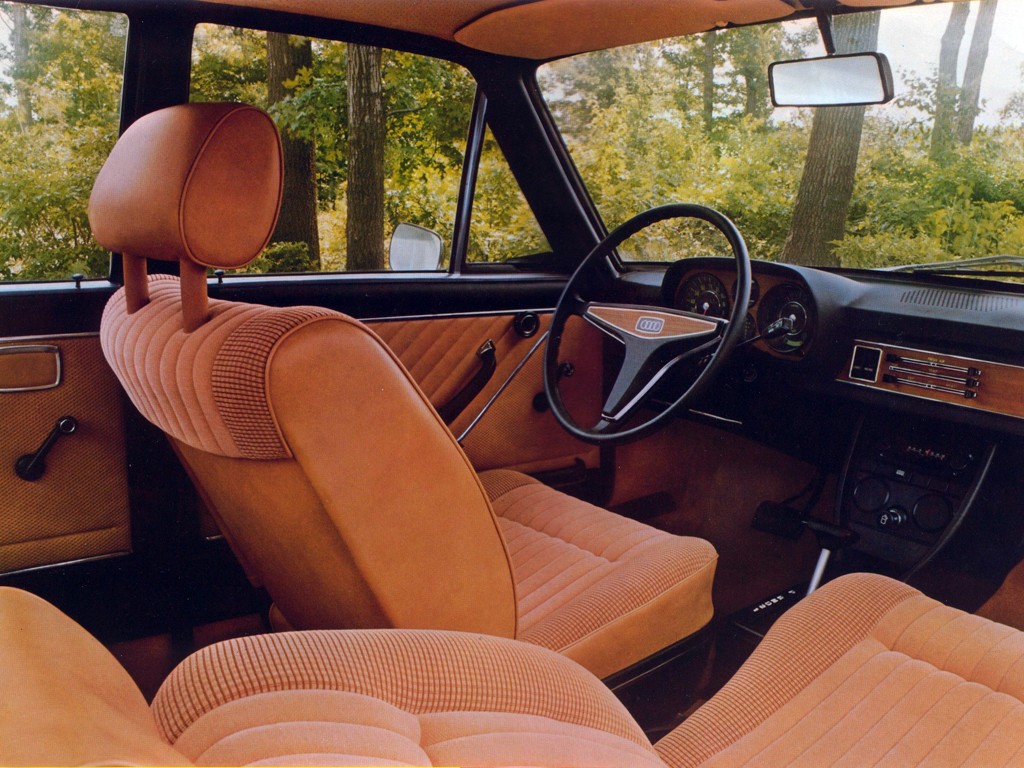
Built on the Volkswagen Group C1 platform, the first-generation Audi 100 adopted a front-longitudinal engine, front-wheel-drive mechanical layout. The absence of a central transmission tunnel maximized interior cabin space to comfortably seat five passengers. The chassis featured an independent double-wishbone front suspension and a torsion-beam axle at the rear. A notable engineering detail during the early years of the C1 model was the use of inboard-mounted front disc brakes, located next to the differential output, aimed at reducing the vehicle's unsprung mass.
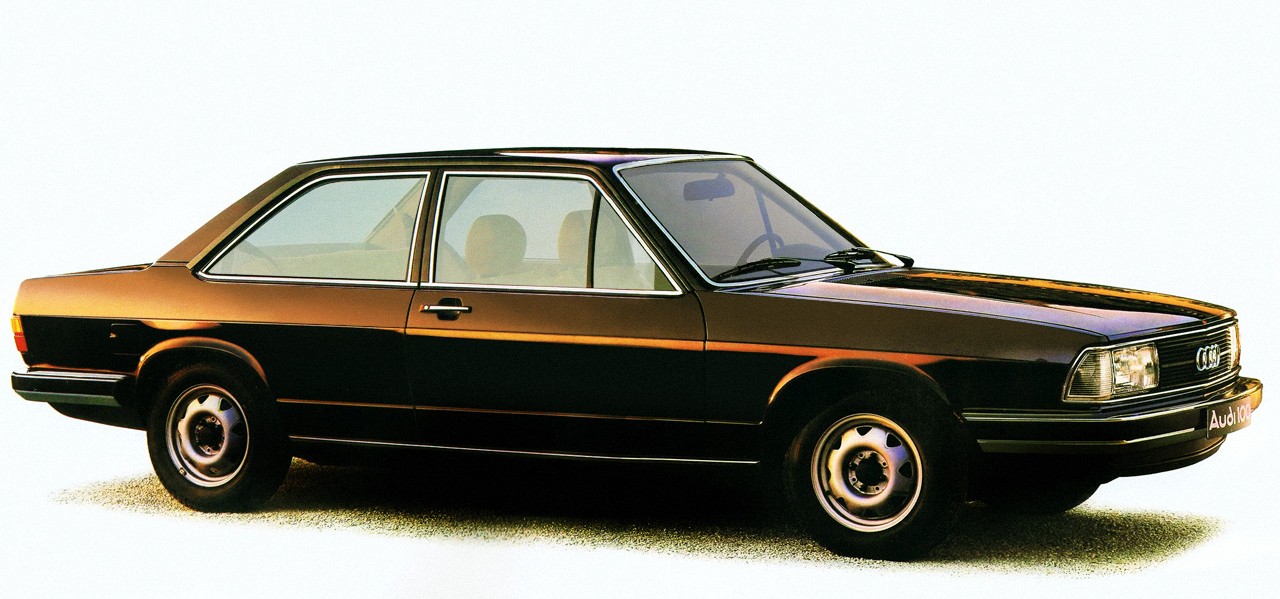
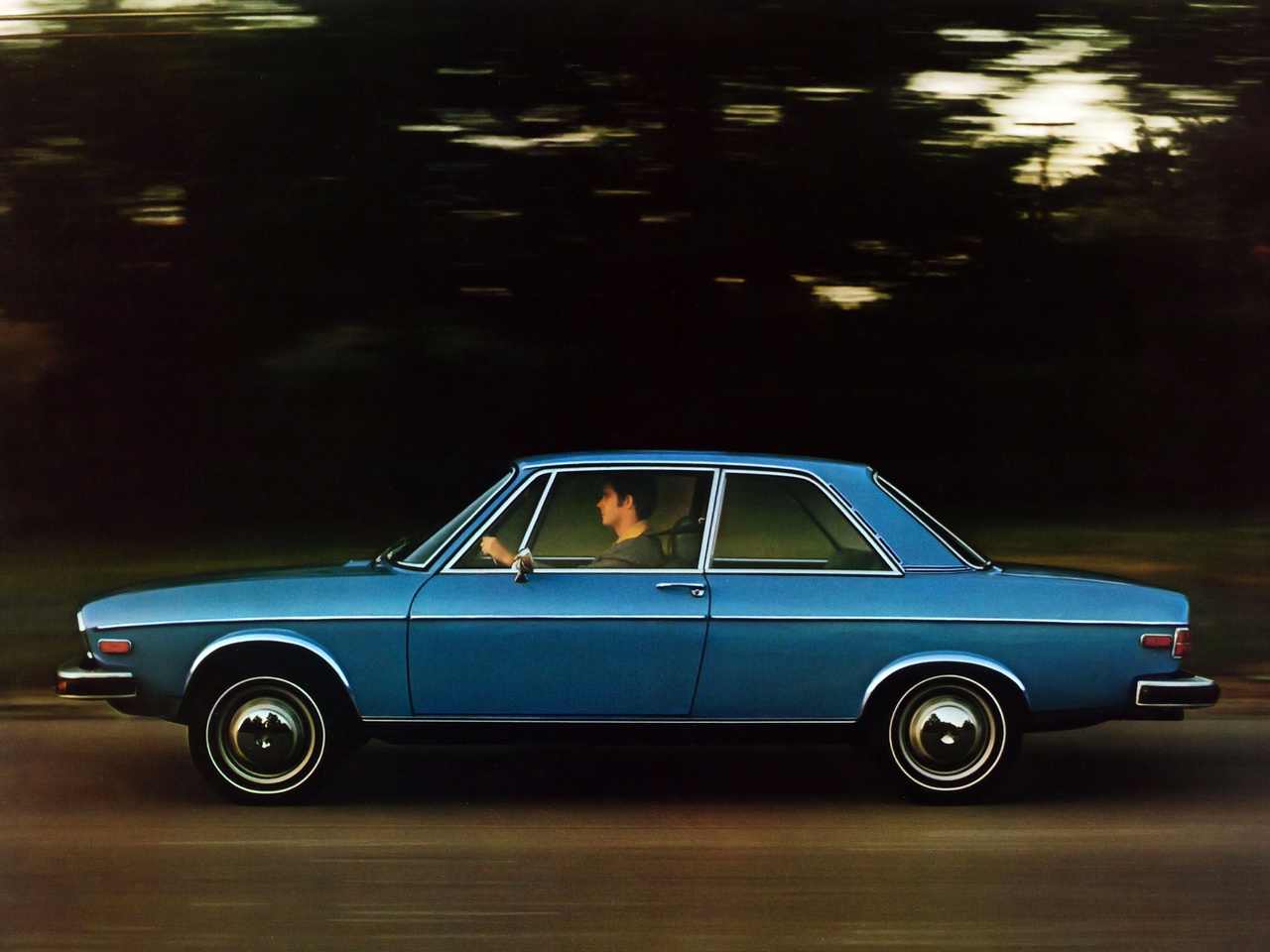
The body lineup quickly expanded to include a two-door sedan in 1969 and a fastback coupe dubbed the Audi 100 Coupé S in 1970. In the North American market, the sedan debuted in 1970 in the LS trim, making it the brand's first model officially sold in the United States. In March 1971, the 500,000th Audi vehicle rolled off the assembly line in Ingolstadt, showcasing the car's rapid sales pace.
Technical Updates and 1973 Facelift
In 1972, the powertrain range underwent technical revisions in which the entry-level 80 PS and 90 PS variants were replaced by an updated 85 PS version of the 1.8-liter engine running on regular gasoline. Concurrently, the brand introduced the 100 GL trim level, powered by the 115 PS 1.9-liter engine previously exclusive to the Coupé S.
In September 1973 (for the 1974 model year), Audi rolled out the mid-cycle facelift for the C1 generation. Aesthetic changes included a smaller rectangular front grille, more angular front fenders, and redesigned taillight lenses. Mechanically, the rear torsion axle was replaced by a coil-sprung suspension, delivering improved road-holding and ride comfort. For the 1975 model year, the base version was renamed 100 L and adopted the 1.6-liter engine sourced from the Audi 80. In the United States, the model gained a Bosch electronic fuel injection system in 1975 to meet local emissions regulations.
C1 Powertrain Specifications and Production Figures
Powertrains for the C1 generation consisted of inline four-cylinder gasoline engines equipped with carburetors or electronic fuel injection.
| Version |
Displacement |
Power |
Torque |
Fuel System |
Production Period |
| 100 (Base) |
1.8L (1,760 cc) |
80 PS (79 hp / 59 kW) |
135 Nm |
Carburetor |
1968–1972 |
| 100 S |
1.8L (1,760 cc) |
90 PS (89 hp / 66 kW) |
142 Nm |
Carburetor |
1968–1972 |
| 100 LS |
1.8L (1,760 cc) |
100 PS (99 hp / 74 kW) |
150 Nm |
Carburetor / Injection |
1968–1976 |
| 100 L |
1.6L (1,588 cc) |
85 PS (84 hp / 63 kW) |
122 Nm |
Carburetor |
1974–1976 |
| 100 GL / GLS |
1.9L (1,871 cc) |
112–115 PS (111–113 hp / 84 kW) |
160 Nm |
Carburetor |
1972–1976 |
Total production of the Audi 100 C1 reached 827,474 units. The Sedan body style (two- and four-door) accounted for 796,787 examples, while the Coupé S registered 30,687 units produced.