The trajectory of the Audi A1 is not just the history of a car model; it is a case study on how a premium
German brand descended the automotive pyramid to capture a new demographic, without diluting its prestige.
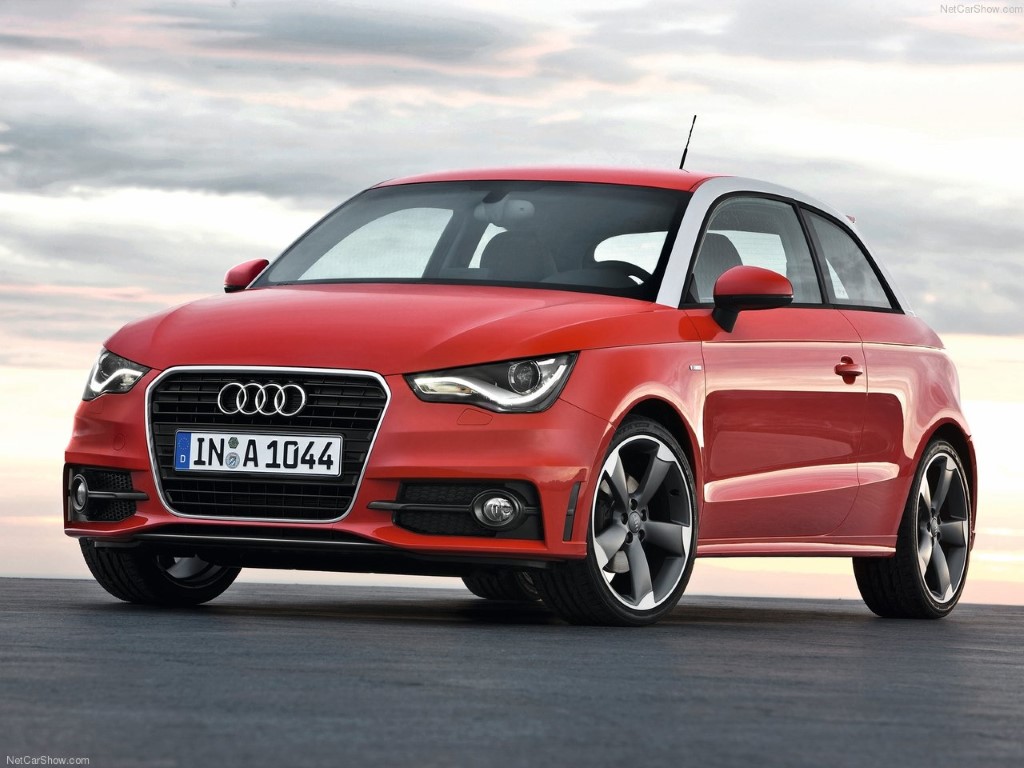
Publicly launched in 2010, the A1 (internal code Typ 8X) represented Audi AG's official return to the
"supermini" or premium compact segment, a territory the brand had left vacant since the end of the Audi 50's
production in the 1970s.
The market context in the late 2000s was clear: growing urbanization and rising fuel prices were
changing consumer habits. Affluent consumers wanted smaller cars to navigate congested cities, but they were
not willing to sacrifice the luxury, build quality, and technology they were accustomed to in larger sedans.
BMW had already proven the viability of this niche with the relaunch of the MINI brand in 2001. Audi needed
a response. The A1 was that response: a condensed vehicle, under 4 meters in length, but with the
unmistakable DNA of Ingolstadt.
Unlike the Audi A2 (1999-2005), which was an engineering marvel built entirely of aluminum but failed
commercially due to its polarizing design and high costs, the A1 adopted a more conventional approach in
terms of materials (steel), but much more aggressive in terms of styling and marketing. It was positioned
not as a rational utility vehicle, but as an object of desire, focused on lifestyle, personalization, and
sportiness.
Conceptual Background and Development
The path to the production model was meticulously paved by a series of concepts that tested
technologies and public reactions. Audi didn't just launch the car; it prepared the ground for three years.
Audi Metroproject Quattro (2007)
The first public appearance of the project occurred at the 2007 Tokyo Motor Show, in the form of the
Metroproject Quattro concept. This vehicle was fundamental for establishing the design language we would see
in series production, specifically the contrasting brushed aluminum roof arch, which would become the visual
signature of the first generation.
More importantly than the design, the Metroproject Quattro was an engineering laboratory. It featured
an innovative hybrid propulsion system for the time: a 150 hp 1.4 TFSI engine drove the front wheels, while
a 41 hp electric motor, mounted on the rear axle, powered the rear wheels. This allowed for 'Quattro'
all-wheel drive without a mechanical connection (driveshaft) between the axles, saving weight and space.
Although the exact hybrid system did not enter immediate production in the A1, it anticipated the
electrification and electric all-wheel-drive strategy that Audi would adopt more than a decade later with
the e-tron lineup.
Audi A1 Project Quattro (2008)
The following year, Audi refined the idea with the A1 Project Quattro concept. This design study
focused more on production viability and demonstrating infotainment technologies, such as mobile
integration, which would be a sales pillar for the A1's young target audience.
A1 Sportback Concept (2008)
Also in 2008, at the Paris Motor Show, Audi revealed the A1 Sportback Concept. While previous
concepts focused on the three-door body style, this prototype confirmed that Audi had serious intentions of
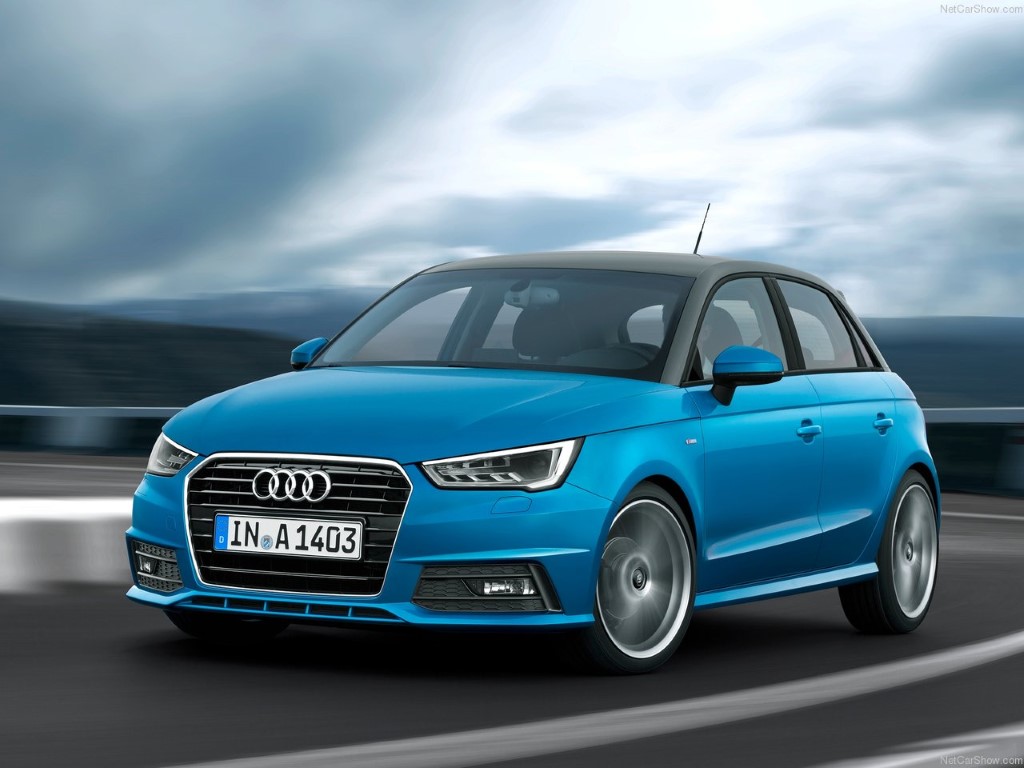
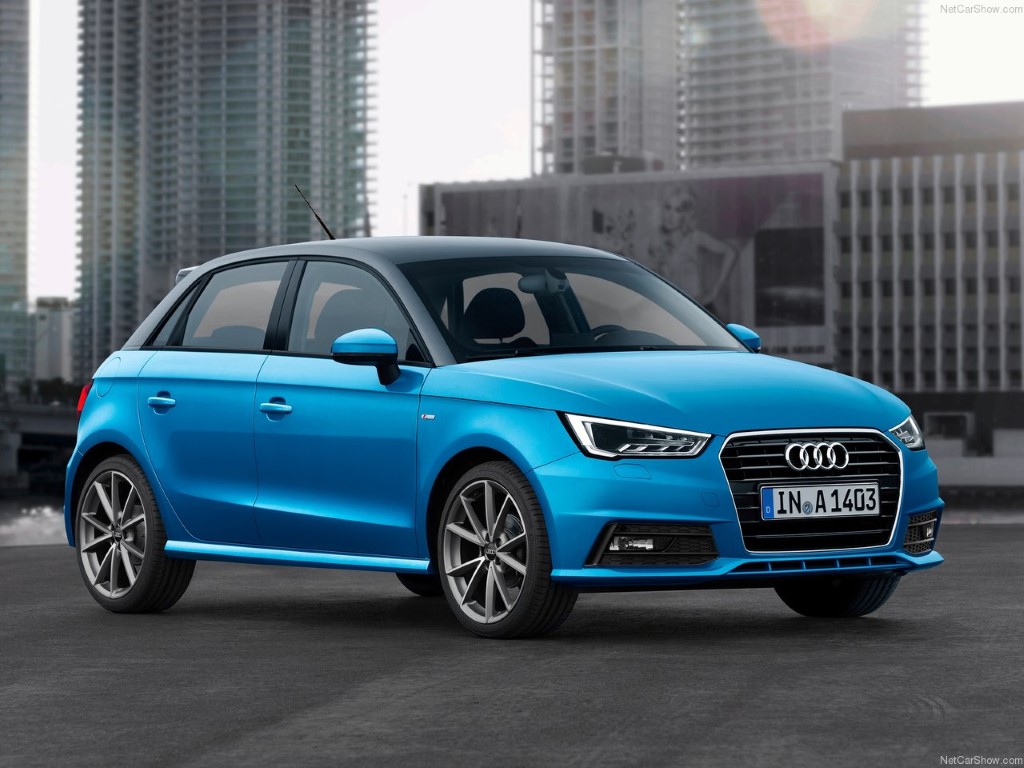
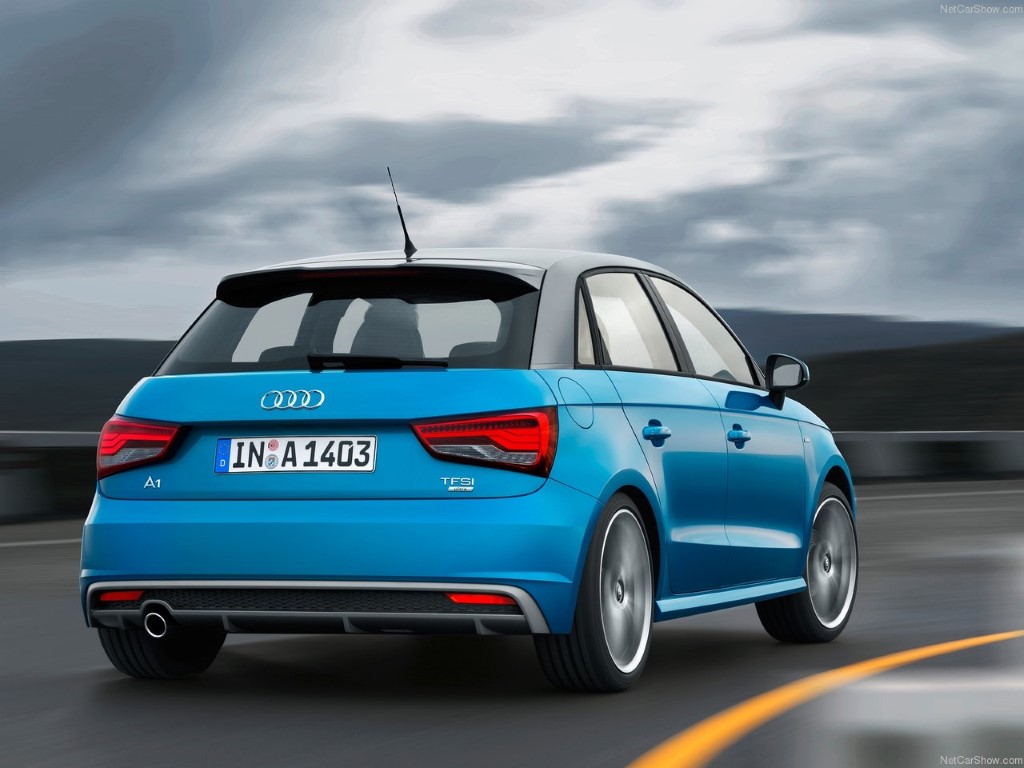
offering a five-door variant. The Sportback concept showed a slightly larger vehicle focused on versatility,
signaling that the A1 would not just be a weekend toy, but a car capable of serving small families.