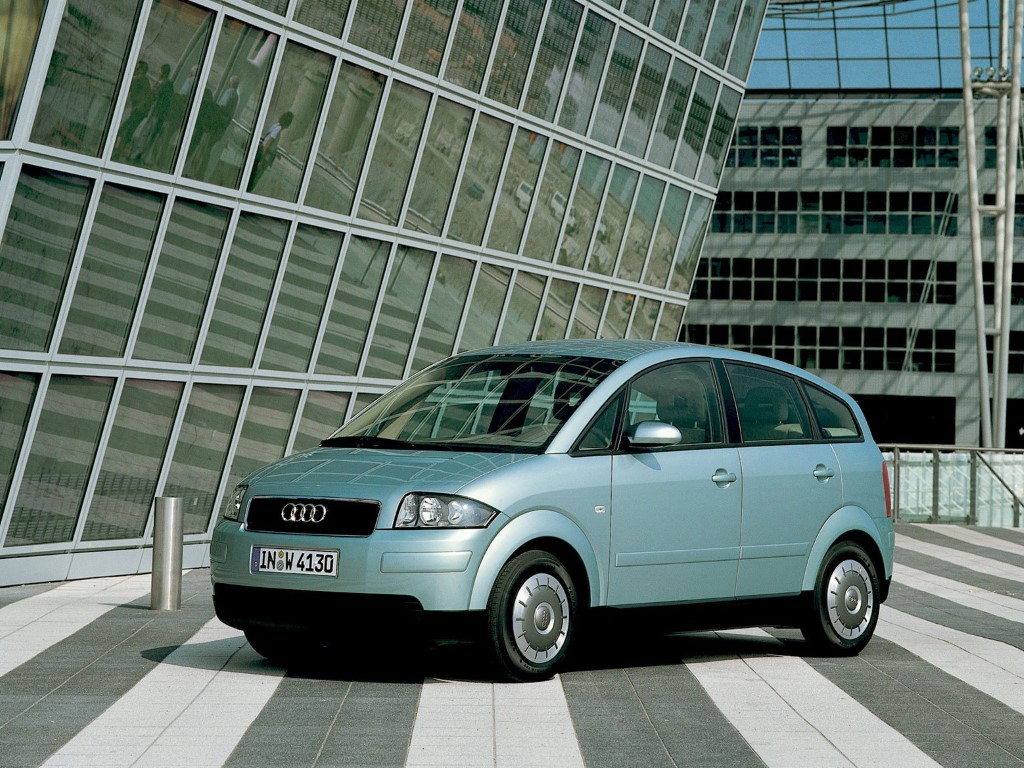
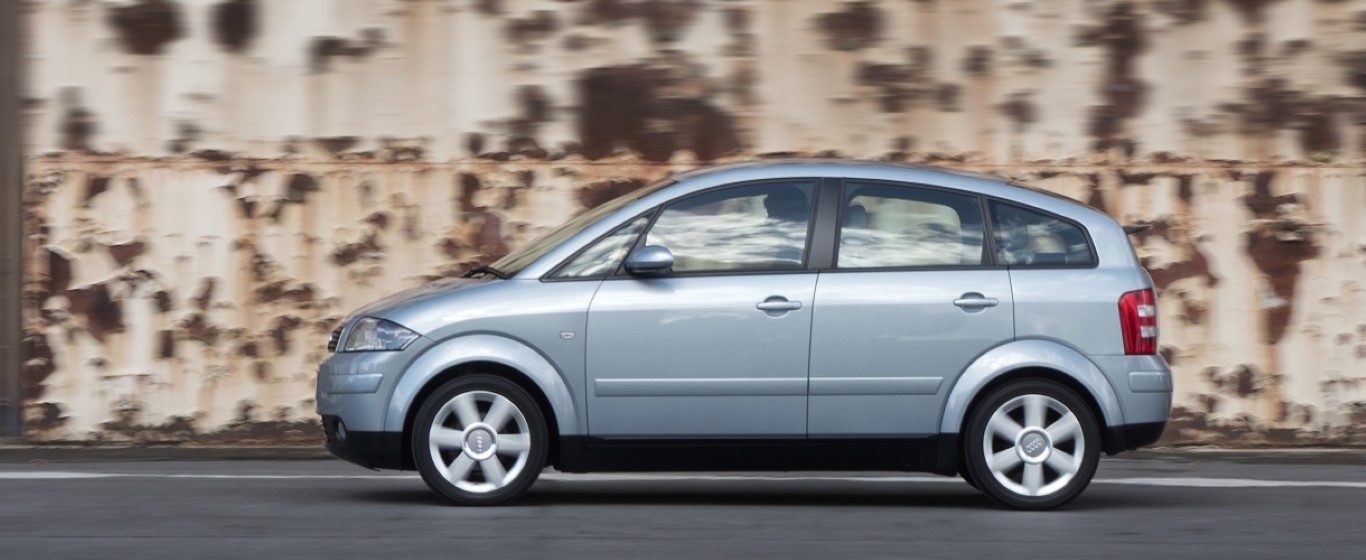
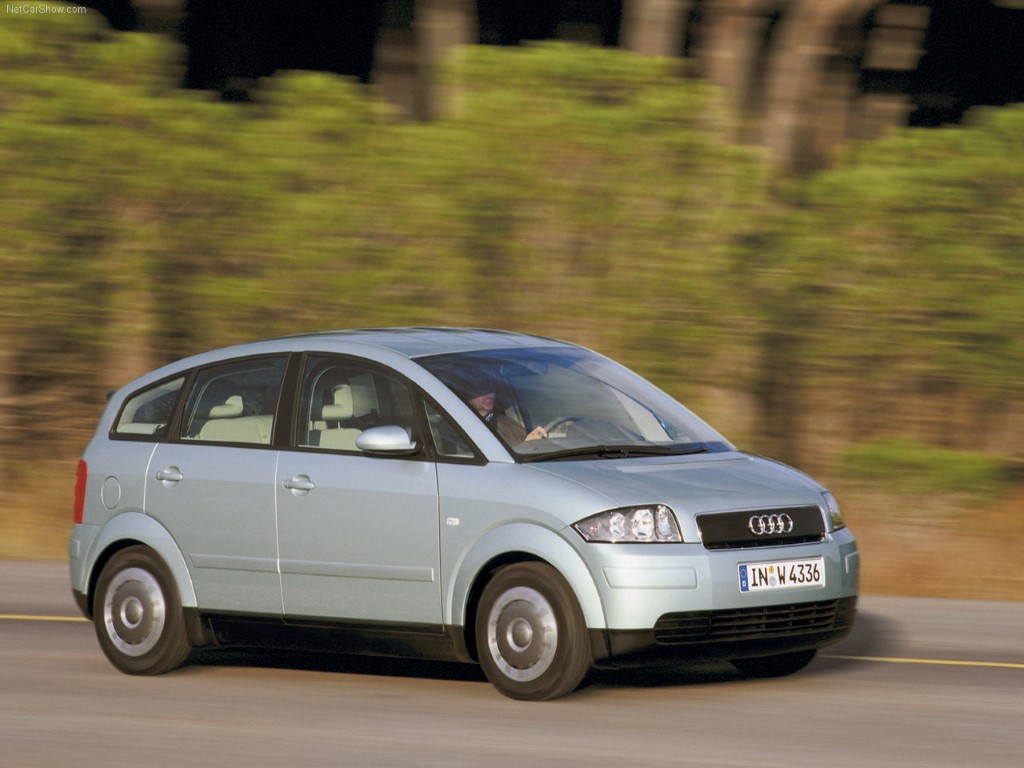
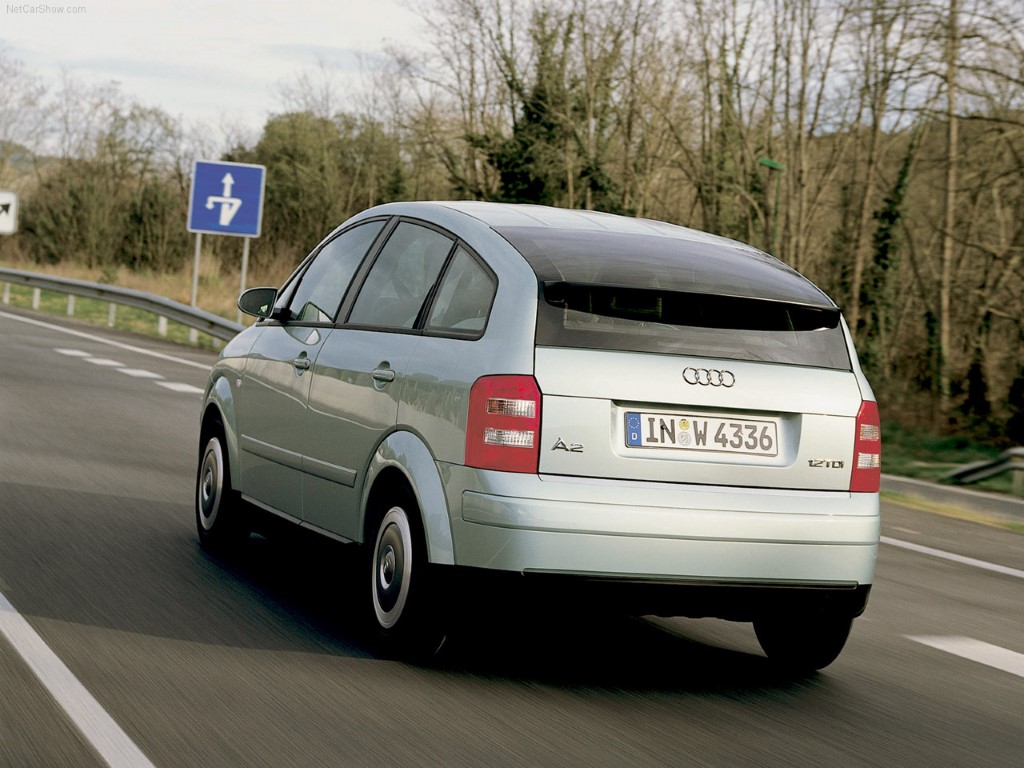
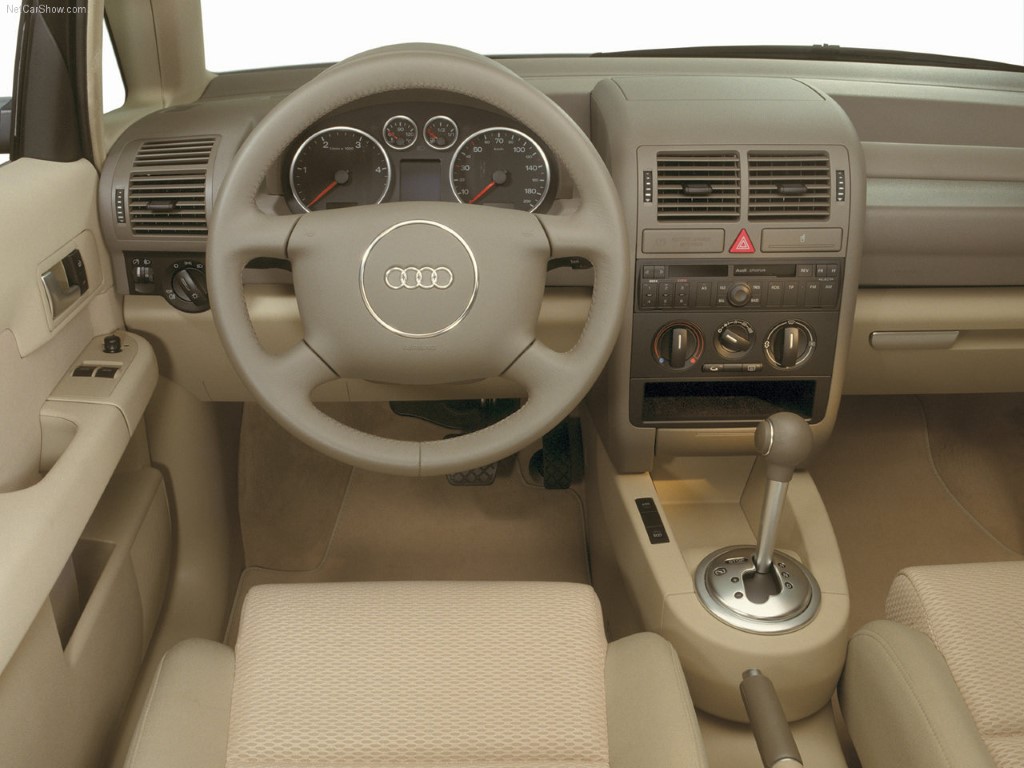
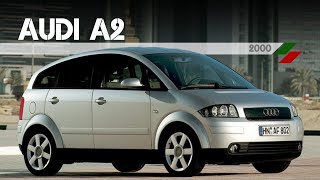
Two decades after the end of its production, the Audi A2 is experiencing a renaissance as a
"cult" classic and "Youngtimer".
Durability and Maintenance
The A2's biggest advantage today is its aluminum body: it does not rust. While
contemporary cars like the Mercedes A-Class or VW Golf IV frequently suffer from
structural corrosion, surviving A2s remain structurally sound. However,
collision repairs are expensive and require aluminum welding specialists.
Common problems reported by owners include failures with the Open Sky sunroof (which
can cost thousands of euros to fix), wear on interior buttons (Audi's
"soft touch" coating from this era peels off), and electronic issues in
comfort modules.
The 2011 Concept and the Electric Future
The idea of a "new A2" never completely disappeared. In 2011, Audi presented the A2
Concept in Frankfurt, a pure electric vehicle with 116 hp and a 200 km range. The
project aimed to compete with the BMW i3, but was canceled around 2013 due to
cost concerns and the lack of maturity in the electric market at the time.
Today, the original A2's lightweight architecture makes it a popular candidate for electric
conversions (retrofit). Its aerodynamic efficiency and low weight mean it can
achieve good range even with smaller batteries, keeping the original vision of
extreme efficiency alive.
Conclusion: A Misunderstood Visionary
The Audi A2 was, paradoxically, a victim of its own excellence. It offered solutions
to problems that the mass market did not yet consider urgent in the year 2000. It was an
engineering exercise without compromise, where weight reduction and efficiency were
pursued with a rigor rarely seen in mass-production cars.
If it failed commercially to meet Audi's goals, historically it triumphed
as a technological milestone. The A2 proved the viability of mass aluminum production and
established efficiency standards that many modern cars still struggle to match.
For enthusiasts and engineers, the A2 remains not as a "weird, small
car", but as a smart and durable monument to functional design — a
true preview of the future that arrived too early.