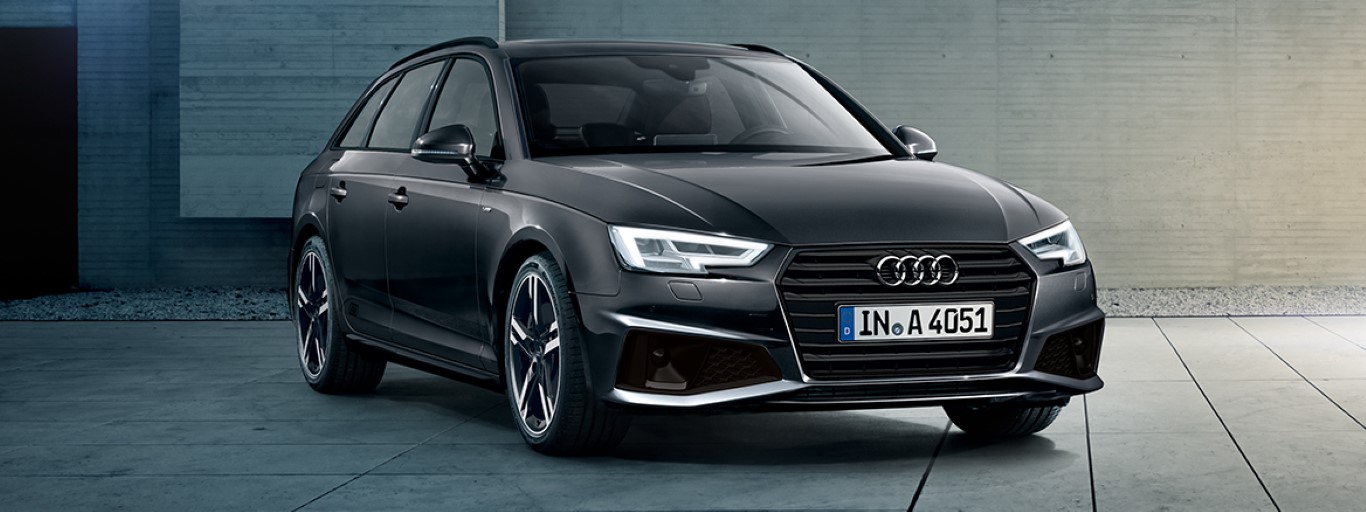
The introduction of the first generation of the Audi A4 Avant (internal code Typ 8D, B5 platform) in
late 1995 marked a turning point in the automaker's history. Replacing the robust, yet aesthetically
conservative, Audi 80 Avant, the B5 was designed to put Audi on an equal footing with the BMW 3 Series
(E36/E46) and the Mercedes-Benz C-Class (W202).
Chassis and Suspension Engineering
The most revolutionary aspect of the B5 generation was not visible externally. Audi implemented an
aluminum "four-link" (four independent arms) front suspension. Historically, front-wheel-drive cars suffered
from "torque steer" (the tendency of the steering to pull to the sides during hard acceleration) and a lack
of precision. The four-link system separated longitudinal and lateral forces, allowing the virtual steering
axis to be positioned exactly in the center of the wheel.
This transformed the car's dynamics. The A4 Avant B5 offered superior ride comfort and directional
stability that became a benchmark in the class. At the rear, front-wheel-drive versions used a
semi-independent torsion beam axle to save trunk space, while Quattro versions employed an independent
double wishbone suspension.
Dimensions and Design
The design, led by Imre Hasanic, broke with the angular lines of the 80s. The B5 featured a high waistline,
narrow pillars, and rounded, fluid surfaces.
- Length: 4,488 mm
- Width: 1,733 mm
- Height: 1,440 mm
- Wheelbase: 2,615 mm
Although the design was praised, the rear interior space was criticized for being cramped, a direct
consequence of the longitudinal engine layout that pushed the cabin backward.
Powertrain: The 5-Valve Era
Audi innovated by introducing cylinder heads with 5 valves per cylinder (3 intake, 2 exhaust) in its
gasoline engines, aiming to improve the engine's breathing capacity at high RPMs. The most emblematic engine
of this generation was the 1.8 Turbo 20V.
| Powertrain (B5) |
Configuration |
Power |
Torque |
Technical Notes |
| 1.6 |
Inline-4 |
101 hp |
140 Nm |
Entry-level, urban focus. |
| 1.8 20V |
Naturally aspirated Inline-4 |
125 hp |
173 Nm |
5-valve cylinder head, linear performance. |
| 1.8 Turbo |
Turbocharged Inline-4 |
150 / 180 hp |
210 / 235 Nm |
The generation's huge success. Low-end torque. |
| 2.4 V6 |
V6 30V |
165 hp |
230 Nm |
Replaced the old 2.6, smooth operation. |
| 2.8 V6 |
V6 30V |
193 hp |
280 Nm |
"Civilian" top of the line, flexible and powerful. |
| 1.9 TDI |
Inline-4 diesel |
90 / 110 hp |
202 / 235 Nm |
Introduction of the variable geometry turbocharger (VGT). |
| 2.5 V6 TDI |
V6 diesel |
150 hp |
310 Nm |
High torque for long-distance travel. |
The transmission could be a 5-speed manual or a 5-speed Tiptronic automatic (manufactured by ZF), which
allowed sequential manual shifts, a technological novelty at the time for this segment.
The Legacy of the First RS4 Avant (2000-2001)
The B5 generation was the stage for the birth of the RS4, a model that defined the "super wagon"
genre. Launched exclusively as an Avant, the RS4 B5 was developed by quattro GmbH (now Audi Sport). Audi, at
the time the owner of the British engineering company Cosworth, commissioned it to modify the S4's 2.7 V6
Biturbo engine.
Cosworth redesigned the cylinder heads (cast in a special aluminum alloy), installed larger
turbochargers (KKK K04), higher-capacity intercoolers, and an upsized exhaust system. The result was 380 hp
at 7,000 rpm and 440 Nm of torque. With a mandatory 6-speed manual gearbox and Quattro Torsen all-wheel
drive, the RS4 B5 accelerated from 0 to 100 km/h in just 4.9 seconds, humiliating contemporary supercars in
low-grip conditions. Total production was just 6,030 units, making it a highly collectible classic.
Brazilian Context: The Opening of the Ports
In Brazil, the arrival of the A4 Avant B5 coincided with Audi's consolidation in the country after
the reopening of imports. Senna Import (Ayrton Senna's family company) was responsible for bringing the
brand. The B5 Avant became a status symbol in Brazilian capitals, competing with the BMW 3 Series Touring
and the Volvo V40. The 1.8 Turbo and 2.8 V6 Quattro versions were the most imported. Due to Brazilian
legislation from 1976, which bans diesel engines in passenger cars with a payload capacity of less than
1,000 kg, the excellent TDI versions were never officially sold in Brazil, depriving the local consumer of
these models' legendary range.