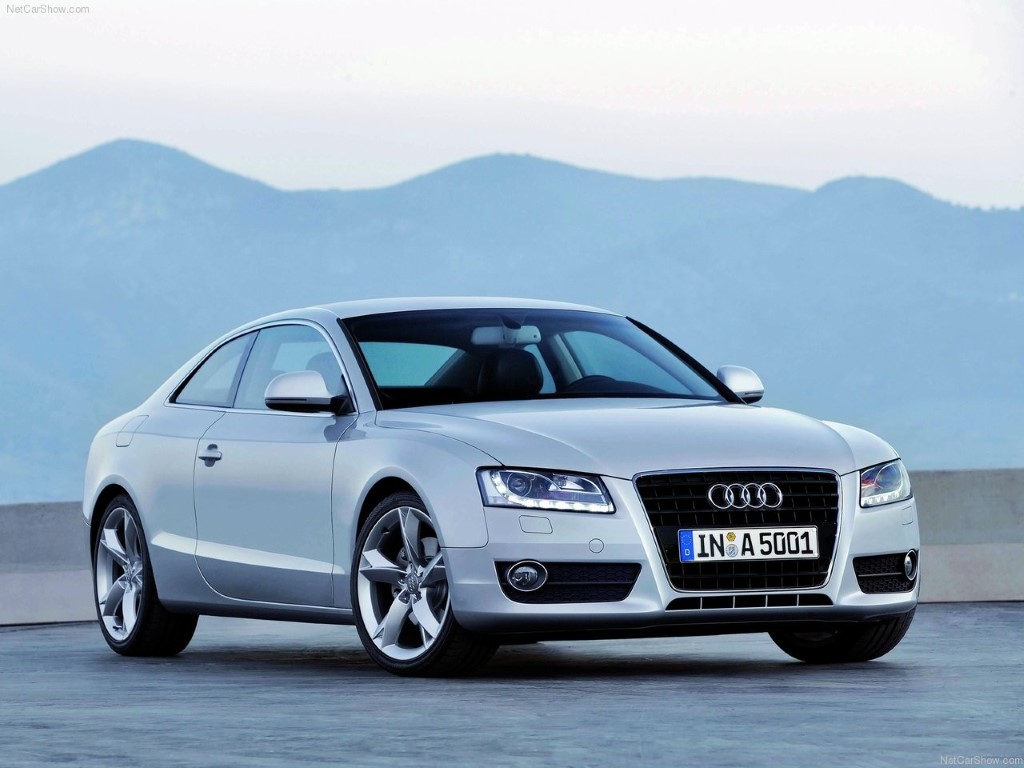
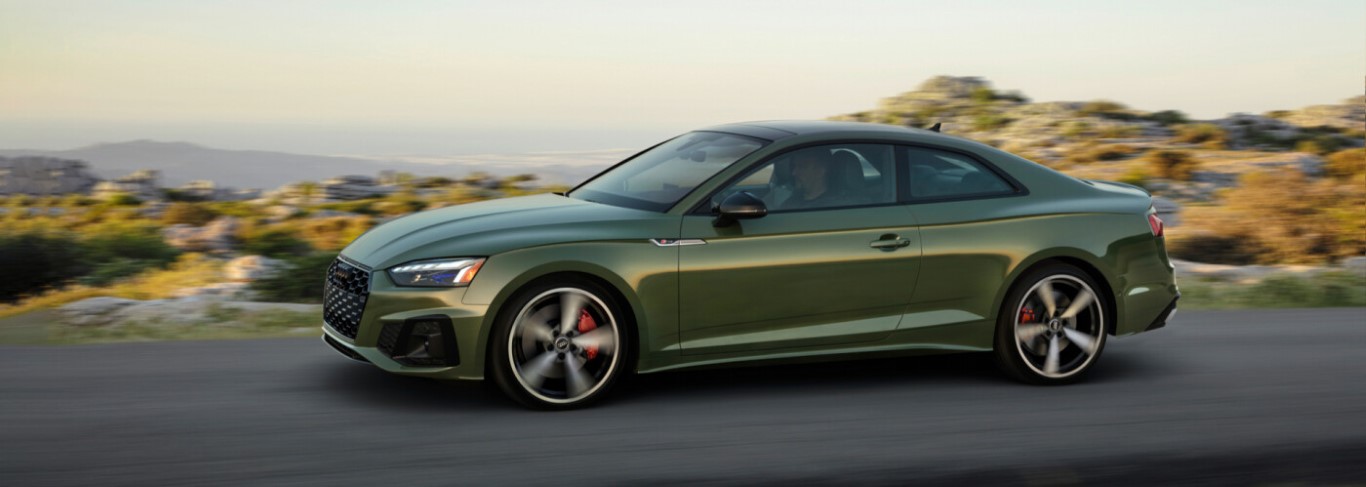
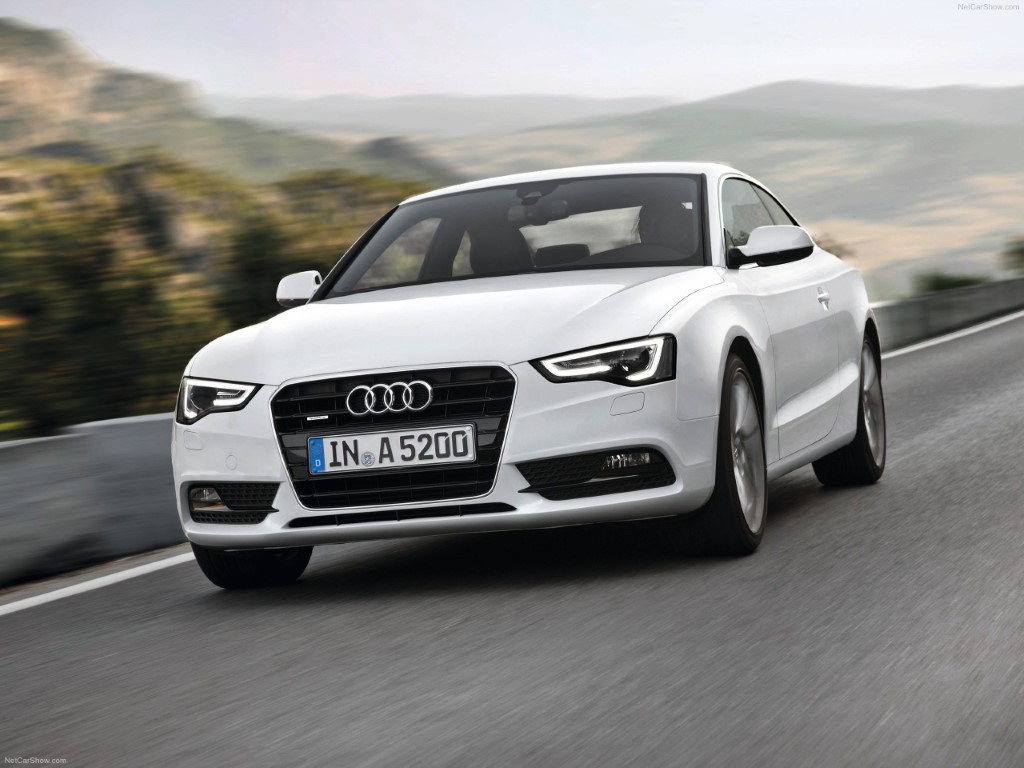
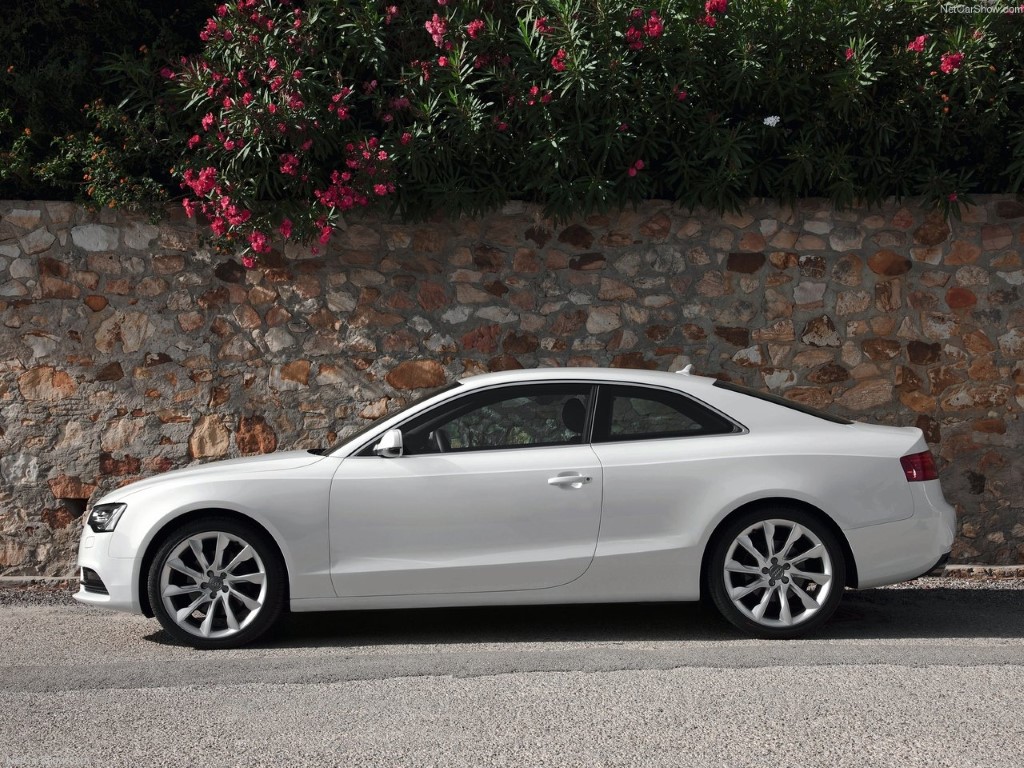
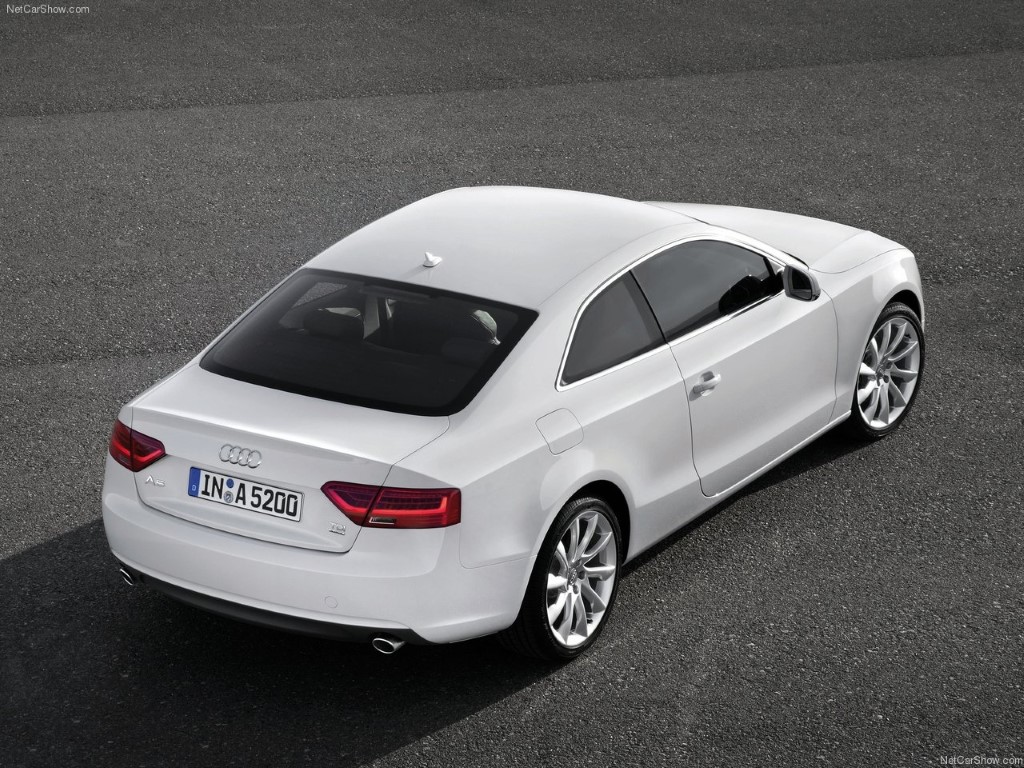
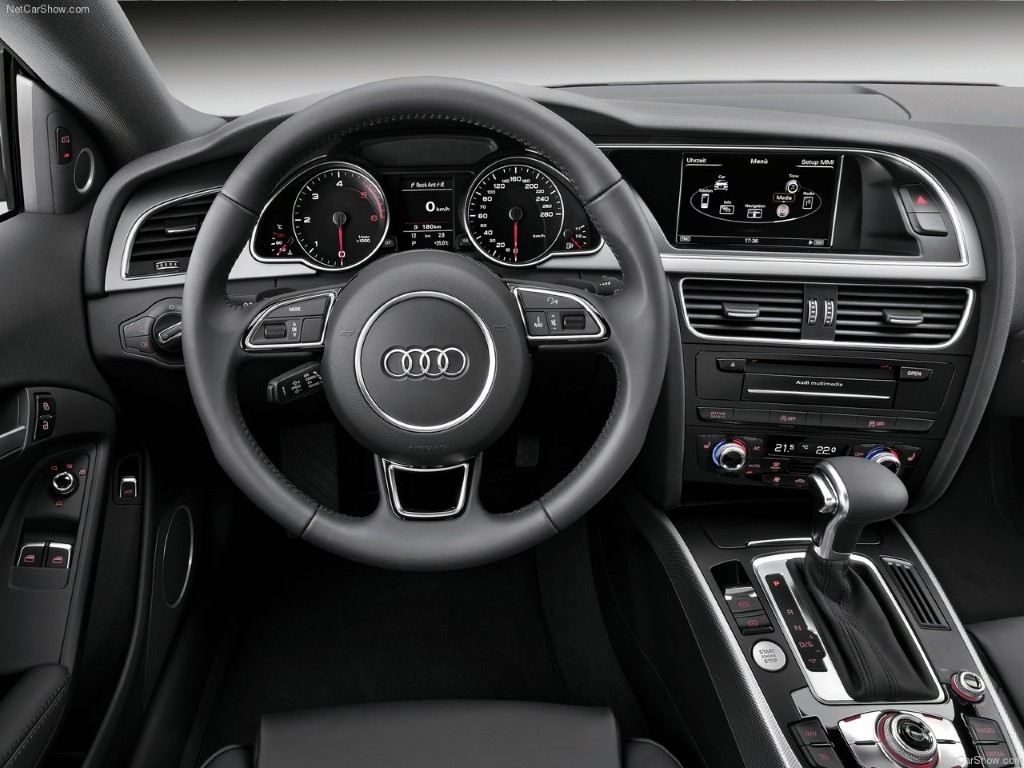
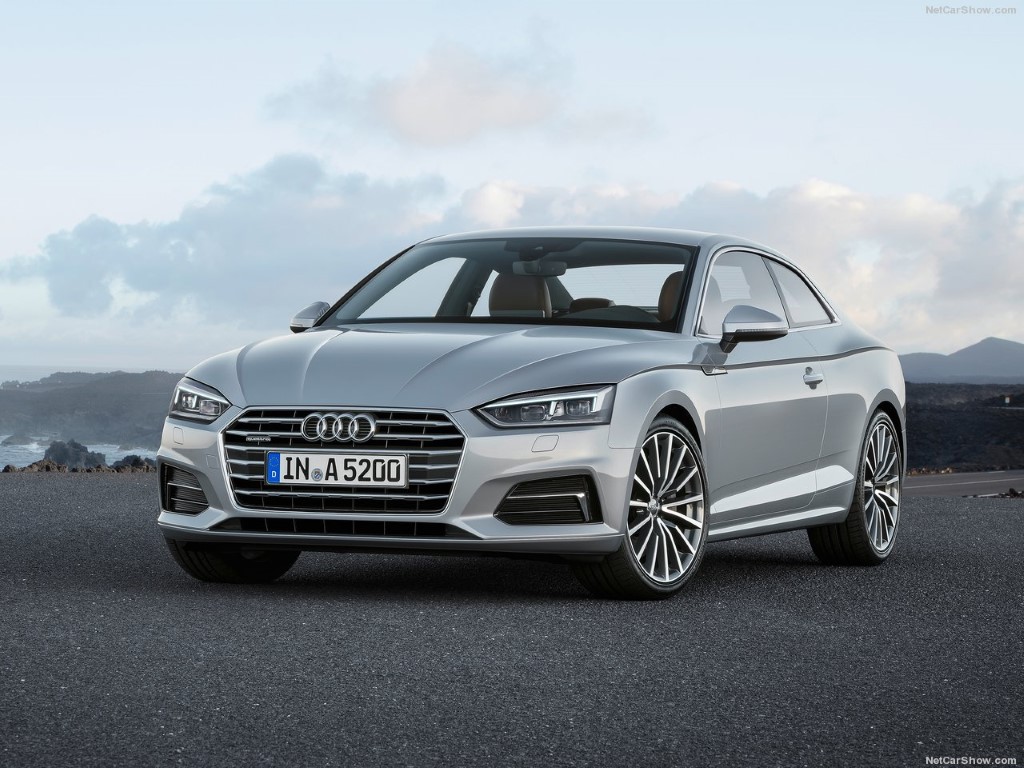
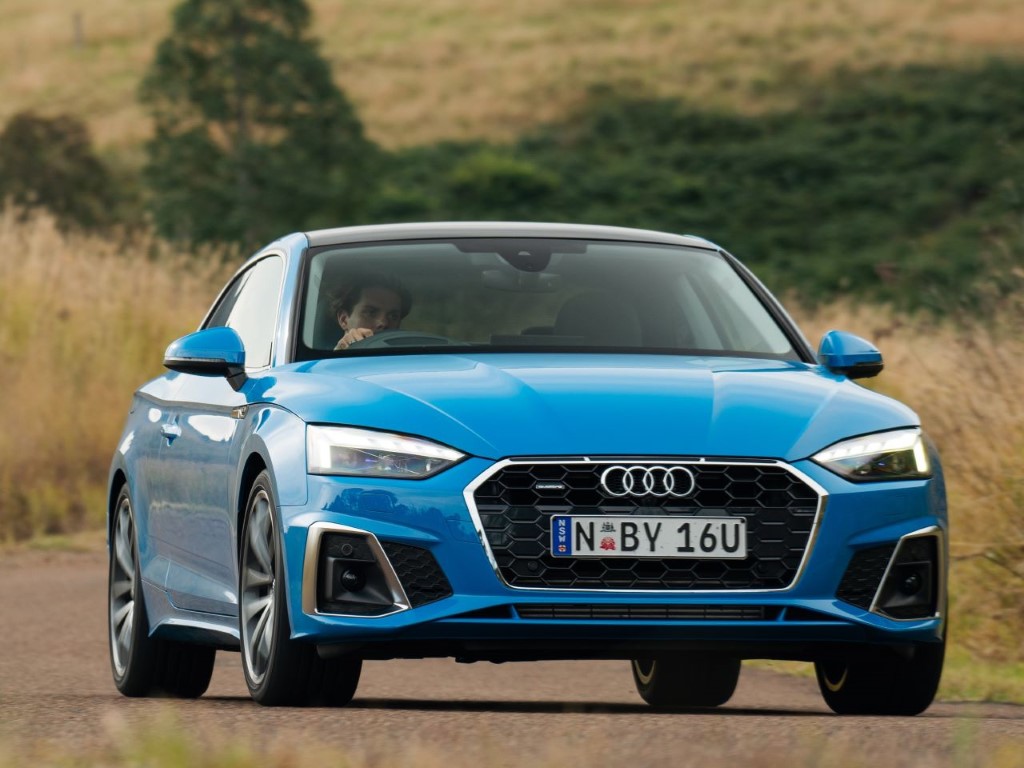
The official launch of the A5 Coupé took place in 2007, marking the debut of the B8 platform. This
moment was technically significant because the A5 served as the launch vehicle for Audi's new Modular
Longitudinal Matrix (MLB) architecture, even before the A4 sedan (which was the sales flagship).
The MLB Platform Revolution
Historically, Audi cars suffered dynamic criticisms due to the engine being positioned too far ahead of the
front axle, which caused unfavorable weight distribution and a tendency to understeer (the car "pushing
forward" in corners). The MLB platform solved this engineering problem by repositioning the differential and
the clutch.
By moving the differential in front of the clutch (and the torque converter in automatics), engineers
were able to shift the front axle forward by about 15 centimeters.
- Aesthetic Benefit: This drastically reduced the front overhang (the part of
the car ahead of the wheel), giving the A5 classic rear-wheel-drive proportions, with a long, elegant
hood.
- Dynamic Benefit: The engine was effectively moved back relative to the
front wheels, improving the center of gravity and weight distribution, resulting in more neutral and
sporty handling.
Powertrain and Global Launch
Audi launched the A5 with a clear strategy: to offer accessible performance and, at the same time, a
high-performance option from day one.
The 3.2 FSI V6 Engine
At launch, the main (non-S) model was equipped with the 3.2-liter V6 FSI engine. The FSI (Fuel Stratified
Injection) direct injection technology allowed for greater efficiency and power. This engine delivered 265
hp and was praised for its smooth operation, an essential characteristic for a luxury Grand Tourer. It used
the Audi Valvelift system, which varied valve opening to optimize gas flow and low-end torque.
The Arrival of the 2.0 TFSI
Shortly after launch, Audi introduced the engine that would become the "heart" of the A5 lineup globally and
in Brazil: the 2.0 TFSI four-cylinder. Equipped with a turbocharger and direct injection, this engine
offered an ideal balance between weight (being lighter than the V6, it improved dynamics) and torque. Power
outputs ranged from 180 hp to 211 hp in the early versions, reaching 225 hp in later updates.
Audi S5 Coupé (B8): The Last of the Naturally Aspirated V8s
Simultaneously with the standard A5, Audi launched the sporty S5 version. Unlike future generations that
would adopt supercharging (turbo or mechanical supercharger), the first S5 Coupé was a European "muscle
car". It housed a naturally aspirated 4.2-liter V8 FSI engine.
- Character: The V8 engine produced 354 hp and delivered immediate throttle
response, accompanied by a deep, full-bodied soundtrack that became iconic.
- Transmission: It offered the option of a 6-speed manual gearbox (very rare
in the segment today) or a 6-speed Tiptronic automatic.
- Performance: Acceleration from 0 to 100 km/h in 5.1 seconds, competing
directly with the BMW 335i.
The Brazilian Market: Versions and Reception (2008-2016)
The arrival of the A5 in Brazil was marked by an exclusivity positioning.
Phase 1: The Top of the Line (2008-2010)
The A5 initially landed in Brazil only in the V6 3.2 FSI version, with a suggested retail price of R$
254,500 at the time. It came equipped with Quattro all-wheel drive and an automatic transmission, plus a
Bang & Olufsen sound system as standard. It was a niche car, focused on those seeking more style than the A4
and more comfort than a Porsche.
Phase 2: Popularization with the 2.0 (2011-2016)
To increase sales volume, Audi introduced the 2.0 TFSI versions. The Brazilian lineup was structured into
three main trim levels, which defined both luxury and mechanics:
- Attraction: The gateway. Generally equipped with the 180 hp version of the
2.0 engine and front-wheel drive. The gearbox used in this front-wheel-drive version was the Multitronic
(CVT - Continuously Variable Transmission). Although efficient, the CVT did not offer the sporty feel of
gear shifts, being focused on urban comfort.
- Ambiente: Intermediate version that added a power sunroof, larger wheels
(18-inch), and power adjustments for the front seats. It maintained the mechanics of the Attraction
version.
- Ambition: The top version (below the S5). It was equipped with the 2.0 TFSI
engine in its strongest calibration (211 hp and, later, 225 hp). It differentiated itself mechanically
by using the S-Tronic gearbox (7-speed dual-clutch) and Quattro all-wheel drive, offering driving
dynamics vastly superior to the front-wheel-drive versions.
Facelift (B8.5): The 2011 Update
In 2011, the A5 received its mid-life update. The changes were subtle but important to maintain
competitiveness.
- Visuals: The rectangular headlights with LED "dots" (known as the pearl
necklace) were replaced by units with a continuous and fluid LED design ("light tube"). The front grille
gained chamfered corners at the top, and the bumpers were redesigned to look more aggressive.
- Electromechanical Steering: Audi replaced the hydraulic steering with an
electric system. This saved fuel (as it did not constantly drain power from the engine), but purists
criticized the loss of tactile "feedback" from the road.
- Powertrain: The old 3.2 V6 was retired globally. In its place, for the
global mid-range versions, came the 3.0 TFSI V6 with a mechanical supercharger, the same one used in the
S5 Sportback and Cabriolet of the time.