Context and Design
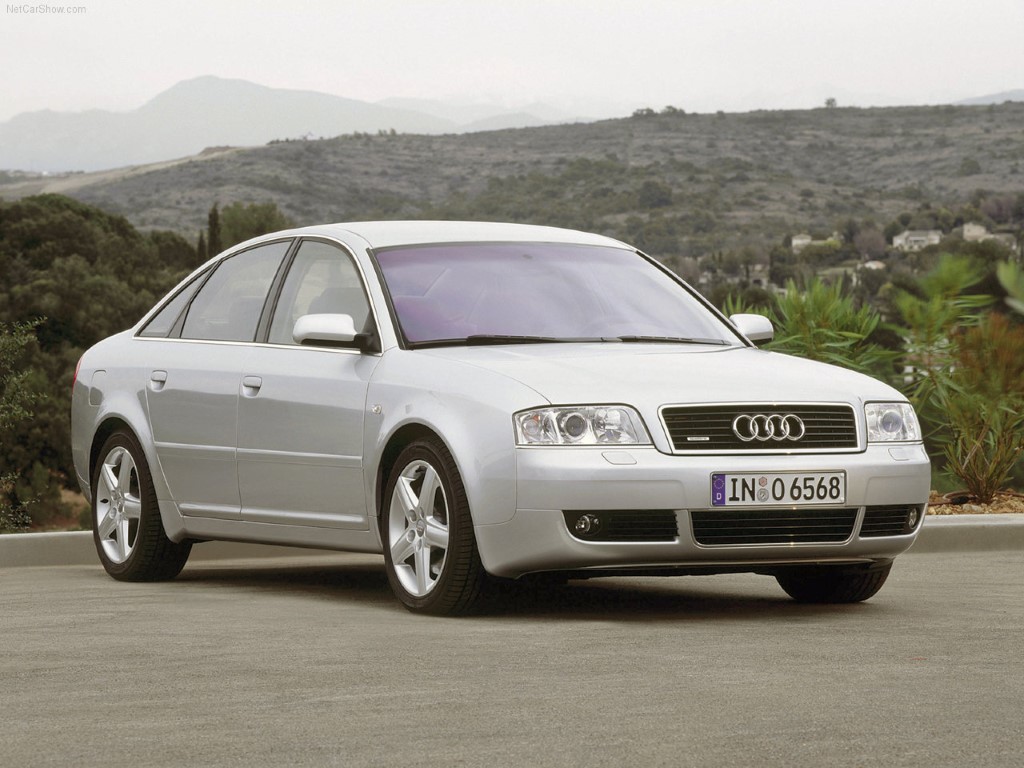
The first generation to bear the A6 badge, designated internally as Typ 4A (C4 platform), hit the
market in 1994. Technically, it was a deep facelift of the 1991 Audi 100, but the changes were sufficient to
reposition the car. Aesthetically, Audi softened the straight lines typical of the 80s. The rectangular
headlights gained clear lenses and white turn signals (replacing the orange ones), the front grille was
redesigned for a more integrated appearance, and the taillights were rounded. The bumpers lost the rough
black trim strips in favor of body-color paint, giving a more modern and premium look.
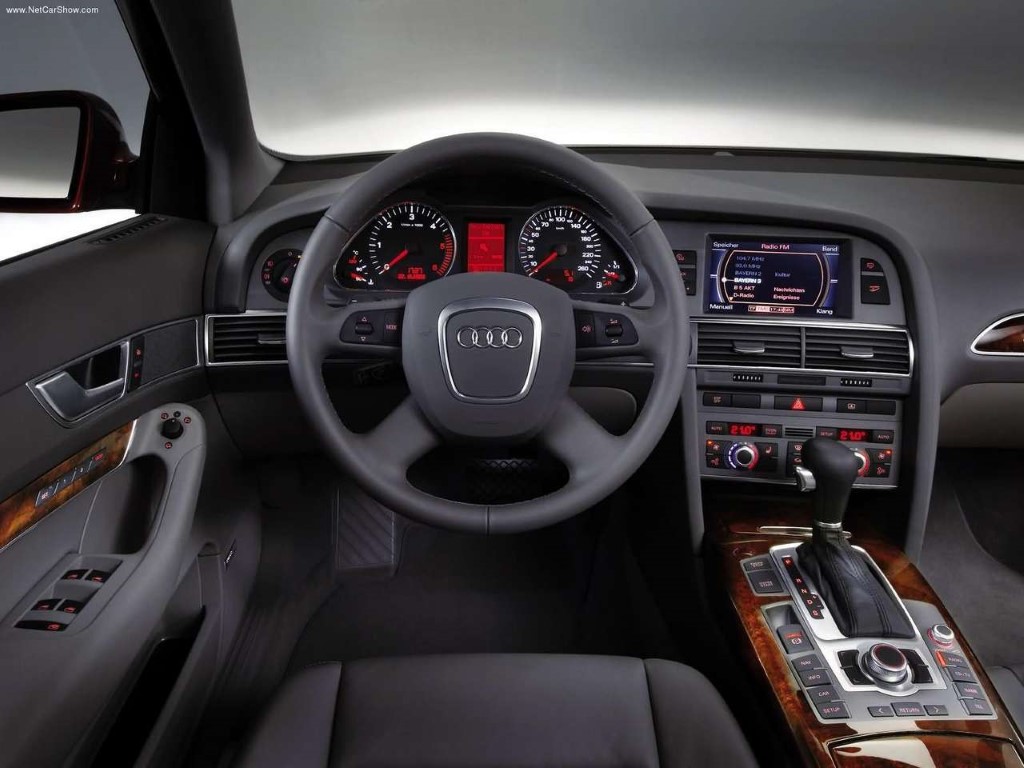
Inside, the C4 maintained the sober and functional German architecture but raised the standard of materials.
The use of soft-touch plastics, real wood inserts, and highly durable fabrics began to define Audi's
reputation as a benchmark in cabin quality. Acoustic insulation was reinforced to compete with the silence
aboard the Mercedes E-Class W124.
Mechanical Engineering and Powertrain
The C4 generation is revered today by enthusiasts for being the "swan song" of certain classic Audi
technologies, while simultaneously introducing innovations that endure to this day.
The Legendary Torsen Quattro Drive
One of the biggest differentiators of the A6 C4 was the consolidation of the quattro permanent
all-wheel-drive system. Unlike competitors' on-demand systems, Audi's system utilized a Torsen
(torque-sensing) center differential. This purely mechanical system was capable of redistributing power
between the front and rear axles instantaneously, without the need for electronic sensors or actuation
delays. This guaranteed unparalleled directional stability in rain or snow, making the A6 the preferred
choice in Alpine climates and, interestingly, for armored vehicles in Brazil due to the extra dynamic
safety.
Engine Range
The engine offering in the C4 generation was vast and marked the transition from 5-cylinder engines to V6s:
- 2.0 and 2.0E (4 Cylinders): Entry-level engines, simple and robust, focused
on fleet buyers in Europe.
- 1.8 20v: Introduced late in the cycle, this 4-cylinder engine brought
innovative 5-valve-per-cylinder technology (3 intake and 2 exhaust). This allowed for better engine
"breathing" at high RPMs, optimizing the air-fuel mixture and efficiency.
- 2.6 V6 and 2.8 V6: These were the volume engines for the luxury market. The
2.8 V6, initially with 12 valves and later updated to 30 valves (5 per cylinder), offered silky
operation and linear torque, characteristics demanded by the executive customer.
- 2.3E (Inline 5-Cylinder): An Audi icon. Known for its distinct sound and
almost infinite durability, this engine was discontinued during the C4 era, marking the end of an era
for purists.
- 2.5 TDI (Diesel): Revolutionary. This 5-cylinder diesel engine introduced
direct injection and turbocharging, delivering 140 hp (in the AEL version) and massive torque for the
time. It proved that a diesel sedan could be fast and refined, paving the way for diesel dominance in
Europe in the following decades.
The Birth of the S6
It was on the C4 platform that the S6 moniker was born. Replacing the old S4 (from the Audi 100
line), the S6 C4 was Audi's answer to the BMW M5.
- S6 2.2 Turbo: Equipped with a 230 hp turbocharged inline-5 engine. This
engine allowed for extreme tuning and delivered a visceral driving experience, with classic turbo "lag"
followed by an explosion of power.
- S6 4.2 V8: For markets demanding more smoothness and immediate response
(like the US), Audi offered a 290 hp V8.
- S6 Plus: A special version developed by quattro GmbH (Audi's
high-performance division), with the V8 tuned to 326 hp, upsized brakes, and recalibrated suspension.
Very few units were produced, making it an instant classic.
The Audi A6 C4 in Brazil: The Senna Connection
The arrival of the Audi A6 C4 in Brazil is a separate chapter in national automotive history. In
1993, Ayrton Senna, looking toward his post-Formula 1 future, signed an agreement to represent Audi in
Brazil through Senna Import. Until then, the brand was an illustrious unknown to the general Brazilian
public, who revered only Mercedes and BMW.
The official launch took place in 1994. The A6 C4 was positioned as the "smart man's" choice, focused on
technology and rationality. The imported versions were mostly the V6s (2.6 and 2.8), equipped with automatic
transmissions and front-wheel drive or quattro. The price was prohibitive for most, positioning the car at
the top of the social pyramid. Ayrton Senna participated actively in the marketing strategy and even brought
an Audi S4 (immediate predecessor) for personal use. Senna's untimely death in May 1994 turned the Audi
brand into an emotional legacy for Brazilians, helping to consolidate the A6 as a symbol of success.