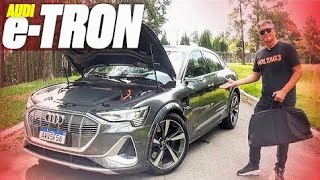
The Evolution of the "e-tron" Nomenclature
Before becoming the designation of a luxury SUV, the term "e-tron" traveled a long
road within Audi's development corridors. The choice of name reflects a
deliberate attempt to create a strong sub-brand, analogous to what the "quattro"
suffix represented for all-wheel drive in the 1980s.
Historically, the first significant public appearance of the name occurred at the
2009 Frankfurt Motor Show, with a sports car concept based on the R8. This vehicle, which
eventually saw extremely limited production as the R8 e-tron in 2015 (fewer than 100
units produced), served as a testbed for battery cells and high-performance
electric motors. Simultaneously, the brand launched the A3 Sportback
e-tron, a plug-in hybrid (PHEV) that began to accustom Audi's customer base to
the idea of partial electrification.
The decision to name the first electric SUV simply "Audi e-tron", without
numbering (like Q5 or Q7), was strategic. Audi wanted the vehicle to be synonymous
with electric technology itself, positioning it as the "ur-e-tron" (the original e-tron),
much in the same way the original "Audi quattro" defined four-wheel drive.
The 2015 Frankfurt Concept: "Audi e-tron quattro concept"
The definitive shape of the SUV began to materialize publicly in September 2015, at the
Frankfurt International Motor Show (IAA). The Audi e-tron quattro concept was
presented as a design and technology study that promised to solve consumers' two biggest
anxieties regarding electric cars: range and charging time.
The concept's specifications were ambitious for the time:
- Drag Coefficient (Cd): 0.25 — an extraordinary value for an
SUV, achieved through active aerodynamic elements on the hood, sides, and
rear.
- Battery: A 95 kWh capacity, promising a range
exceeding 500 km (on the NEDC cycle, in effect at the time, although unrealistic by
modern WLTP standards).
- Motor Configuration: Three electric motors (one on the
front axle, two on the rear), totaling 370 kW (approximately 503 hp) in boost
mode.
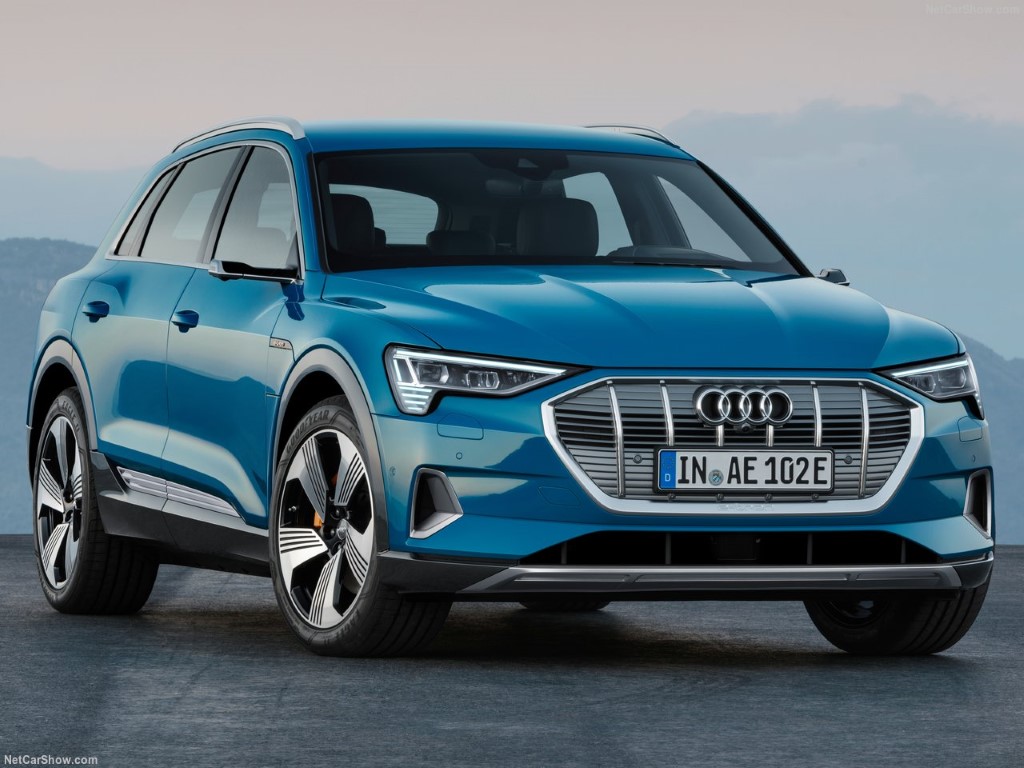
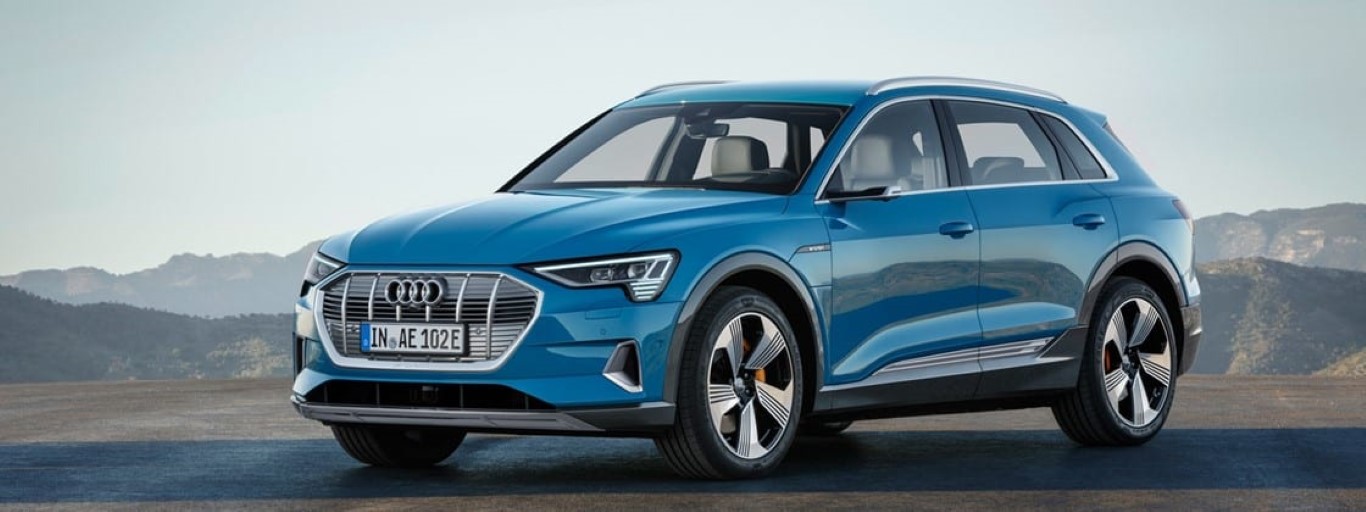
The concept also introduced the visual language that would be adopted in production: the
octagonal "Singleframe" grille, Matrix Laser headlights (which evolved into Matrix LED in
production), and the absence of conventional rearview mirrors, replaced by cameras.
The Choice of the MLB Evo Platform
One of the most crucial — and controversial — engineering decisions in the history of the e-tron was
the choice of its architectural base. In 2015/2016, the Volkswagen Group did not yet have
a dedicated electric platform ready for the luxury segment (the MEB platform was
in development for smaller cars and the PPE was still a distant project in partnership
with Porsche).
Pressured by the need to launch a product quickly to compete with the Tesla
Model X and get ahead of the Mercedes-Benz EQC, Audi chose to adapt the MLB
Evo (Modularer Längsbaukasten Evolution) platform. This platform was originally
conceived for vehicles with longitudinal combustion engines, serving as the basis for models
like
the Audi Q7, Q8, Bentley Bentayga, and Lamborghini Urus.
Implications of Shared Engineering:
- Structural Compromises: Using a combustion platform forced
engineers to adapt the battery pack to existing spaces. The e-tron does not have a
perfectly
"flat floor" like purpose-built electric vehicles; the rear seat maintains a slight
central
tunnel, and the vehicle's structure carries steel reinforcements unnecessary for an EV,
resulting in a high curb weight exceeding 2,500 kg.
- Industrial Benefits: On the other hand, using the MLB Evo allowed
Audi to utilize suspension, steering, and electronics components already validated on
the
Q7 and Q8, ensuring a level of refinement, silence, and assembly quality that
electric startups (like Tesla at the time) struggled to match.