From Concept to Reality: The Audi Cross Coupé quattro
The materialization of the Q3 did not occur abruptly. Audi prepared the ground in 2007, during the
Shanghai Motor Show, with the presentation of the Audi Cross Coupé quattro concept. This prototype was
fundamental to test the public's receptivity to an SUV with lower and sportier rooflines, anticipating a
trend that, years later, would result in the "Coupe SUV" category. The design, penned by Julian Hönig,
proposed an aesthetic that blended the typical robustness of an off-roader with the dynamic elegance of a
sports car, utilizing a prominent Singleframe grille and a wraparound rear.
Engineering and PQ35 Platform
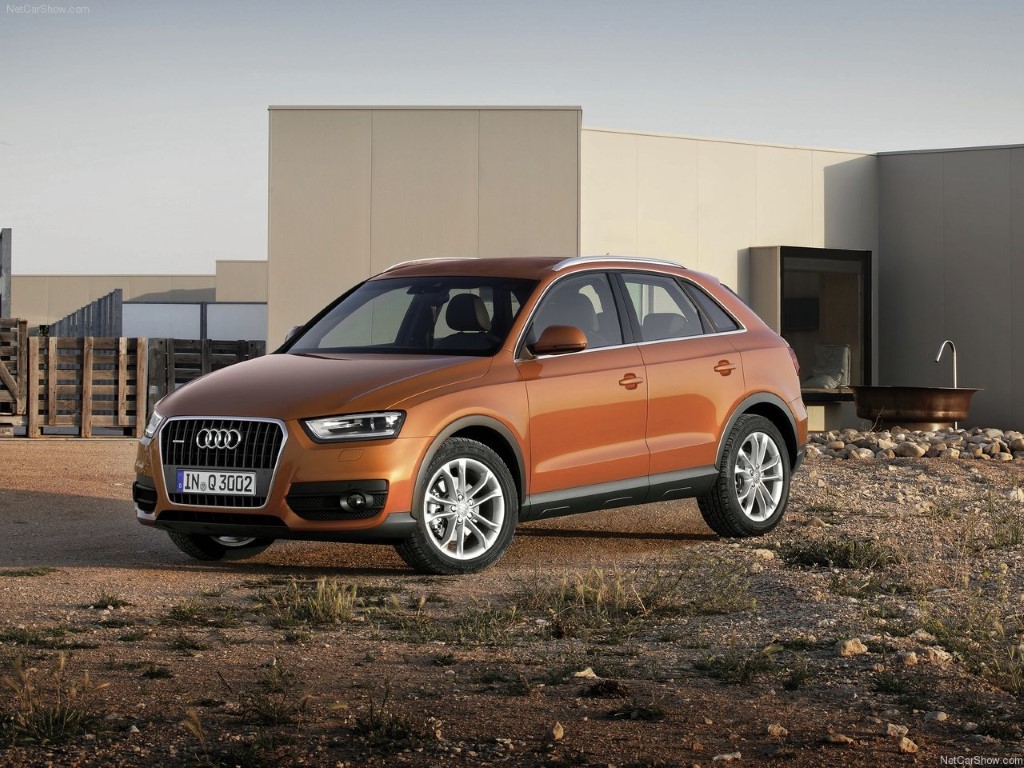
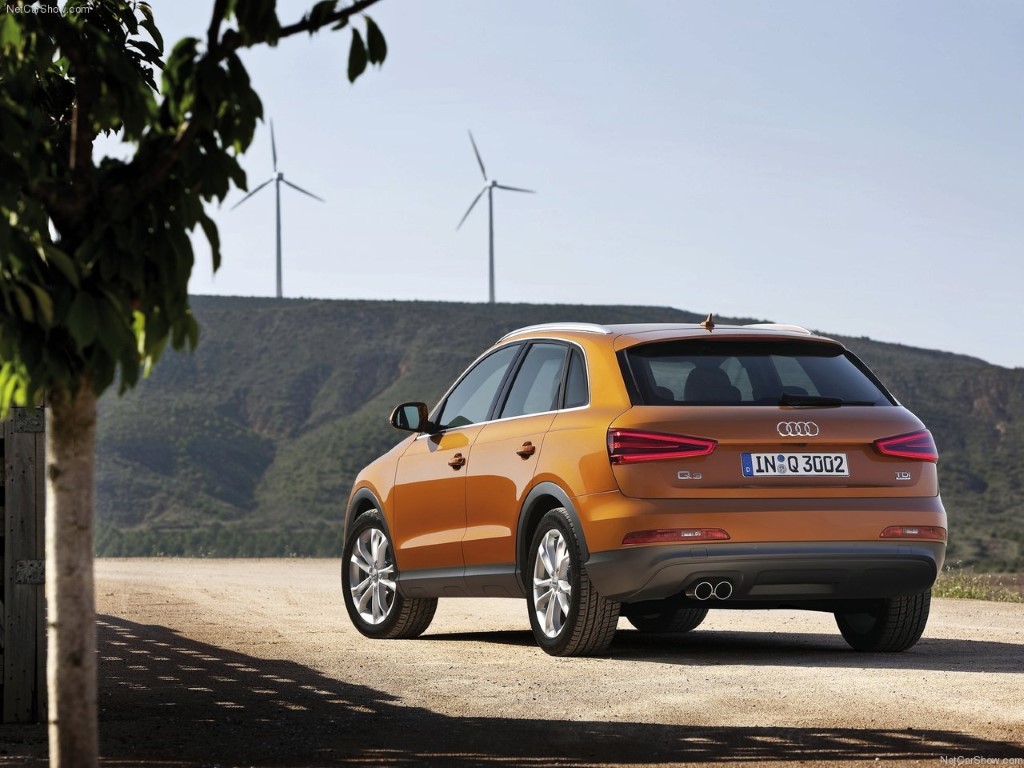
When the production version (internal code Typ 8U) was finally revealed in 2011, also in Shanghai,
Audi's engineering strategy became clear: the leveraging of Volkswagen Group synergies. Unlike its larger
siblings, Q5 and Q7, which utilized the MLB (Modularer Längsbaukasten) platform with longitudinal engines,
the Q3 was built on the PQ35 platform.
This architecture, shared with the Volkswagen Tiguan of the time and the fifth generation of the
Volkswagen Golf, dictated a transverse engine layout. This technical choice brought direct implications for
the vehicle's dynamics and design:
- Weight Distribution: The concentration of mass on the front axle required a
refined suspension setup to mitigate the understeer characteristic of front-wheel drive/transverse
layouts.
- Internal Space: The transverse engine allowed for a relatively spacious
cabin in relation to the vehicle's total length (4,388 mm), maximizing the usable area for passengers.
- Traction System: Unlike the traditional quattro system with a Torsen center
differential (used in longitudinal engines), the Q3 adopted a system based on a Haldex coupling
(electro-hydraulic multi-plate clutch). This system operates predominantly with front-wheel drive under
normal conditions, transferring torque to the rear axle only when a loss of grip is detected, which
favors fuel economy.
Global Launch and Arrival in Brazil
Initial production was concentrated at the SEAT plant in Martorell, Spain, a decision aimed at
optimizing idle capacity at the group's plants in Southern Europe. The model reached the European market in
June 2011 and was subsequently introduced in other global markets.
In Brazil, the Q3 arrived in 2012 as an imported model. Its arrival was strategic to combat the BMW
X1, which dominated the premium compact SUV segment. Initially, the model was offered with 2.0 TFSI engines
in different power calibrations, positioning Audi competitively in a price range that attracted both
customers ascending from mid-size sedans and owners of generalist brand SUVs seeking the status of a German
premium brand.
Nationalization and the Flex Engine (2016)
A watershed milestone in the history of the Q3 in Brazil was its nationalization. In response to the
Inovar-Auto program, which imposed heavy surcharges on imported vehicles and offered tax incentives for
local manufacturers, Audi decided to produce the Q3 at the São José dos Pinhais plant in Paraná. This plant,
which had already produced the first generation of the A3 (1999-2006), received significant investments to
modernize the assembly line.
National production began in 2016, bringing a crucial technological innovation: the 1.4 TFSI Flex
engine. This powertrain represented a considerable engineering challenge. Turbocharged engines with
high-pressure direct injection require precise control of detonation and lubrication. Adaptation for ethanol
(E100) required:
- Revision of the injection system materials to resist ethanol corrosion.
- Recalibration of the electronic control unit (ECU) to manage the larger injection volume
required (due to ethanol's lower calorific value) and leverage the higher octane rating of the
plant-based fuel to advance the ignition timing, resulting in 150 hp of power and 25.5 kgfm of torque
with both gasoline and ethanol.
Versions and Equipment of the First Generation (Brazil)
During its national phase, the Typ 8U Q3 was sold in three main trim versions, creating a clear
hierarchy of equipment and motorization. Understanding these versions is vital to grasp the model's market
positioning.
Audi Q3 Attraction (Entry-level)
The Attraction version was the volume seller, intended to be the gateway to Audi's SUV world.
- Visual Identity: Characterized by black roof rails and 17-inch alloy wheels
with a more sober design.
- Standard Equipment: Despite being basic, it already featured xenon plus
headlights (with the iconic LED daytime running light strip), a multifunctional steering wheel with
shift-paddles for manual gear changes, synthetic leather seats, a trip computer, rear parking sensors,
and an electric parking brake.
- Motorization: Exclusively equipped with the 150 hp 1.4 TFSI Flex engine and
a 6-speed S-tronic gearbox (DQ250 transmission with a wet clutch, known for its robustness and speed).
Audi Q3 Ambiente (Intermediate)
Considered the "sweet spot" of the range, the Ambiente version offered the best balance between cost and
comfort technologies.
- Equipment Differentials: Added dual-zone automatic digital air conditioning
(allowing different temperatures for driver and passenger), light and rain sensor (automatic activation
of headlights and wipers), automatic anti-glare internal rearview mirror, and cruise control.
- Sunroof and Visuals: A major attraction of this version was the "Open Sky"
panoramic sunroof (often standard or an almost mandatory option), in addition to 18-inch wheels and
bright anodized aluminum roof rails and window trims, giving a much more sophisticated appearance.
Audi Q3 Ambition (Top of the Line)
The Ambition version was the technological showcase, focused on performance.
- Superior Propulsion: Differentiated fundamentally by the 2.0 TFSI engine.
Depending on the model year, this engine delivered 170 hp, 180 hp, 211 hp, or even 220 hp in the latest
units. It was the only version (outside the RS line) to offer quattro all-wheel drive.
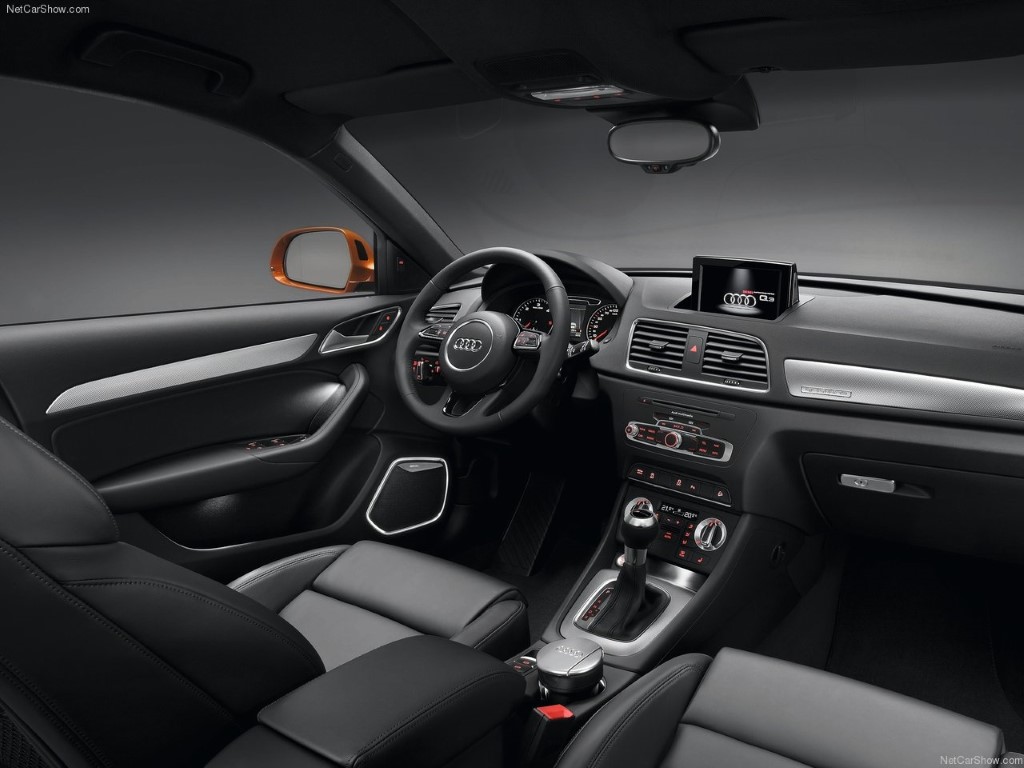
- Refinement: The interior gained textured aluminum finishes, front seats
with electric adjustments (both), a high-fidelity sound system, and the Audi Drive Select system, which
allowed the driver to alter accelerator response parameters and the weight of the electric steering.
- Technology: Included a more advanced MMI navigation package and hill start
assist (Auto Hold).
Table 1: Comparative Technical Specifications - 1st Generation (Typ 8U)
| Characteristic |
Q3 1.4 TFSI Flex (Attraction/Ambiente) |
Q3 2.0 TFSI quattro (Ambition) |
| Engine Code |
EA211 |
EA888 |
| Displacement |
1,395 cm³ |
1,984 cm³ |
| Power |
150 hp @ 5,000 rpm |
180 / 220 hp @ 4,500-6,200 rpm |
| Torque |
25.5 kgf.m @ 1,500 rpm |
32.6 kgfm / 35.7 kgfm |
| Traction |
Front-wheel drive (4x2) |
quattro all-wheel drive (on-demand) |
| Gearbox |
6-speed S-tronic (DQ250) |
7-speed S-tronic (DQ500) |
| 0-100 km/h Acceleration |
8.9 seconds |
6.4 - 7.6 seconds |
| Top Speed |
204 km/h |
212 - 233 km/h |
| Curb Weight |
1,405 kg |
1,540 - 1,640 kg |
| Trunk |
460 Liters |
460 Liters |