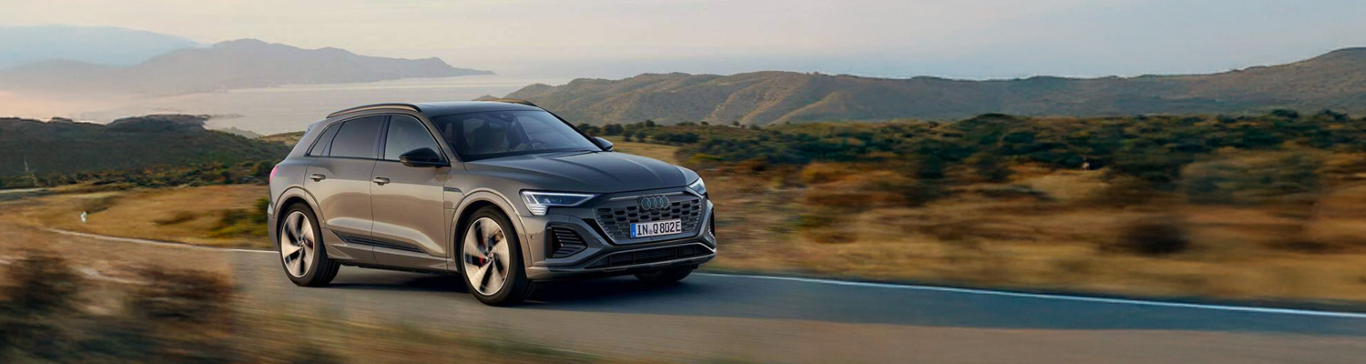
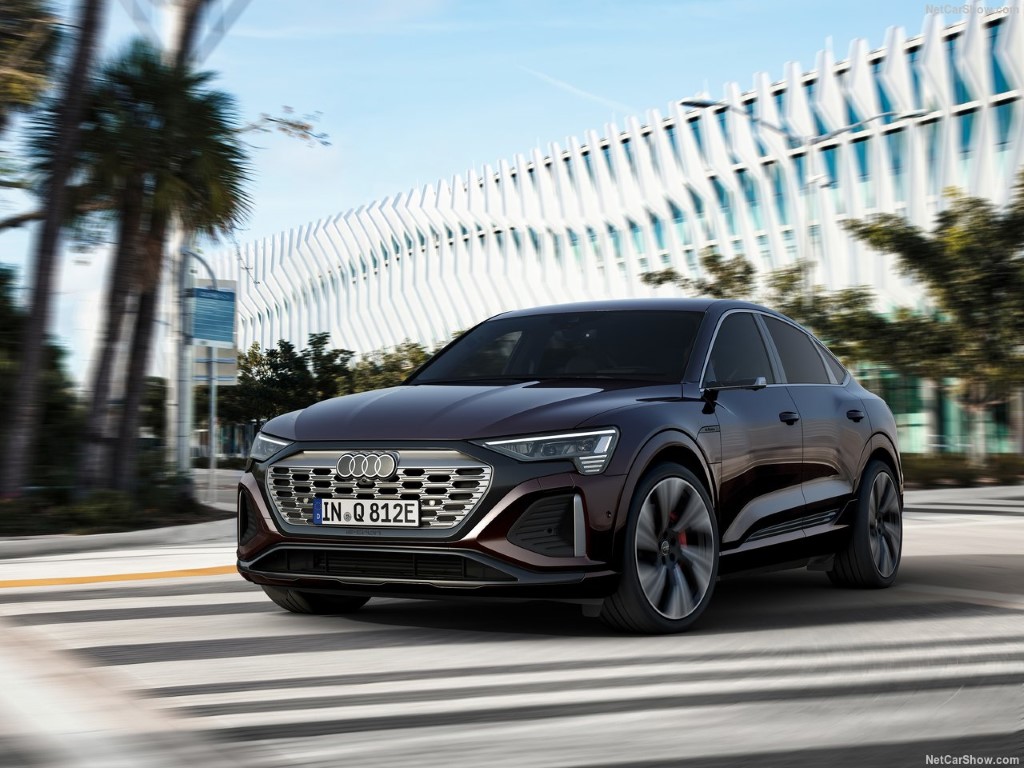
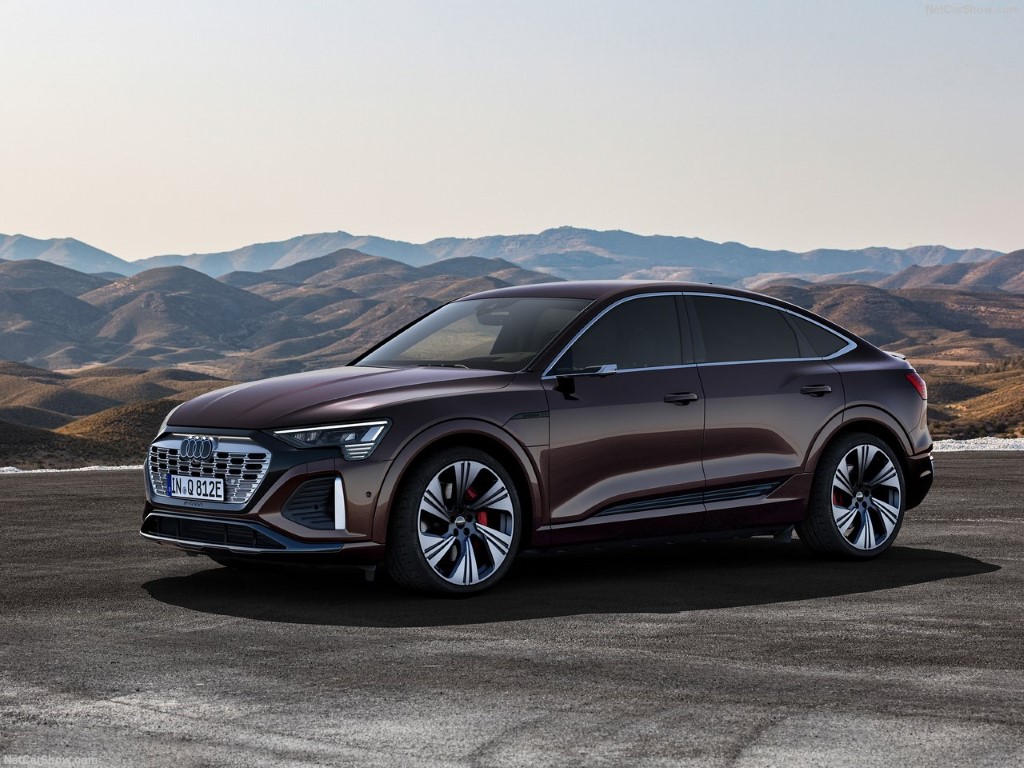
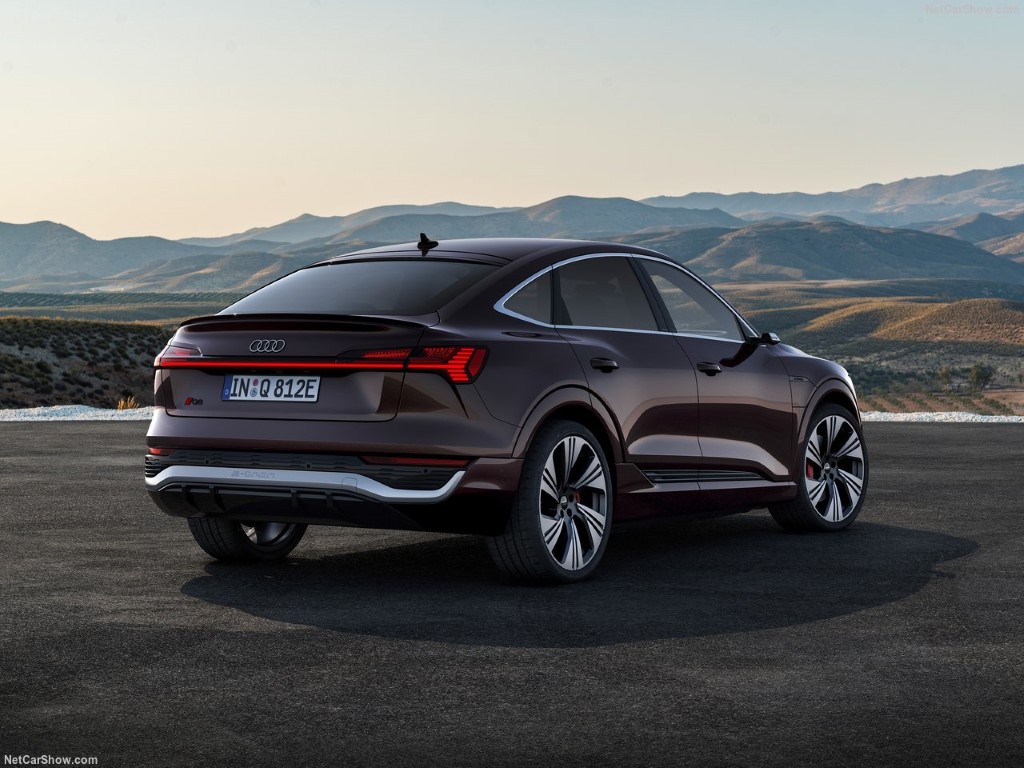
The global automotive industry has gone through, in the last decade, an unprecedented
metamorphosis, marked by the imperative transition from internal combustion engines to
electric propulsion. In this scenario of technological disruption, few vehicles carry the
historical and strategic weight of the model we analyze in this dossier: the Audi e-tron,
later renamed and evolved into the Audi Q8 e-tron.
This report is dedicated to an exhaustive and granular analysis of this vehicle, which not only
served
as the Ingolstadt brand's first mass-produced fully electric automobile, but also functioned as
a
rolling laboratory for technologies in thermal management, aerodynamics, and battery
industrialization. The document covers everything from the project's genesis in the mid-2010s,
through the global launch in 2018, the nomenclature restructuring in 2022, to the complex
conclusion of its production at the Brussels plant in February 2025.
Throughout the following sections, we will detail the technical specifications of each version
(50, 55, and S/SQ8), the engineering behind its adapted platform, the commercial impact
on the Brazilian market, and the legacy left by this pioneer in the premium electric
SUV segment.
The Electrification Mandate
Audi's decision to enter the electric market with a large SUV was not accidental. In 2015,
when the e-tron quattro concept was presented at the Frankfurt Motor Show, the brand
faced the dual challenge of cleaning up its post-diesel emissions crisis image and
responding to the growing threat of new competitors in the luxury segment, notably
Tesla. The adopted strategy was one of "normalization": rather than creating a vehicle
with an exotic design that would alienate its conservative customer base, Audi designed
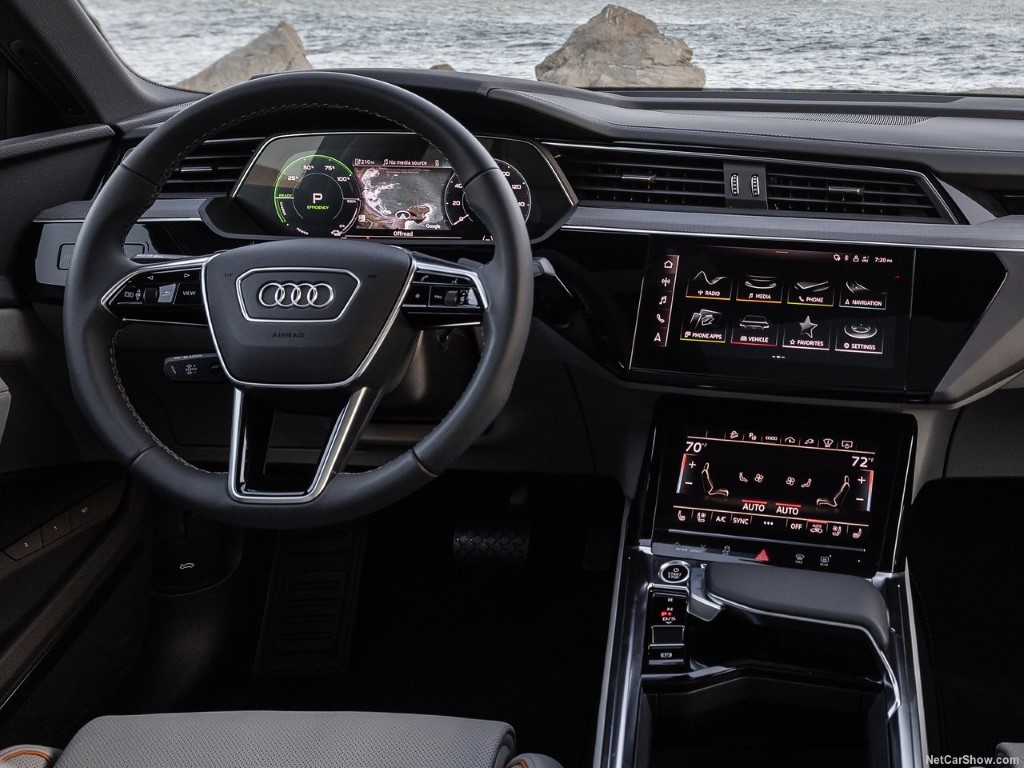
the e-tron to be, first and foremost, an Audi — with the build quality, silence, and
familiar ergonomics, but with an electric heart.