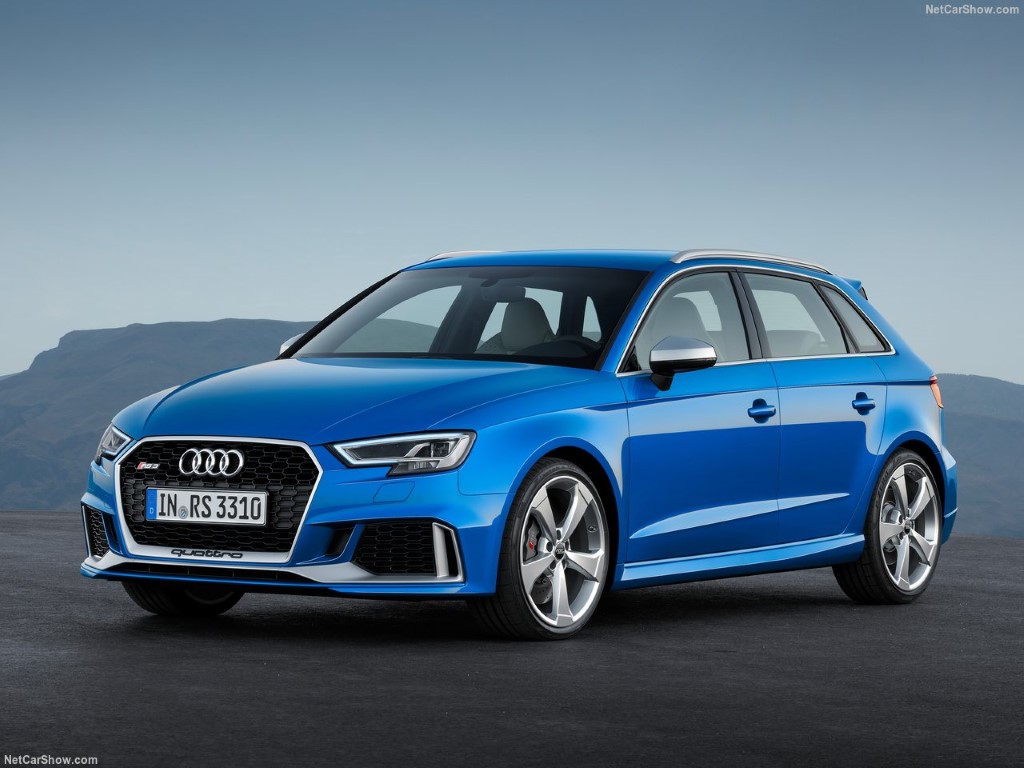
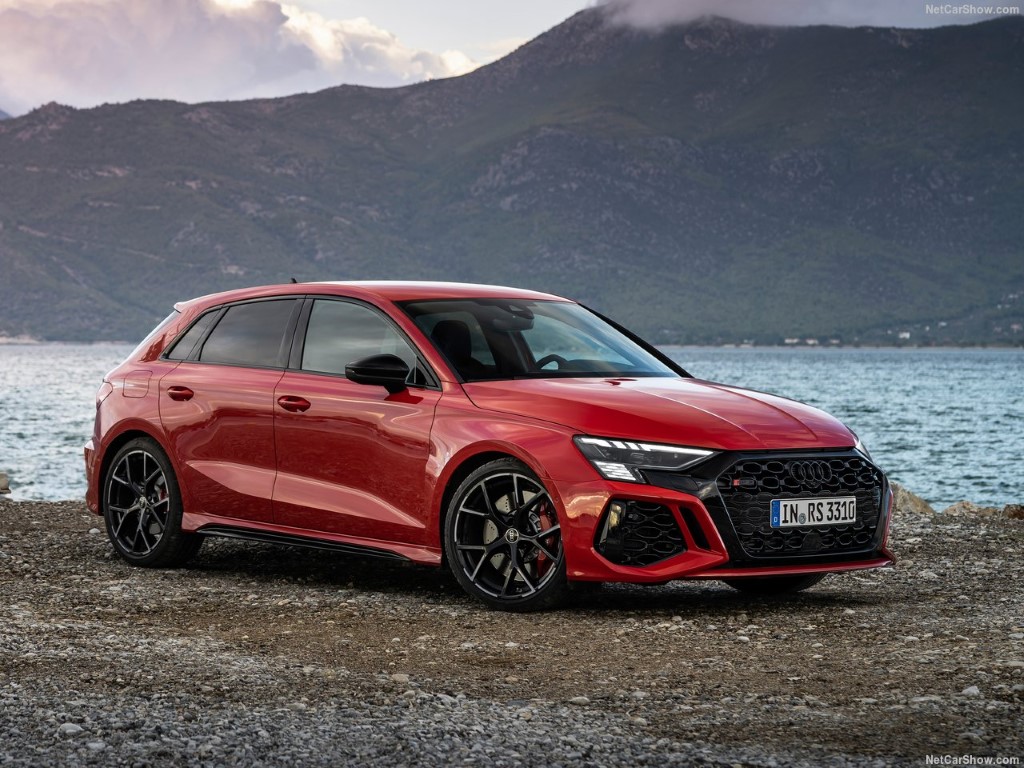
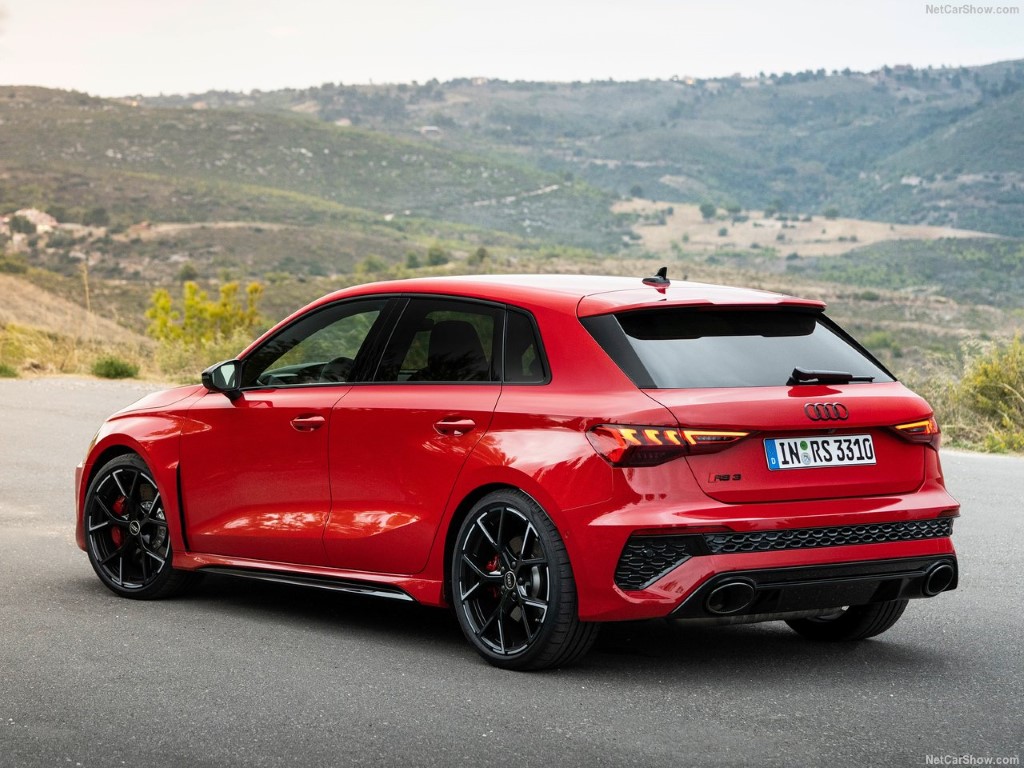
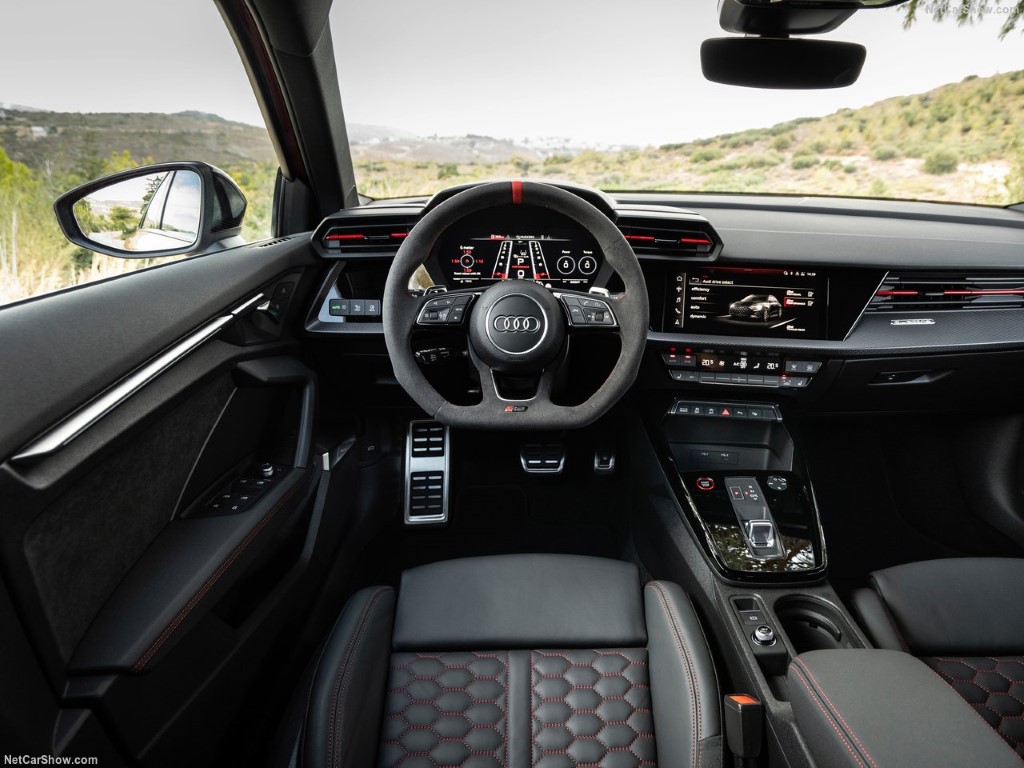
Development Context and Launch
The first generation of the RS3, internally designated as 8P, represented a significant
engineering challenge. The Audi A3 8P had been in production since 2003, and the decision to
create an RS variant only emerged at the end of the model's life cycle. The goal was
clear: transfer the Audi TT RS powertrain to the practical A3 Sportback platform,
creating the fastest hatchback in the world at the time.
The launch took place in 2011, and production was prematurely ended in 2012. This short
manufacturing period, combined with logistical complexities — the car was assembled at the
Audi plant in Győr, Hungary, where the engines were produced — contributed to its rarity.
Engine Engineering (CEPA/CEPB)
The heart of the RS3 8P was the 2.5 TFSI engine, a unit that quickly gained legendary
status. Unlike later generations, this engine used a Compacted Graphite Iron (CGI)
block. This material, used in high-compression diesel engines, offers extreme resistance
to tension and heat, allowing the engine to withstand very high cylinder pressures.
- Configuration: Inline 5-cylinder, single turbocharger.
- Power: 340 cv (335 hp) between 5,400 and 6,500 rpm.
- Torque: 450 Nm (332 lb-ft) available across a wide range, from 1,600
to 5,300 rpm.
- Transmission: 7-speed S-tronic gearbox (dual clutch),
code DQ500. The choice of this gearbox was strategic; originally designed for
Volkswagen commercial vehicles (like the Transporter) due to its ability to
handle massive torque, the DQ500 ensured that the RS3 could withstand abuse during
launches with Launch Control.
Vehicle Dynamics: The Understeer Challenge
The architecture of the 8P chassis imposed severe limitations. The five-cylinder engine, with
its heavy iron block, was mounted transversely ahead of the front axle. This
resulted in an unfavorable weight distribution, with a high mass concentration at the
nose of the car.
To combat the natural tendency to understeer (the front of the car losing grip and
"sliding" outward in a corner), Audi Sport engineers implemented an unorthodox
solution: wider front tires than rear ones.
- Front Axle: 235/35 R19 tires (with a 255/30 R19 option).
- Rear Axle: 225/35 R19 tires.
This "reverse" configuration aimed to increase the contact patch and mechanical grip at the
front, helping to "pull" the car into the corner. The quattro all-wheel-drive
system utilized a 4th generation Haldex coupling, which operated predominantly
as front-wheel drive, sending torque to the rear only when it detected slip.
Production, Versions, and Market
The RS3 8P was produced exclusively in the Sportback body style (5-door hatchback). There
was no 3-door or Sedan version in this generation.
- Production Volume: Audi never released exact global numbers,
but the model is considered "limited production". It is known that only 750 right-hand
drive
units were destined for the UK and 174 units went to
South Africa.
- Presence in Brazil: The Audi RS3 8P was not officially sold by
Audi Brasil as part of its regular dealership catalog. At the time, the brand
focused on the S3 Sportback as its top offering for the segment. The few existing
units in the country arrived via independent import or for specific demonstration and
private collection purposes, making it extremely rare on Brazilian soil.