
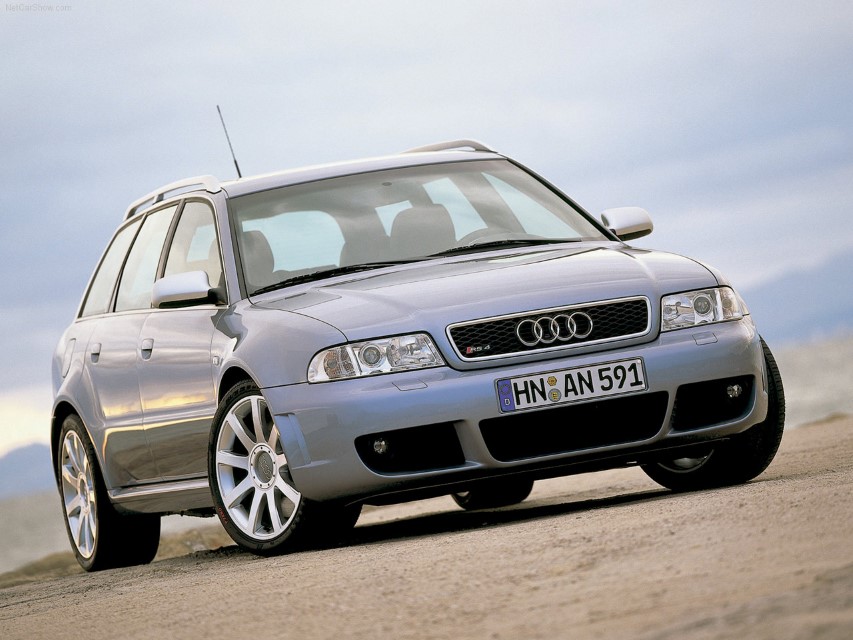
B5
(1999 - 2001)
2.7 V6 twin-turbo
380 cv
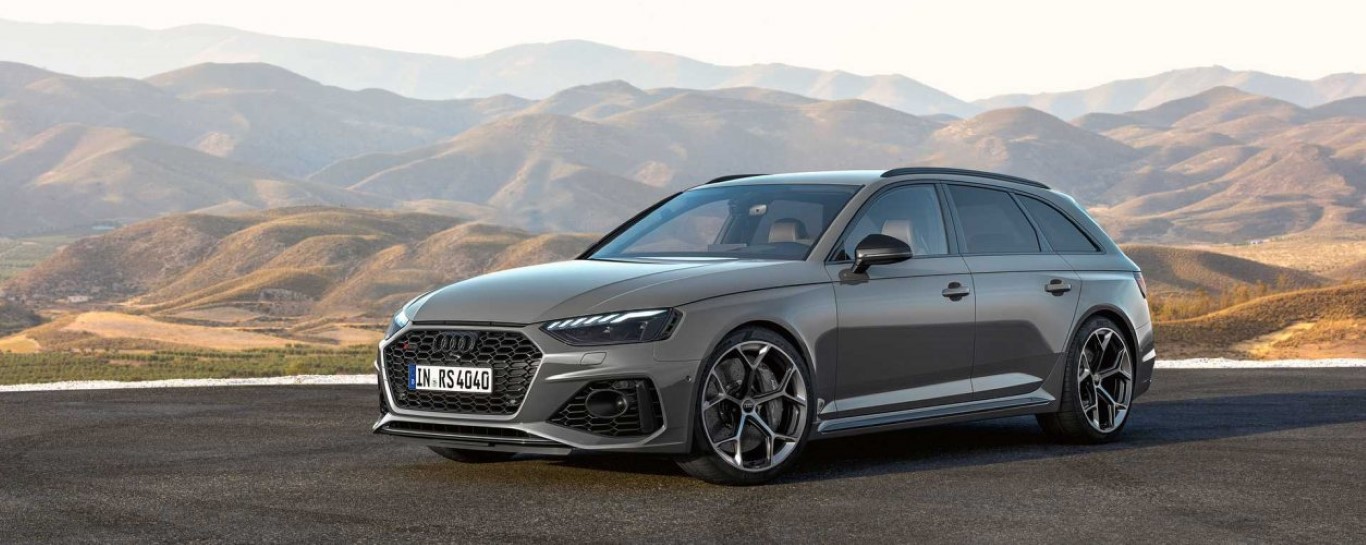
Technical specifications, versions, and history for the Audi RS4 Avant.
Select a generation to see available versions
(1999 - 2001)
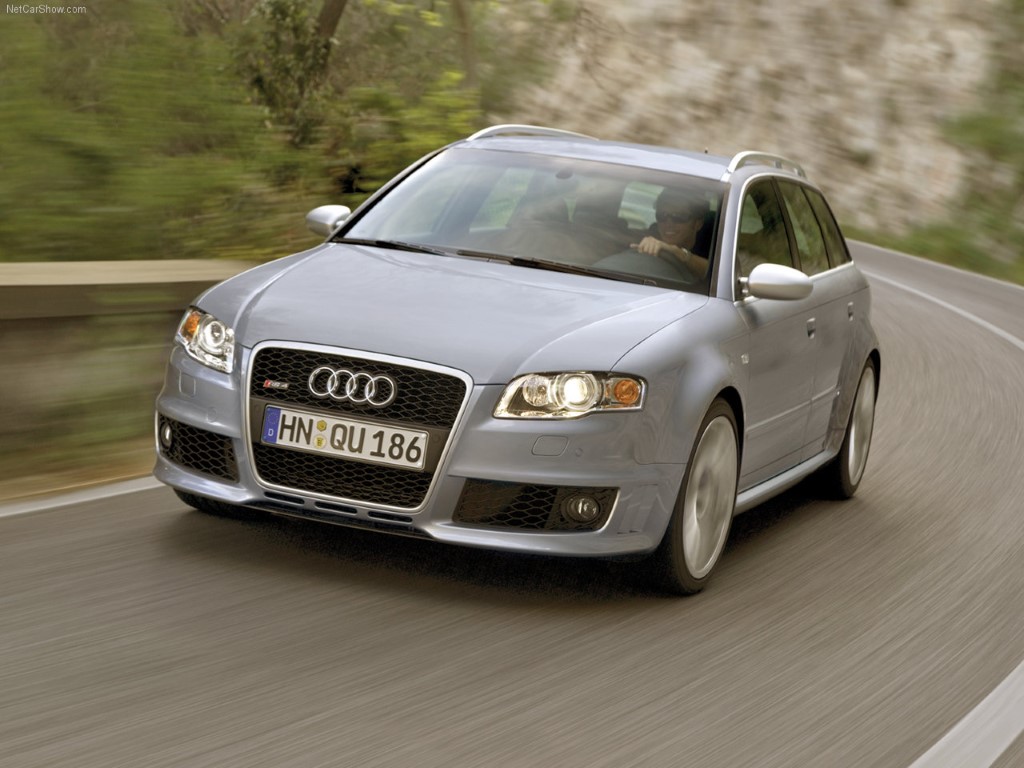
(2005 - 2008)
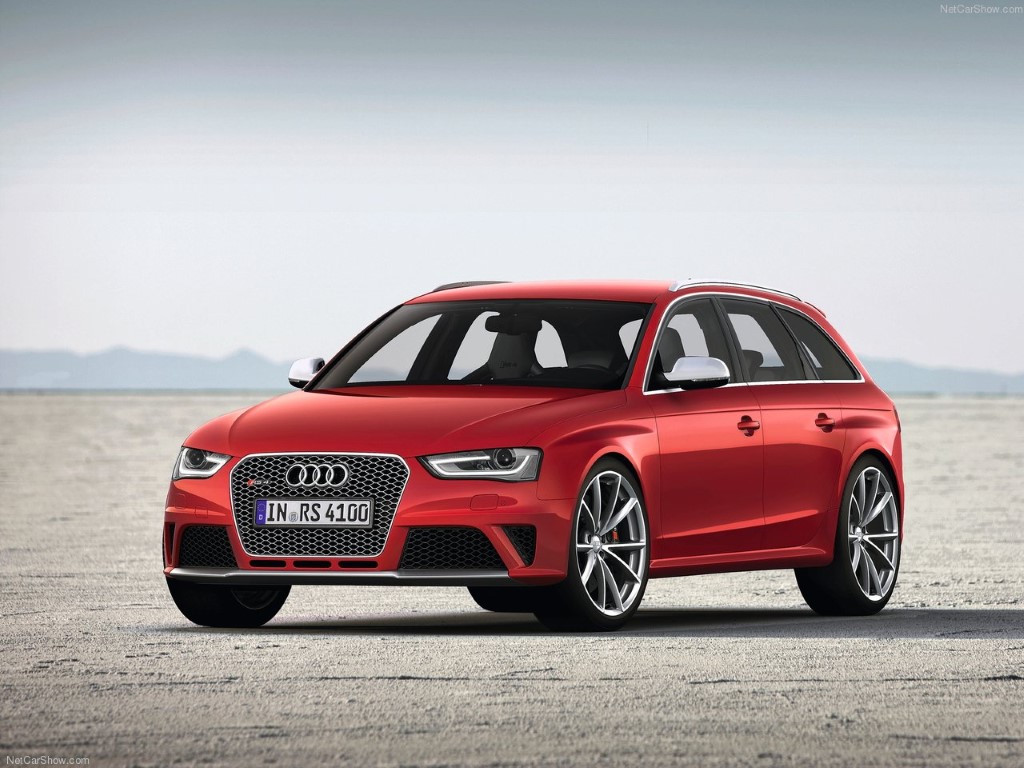
(2012 - 2015)
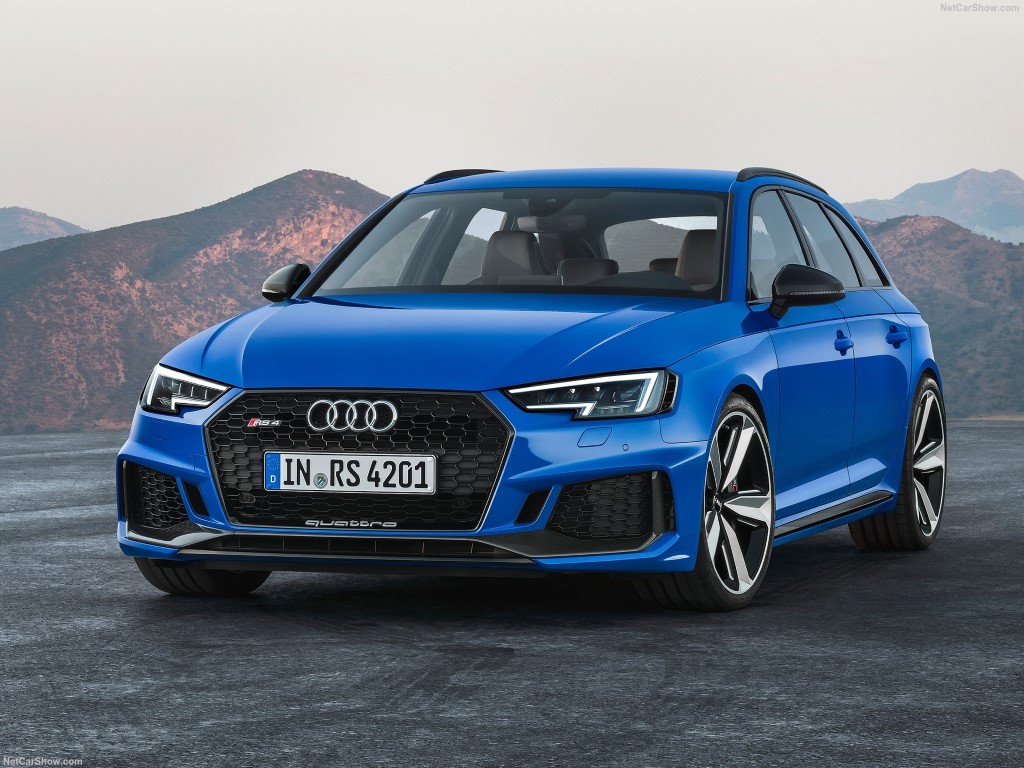
(2017 - 2019)
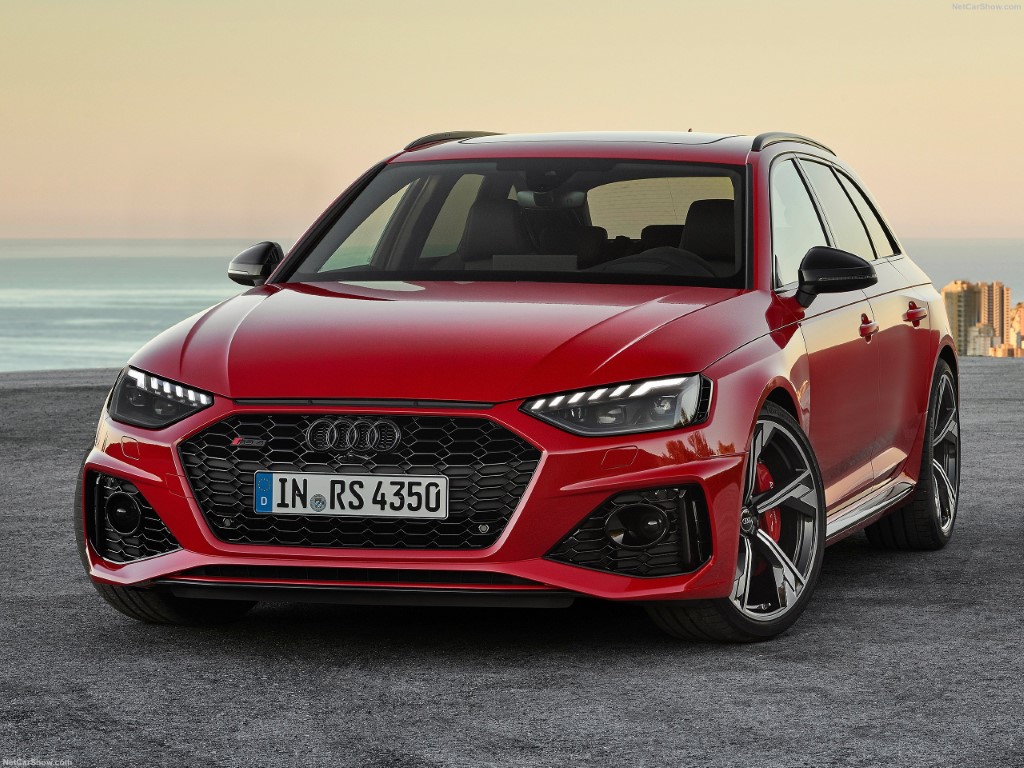
(2019-)
Select a powertrain to view full technical specifications
The trajectory of the Audi RS4 Avant represents one of the most fascinating chapters in modern automotive engineering. It is not just about the evolution of a model, but the consolidation of a philosophy that challenged market conventions: the idea that a station wagon, a vehicle traditionally associated with family and utilitarian transport, could offer the performance of a supercar without sacrificing its daily usability.
Before the emergence of the RS (RennSport) line, the high-performance segment was dominated by coupes and sedans. Audi, through its subsidiary quattro GmbH (currently Audi Sport GmbH), identified a unique opportunity to create a "wolf in sheep's clothing". The RS4 Avant, originally launched in 1999, was not only the successor to the iconic RS2 Avant — developed in partnership with Porsche — but marked the moment when Audi assumed full independence in the development of its ultra-performance vehicles.
This report exhaustively analyzes each generation of the RS4 Avant, dissecting the engineering nuances, strategic market decisions, production numbers, and variations that made this model a legend. The analysis ranges from the biturbo pioneering of the B5 generation, through the golden age of high-revving naturally aspirated V8 engines in the B7 and B8 generations, to the return to turbocharged efficiency and precision dynamics of the B9 generation, culminating in the future prospects of hybridization and nomenclature change for the B10 generation.
The late 1990s was a period of transformation for Audi. After the cult success of the RS2 Avant (1994-1995), there was a vacuum in the brand's portfolio for a vehicle that would surpass the S4. quattro GmbH, based in Neckarsulm, was tasked with developing a spiritual successor to the RS2, but with a crucial difference: the project would be entirely managed by Audi, without external assembly by Porsche.
The goal was clear: to create the fastest and most sports-focused vehicle based on the "B" platform (in this case, the B5), positioning itself above the S4. The decision to offer the model exclusively as an Avant (station wagon) was a risky but calculated move to differentiate Audi from BMW (M3) and Mercedes-Benz (C-Class AMG), which primarily focused on sedans and coupes.
The heart of the RS4 B5 is a piece of engineering that became legendary among enthusiasts and mechanics. Although based on the 2.7-liter V6 engine of the Audi S4 (B5 platform), the modifications were so extensive that it can be considered a distinct engine. To achieve the desired power levels with durability, Audi collaborated with the renowned Cosworth Technology in England.
The 2.7-liter, 30-valve (5 valves per cylinder) V6 engine underwent a complete re-engineering:
All this power was sent to the four wheels through a six-speed manual transmission (code 01E), coupled with a reinforced clutch and a model-specific flywheel. The drivetrain system was the legendary quattro with a Torsen T-1 center differential.
The table below summarizes the technical specifications that put the RS4 B5 at the top of the automotive food chain in 2000.
| Specification | Technical Detail |
|---|---|
| Engine | 2.7L Biturbo V6, 30 Valves (DOHC) |
| Maximum Power | 380 hp (376 bhp / 280 kW) at 6,100–7,000 rpm |
| Maximum Torque | 440 Nm (325 lb-ft) at 2,500–6,000 rpm |
| 0 to 100 km/h | 4.9 seconds |
| Top Speed | 250 km/h (electronically limited) - 262 km/h (actual) |
| Weight | 1,620 kg |
| Official Fuel Consumption | ~8.4 km/l (24 mpg combined) |
| Wheels/Tires | 18x8.5 inches (9-spoke design), 255/35 ZR18 tires |
It is important to note the flat torque curve: maximum torque was available from 2,500 rpm up to 6,000 rpm, offering an engine elasticity that few naturally aspirated competitors could match at the time.
Visually, the RS4 B5 stood out for its functional aggressiveness. The bodywork was widened ("widebody") to accommodate the wider tracks and 18-inch wheels.
Audi drastically underestimated the appeal of the RS4 B5. The original business plan foresaw the production of only 3,000 units to ensure the project's profitability. However, market demand was overwhelming.
This commercial success was instrumental for Audi Sport (then quattro GmbH), proving that there was a robust and profitable market for ultra-high-performance station wagons, paving the way for the future RS6 and subsequent generations of the RS4.
After the end of B5 production in 2001, there was a long hiatus. Audi opted not to produce an RS version on the B6 platform, offering only the S4 with a V8 engine. It was only with the arrival of the B7 platform that the RS4 was reborn, officially launched at the 2005 Frankfurt Motor Show and hitting the market in 2006.
The technical change was radical. Audi abandoned the supercharging (turbos) that defined the RS2 and the RS4 B5 in favor of a high-revving naturally aspirated engine. The goal was to compete directly with the mechanical purity of the BMW M3 (E46 and the future E90/E92).
The engine of the RS4 B7 is frequently cited by journalists and engineers as one of the best powerplants ever made by Audi. It is a 4.2-liter V8 with direct fuel injection (FSI - Fuel Stratified Injection), designed to rev freely up to 8,250 rpm.
For the first and only time in the model's history, the RS4 B7 was offered in three body styles, expanding its market reach:
The B7 introduced crucial innovations to combat the reputation for understeer of previous Audis.
After the end of the B7 in 2008, there was again a pause until 2012. With the launch of the B8 generation, Audi made an important strategic decision: the RS4 would once again be offered exclusively as an Avant. The coupe and cabriolet variants were spun off into the new RS5 line, ensuring that the RS4 maintained its identity as a "super wagon".
The B8's engine was a direct evolution of the B7's 4.2-liter V8, but with fine-tuning.
The B8 adopted the "boxed fenders" aesthetic, a direct homage to the original Audi Quattro of the 80s. The "Singleframe" front grille gained a gloss black honeycomb finish.
In 2014, to celebrate the 20th anniversary of the RS2 Avant, Audi launched the limited edition RS4 Avant Nogaro Selection. This version is highly coveted by collectors.
Launched in late 2017 as a 2018 model, the RS4 B9 marked a philosophical return to the B5's origins, abandoning the naturally aspirated V8 in favor of a smaller, more efficient biturbo V6 engine.
In 2019/2020, the model received a mid-life update.
The B9 generation was marked by a series of special editions focused on maintaining consumer interest and enhancing dynamics.
At the end of the B9's lifecycle, Audi launched the Competition and Competition Plus packages, transforming the RS4 into a legitimate track tool. These versions addressed criticisms that the standard RS4 was "too clinical" or isolated.
The changes in the Competition Plus package include:
These versions represent the final farewell to the purely combustion-powered RS4.
The following table presents a consolidated view of the model's technical evolution over 25 years.
| Characteristic | B5 (2000-2001) | B7 (2006-2008) | B8 (2012-2015) | B9 (2018-2025) |
|---|---|---|---|---|
| Engine | 2.7L Biturbo V6 | 4.2L Naturally Aspirated V8 FSI | 4.2L Naturally Aspirated V8 FSI | 2.9L Biturbo V6 |
| Power | 380 hp | 420 hp | 450 hp | 450 hp |
| Torque | 440 Nm | 430 Nm | 430 Nm | 600 Nm |
| 0-100 km/h | 4.9 s | 4.8 s | 4.7 s | 4.1 s (3.9 s Comp+) |
| Transmission | 6-speed manual | 6-speed manual | 7-speed S-tronic | 8-speed Tiptronic |
| Weight (approx) | 1,620 kg | 1,650 kg | 1,795 kg | 1,715 kg |
| Body Styles | Avant | Sedan, Avant, Cabrio | Avant | Avant |
| Global Production | 6,030 | ~10,000 | N/A (Series Production) | N/A (Series Production) |
Audi announced a fundamental strategic shift in its nomenclature for the mid-2020s. To facilitate the distinction between electric and combustion vehicles:
Consequently, the direct successor to the current RS4 Avant will not be called RS4. The combustion model will become the Audi RS5 Avant on the B10 platform. The "RS4" name will be reserved for a future fully electric model (RS4 e-tron).
The future RS5 Avant (B10) will be the first of the lineage to adopt heavy electrification.
The history of the Audi RS4 Avant is proof that functionality and emotion are not mutually exclusive. In its 25 years of existence, the model evolved from a "Frankenstein" engineering experiment (the B5 with a Cosworth engine) to a product of surgical precision (the B9 Competition Plus).
For the market, the RS4 left valuable lessons. The B5 generation taught that there is pent-up demand for fast station wagons. The B7 generation became an icon of automotive purity, appreciating today as an analog classic. The B9 generation showed how technology can expand performance without increasing fuel consumption.
As we prepare to say goodbye to the "RS4" name in combustion cars and welcome the hybrid RS5 Avant, it is clear that the legacy started in 1999 permanently transformed the sports car landscape. The RS4 Avant is not just a fast version of a family car; it is, and always has been, the definition of the complete car.
Images of the Audi RS4 Avant