
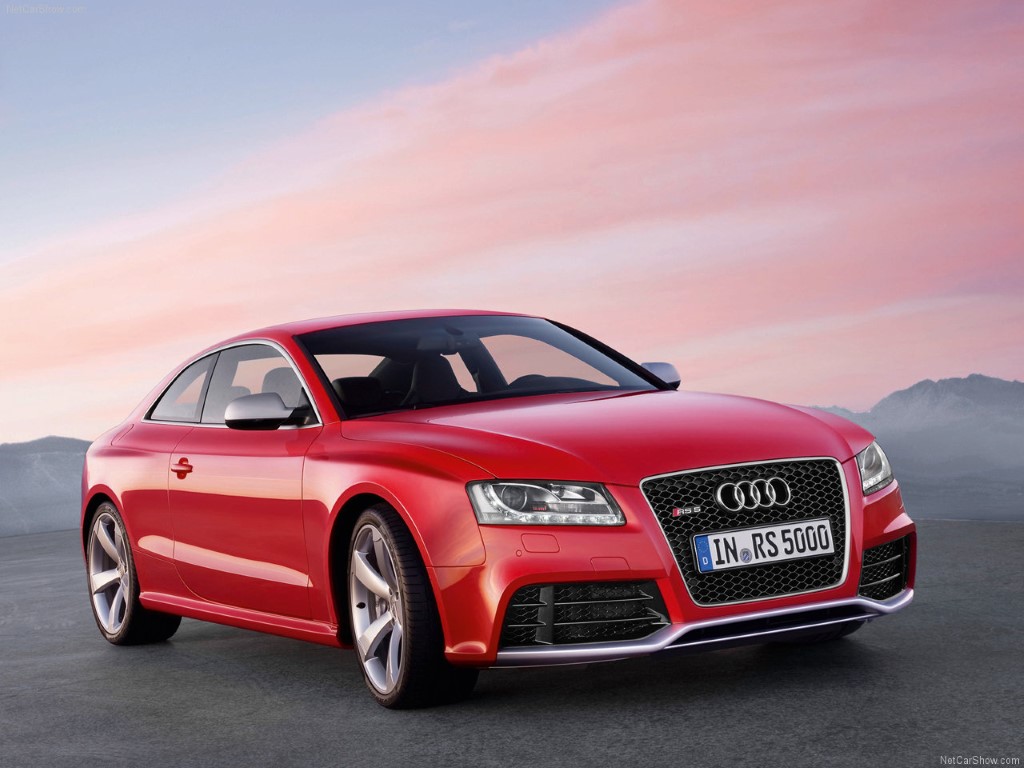
8T
(2010 - 2012)
4.2 V8
450 cv
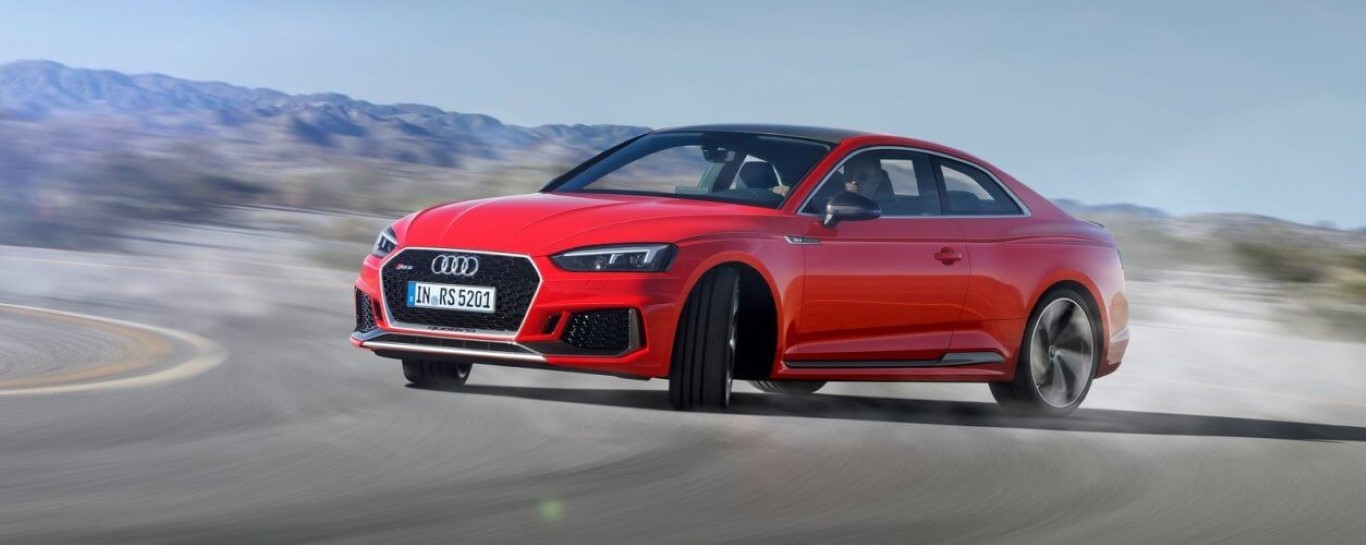
Technical specifications, versions, and history for the Audi RS5 Coupe.
Select a generation to see available versions
(2010 - 2012)
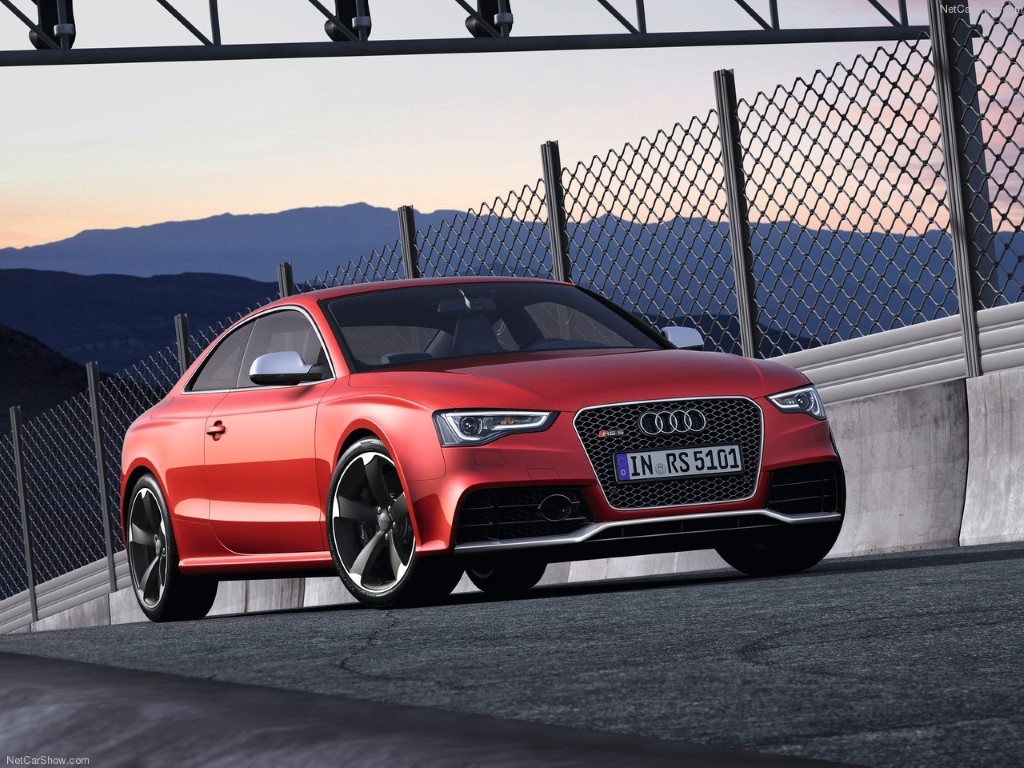
(2012 - 2017)
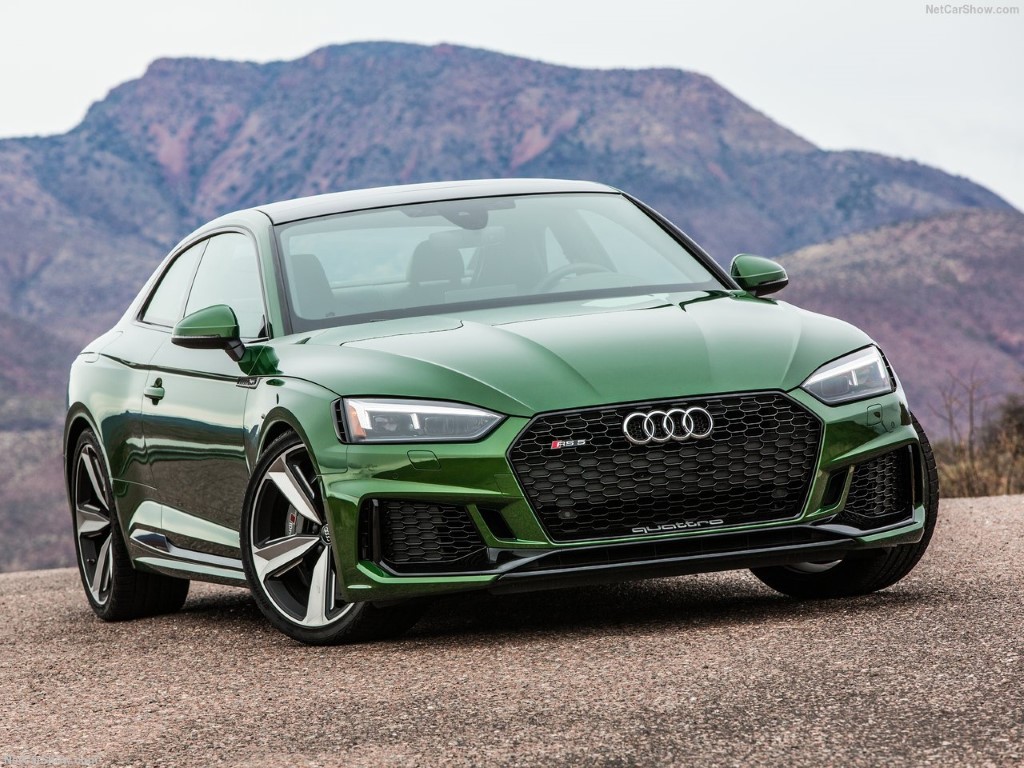
(2017 - 2019)
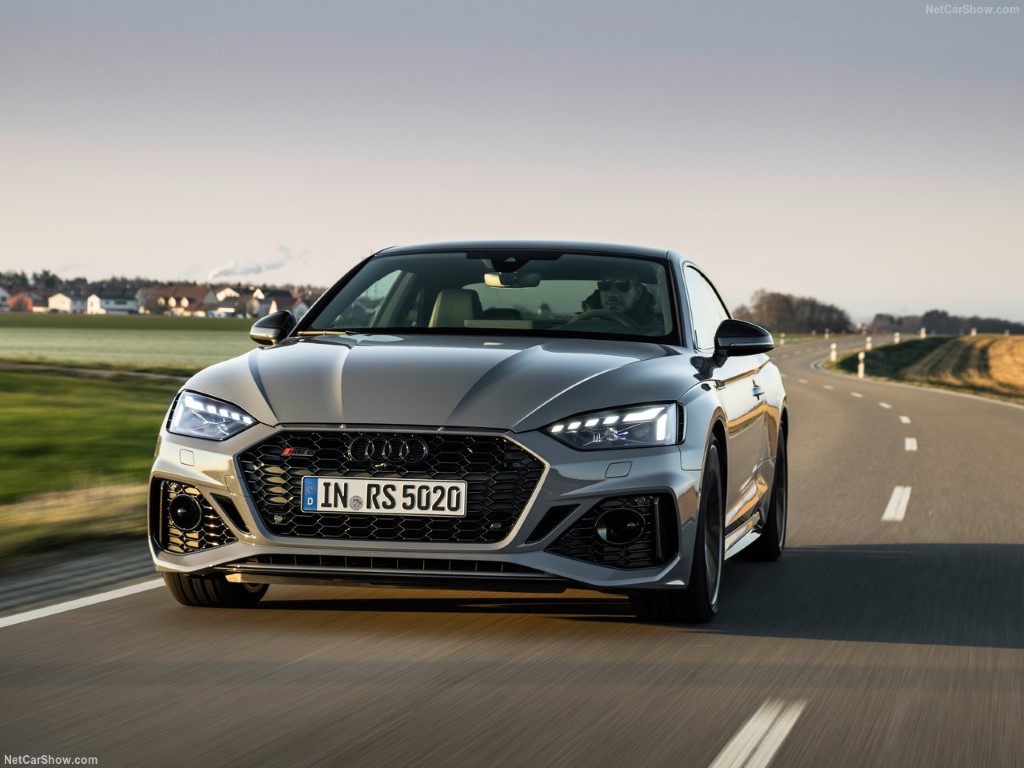
(2019 - 2025)
Select a powertrain to view full technical specifications
The history of the Audi RS5 is a narrative that transcends mere automotive engineering; it reflects the philosophical transformation of Audi's high-performance division, Audi Sport GmbH (formerly known as quattro GmbH), over the last two decades. Strategically positioned in the "D-Segment", the RS5 was conceived to challenge the established hegemony of Germanic rivals such as the BMW M3 and the Mercedes-AMG C63, offering an alternative focused on all-wheel drive and all-weather usability. This report exhaustively examines the RS5 lineage, from its genesis with high-revving naturally aspirated V8 engines to its contemporary metamorphosis into a versatile biturbo platform, encompassing the Coupé, Cabriolet, and the innovative Sportback body styles.
The following analysis details the technical specifications, production nuances, market variations, and special editions that make up the legacy of this model, using a direct and accessible approach, as requested, but without sacrificing the technical depth necessary for a complete understanding of the vehicle.
The launch of the Audi A5 in 2007 marked Audi's return to the mid-size touring coupe market, a territory the brand had left vacant since the Audi Coupé of the 1990s. Designer Walter de Silva considered the A5 his masterpiece, and it was upon this acclaimed aesthetic foundation that Audi Sport began to develop its most radical version. Unlike the S5 models, which served as a bridge between ordinary cars and high performance, the RS5 was designed to be an elite athlete.
The first generation of the RS5, built on the B8 platform, was introduced to the international market in 2010. However, its arrival in specific markets, such as the United States, only occurred in the 2013 model year, already incorporating the mid-life aesthetic updates (facelift). The defining element of this generation is, unquestionably, its engine.
The RS5 B8 is powered by a naturally aspirated 4.2-liter FSI (Fuel Stratified Injection) V8 engine. It is fundamental to distinguish this engine from the V8s used in the Audi S4 or S5 of the same era. While the pre-2013 S5 utilized a torque-focused V8, the RS5's engine was developed based on the V10 from the Lamborghini Gallardo and the Audi R8 V10. Audi engineers essentially removed two cylinders from the V10 block to create this high-revving unit.
This powerplant delivers 450 horsepower (444 hp) at a dizzying 8,250 revolutions per minute (rpm). The maximum torque of 430 Nm (317 lb-ft) is available between 4,000 and 6,000 rpm. The nature of this engine requires the driver to actively explore the upper rev range to extract performance, a characteristic that drastically differentiates it from modern turbocharged engines that deliver immediate power at low revs. Each unit of this engine was hand-assembled at the Audi plant in Győr, Hungary, ensuring precise tolerances to withstand the high mechanical loads.
Power transmission in the RS5 B8 is managed exclusively by the 7-speed S tronic gearbox (code DL501). This is an oil-bathed dual-clutch transmission designed for gear changes in the order of milliseconds. The S tronic provides a direct mechanical connection between the engine and the wheels, resulting in a visceral driving experience, although it can exhibit jerky behavior at low urban speeds.
The greatest technical innovation of the RS5 B8, however, was the debut of the "Crown Gear" center differential. Until the launch of this model, Audi predominantly used Torsen differentials. The new crown gear differential was more compact and about 2 kg lighter. Under normal driving conditions, it maintains a 40:60 (front/rear) torque distribution, preserving the rear-wheel-drive characteristic preferred by enthusiasts. However, the system is capable of varying this distribution instantaneously, sending up to 70% of the power to the front axle or up to 85% to the rear axle, depending on available grip. This mechanical flexibility allowed the RS5 B8 superior traction levels compared to its predecessors.
To complement the mechanical system, Audi introduced electronic torque vectoring on all four wheels and offered the Sport Rear Differential as an option (or standard on certain versions). This active component can accelerate the outer rear wheel during a turn, helping to "push" the car's nose into the trajectory and mitigating the natural understeer (pushing forward) tendency of all-wheel-drive vehicles.
The distinction between the B8 (2010–2012) and B8.5 (2013–2015) models is crucial for collectors and buyers. Although the engine mechanics remained unchanged, there were significant changes in aesthetics and auxiliary systems.
| Characteristic | B8 (Pre-Facelift) | B8.5 (Facelift) |
|---|---|---|
| Headlights | Individual dotted LED DRLs | Continuous LED strip ("light tube") |
| Front Grille | Rounded upper corners | Chamfered upper corners (hexagonal) |
| Steering | Hydraulic Assistance | Electromechanical Assistance |
| Interior | Old standard steering wheel and shift knob | Updated flat-bottom steering wheel, new shift knob |
The most controversial change was the transition from hydraulic to electromechanical steering. Audi justified the change with fuel efficiency and the ability to integrate driver assistance systems, such as lane keeping. However, many purists argue that the old hydraulic steering offered superior and more natural "feedback" (road feel).
Introduced in the B8.5 cycle, the RS5 Cabriolet brought the V8 engine experience to the open air. The model used a high-quality acoustic fabric soft top that could be opened in 15 seconds at speeds up to 50 km/h. The engineering challenge of the convertible was structural rigidity; to compensate for the absence of a fixed roof, the chassis received heavy reinforcements, adding about 200 kg to the vehicle's total weight compared to the Coupé. This resulted in slightly slower acceleration (0-100 km/h in 4.9 seconds versus the Coupé's 4.5), but the auditory appeal of the unfiltered exhaust note compensated for the marginal loss of performance for many buyers.
After the end of B8 production in 2015/2016, there was a hiatus until the launch of the new generation. The RS5 B9, launched as a 2018/2019 model (depending on the market), represented a total break from the past. The automotive industry had changed; emissions regulations became stricter, and the demand for efficiency and low-end torque dictated the end of large naturally aspirated engines.
Audi replaced the 4.2 V8 with a 2.9-liter biturbo V6 engine, developed in partnership with Porsche (where it equips models like the Panamera S). This change generated initial skepticism, but the numbers proved the effectiveness of modern engineering.
Along with the new engine, Audi abandoned the S tronic dual-clutch transmission in favor of a traditional 8-speed automatic gearbox with a torque converter, supplied by ZF (8HP model). The technical reason for this change was torque capacity; the sudden 600 Nm hit from the new biturbo engine was at the limit of the old dual-clutch gearbox's reliability. The ZF transmission, calibrated specifically by Audi Sport, offers smooth shifts in urban traffic and, in dynamic mode, locks the torque converter quickly to simulate the direct feel of a sports transmission, allowing an acceleration of 0 to 100 km/h in just 3.9 seconds.
The big news of the B9 generation was not just the engine, but the introduction of a new body style: the Sportback. It was a four-door coupe with a swooping roofline and a liftback-style trunk (the rear window opens together with the lid).
The Sportback was a masterstroke by Audi. While BMW offered the M3 (sedan) and the M4 (coupe), and Mercedes had the C63 sedan and coupe, none of the rivals offered a vehicle with the elegant silhouette of a coupe and the practicality of four doors in this specific performance segment. The RS5 Sportback filled this gap, offering fenders widened by 15 mm on each side compared to the standard A5 Sportback, giving it a commanding road presence. In the United States and other markets, the Sportback quickly surpassed Coupé sales, becoming the dominant variant.
Around 2020 (2021 model year), Audi applied a mid-life update to the RS5, known as B9.5.
Throughout its history, the RS5 has received several limited editions that altered both the aesthetics and the dynamics of the vehicle. These versions are highly sought after by collectors.
Audi does not publish detailed reports with the exact production count of each individual RS model, frequently grouping them into its annual statistics. However, through chassis registries and owner communities, it is possible to draw a picture of the RS5's rarity.
The production of the RS5 B8 Coupé is estimated between 13,000 and 15,000 units globally over its five-year lifespan. The RS5 Cabriolet B8 is considerably rarer, with estimates pointing to fewer than 5,000 units produced worldwide, making it a potential collector's piece in the future due to its unique combination of a naturally aspirated V8 engine and an open roof.
In the B9 generation, the total volume increased significantly thanks to the success of the Sportback. However, recent data indicates a contraction in sales. In 2024 and 2025, Audi faced US sales declines of 14% and 16% respectively, which suggests that the final models of the B9 generation (2024 and 2025 model years) may end up being relatively rare due to the low sales volume at the end of the lifecycle.
Analysis of import data and enthusiast registries for the North American market (B9 pre-facelift) reveals curious numbers about color distribution, which directly affect resale value:
Owning an RS5 requires attention to mechanical details specific to each generation. The complexity of these vehicles demands rigorous maintenance.
The automotive industry is at an inflection point, and the future of the RS5 reflects this shift. Audi has announced a restructuring of its nomenclature: models with even numbers (A4, A6, Q4, Q8) will be gradually converted to 100% electric platforms (e-tron), while models with odd numbers (A5, A7, Q5) will retain internal combustion engines, albeit hybridized.
This means that the successor to the current Audi A4 Sedan will be renamed to A5 Sedan/Sportback. Consequently, the next generation of the RS5 (B10 platform, expected for 2025/2026) will be the main combustion performance representative in this segment.
A crucial detail for the future is the end of two-door body styles. Audi has confirmed that there will be no Coupé or Cabriolet versions in the next generation of the A5/S5/RS5. This ends a historical lineage of coupes that dates back to the original Audi Quattro. Therefore, the RS5 B8 and B9 Coupé models represent the definitive end of an era, which should positively influence their appreciation in the future classic market. The RS5 B9 Cabriolet never existed (Audi only produced the S5 Cabriolet in this generation), making the RS5 B8 Cabriolet the only one of its kind in history.
The Audi RS5 has established itself as a fundamental pillar in the history of Audi Sport. The B8 generation will be forever remembered for the mechanical purity of its high-revving V8 engine and the visceral throttle response, offering an "analog" driving experience that has become rare. The B9/B9.5 generation, on the other hand, democratized extreme performance, combining the versatility of the Sportback body with overwhelming and accessible torque, transforming the RS5 into an "everyday supercar" capable of tackling any weather.
While the B8 generation appeals to auditory emotion and mechanical connection, the B9 generation impresses with technical competence and absolute speed. With the imminent end of two-door versions, the RS5 Coupé is destined to become an icon of an era where form followed function in a beautiful and uncompromising way.
Images of the Audi RS5 Coupe