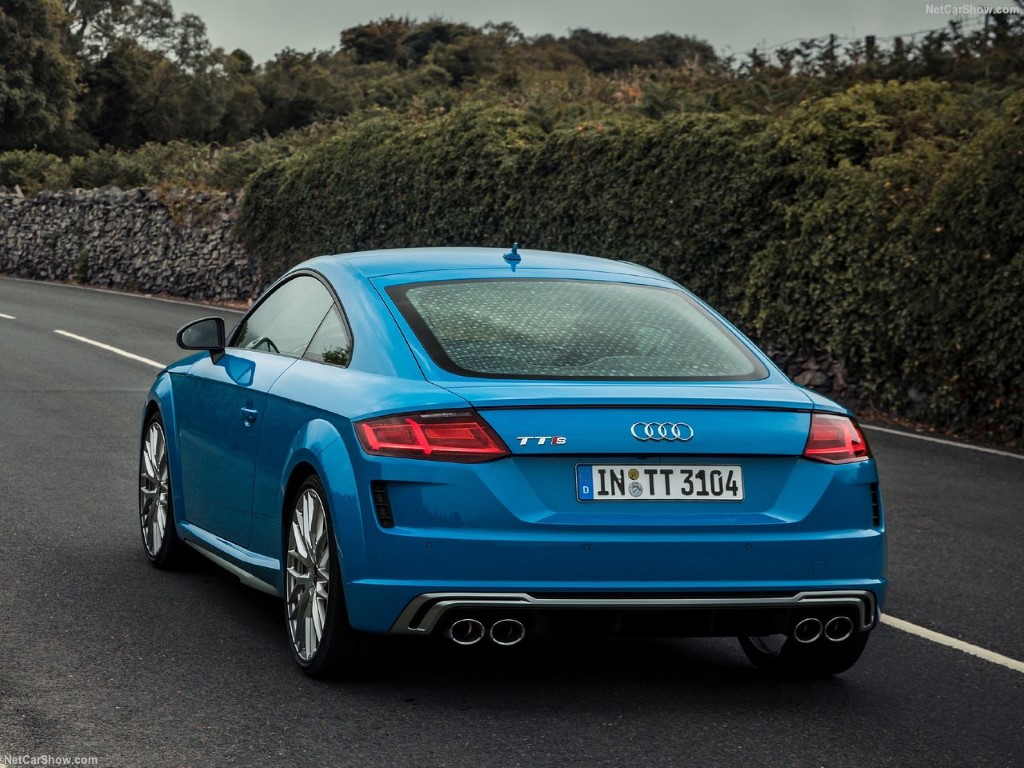
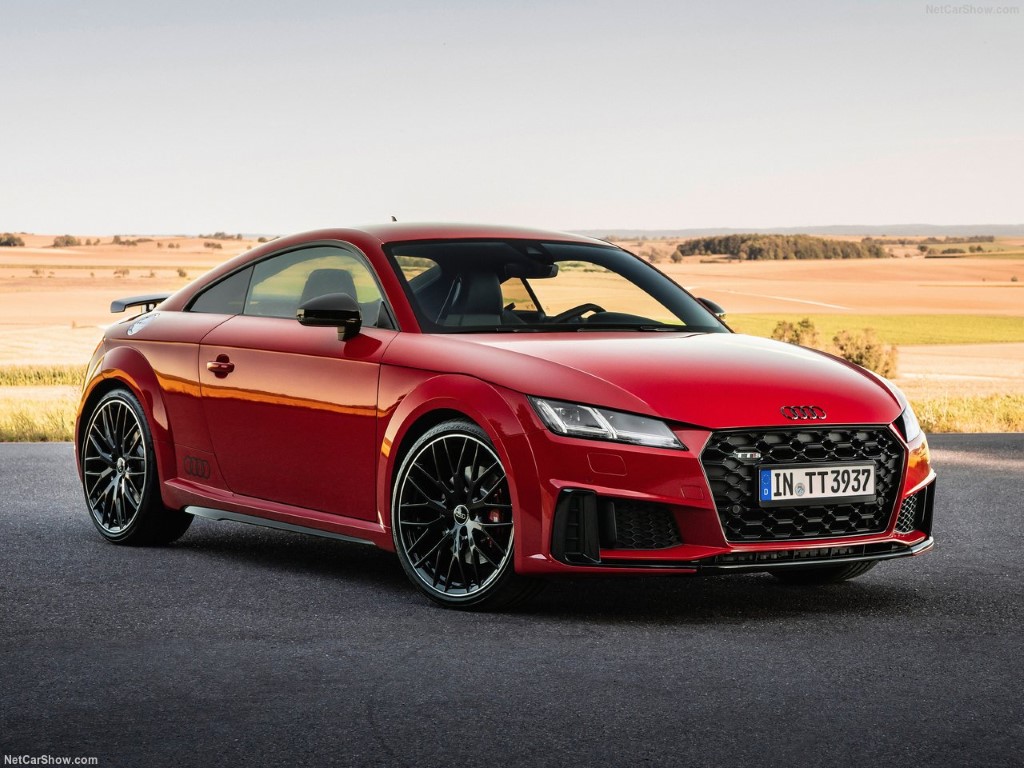
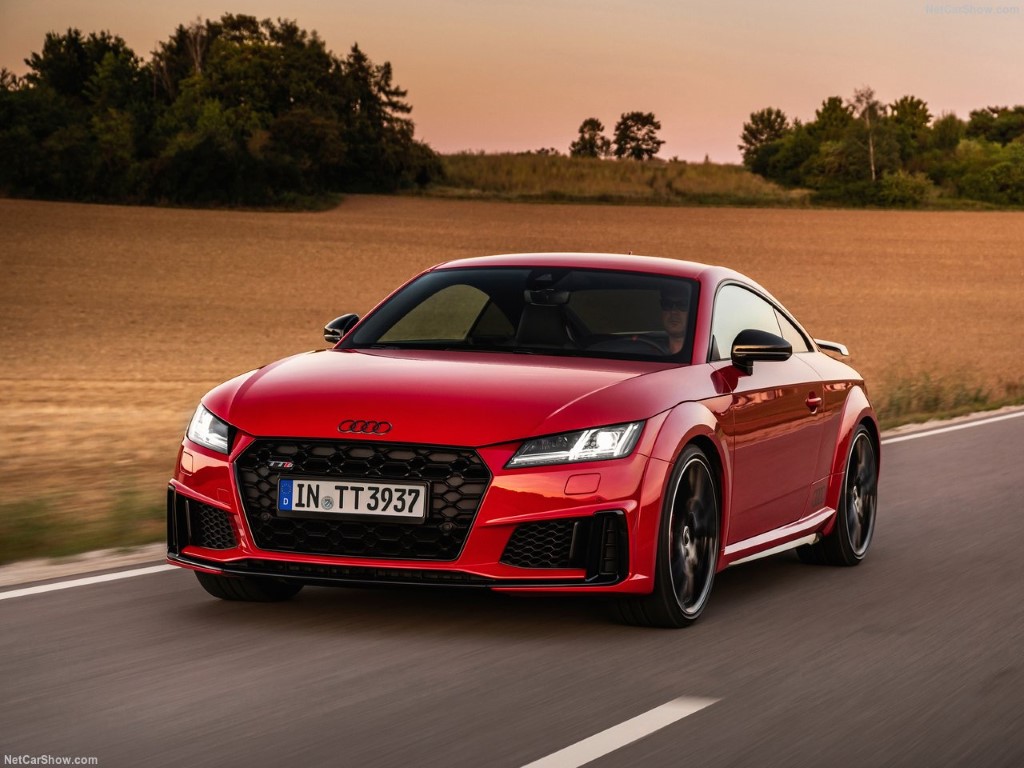
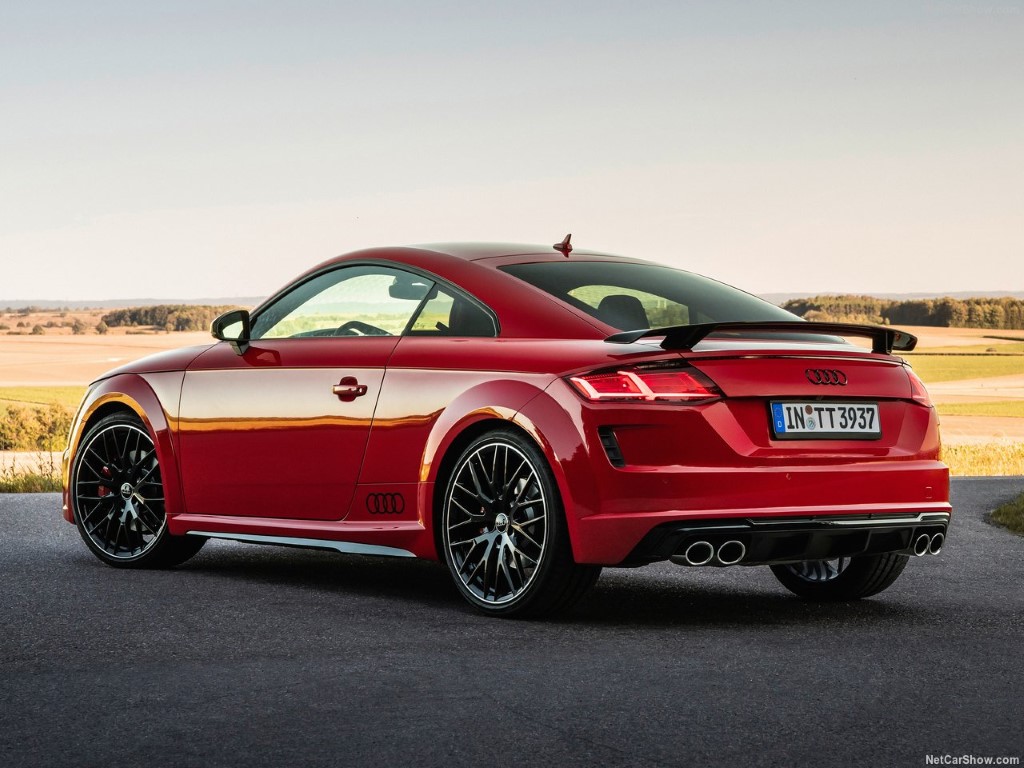
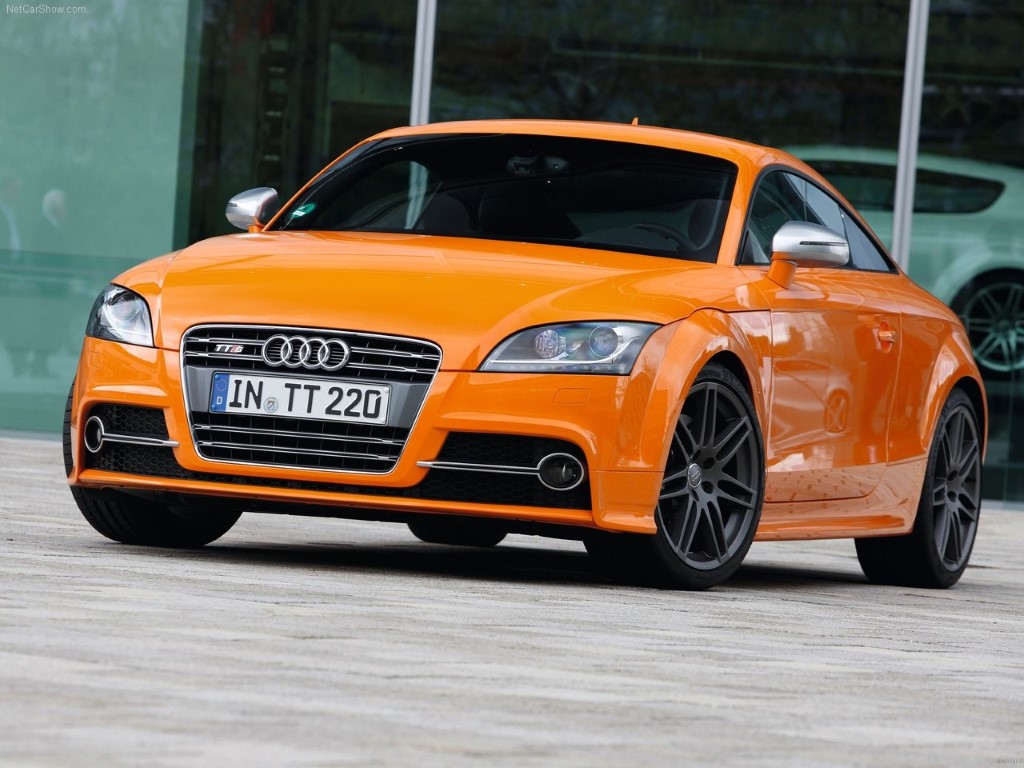
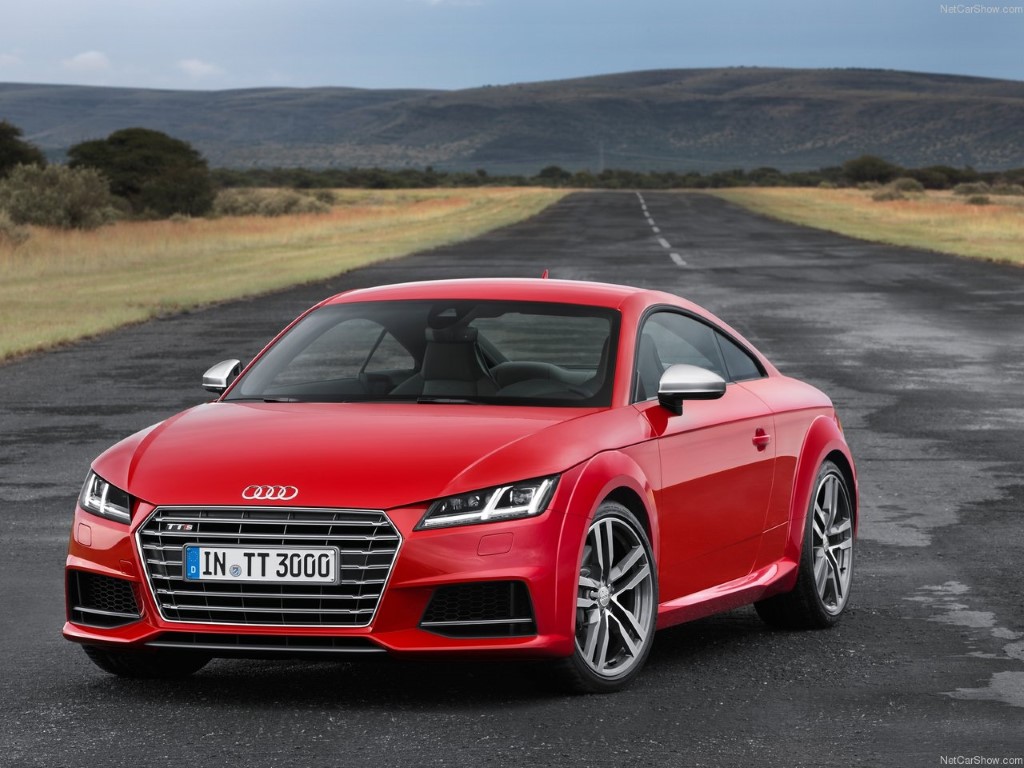
The first Audi TTS was revealed to the world in January 2008 at the Detroit Auto Show, a
choice of location that signaled the importance of the North American market for sports
coupes. It hit European and North American streets (as a 2009 model) shortly
after, positioned above the standard 2.0 TFSI and the 3.2 VR6 engine.
The Mechanical Heart: Modified EA113 Engine
The great differentiator of the Mk2 TTS resided under the hood. While the "civilian" versions of the
TT were
already migrating to the new EA888 engine family, the TTS chose to refine the robust EA113
block, which had already proven its worth in the Audi S3.
This 2.0-liter (1,984 cc) engine with direct fuel injection (FSI) and a
turbocharger received extensive modifications to withstand the higher thermal and
mechanical load:
- Engine Block: Reinforced in the main bearing areas and the
cylinder walls to withstand higher combustion pressures.
- Internal Components: Stronger aluminum alloy pistons,
reinforced forged connecting rods, and enlarged diameter piston pins.
- Cylinder Head: Made from a new high thermal resistance aluminum-silicon
alloy, with valve seats and valve springs designed for high
revolutions.
- Turbocharger: A larger K04 unit was installed, capable of
generating up to 1.2 bar of boost pressure, supported by a highly
efficient all-aluminum intercooler.
The result of this technical package was an output of 272 hp (200 kW) and a torque of 350
Nm (35.7 kgfm) available in a wide band from 2,500 to 5,000 rpm. These numbers allowed
the TTS Coupe with S tronic transmission to accelerate from 0 to 100 km/h in just 5.2 seconds.
Transmission and Traction: The Quattro Symbiosis
The transmission of power to the ground was managed by the quattro permanent all-wheel
drive system, which in the case of the TTS (due to the transverse engine) used a hydraulic
multi-plate clutch supplied by Haldex (Generation 4).
Unlike the purely mechanical Torsen systems used in larger Audis (A4, A6), the
Haldex system of the TTS operated on proactive demand. Under normal cruising conditions,
most of the torque (about 90-95%) was sent to the front wheels to
save fuel. However, upon detecting the slightest difference in rotation between the
axles — or even anticipating the need by reading the throttle position —
the electro-hydraulic pump pressurized the clutch plates on the rear axle,
transferring up to 100% of the available torque to the rear wheels in milliseconds.
The Mk2 TTS offered two gearbox options:
- 6-Speed Manual: For the purists, offering short and precise
throws.
- 6-Speed S tronic (DQ250): A wet dual-clutch
gearbox. This was the choice of the vast majority of buyers and the only option
in many markets (including Brazil in most batches), due to its
ability to perform shifts in hundredths of a second without a noticeable interruption
of torque.
Design and Visual Identity of the Mk2
The TTS visually distinguished itself from the standard TT through details that would become the
signature
of the "S" line.
- Lighting: It pioneered the use of a horizontal line of white LEDs
at the base of the main headlights, serving as daytime running lights
(DRL). This element was not just functional, but gave the car a technological and
aggressive "face", visible from hundreds of meters away.
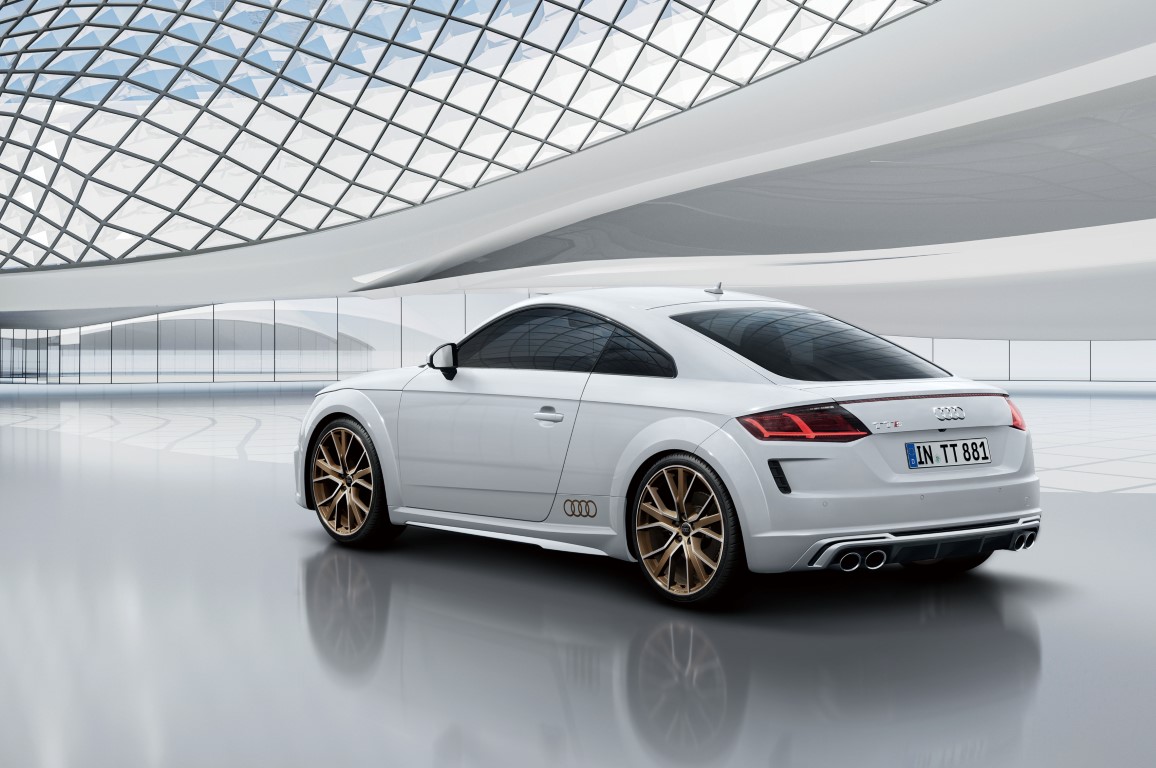
- Exterior: The Singleframe front grille received a chrome finish
on the vertical and horizontal bars ("Platinum Grey"). The bumpers were
redesigned with larger air intakes to feed the intercooler and the brakes. At the
rear, a contrasting gray diffuser housed four oval exhaust tips (two
on each side), a distinctive trait of Audi's S models.
- Wheels and Suspension: 18-inch wheels with a parallel double-spoke
design were standard, with 19-inch options. The ride height was reduced
by 10 mm compared to the base model, thanks to the sports suspension system.
The 2010 Update (Facelift)
In 2010, Audi applied a mid-life update to the Mk2. Although the power of the TTS
remained unchanged (unlike the base model which gained the new engine with
Valvelift), the TTS benefited from aesthetic and efficiency refinements.
- Aesthetics: The front grille received a High Gloss Black finish
and the fog light rings gained chrome contours.
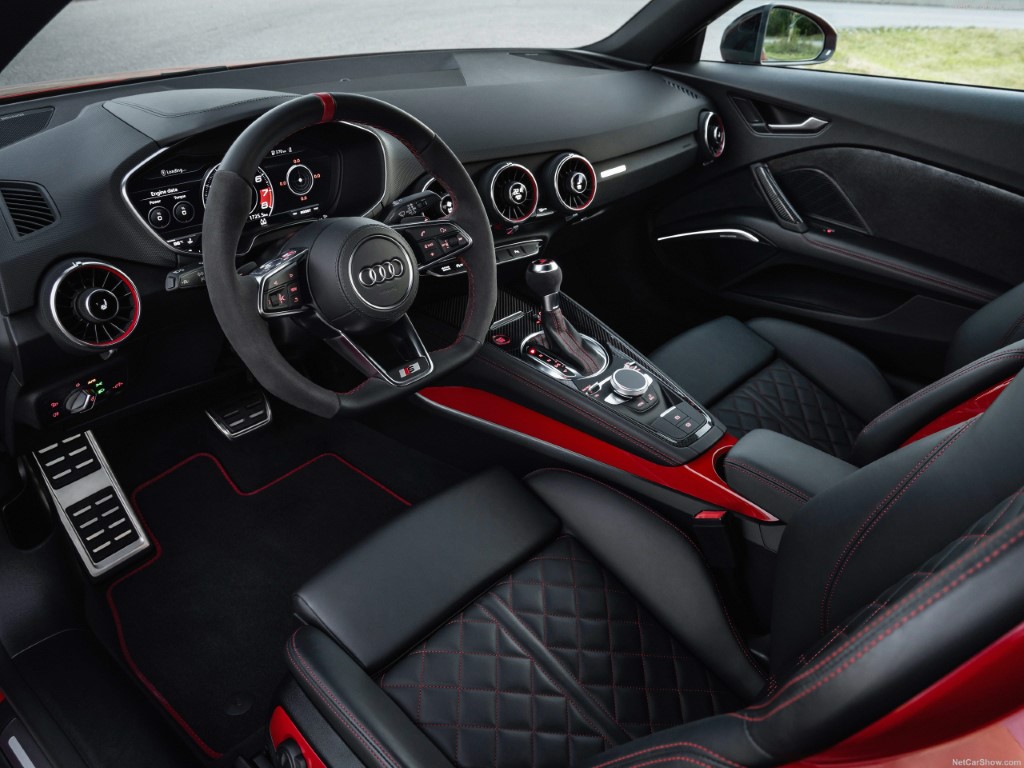
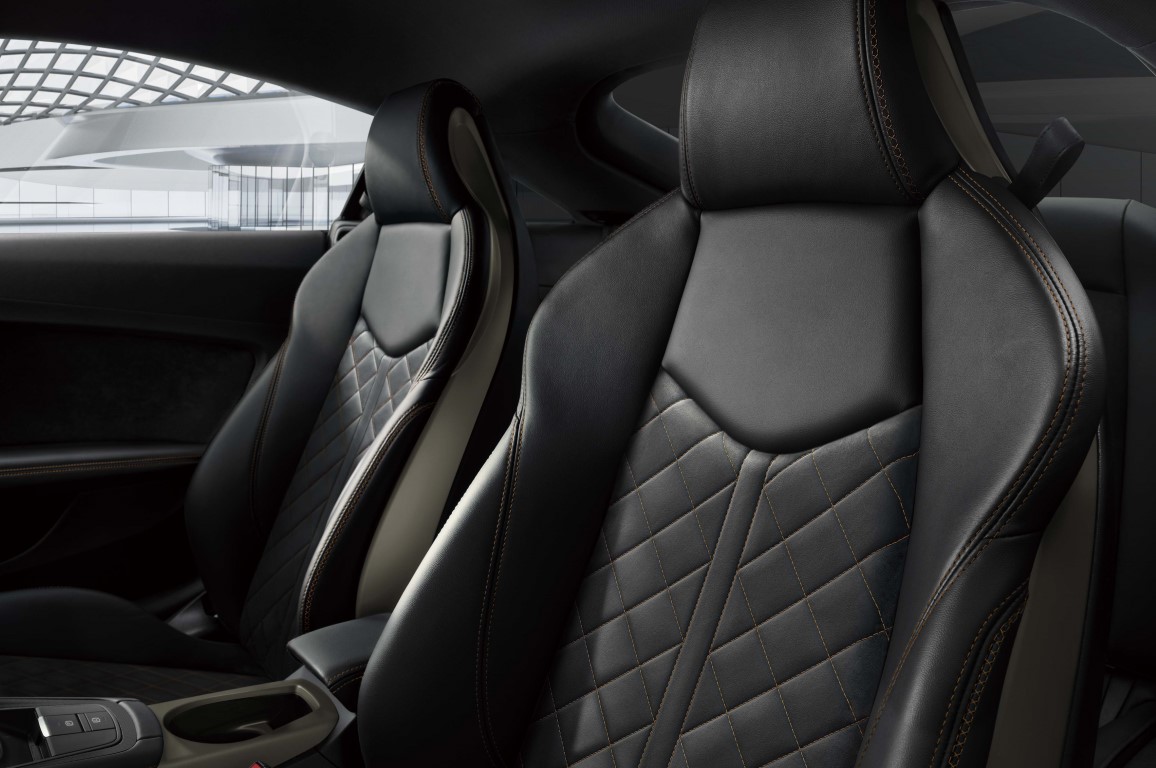
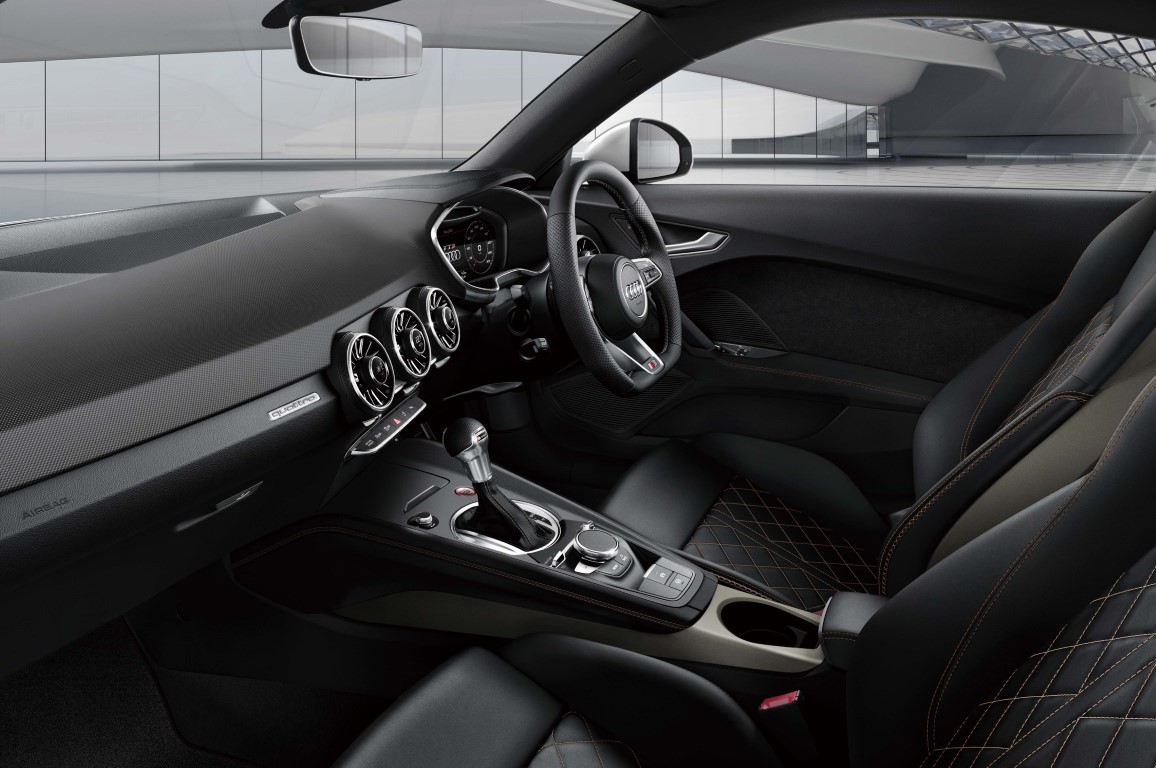
- Interior: New brushed aluminum trims and leather color options
(such as "Spectral Silver") were added to keep the cabin
modern.
- Sport Mode: A "Sport" button was introduced, sharpening throttle
response and making the electromechanical steering heavier and more direct, in addition
to
opening valves in the exhaust for a fuller sound at low revs.