The Exterior Design Philosophy
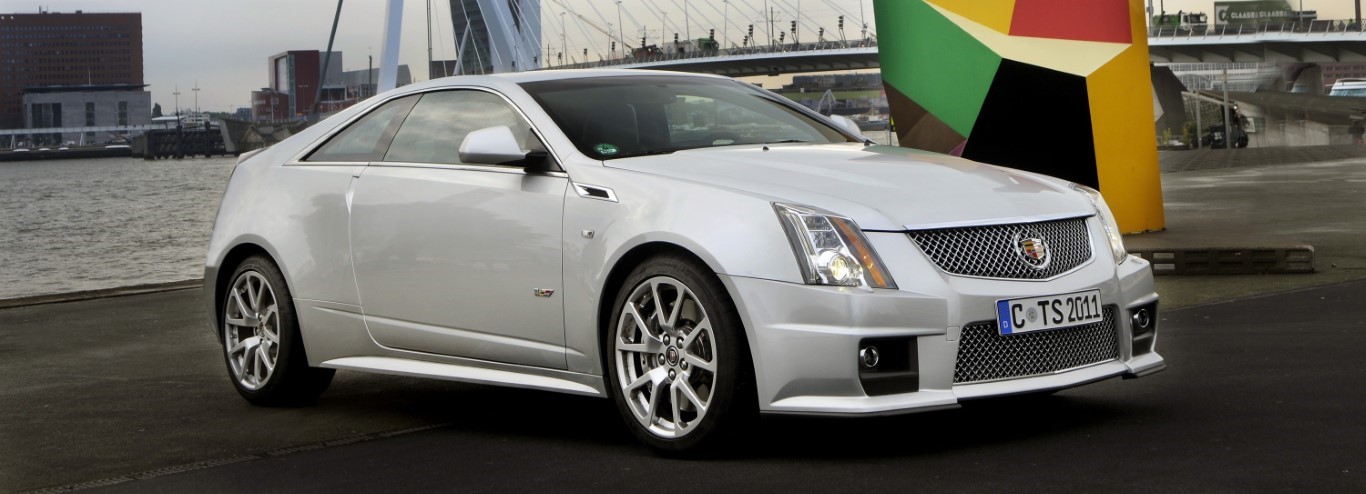
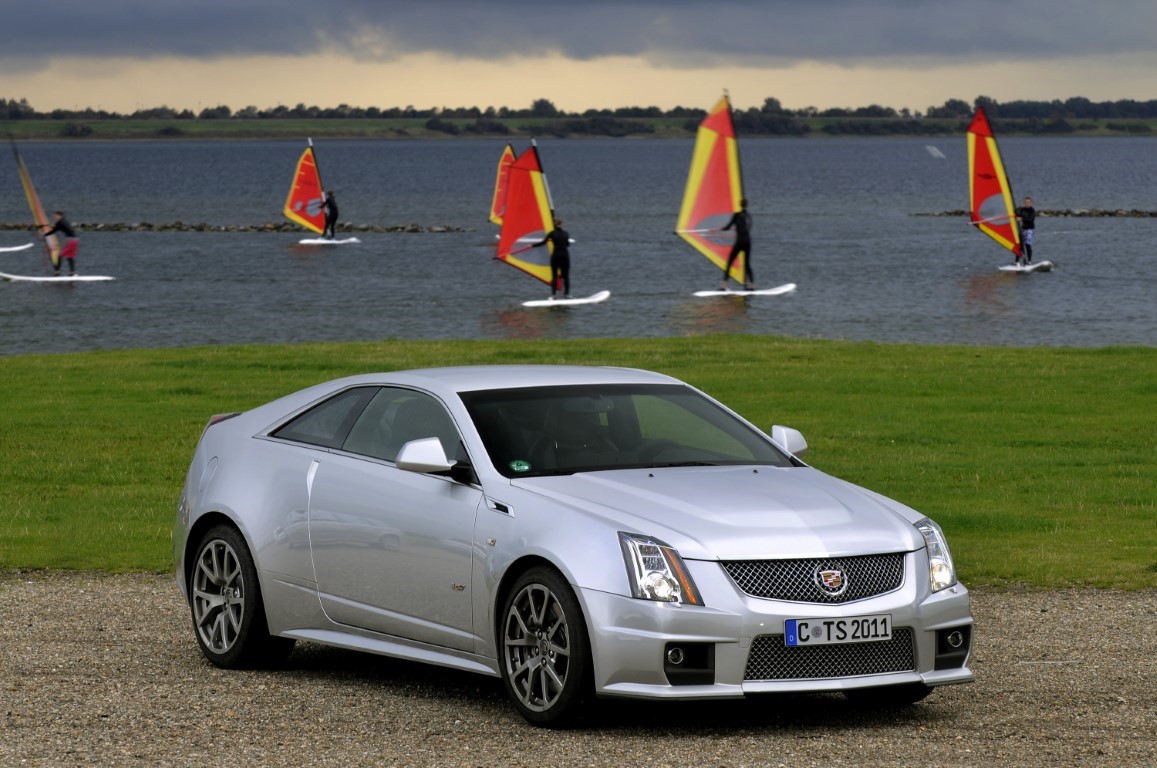
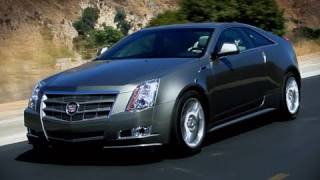
The design of the CTS Coupe is frequently described as "fractal geometric". Cadillac's design team
adopted a radical approach, sharing very few body panels with the CTS sedan. Although the 2,880 mm (113.4
inches) wheelbase was kept the same as the sedan to preserve interior space and stability, the external
proportions were drastically altered.
The coupe is about 50 mm (2 inches) lower and 50 mm (2 inches) shorter in overall length than the
sedan. The roofline has a classic "fastback" profile, sloping smoothly to the rear in an almost continuous
arc, without the clear definition of a traditional third volume (trunk). The windshield was raked at a
sharper (faster) angle to improve aerodynamics and sporty aesthetics.
One of the most distinctive visual elements is the C-pillar (the rear part of the roof), which is
wide and solid, giving an appearance of robustness and privacy to the rear occupants, although this resulted
in significant rear visibility challenges, which the brand tried to mitigate with parking assistance
technology.
Innovation of the Hidden Door Handles
To keep the car's side lines clean and uninterrupted, Cadillac's designers eliminated traditional
door handles. The CTS Coupe utilizes a "hidden" or electronic door handle system.
Technical Operation:
- External Opening: At the rear of the door, there is a "shell" or recess
sculpted into the bodywork. Inside this recess, there is a touchpad (pressure-sensitive button). Upon
pressing this pad, an electrical signal activates a motor that unlocks and slightly pushes the door
outward, allowing the user to pull it.
- Emergency Access: A common concern with fully electric systems is access in
case of a dead battery. Cadillac included a physical mechanical key hidden inside the remote control
(key fob). There is a discreet slot located under the driver's door, accessible only by looking
underneath the car, where this key can be inserted to mechanically open the door in case of an
electrical failure.
- Emergency Exit: On the inside, opening is also done by a button. If the
electrical system fails with occupants inside, there is a manual release lever located on the floor,
next to the seat, which allows for the mechanical opening of the door.
Lighting and Rear Details
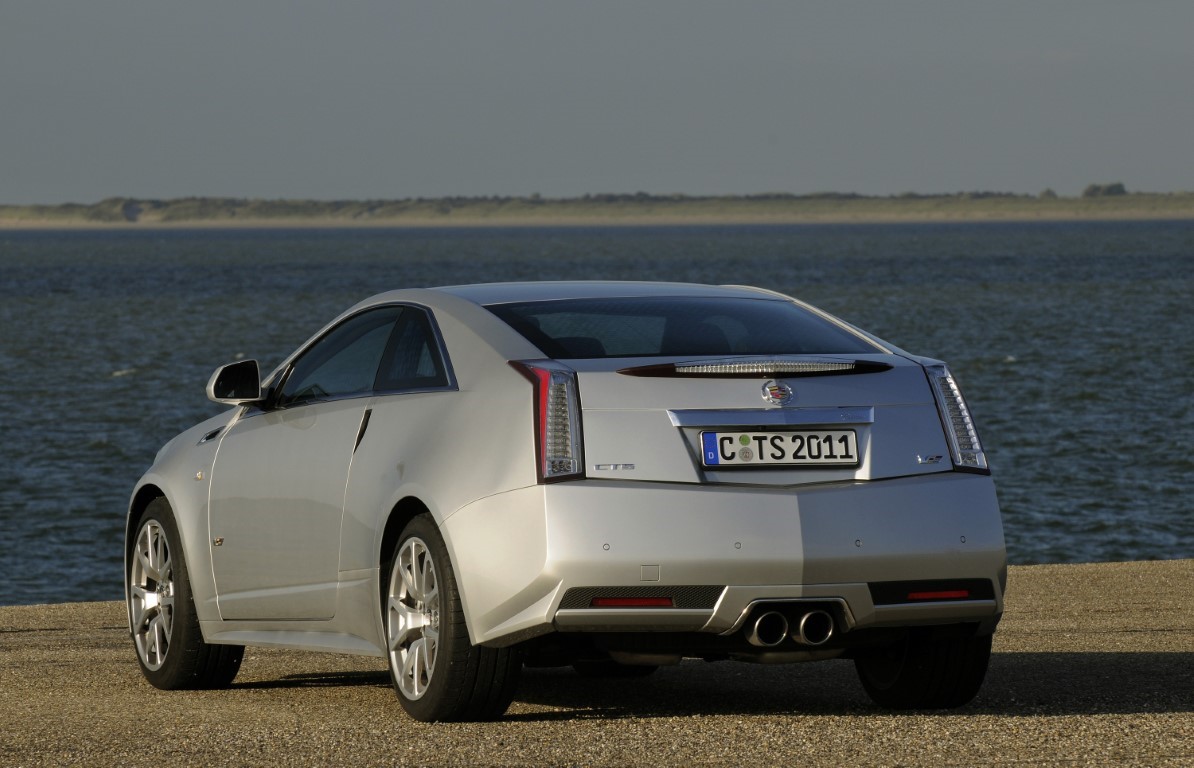
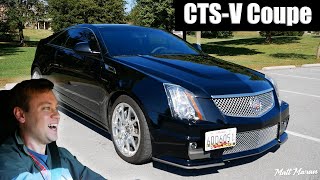
The rear of the CTS Coupe is perhaps its most controversial and memorable angle. The car features a
dual center exhaust (especially notable on V-Series versions and with performance packages), molded into
geometric shapes that mirror the bumper's design. The vertical taillights use LED technology and "light
pipes" to create an unmistakable nighttime signature, paying homage to the classic fins of 1950s Cadillacs,
but with a futuristic execution. The third brake light also functions as an aerodynamic spoiler integrated
into the trunk lid.
Interior and 2+2 Configuration
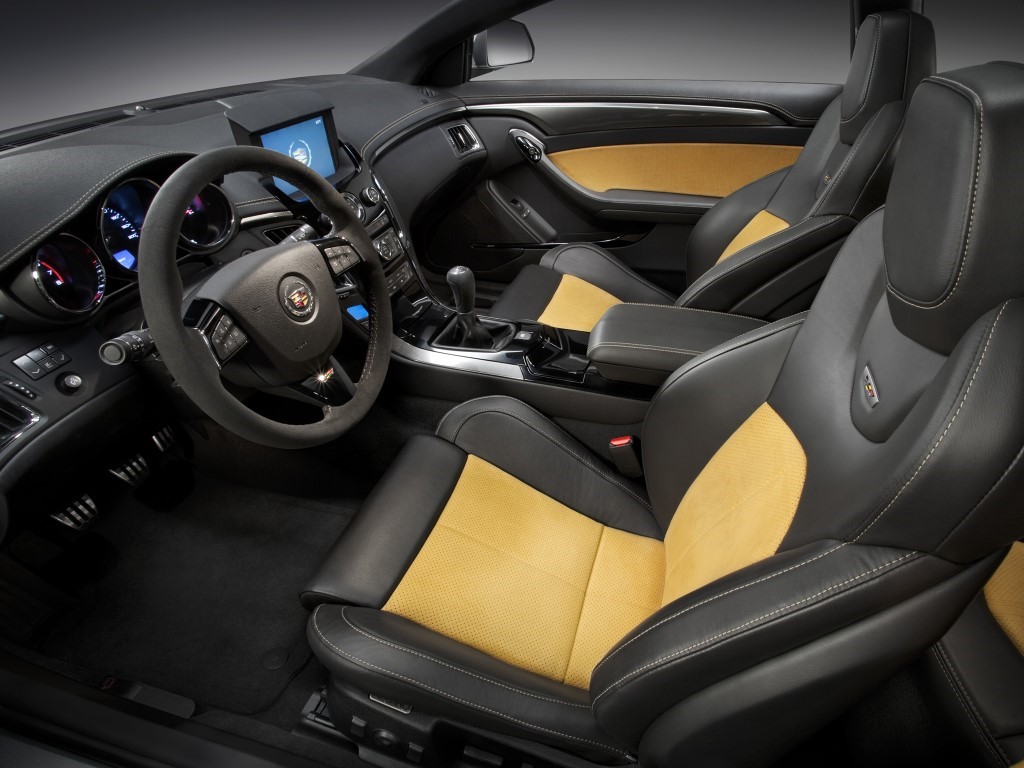
Internally, the CTS Coupe adopts a strict 2+2 seating configuration. This means that, unlike the
sedan which can accommodate three people in the back, the coupe has two sculpted individual rear seats,
separated by a fixed center console.
The materials used in the interior aimed to elevate the brand's perception of luxury. The instrument
panel, console, and doors could be wrapped in hand-stitched leather (a procedure known as "cut-and-sew").
Real wood (Sapele Pommele or Midnight Sapele) and satin metal accents were standard or optional depending on
the version. LED ambient lighting, hidden behind the trims, created a sophisticated atmosphere at night.