The Genesis: From Concept to Production
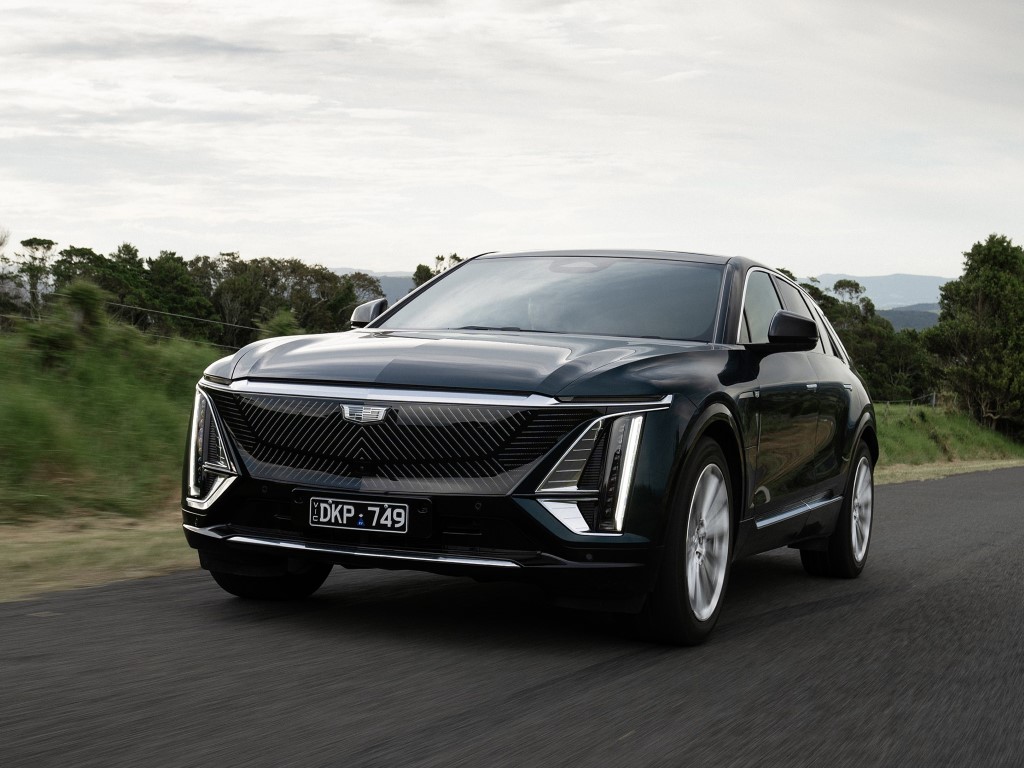
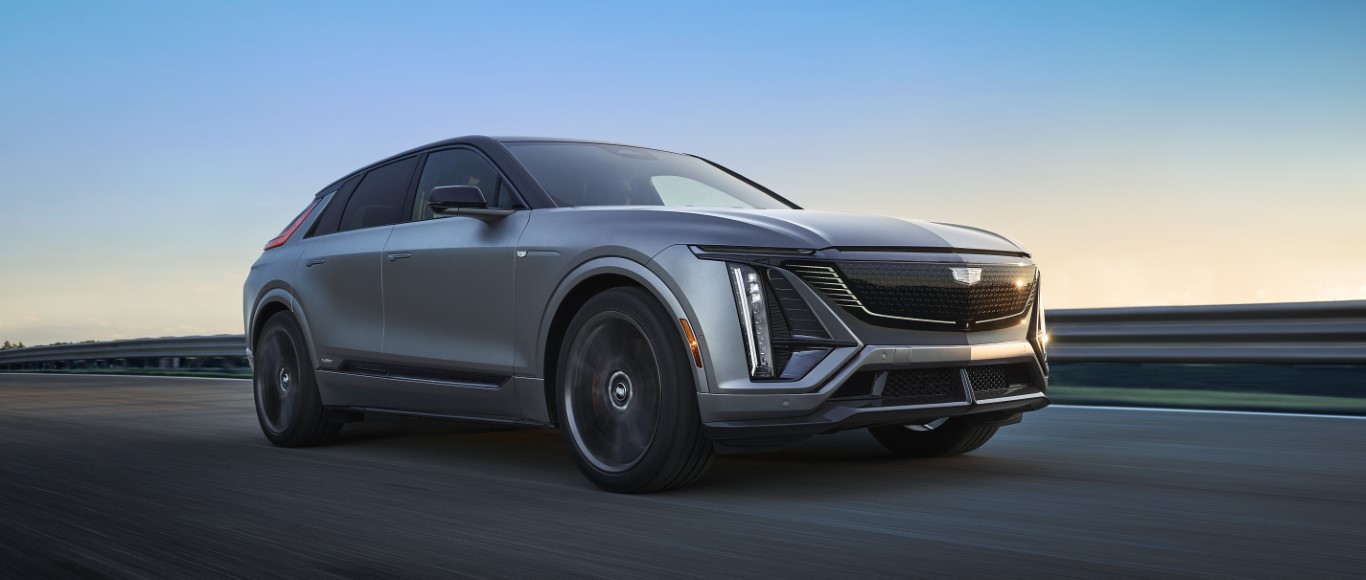
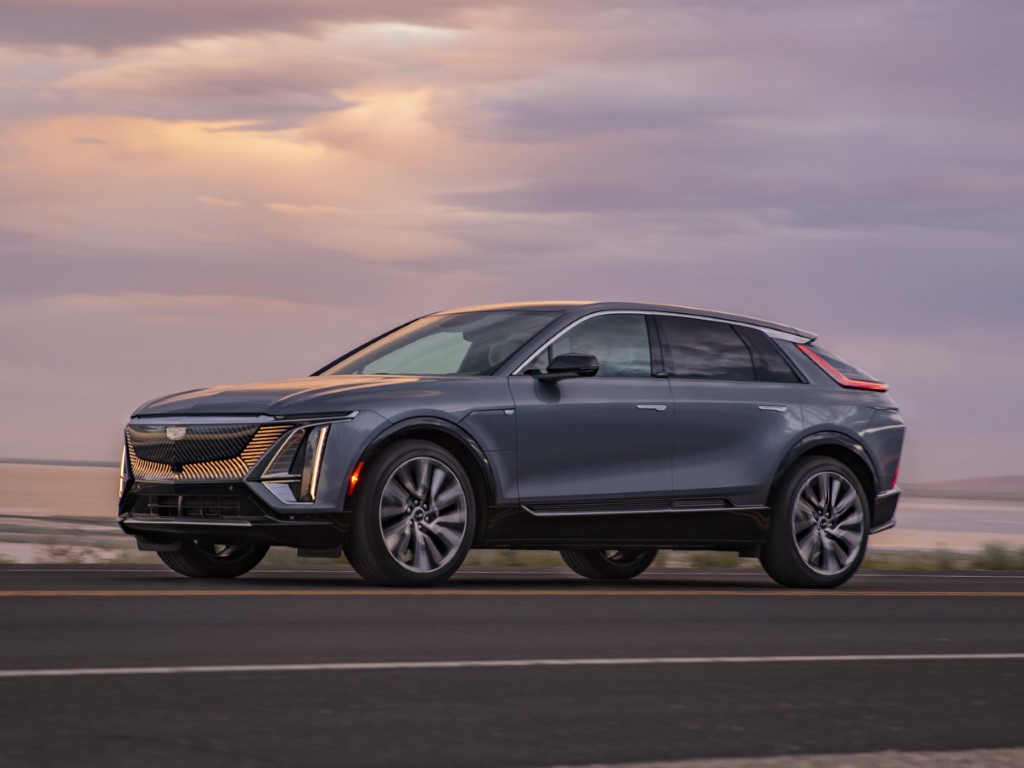
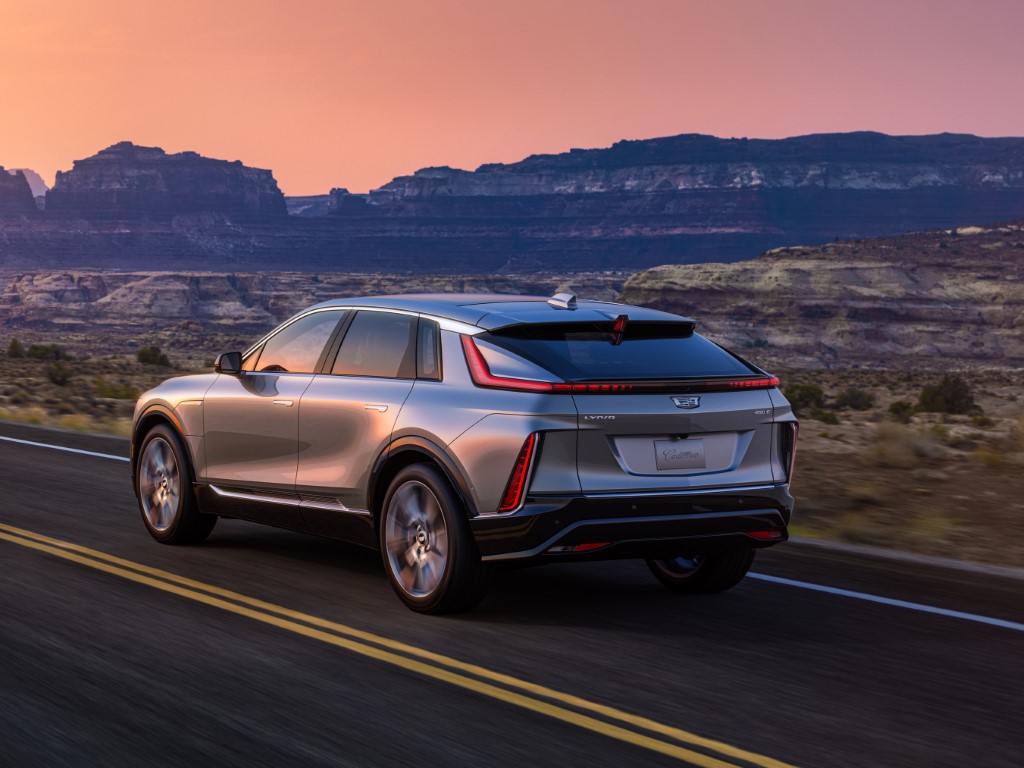
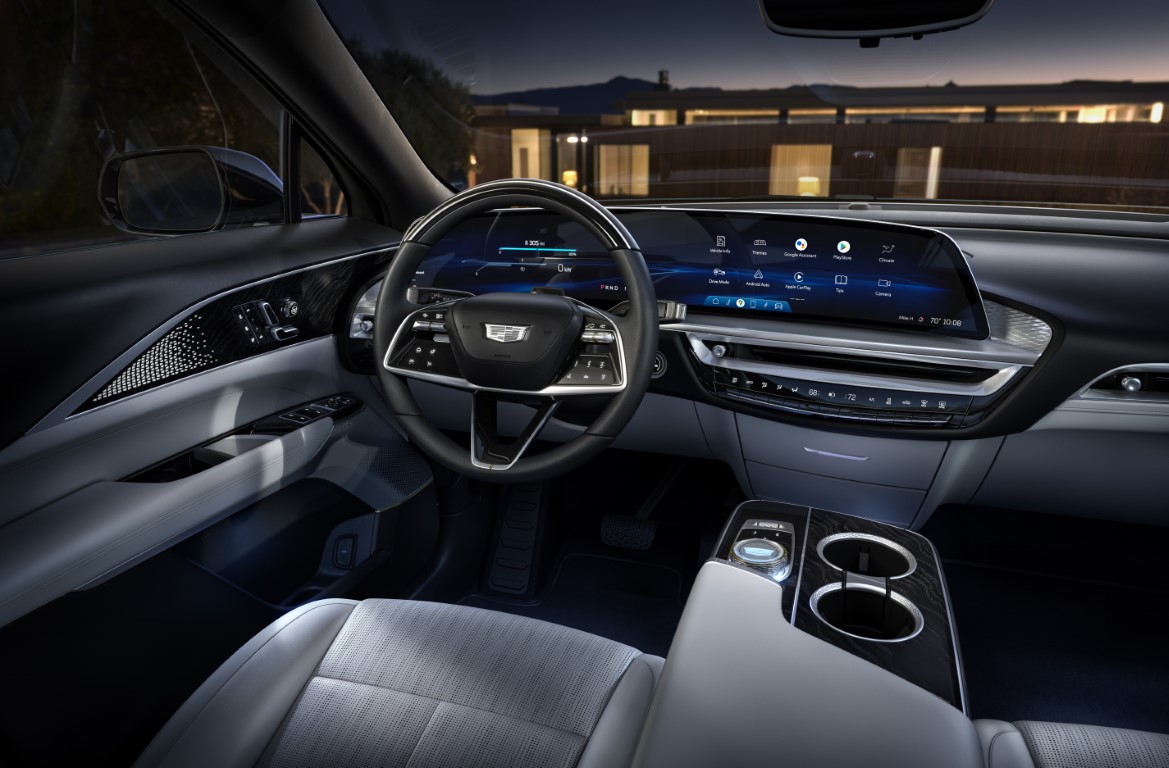
The public history of the Lyriq began in August 2020, when Cadillac revealed the "show car" that
would give rise to the production model. Unlike previous eras, where concept cars were design exercises far
removed from reality, the Lyriq concept was, according to brand executives, about 85% faithful to the final
vehicle. The goal was to establish a new design language that abandoned the angular aggressiveness of the
"Art & Science" era in favor of more fluid lines, clean surfaces, and a more organic digital interaction,
symbolizing the silent and smooth nature of electric propulsion.
A crucial aspect of the Lyriq's development was speed. Pressured by the competition, GM needed to get
the vehicle to market quickly. To do this, Cadillac's engineering relied extensively on virtual testing and
digital validation. Simulation tools allowed them to evaluate aerodynamics, cabin comfort (aeroacoustics),
and structural integrity even before building the first physical prototypes. This methodology allowed them
to move the launch schedule forward by nine months, a notable feat in the traditional automotive industry.
The Ultium Platform: The Backbone
The Lyriq was the first Cadillac vehicle to utilize General Motors' modular Ultium architecture. Unlike
adapted platforms that accommodate both combustion and electric engines, Ultium (BEV3) was designed
exclusively for electric vehicles.
Battery Chemistry and Structure
Ultium technology utilizes large, flat "pouch" style battery cells, developed in partnership with LG
Energy Solution. The cathode chemistry is of the NCMA (nickel-cobalt-manganese-aluminum) type, an innovation
that allowed for a reduction in the use of cobalt — an expensive and complex-to-mine material — by about 70%
compared to GM's previous batteries (such as those in the Chevrolet Bolt).
The battery pack is not just a fuel tank; it is a structural component of the chassis. Integrated
into the floorpan, it increases the vehicle's torsional rigidity, which is fundamental for drivability and
onboard silence, in addition to lowering the center of gravity, improving stability in corners.
Capacity and Management
All Lyriq models produced up to the 2026 model year use a battery module with an energy capacity of
102 kWh. The system is managed by wireless software (wBMS - wireless Battery Management System), which
reduces the pack's internal wiring by up to 90%, decreasing weight and potential points of failure, as well
as facilitating production scalability.