The Y-Body Platform and Corvette Differentiation
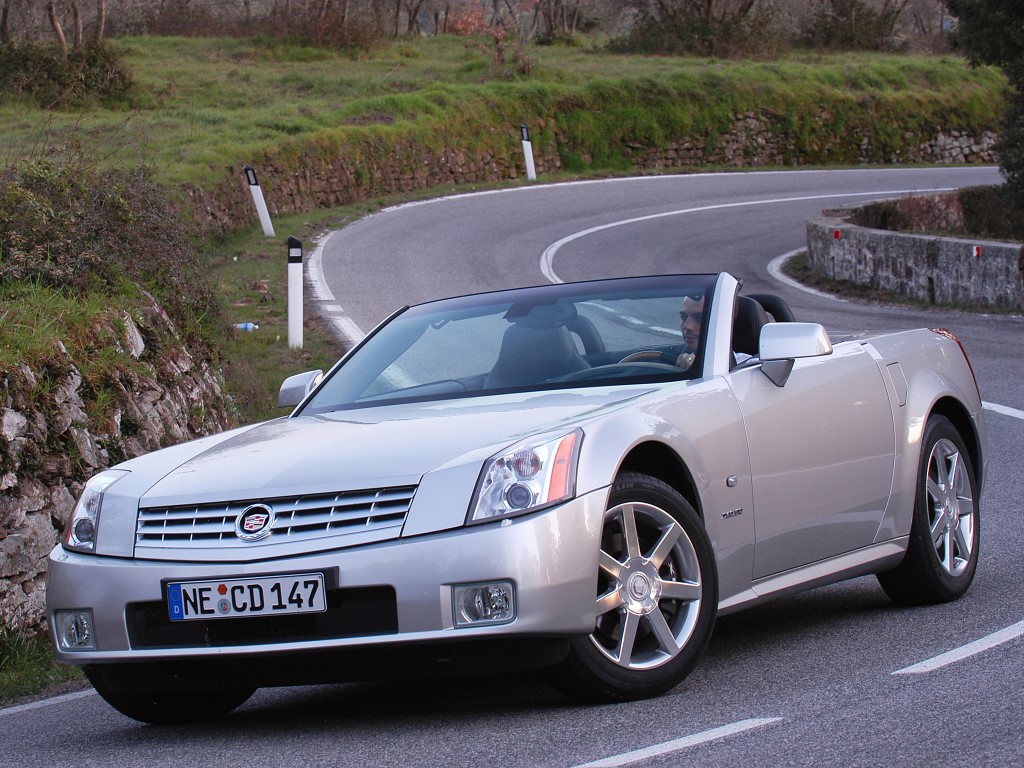
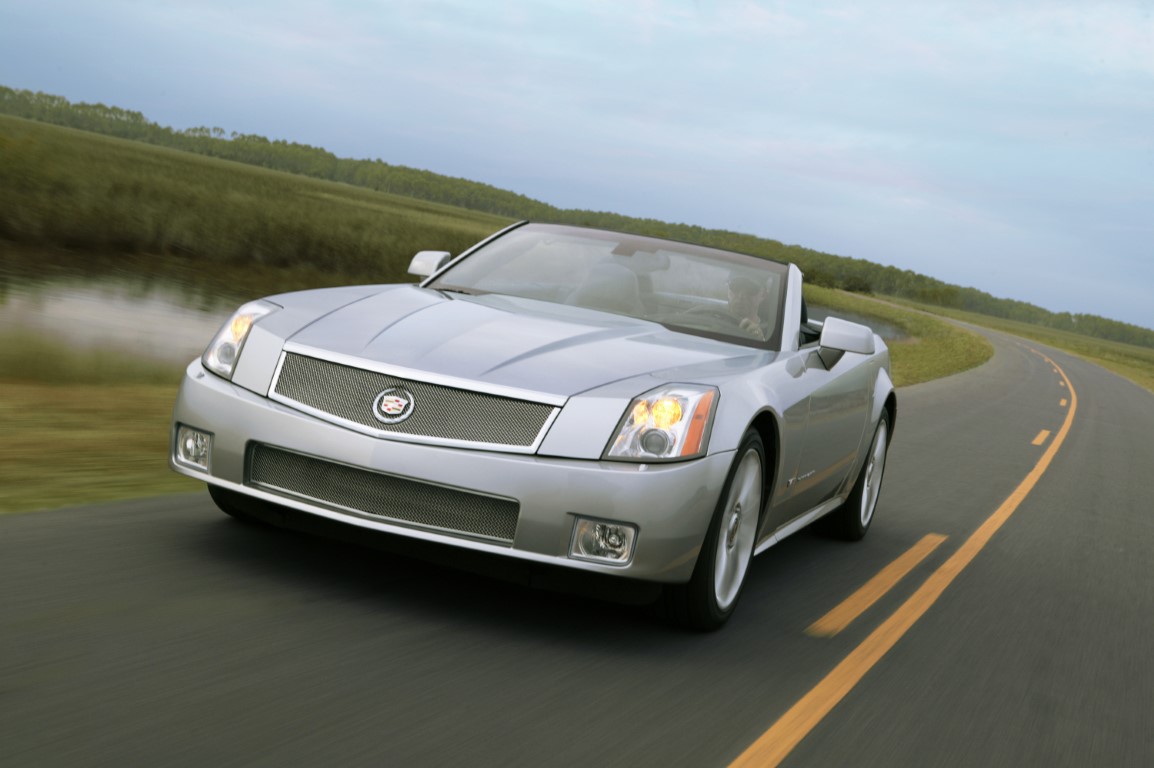
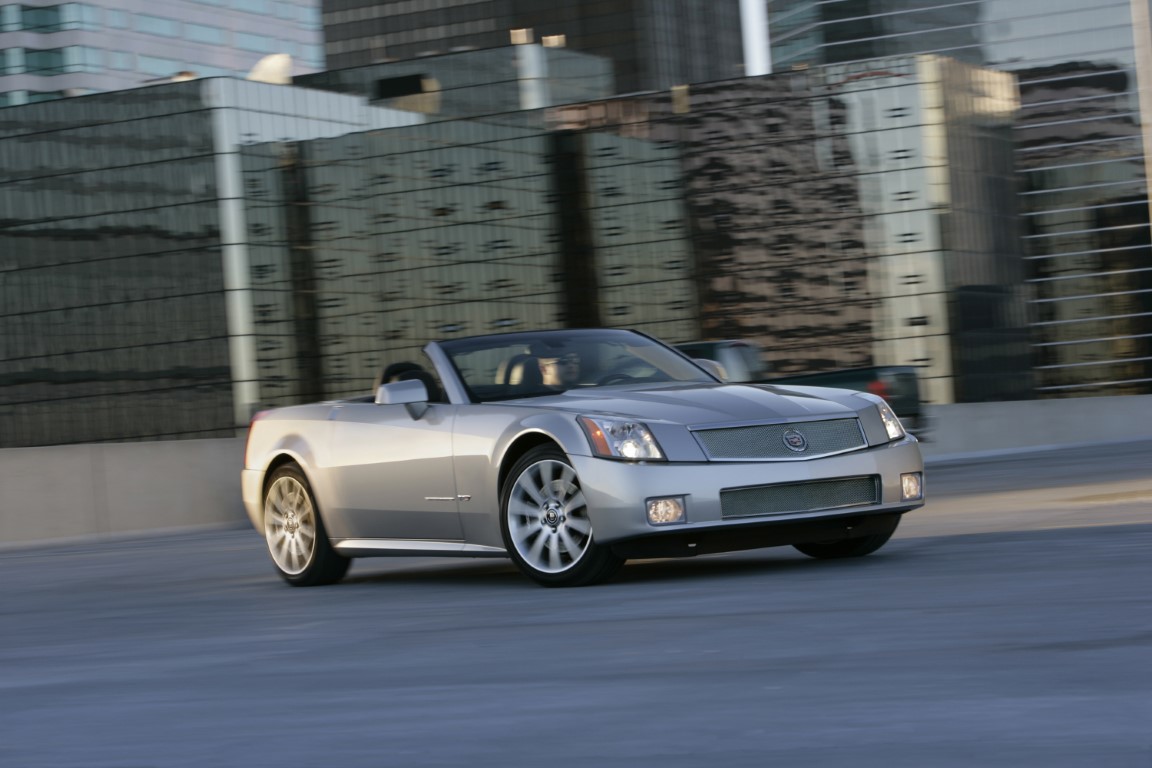
The technical foundation of the Cadillac XLR is General Motors' Y-body platform, specifically the
architecture designated as GMX215. This is the same backbone used by the sixth-generation Chevrolet Corvette
(C6), which was launched one year after the XLR. However, labeling the XLR merely as a "Corvette in a suit"
would be an oversimplification and technically inaccurate. Although they shared the fundamental suspension
geometry and chassis layout, the two cars had radically different missions, dynamics, and executions.
The XLR's structure utilized hydroformed steel perimeter side rails, a technology that allowed for the
creation of complex and robust shapes from single steel tubes, eliminating welds and increasing structural
rigidity. The vehicle's backbone consisted of a folded steel center tunnel, which housed the driveshaft and
contributed to torsional resistance. Where the XLR began to diverge significantly from the Corvette was in
the choice of materials for specific components, aiming for the refinement and ideal weight distribution for
a luxury roadster.
One of the most notable structural characteristics shared with the Corvette was the use of balsa and aluminum
composite floor panels. This sandwich technology, derived from the aerospace industry, provided exceptional
rigidity with minimal weight, in addition to offering superior sound insulation properties, something
critical for the Cadillac's luxury positioning. Furthermore, the XLR utilized a windshield frame made of
aluminum and magnesium steering column supports, noble materials chosen to reduce weight and lower the
center of gravity, improving steering response and stability.
The XLR's body was composed entirely of composite material panels (reinforced plastic). This decision was not
just a weight reduction measure, but an aesthetic necessity. The complex shapes, sharp creases, and acute
angles of the "Art and Science" design would be extremely difficult, if not impossible, to stamp in
conventional steel with the required precision. The use of composites allowed Cadillac's designers to
translate the radical vision of the Evoq concept into production reality without dilution.
Magnetic Ride Control Suspension: Technological Pioneering
One of the most significant technological innovations introduced in the XLR was the standard
inclusion of the Magnetic Ride Control suspension system. At the time of its launch, this technology was
revolutionary and placed Cadillac at the forefront of vehicle dynamics, competing directly with complex
systems such as Mercedes-Benz's Active Body Control (ABC).
The operating principle of Magnetic Ride Control is based on magnetorheology. The XLR's shock
absorbers were filled with a synthetic fluid containing tiny suspended iron particles. The system operated
as follows:
- Monitoring: Wheel displacement sensors and body accelerometers monitored
the road surface and vehicle movements up to 1,000 times per second.
- Processing: A central computer analyzed this data in real time to determine
the ideal damping force for each wheel individually.
- Actuation: When necessary, the system applied an electrical current to the
electromagnetic coils inside the shock absorbers. This created a magnetic field that aligned the iron
particles in the fluid, altering its viscosity almost instantaneously (in a matter of milliseconds).
This continuous adjustment capability allowed the XLR to solve the eternal dilemma of suspension
engineers: comfort versus performance. On straight, imperfect roads, the fluid remained less viscous,
absorbing impacts and providing the "magic carpet" ride expected from a Cadillac. However, when entering a
corner or performing an evasive maneuver, the system instantly stiffened the shock absorbers, controlling
body roll and providing a precise and flat response. This technology was so successful that it was later
licensed and used by supercar manufacturers like Ferrari.
The Retractable Hardtop Mechanism
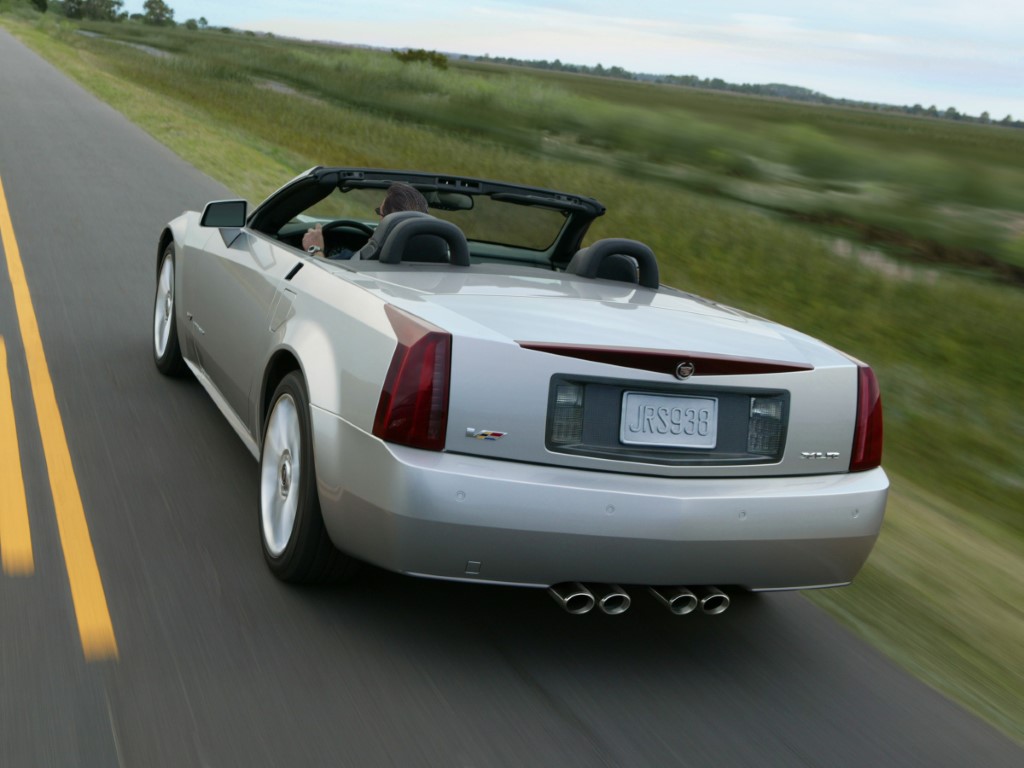
The central element of the XLR's appeal and silhouette was its power retractable hardtop. Developed
in partnership with Car Top Systems, a renowned German company that also supplied roof systems for
Mercedes-Benz and Porsche, the XLR's roof was a marvel of automotive kinematics.
Built with an aluminum and magnesium structure and composite outer panels, the roof was designed to
be light enough not to compromise the car's center of gravity when retracted. The mechanism operated with
the touch of a single button on the center console or via the remote key fob, completing the opening or
closing cycle in under 30 seconds. The process involved opening the trunk lid (which hinged backward),
folding the roof and rear window into a compact configuration, and storing the entire assembly in the
luggage compartment.
This system transformed the XLR from a hermetic, safe, and quiet coupe into an open roadster, without
the need for manual latches or canvas covers. However, the complexity and volume of the system required a
significant sacrifice in cargo space, a frequent point of criticism.
- Capacity with top up: The trunk offered a reasonable 11.6 cubic feet
(approximately 328 liters), enough space for weekend luggage or two golf bags.
- Capacity with top down: The volume shrank drastically to 4.4 cubic feet
(approximately 125 liters), severely limiting the car's utility on long trips with the top down.