
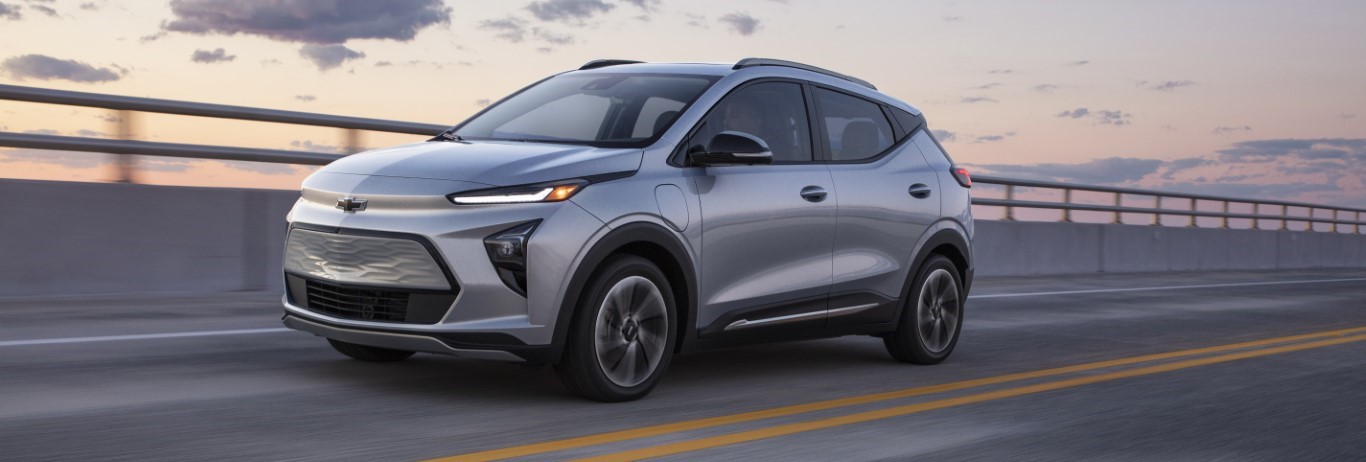
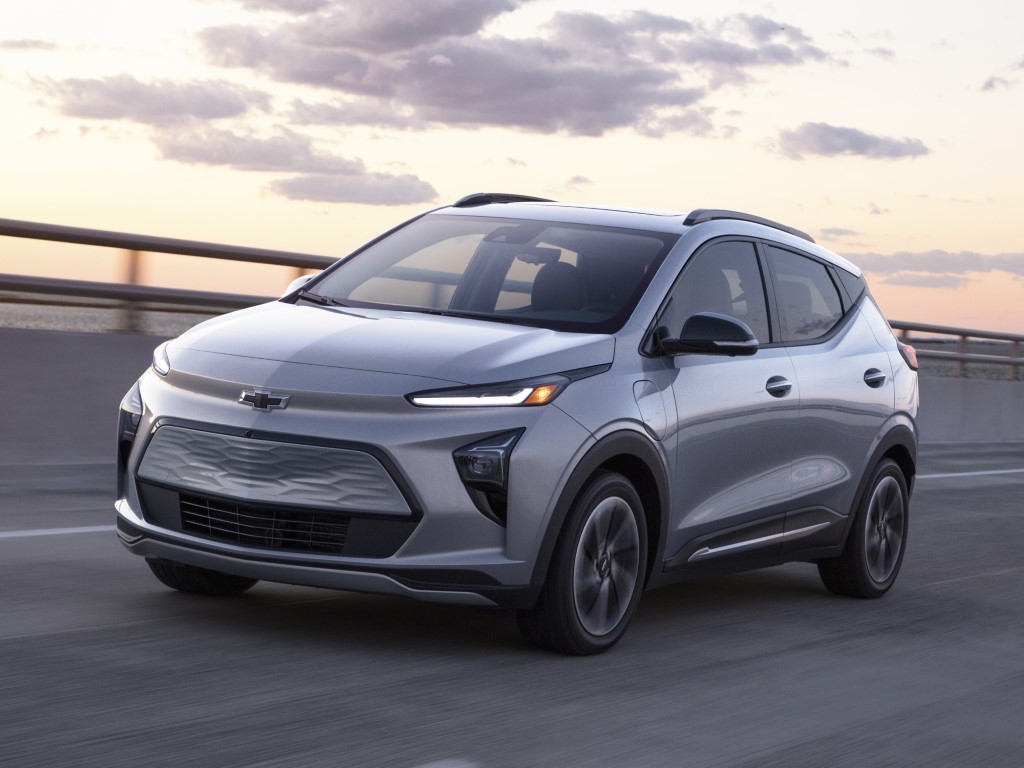
Introduction and Context of the Electric Vehicle Market
The transition of the global automotive industry towards sustainable electric mobility has been characterized by the development of technological platforms that act as bridges between pioneering vehicles with limited range and the future mass adoption of electric cars. Within this scenario of profound transformation, the Chevrolet Bolt EUV (Electric Utility Vehicle) has consolidated itself as one of General Motors' (GM) most significant projects. Designed to meet the growing and inexorable demand for compact sport utility vehicles and crossovers, the EUV model was conceived as a direct and more spacious evolution of the original Chevrolet Bolt EV, maintaining the commitment to offering long range at an affordable cost.
This technical report presents an exhaustive analysis of the Chevrolet Bolt EUV. The investigation covers all the details of its historical development, the intricate engineering specifications of its first generation (produced between 2021 and 2023), the market and structural differences between its versions, the global production volume, the impact of supply chain crises and recalls, the niche strategy adopted for the Brazilian market, and, finally, the architectural projections for its second generation, scheduled for the 2027 model year based on the Ultium architecture.
Genesis and Historical Evolution of the Project
The first generation of the Chevrolet Bolt, originally launched in late 2016 as a 2017 model, adopted the format of a five-door subcompact hatchback. The result of a strategic partnership and joint development with the South Korean giant LG Corporation, the original vehicle garnered immediate critical acclaim, winning prestigious awards such as the 2017 North American Car of the Year and quickly establishing itself as the second best-selling plug-in car in the United States.
However, the dynamics of the automotive market at the turn of the decade demonstrated a clear and rapid migration in consumer preferences: traditional hatchbacks were rapidly losing ground to crossovers and compact SUVs. These taller vehicles offer a dominant driving position, a greater sense of security, and cabins that prioritize vertical space.
Recognizing this shift in consumer behavior, GM engineering began developing a larger variant on the same foundational architecture, known internally as the BEV2 platform. The result of this effort was the Chevrolet Bolt EUV, officially presented to the public in February 2021 and commercially launched starting in August of the same year, with almost simultaneous debuts in the Mexican (August 17, 2021) and North American markets.
The market positioning was clear: the Bolt EUV was not created to replace the Bolt EV immediately, but to act alongside it as a larger, more refined, and technologically advanced sibling, aimed at families and drivers who needed more rear-seat space without sacrificing energy efficiency.
The Battery Recall Crisis and the Industrial Shutdown
The trajectory of the Bolt EUV was severely impacted right in its early days on the market by one of the most complex quality crises faced by GM in the modern era. As soon as the first units of the sport utility vehicle began arriving at dealerships in August 2021, the automaker was forced to issue a massive global recall. The problem was not in the vehicle's design, but rather in rare manufacturing defects present in certain lithium-ion battery cells supplied by LG, which increased the thermal risk and the possibility of fire.
The corporate response was drastic and prioritized safety. Production of the Bolt EUV and its hatchback sibling was completely halted at the Orion Assembly plant, located in Lake Orion, Michigan, on August 23, 2021. GM made the strategic decision that all production of new batteries, which in the case of the Bolt EUV was already taking place at LG's factories in the state of Michigan (unlike the early EV models whose cells came from Asia), would be redirected exclusively towards replacing the defective packs of the more than 140,000 recall-affected vehicles that had already been sold since 2016.
This production hiatus lasted for almost eight months, meaning that the 2022 model year of the Bolt EUV had an extremely fragmented commercial existence. Up until the official resumption of production on April 4, 2022, fewer than 400 units of the entire Bolt family had been delivered to consumers in that calendar year. However, the methodical way in which GM handled the free module replacements, implemented new diagnostic software, and reinstated factory warranties allowed for a remarkable recovery of customer trust, paving the way for sales records in the subsequent quarters.
Architecture and Technical Specifications (First Generation: 2022-2023)
The Chevrolet Bolt EUV was designed to maximize efficiency in urban and highway environments, employing an optimized powertrain that balances agile performance with low operating costs. The engineering behind the model reflects a high degree of maturity for the BEV2 platform.
Powertrain and Performance Dynamics
The Bolt EUV's powertrain is centered around a single permanent magnet electric motor, positioned transversely on the front axle, characterizing the vehicle as front-wheel drive (FWD). The transfer of mechanical energy to the wheels occurs through a single-speed reduction gear set, with a final drive ratio fixed at 7.05:1.
In terms of output, the electric motor is capable of generating a maximum power of 150 kW, the equivalent of 200 horsepower. The great differentiator, however, lies in the torque delivery, which reaches 360 Nm (266 lb-ft) instantaneously, an intrinsic characteristic of electric motors. This mechanical configuration allows the crossover of over 1.6 tons to accelerate from 0 to 100 km/h (0 to 60 mph) in a competent 7.0 seconds, ensuring safe overtaking and agility in urban traffic.
The driving dynamics are enhanced by the partially regenerative and electro-hydraulic braking system. This system enables the use of "One Pedal Driving" mode, where the motor acts as a generator when pressure is relieved from the accelerator, aggressively decelerating the vehicle and converting kinetic energy back into electricity for the battery, which substantially reduces wear on conventional brake pads.
Battery System, Range, and Charging Infrastructure
The energetic core of the Chevrolet Bolt EUV is a rechargeable storage system based on lithium-ion chemistry. The battery has a total storage capacity of 65 kWh (kilowatt-hours) and operates at a nominal voltage of 350 V. The pack is composed of 288 individual cells organized structurally into multiple interconnected modules, with a total mass of 430 kg (947 pounds). To ensure a low center of gravity and optimize weight distribution, the battery is installed flat under the floor, in the center section of the vehicle.
Thermal management is critical to the longevity and safety of electric vehicles. The Bolt EUV utilizes an active liquid-based coolant circulation system that keeps the cells in their ideal operating temperature range, mitigating accelerated degradation in hot climates and ensuring charging performance in cold climates. The reliability of the system is attested by the factory warranty, which covers the battery and electric drive components for 8 years or 100,000 miles.
In terms of efficiency, the United States Environmental Protection Agency (EPA) established the official range of the Bolt EUV at 247 miles (approximately 398 kilometers) on a full charge. This estimate guarantees the vehicle more than enough capacity for heavy daily use and allows for intercity trips with adequate stop planning.
Charging versatility was a point of focus in the development. The model supports three distinct charging levels:
- Level 1 (120 V): Using a standard American household outlet, the vehicle recovers energy at a slow rate of about 4 miles (6 km) of range per hour.
- Level 2 (240 V): This is the definitive solution for residential charging. One of the great commercial innovations of the EUV was the factory inclusion of a Dual Charge Cord, which features interchangeable adapters for 120V and 240V outlets, eliminating the need for the owner to purchase a separate wallbox. At 32 amps, the vehicle recovers 25 miles of range per hour, reaching a full charge in approximately 10 hours. If the owner uses a 48-amp infrastructure, the recharge speed rises to 37 miles per hour, completing the process in about 7 hours.
- DC Fast Charging (Direct Current): For long trips, the Bolt EUV can utilize public fast-charging networks. The system supports adding up to 95 miles (152 km) of range in 30 minutes. This was, however, a point of constant criticism from specialized media and consumers; the maximum peak DC charging power on the BEV2 platform is limited to about 50-55 kW, a considerably slower rate than more recent competitors that operate between 150 kW and 250 kW.
Chassis, Suspension, and Physical Dimensions
The Bolt EUV's underbody structure was adjusted to handle the extra weight of the battery without compromising directional comfort. The front suspension is independent, MacPherson strut type, and includes a direct-acting solid stabilizer bar. On the rear axle, the engineers opted for a compound crank torsion beam layout with coil springs, a choice that saves valuable space under the cabin and reduces structural complexity.
The electric power-assisted steering system is column-mounted and offers an efficient turning circle of 11.7 meters (38.3 feet), facilitating maneuvers in tight garages and narrow urban roads. The four-wheel disc brakes feature 276 mm (11-inch) vented rotors in the front and 264 mm (10-inch) solid rotors in the rear, operating in conjunction with the ABS system. The 17-inch aluminum wheels are fitted as standard with Michelin Energy Saver A/S (or Selfseal in some markets) all-season tires in the 215/50R17 size, compounds specifically designed for low rolling resistance, optimizing range.
Structural and Dimensional Comparison: Bolt EV vs. Bolt EUV
The "EUV" (Electric Utility Vehicle) nomenclature is justified by the significant dimensional changes made to the bodywork compared to the standard Bolt EV. The design strategy focused on providing a more spacious cabin and a more robust visual stance, typical of sport utility vehicles, even while sharing the exact same 200 hp motor and 65 kWh battery.
The following table consolidates the dimensional and capacity differences between the two models:
| Technical Specification | Chevrolet Bolt EV (Hatchback) | Chevrolet Bolt EUV (Crossover) | Absolute Difference |
|---|---|---|---|
| Total Length | 4,145 mm (163.2 in) | 4,306 mm (169.5 in) | + 161 mm (+ 6.3 in) |
| Total Width | 1,765 mm (69.5 in) | 1,770 mm (69.7 in) | + 5 mm (+ 0.2 in) |
| Total Height | 1,611 mm (63.4 in) | 1,616 mm (63.6 in) | + 5 mm (+ 0.2 in) |
| Wheelbase | 2,600 mm (102.4 in) | 2,675 mm (105.3 in) | + 75 mm (+ 2.9 in) |
| Legroom (Rear) | 927 mm (36.5 in) | 993 mm (39.1 in) | + 66 mm (+ 2.6 in) |
| Legroom (Front) | 1,056 mm (41.6 in) | 1,124 mm (44.3 in) | + 68 mm (+ 2.7 in) |
| Passenger Volume | 2,658 Liters (93.9 ft³) | 2,734 Liters (96.5 ft³) | + 76 Liters (+ 2.6 ft³) |
| Cargo Volume (Seats Up) | 470 Liters (16.6 ft³) | 462 Liters (16.3 ft³) | - 8 Liters (- 0.3 ft³) |
| Estimated Range (EPA) | 259 miles (416 km) | 247 miles (398 km) | - 12 miles (- 18 km) |
| Curb Weight | 1,628 kg (3,589 lbs) | 1,669 kg (3,679 lbs) | + 41 kg (+ 90 lbs) |
Note: The above data was compiled from the analysis of the specification sheets of both vehicles.
The analysis of these specifications reveals the fundamental trade-offs made by the designers. The significant 161 mm gain in the total length of the vehicle was used almost entirely to stretch the wheelbase by 75 mm. This structural expansion translated into a direct and noticeable gain in interior comfort, providing an additional 66 mm of legroom for rear passengers and an extra 68 mm for front seat occupants. The total passenger volume increased from 93.9 cubic feet to 96.5 cubic feet, elevating the vehicle to a higher category of comfort.
Paradoxically, despite being an overall larger vehicle, the cargo volume of the Bolt EUV (measured behind the second row of seats) is minimally smaller than that of the Bolt EV (16.3 cubic feet versus 16.6 cubic feet). This occurs due to the slightly lowered roofline at the rear and the inclination of the rear window, design choices made to impart the sporty appearance typical of a crossover SUV, in contrast to the abrupt rear cut of a conventional hatchback.
The dynamic impact of the increased dimensions is reflected in the weight and range. The addition of 41 kg of structural mass and the less optimized aerodynamic profile caused a 12-mile reduction in the estimated total range (from 259 to 247 miles) and increased the 0 to 60 mph acceleration by half a second (from 6.5s in the EV to 7.0s in the EUV). Despite these minor reductions in efficiency, the market validated the strategy, accepting the trade-offs in favor of greater family comfort.
Trim Levels Structure and Special Editions
Chevrolet's market strategy for the Bolt EUV was based on simplifying consumer choice, offering two main trim levels: LT and Premier. The model underwent an aggressive price readjustment for the 2023 model year, aiming to solidify its position as the most affordable and attractive electric vehicle in the United States.
LT Version (Entry-Level)
The LT version operated as the pillar of the model. With a suggested retail price that started at a surprising US$ 27,800 in 2023 (after the drastic reduction applied by GM to regain post-recall market share, compared to the original US$ 34,495 in 2022), the version delivered a very high level of cost-benefit. The interior of this version features high-durability fabric upholstery.
In terms of comfort technology, the LT offers as standard the advanced Chevrolet Infotainment 3 Plus multimedia system with a 10.2-inch color touchscreen, native wireless support for Apple CarPlay and Android Auto, and a digital instrument cluster for the driver. Additionally, inductive smartphone charging (wireless) and an HD rearview camera are part of the standard package. Luxury features, such as adaptive cruise control, parking assist sensors, and heated seats, were restricted to the additional options package and did not come factory-installed in the basic configuration.
Premier Version (Top of the Line)
The Premier version was designed to compete in comfort with higher-category SUVs. Positioned with a starting price around US$ 38,995 in the launch model year (later reduced), the variant maintained the exact same mechanics and 247-mile range as the LT model, but drastically elevated the interior finish and safety.
The fabric upholstery is replaced by seats trimmed in high-quality perforated leather. Thermal comfort reaches its peak with the standard inclusion of heated and ventilated front seats, in addition to heated rear seats and a leather-wrapped steering wheel with integrated heating. The exterior aesthetics gain refinement with exclusive chrome details on the door handles, front grille with body-color accents, and 17-inch machined-aluminum wheels exclusive to the version.
In the technological field, the Premier version comes standard with full adaptive cruise control (ACC), and an advanced High-Definition 360-Degree Surround Vision system, which utilizes multiple cameras installed around the vehicle to facilitate parking in tight spaces. Also notable is the Rear Camera Mirror, which transmits a live video image without the obstructions of the rear pillars or the passengers' heads.
Special Editions: Launch and Redline
During the three years of production, Chevrolet introduced aesthetic packages targeting specific niches.
- Launch Edition (2022): To celebrate the model's launch, this edition, positioned as the absolute top-of-the-line in the first year, added as standard a panoramic sunroof, an illuminated charging port, a premium sound system, and exclusive badges.
- Redline Edition (2023): Seeking to confer a more aggressive and sporty identity to the electric crossover, the Redline package was made available for an additional approximate US$ 495. This edition offered black alloy wheels with bright red accents, special painted rearview mirrors, and blacked-out logos. Inside, the package added black leather seats with high-contrast red stitching. It is imperative to note that the Redline package was strictly cosmetic, introducing no modifications to the suspension, engine power, or steering response. Sun & Sound Package: Offered as an option on the Premier version for about US$ 2,495, it added the Bose brand premium sound system and a dual-pane sliding power sunroof with a motorized sunshade.
Autonomous Technology and Active Safety: The Super Cruise Revolution
The introduction of the Chevrolet Bolt EUV marked an inflection point in technological democratization within General Motors. The model was the first Chevrolet brand vehicle to receive the Super Cruise system, the company's advanced partially autonomous driving technology (Level 2), until then an exclusivity of the high-luxury vehicles from the Cadillac division.
The Super Cruise System
Available as an option (costing approximately US$ 2,200) exclusively for the Premier version, Super Cruise allows the operation of driving the vehicle without the need to keep hands on the steering wheel (hands-free) under specific highway traffic conditions. The system operates by complexly integrating Adaptive Cruise Control (ACC) with a network of onboard sensors and external databases.
Precision mapping is the heart of Super Cruise. GM uses map data generated by LiDAR scanners, which create a three-dimensional outline of compatible highways. A high-precision GPS unit cross-references the car's position with the map, while the long-range radar and the vehicle's cameras read the road lanes and monitor surrounding cars in real-time.
A non-negotiable safety premise of the system is the active monitoring of the driver's attention. A small camera installed on the steering column, flanked by infrared light emitters, constantly monitors the driver's head position and eye focus, ensuring they are not using mobile devices or sleeping. The steering wheel is equipped with a Light Bar that communicates the system's status: the green light indicates hands-free autonomous operation; if the driver looks away from the road for a prolonged period, the light flashes, turns red, and the seat (Safety Alert Seat) vibrates; if the driver does not resume physical control, the vehicle deactivates the system and initiates the emergency stopping and braking procedure within its lane.
GM has made significant over-the-air updates over time. By 2024, the coverage of mapped and compatible highways in North America rose from 400,000 miles to more than 750,000 miles (about 1.2 million kilometers). However, the Bolt EUV has structural limitations: due to the older BEV2 platform's electronic hardware, the model's Super Cruise does not support the Automatic Lane Change function nor the Trailering autonomous driving function, features present in vehicles based on the more recent Ultium architecture. Furthermore, maintaining the functionality requires the payment of an active OnStar service subscription plan after three years of complimentary connectivity included with the purchase.
The Chevy Safety Assist Package
Regardless of acquiring Super Cruise, GM ensured that all Bolt EUV units left the factory with a high level of active safety. The Chevy Safety Assist package is standard equipment on all versions (LT and Premier) and groups six fundamental assistance technologies:
- Automatic Emergency Braking: Acts in conjunction with radars to prevent or mitigate frontal collisions if the driver does not react in time.
- Front Pedestrian Braking: Focused on urban scenarios, the front camera identifies pedestrians crossing the road and applies the brakes automatically.
- Forward Collision Alert: Auditory and visual system projected onto the windshield.
- Lane Keep Assist with Lane Departure Warning: Emits auditory warnings and acts directly on the electric steering to keep the vehicle centered if it detects involuntary drifting.
- Following Distance Indicator: Provides the time (in seconds) that separates the EUV from the vehicle ahead.
- IntelliBeam (Auto High Beam Assist): Sensors automatically adjust the intensity of the headlights on unlit highways, lowering the light beam when they detect an approaching car so as not to blind the oncoming driver.
In addition to these six basic items, the Premier version included Rear Cross Traffic Alert (warns of passing cars when reversing out of garages), Lane Change Alert with Side Blind Zone Alert, and Rear Park Assist.
Market Dynamics, Sales, and Global Production
The production and sales trajectory of the Chevrolet Bolt EUV was shaped by unusual fluctuations. Historically, car models start with strong sales and decline over time; the Bolt family presented an inverse curve in its final two years, reaching its commercial apex paradoxically on the eve of its discontinuation.
The Post-Recall Resumption (2021-2022)
The 2021 calendar year was anomalous due to the complete suspension of production in August, resulting in stagnant sales. Throughout the entire year of 2021, GM sold 22,073 units combining both the EV and EUV models. Production only resumed consistently in April 2022.
To regain commercial relevance in an increasingly competitive market (flooded by options from Tesla, Hyundai, and Ford), GM adopted an extremely aggressive stance, reducing the base price of the Bolt lineup by almost US$ 6,000 for the 2023 model year, positioning the EV below US$ 27,000 and the EUV in the US$ 28,000 range. The manufacturer went further and began subsidizing the residential installation of Level 2 chargers through a partnership with Qmerit for retail buyers.
The consumer response to this value package was formidable. The third quarter of 2022 marked an historic turning point, with the Bolt family establishing its best quarter of all time by recording the sale of 14,709 combined units, a 226% increase over the previous year. 2022 sales closed with 38,120 units delivered, corresponding to a 53.5% year-over-year increase and consolidating the Bolt as the best-selling mass-market electric vehicle series in the country.
The Record Year and Discontinuation (2023)
Further fueled by eligibility for the US$ 7,500 federal tax credit in the United States, the Bolt EV and EUV kicked off 2023 breaking new records. In the first quarter alone, sales reached an impressive 19,700 units.
To supply what GM's management called "unprecedented global demand," the projected global annual production of the lineup was expanded from the original 44,000 planned vehicles in 2022 to more than 70,000 units in 2023, forcing the Orion plant to work at maximum capacity. This capacity increase meant that the electric vehicles of the Bolt family came to represent 4.9% of the total sales volume of all categories for the Chevrolet brand.
Despite this explosive success, the constraints of the old BEV2 architecture forced a difficult corporate decision. GM needed the Orion Assembly facilities to focus on its highly profitable electric pickup trucks, such as the Chevrolet Silverado EV and the GMC Sierra EV, developed on the new Ultium platform. The official date to halt production was set and executed on December 20, 2023. In total, during its final year on the market (2023), the Bolt family achieved its absolute all-time sales record, selling 62,045 units before the assembly lines stopped.
The Niche Strategy in the Brazilian Market
The presence of the Chevrolet Bolt EUV in Brazil is a fascinating chapter that illustrates how multinationals treat emerging markets differently during technological transitions. While in North America the vehicle assumed the position of champion of the popular electric market, in Brazil GM strategically positioned it as a technological niche and brand transition product.
The Bolt EUV debuted in Brazil only in mid-2023. Unlike the multiple offerings in North America, GM imported the vehicle in a single version — equivalent to the fully loaded Premier configuration, with all safety packages — for a stipulated price of R$ 279,900. The commercialization of the vehicle was restricted to a single batch and rigidly limited to approximately 200 units for the entire country. This programmed scarcity fundamentally catered to the customer base that had already ordered or demonstrated high interest since the previous year, as the South American branch was aware of the imminent shutdown of the model's production in Michigan.
Customer Loyalty and the Autonomy Challenge
GM Brazil's board utilized this small batch not to generate immediate and massive profits, but to build loyalty among the brand's enthusiast base in the country. To mitigate the fact that customers were buying a car about to be discontinued globally, the manufacturer launched a series of after-sales advantages. Owners gained access to the "Clube My EV" program, which embedded three years of free scheduled maintenance into the price.
More importantly was the financial plan focused on succession: the company designed an installment model with a 60% down payment (about R$ 168,000), 24 intermediate installments, and a final balloon payment corresponding to 20% of the vehicle. At the end of the plan, the owner could carry out a guaranteed trade-in based on the Fipe table for a new electric vehicle from the brand, without needing to disburse the final installment, guaranteeing customers the right of first refusal and pre-sale priority for the next generation of electric vehicles that was to come.
To prove the technological superiority of the mechanics to critics, the engineering arm of GM South America conceived the "Bolt EUV Autonomy Challenge" event. Held at the Cruz Alta Proving Ground in Indaiatuba (SP), engineers drove the EUV under extreme consumption optimization conditions (known as hypermiling, running at constant low speeds without using the air conditioning). Under these conditions, the 65 kWh battery pack was able to propel the vehicle for a phenomenal 901.8 continuous kilometers (560 miles) on a single charge, setting an official range record for electric vehicles in its category.
The context of the Brazilian automotive market validates GM's caution. During 2023 and 2024, sales of electric cars (EVs) and plug-in hybrids in Brazil exploded, growing 90% in 2024 to reach a record number of 177,360 units. The 200 units of the Bolt EUV kept Chevrolet engaged with this expanding audience, operating as the spearhead for the subsequent arrival of the new generation of global electrics mounted on the Ultium platform, such as the Chevrolet Blazer EV and the Chevrolet Equinox EV, promised to the national market for the 2024 and 2025 windows.
The Next Generation: The Future of the Bolt on the Ultium Platform (2027 Model)
GM's initial announcement on April 25, 2023, confirming the imminent discontinuation of the Bolt name and its factory, provoked a passionate and strongly critical reaction from consumers, sustainable energy media, and even environmental groups. The public outcry evidenced a clear reality: GM was about to abandon the subsegment of practical and cheap electric vehicles (under US$ 30,000) exactly at the moment when electrification was ceasing to be a luxury item and becoming a daily urban transport choice.
Under pressure, the executive leadership acted unusually quickly. On July 25, 2023 — exactly three months after declaring the death of the vehicle —, CEO Mary Barra publicly announced that the automaker would not only preserve the "Bolt" brand, but had already begun developing its second generation utilizing the scalable benefits of the Ultium propulsion components and the Ultifi software.
The next generation was scheduled to enter production in 2026, with the goal of being marketed as a 2027 model year. This rebirth will be accompanied by a series of radical engineering updates aimed at correcting the major flaws of the previous generation while preserving consumer value and access.
The Transition to a Single Body Style
The hatchback format that defined the first Bolt EV between 2017 and 2023 was summarily discarded. Recognizing modern market demands, the 2027 model will be built exclusively on the crossover style body and the dimensional foundations of the old Bolt EUV. However, seeking to consolidate the brand's market weight, GM will abandon the "EUV" prefix, selling this new five-door utility crossover simply under the name "Chevrolet Bolt." Aesthetically, the vehicle will adopt the more aggressive design language already seen in the Equinox and Blazer models, with split headlamps and a more imposing and muscular stance.
The Economic Innovation: LFP Chemistry
The technical foundation of the second generation is the BEV3 / Ultium architecture. To maintain the project's profitability without burdening the consumer — an essential requirement for a model that aims to cost substantially less than US$ 30,000 —, GM engineering made the historic strategic decision to adopt battery cells with LFP (Lithium Iron Phosphate) chemistry.
The new Bolt will be the first General Motors model based on the Ultium platform in North America to use this specific chemistry, whose cells will be acquired from external partner suppliers. The adoption of LFP technology moves the vehicle away from the nickel-cobalt-manganese-aluminum (NCMA) based cells manufactured in the joint venture plants with LG in Ohio. The change brings numerous technical benefits: LFP batteries are significantly cheaper to manufacture, do not depend on highly regulated and expensive minerals like cobalt, and offer a vastly superior recharge cycle longevity. In practice, they can be routinely charged to 100% of their capacity every day without suffering the degradation stress associated with older lithium-ion chemistries.
The LFP battery will be organized in a cell-to-pack format, optimizing weight and internal space. The total capacity of the 2027 model's new rechargeable assembly is expected to hover around 60 kWh to 70 kWh, delivering a real estimated range of around 260 to 262 miles, completely mitigating the modern driver's range anxiety.
Mechanical Performance and Charging Advancements
The sluggishness on the Direct Current (DC) fast charging network was the predominant complaint about the first generation of the Bolt EUV, which recharged at a modest 50 kW. The second generation corrects this fatal flaw through the Ultium platform's integrated systems, which will allow DC fast-charging speeds exceeding 150 kW. With this improved rate, the driver will be able to recharge the battery from 10% to 80% in approximately 25 minutes, or add 100 essential miles in about 30 minutes, enabling comfortable road trips.
In addition to charging faster, convenience will be boosted. The new models manufactured for North America will roll off the assembly line already equipped with the NACS (North American Charging Standard) charging port, ensuring the fleet's native access to Tesla's vast, widespread, and reliable Supercharger network, eliminating the need for heavy adapters in the trunk.
On the mechanical traction aspect, energy efficiency will partner with greater performance. The new Bolt will utilize an improved front-wheel-drive system, operating with a scalable electric motor derived from its more expensive sibling vehicles (such as the Equinox EV), ensuring a smooth power delivery of 210 horsepower (about 10 hp more than the BEV2 generation). To ensure efficiency in regions with severe winters, the adoption of a heat pump is expected to optimize cabin climate control, drastically reducing battery drain from the electric heater during cold months.
Cabin, Equipment, and Industrial Relocation
GM has structured a commercial simplification strategy dubbed "Winning With Simplicity." Purchasing options will be cleaner, with the vehicle initially offered in two basic versions that cover the general and enthusiast public: the LT version and the unprecedented RS (Rally Sport) version, marking the first time Chevrolet's appearance-based sports sub-brand will be present on a Bolt.
The interior will undergo an ergonomic and technological revolution. Analog controls will give way to two vast displays based on Google's automotive software (Ultifi): an 11-inch digital Driver Information Center (DIC) panel with modernized and customizable graphics, and an immense central screen for multimedia entertainment and vehicle controls measuring 11.3 inches diagonally. Widely acclaimed optional features, such as the extended Super Cruise systems (likely already capable of operating on up to 750,000 miles) and the panoramic sunroof, will be kept on the order possibility list to justify overlap with premium segments. The Chevrolet Safety Assist package will transition to offering more than 20 standard safety features.
The reconfiguration of production will affect not just the car's design, but GM's manufacturing engineering. With the Michigan facilities in Lake Orion being heavily restructured to support the heavy Silverado EV trucks, high-volume production of the second-generation Bolt will take over the line at the Fairfax Assembly plant in Kansas City. The change has a dual purpose: the Fairfax plant already has the structural resources and dies necessary to seamlessly expand Ultium platform-based technologies beyond the turn of the decade (capable of supporting compact electric lines at least until 2028), and this decision strengthens the flow of American domestic manufacturing jobs in response to the government's federal incentives for the green industry.
Conclusion
The complex technological and market trajectory of the Chevrolet Bolt EUV exposes the brand's remarkable corporate resilience in times of turbulence and rapid engineering transformation in the automotive sector. Originally conceived as the company's answer to the global structural decline in hatchback sales in favor of utility formats, the EUV was pushed early against the wall of public opinion due to the severe recall of its LG batteries. The abrupt halt of its production for almost a year represented, at the time, a monumental blow to GM's global electric adoption plans.
However, the project evidenced its innate quality when productive normalcy was reestablished in 2022. The significant and continuous sales records achieved in 2022 and 2023, following the restructuring of the model's pricing policy, ratified the strong economic thesis defended by the automaker: consumers not only desired reliable electric vehicles with direct emission-free operation, but they clamored for utilities whose final acquisition cost coherently dialogued with the financial income of the middle-class citizen. The addition of Super Cruise introduced access to the sophistication of semi-closed robotic driving into fleets whose primary focus was travel frugality, hitherto unreachable by the luxury or high-end competition of Tesla and similar rivals.
The appeal and characteristics of the vehicle are revealed even in its singular distribution to South America. By placing an insignificant fraction of the globally produced units — merely about two hundred cars — onto Brazilian streets through complex guaranteed after-sales channels, the company highlighted the dual strategic face of the EUV: it was, simultaneously, a volume vector in its North American homeland and an exclusive bearer of sustainable technological prestige abroad, capable of setting the formidable record of breaking the 900-kilometer mark.
By announcing the second iteration of this notable vehicle under the standardized architecture of the Ultium platform — promising to incorporate vastly superior thermal transfer rates, the inherent resistance of LFP cells without scarce metals, an expanded 210 hp propulsion motor, and direct support for the vast grid of the NACS network —, General Motors transformed a potential obsolete end-of-the-line into a visionary project. The tangible legacy of the first Bolt EUV will not simply perish with the end of the BEV2 platform, but will rather spill over to define the utilitarian and pragmatic philosophy of the product that will occupy the Fairfax assembly lines in the middle of this decade. It thus materializes and consolidates the foundation and the premise that the true democratization of the electric automobile imperatively requires the established dimensions and versatilities of crossovers.