
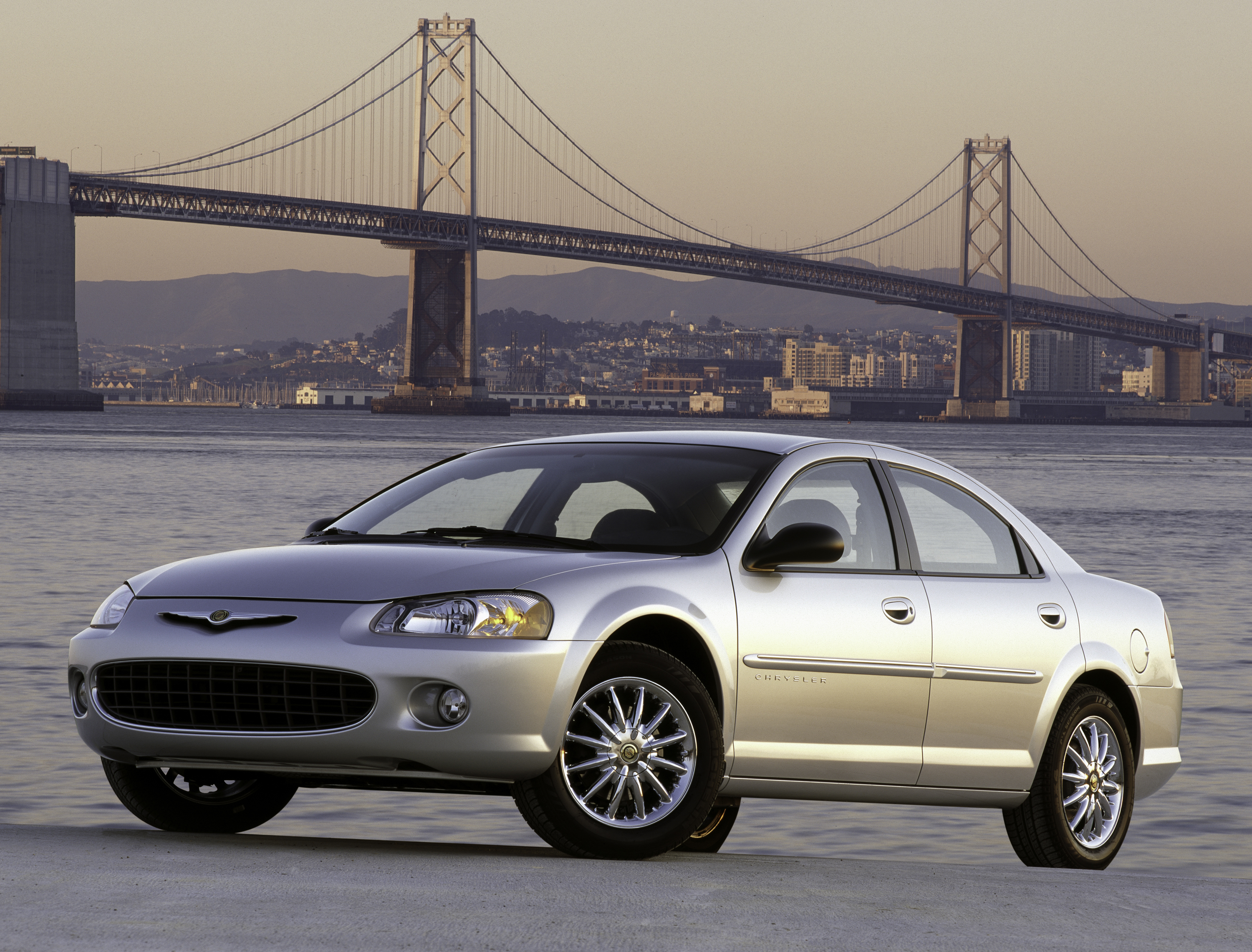
ST-22/JR
(2001 - 2003)
2.7 V6 24V
203 cv
Technical specifications, versions, and history for the Chrysler Sebring.
Select a generation to see available versions
(2001 - 2003)
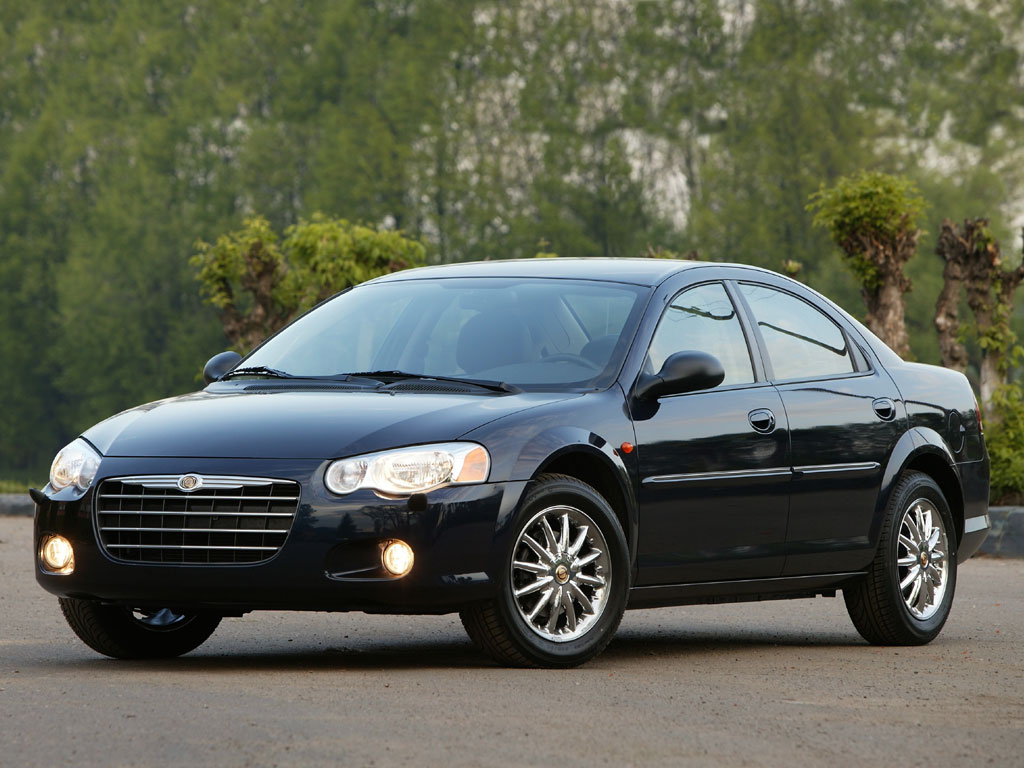
(2003 - 2006)
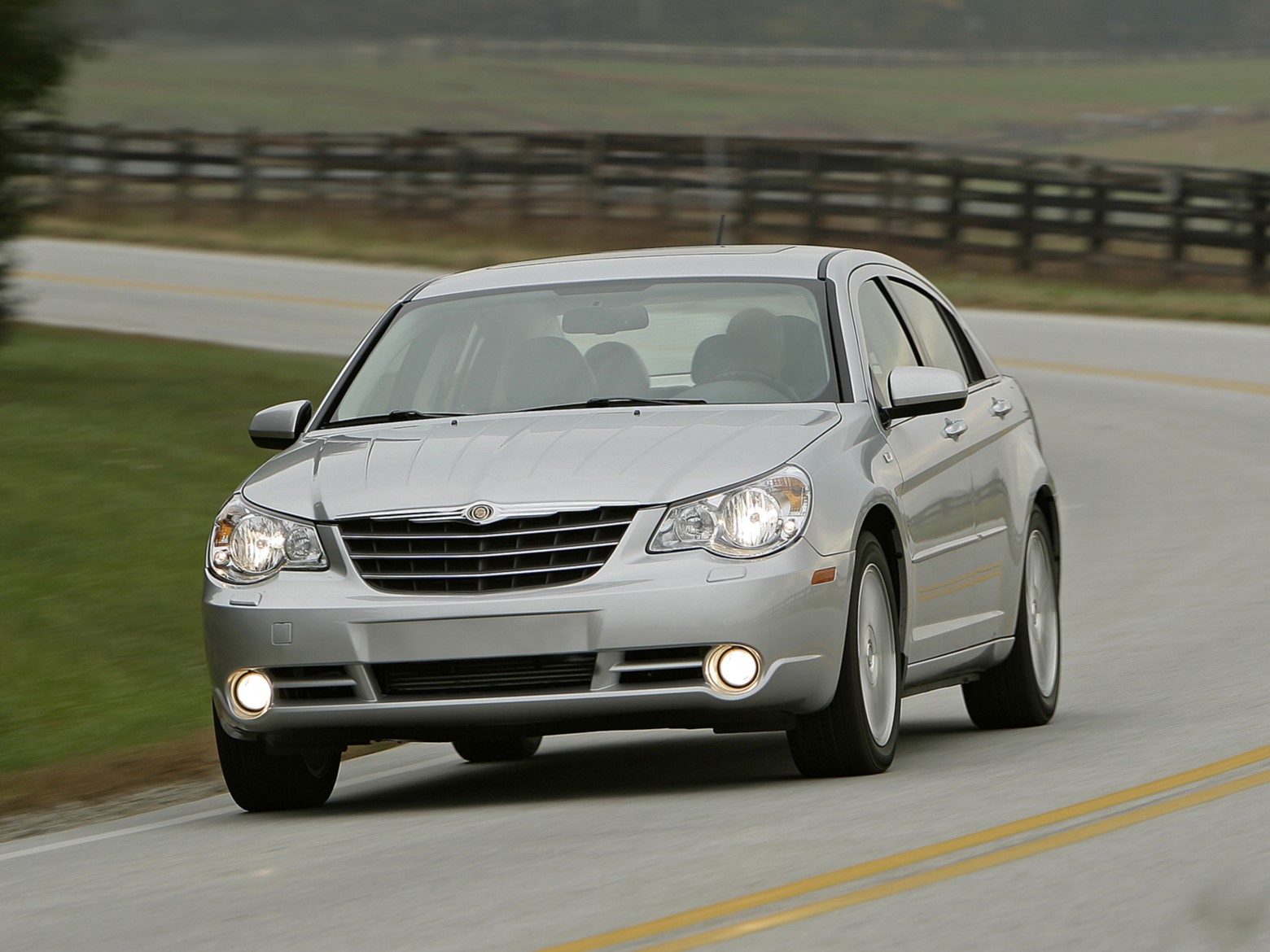
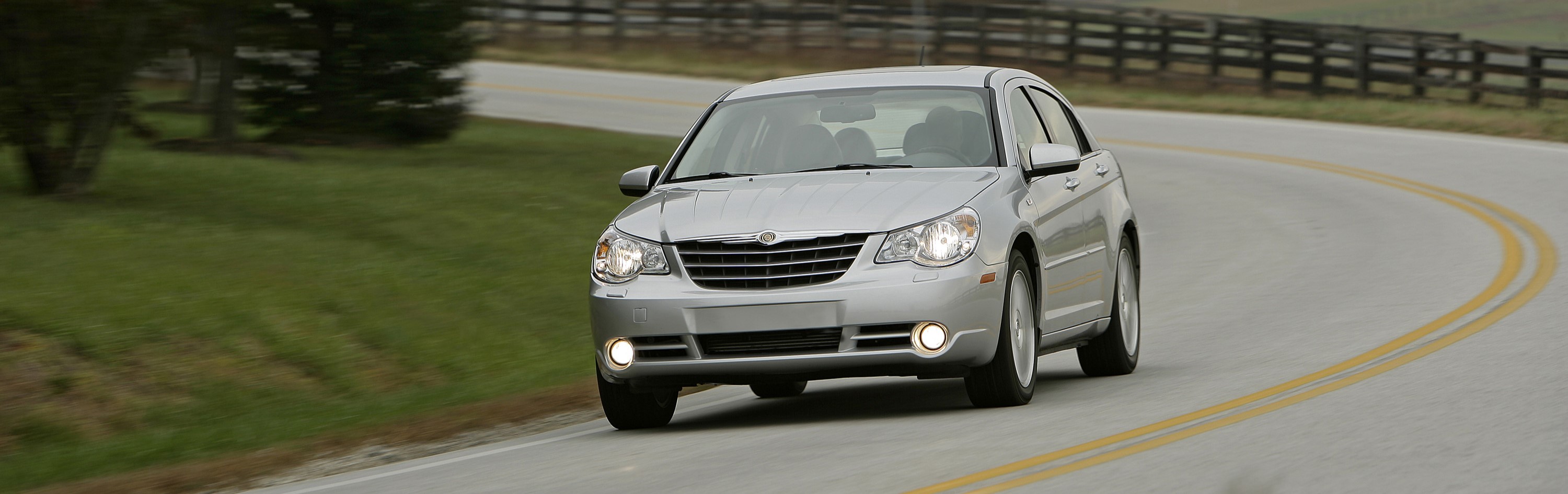
(2007 - 2010)
Select a powertrain to view full technical specifications
The Chrysler Sebring represents one of the most complex and representative chapters of North American automotive engineering and commercial strategy at the turn of the millennium. Named after the famous endurance racing track in Florida (12 Hours of Sebring) – a designation that Chrysler's Plymouth division had already used in the 1970s for a trim level of the Satellite model –, the modern Sebring was designed to offer a balanced combination of comfort, sportiness, and affordability. Produced between the 1995 and 2010 model years, the vehicle transitioned through three distinct generations and took on the body styles of a two-door coupe, convertible, and four-door sedan.
This report exhaustively details the trajectory of the Chrysler Sebring, covering the development of its platforms, the evolution of its powertrains and equipment packages, the critical design flaws that impacted its reliability, the official incursions into international markets (such as Brazil), and foreign licensing projects (such as the Russian case). Finally, the document compiles precise statistics on sales, production, and depreciation throughout its life cycle.
The introduction of the first generation of the Chrysler Sebring occurred in 1995, at a time when the automaker needed to replace the aging Chrysler LeBaron in its coupe and convertible configurations. The engineering strategy adopted by Chrysler for this generation was highly unusual and fragmented. Instead of using a unified architecture, the company chose to base the coupe and convertible on completely different automotive platforms. This resulted in two vehicles that shared the same name and certain aesthetic design traits, but were fundamentally distinct cars, with no shared body panels.
The coupe was the first to be launched on the market, the fruit of the corporate partnership established between Chrysler and the Japanese manufacturer Mitsubishi, operating under the joint venture known as Diamond-Star Motors (DSM). This model was built on a variant of the Mitsubishi Galant and the Mitsubishi Eclipse sports car platform. Manufacturing took place at Mitsubishi's facilities located in Normal, Illinois, United States.
The Japanese architecture gave the coupe a more aggressive and sporty stance. In dimensional terms, the coupe's wheelbase varied throughout its initial production: models manufactured between 1995 and 1998 had a wheelbase of 1,295 mm (51.0 inches), while models produced from 1998 to 2000 were slightly lengthened to 1,346 mm (53.0 inches). The specific version equipped with a V6 engine between 1997 and 1998 featured a wheelbase of 1,306 mm (51.4 inches).
Introduced a year after the coupe, the Sebring convertible did not use Mitsubishi engineering. Instead, Chrysler engineers developed it on the Chrysler JA platform, a proprietary architecture that also served as the basis for the Chrysler Cirrus sedan. The decision to use the sedan platform for the convertible was motivated by the need for greater torsional rigidity (to compensate for the absence of a hardtop) and the intention to maximize cabin space.
The convertible immediately stood out in the mid-size car segment for a notable feature: the ability to comfortably accommodate two adults in the back seat, offering a level of roominess rare among competing convertibles of the time. Specialized publications positively highlighted interior design innovations, such as the integration of seat belts directly into the structure of the front seats, which greatly facilitated passenger access to the rear of the vehicle. The exterior design of both body styles followed Chrysler's "cab-forward" visual language, characterized by a windshield extended over the engine compartment and wheels pushed to the corners of the chassis, creating a fluid and aerodynamic silhouette.
During the first generation, the Sebring was offered with three main powertrain options, dictated by the choice of body style and trim level (the main versions being named JX and JXi for the convertible, and LX and LXi for the coupe):
Although the engineering and design of the first generation were initially well received, the model achieved its highest volume not in traditional retail, but in commercial fleet sales. The Sebring became the standard vehicle in rental car fleets, especially in coastal tourist cities. While this guaranteed a high initial volume of production output, the saturation of the used vehicle market with ex-rental models would severely depreciate the image and resale value of the Sebring in the following decades.
Officially presented by the newly formed DaimlerChrysler at the New York Auto Show in 2000, the second generation of the Sebring (starting in the 2001 model year) represented a profound reformulation of the brand's strategy for the mid-size segment. The most impactful change was the discontinuation of the "Cirrus" name, allowing the four-door sedan to be integrated into the Sebring family. With this, the Sebring was simultaneously offered as a sedan, coupe, and convertible, consolidating Chrysler's identity in the segment under a single nameplate. In the Mexican market, the sedan continued to be sold under the Chrysler Cirrus name.
The second generation sought a partial unification of its architectures. The new sedan and the convertible were developed on the Chrysler JR platform, which was a direct evolution of the JA platform used in the previous generation. This structural change meant that, unlike the first generation, the sedan and the convertible finally shared mechanical components, frontal design traits, and body panels. The assembly of these two models was centralized at the Sterling Heights, Michigan plant.
The coupe, however, remained tied to its Japanese origins. It continued to be assembled at the Normal, Illinois plant, and used the Mitsubishi Eclipse ST-22 platform, maintaining its structural separation from the sedan and convertible. The coupe received a minor facelift for the 2003 model year, but falling sales of two-door vehicles led to its definitive discontinuation after the 2005 model year.
Table 1 details the exact dimensional evolution of the three body styles during the second generation, highlighting the generous proportions adopted by the automaker to ensure comfort in the cabin.
| Dimension | Sedan (JR) | Convertible (JR) | Coupe (ST-22) |
|---|---|---|---|
| Wheelbase | 2,743 mm (108.0 in) | 2,692 mm (106.0 in) | 2,634 mm (103.7 in) |
| Total Length | 4,844 mm (190.7 in) | 4,920 mm (193.7 in) | 4,831 mm (2001-02) / 4,874 mm (2003-05) |
| Width | 1,826 mm (2001-03) / 1,793 mm (2004-06) | 1,763 mm (69.4 in) | 1,786 mm (2001-02) / 1,775 mm (2003-05) |
| Height | 1,394 mm (54.9 in) | 1,397 mm (55.0 in) | 1,364 mm (2001-02) / 1,369 mm (2003-05) |
Data source:
In addition to resizing, engineering strictly focused on improving Noise, Vibration, and Harshness (NVH) levels. Models based on the JR platform received a comprehensive acoustic package that included improved body sealing, dual glass sealing systems (lip and bulb) on the doors, and the installation of advanced resonators in the engine's intake and exhaust systems. The front suspension employed a Short and Long Arm (SLA) architecture, while the rear suspension used an independent multi-link system, providing an exceptionally smooth ride, stable on highways, and capable of absorbing urban irregularities with high civility. Trunk capacity was 16 cubic feet (about 453 liters) in the sedan (which had a 60/40 split rear seat) and 11.3 cubic feet in the convertible.
The lineup of powertrains was completely restructured, offering varying levels of efficiency and performance. The technical specifications of the second generation's engines included:
Chrysler reconfigured trim nomenclatures during the life cycle of the second generation. The classic LX and LXi versions were phased out and gave way to a more complex lineup: Base, Touring, Limited, GTC, and TSi. In the year 2006 (the last year of the generation), the equipment strategy was configured as follows:
Active and passive safety in all configurations included child seat anchors, front belts with pretensioners, an alarm system with engine immobilizer, internal emergency trunk release, and lights with a delay-off function. NHTSA tests yielded solid ratings in frontal impacts (5 stars), although lateral safety received median ratings (3 stars) in versions without the optional side curtain airbags.
Any in-depth technical analysis of the second-generation Chrysler Sebring requires a mandatory detailing of the most documented and litigated engineering flaw in its corporate history: the susceptibility of the 2.7-liter EER V6 engine to catastrophic oil sludge formation.
The origin of the problem resided in the architectural design of the engine block. To ensure that the six-cylinder powertrain was compact enough to be mounted transversely on the front-wheel-drive JR platform, Chrysler engineers located the water pump entirely inside the engine block, housing it within the "V" between the cylinder banks, behind the front timing cover. Consequently, the water pump was not driven by an external accessory belt, but rather by the primary timing chain itself.
The design error manifested through the premature failure of the water pump gasket, resulting from normal thermal operating stress. Under these conditions, the coolant should theoretically leak through a weep hole designed to direct fluids externally and alert the driver. However, the system frequently failed, allowing the coolant to leak directly into the engine's crankcase, mixing imperceptibly with the lubricating oil.
When coolant and conventional motor oil mix under high operating temperatures, they emulsify and oxidize violently. The result is the formation of a black, dense, and thick sludge — the oil sludge — which loses all its lubricating and heat dissipation capabilities. This sludge quickly clogged the narrow oil galleries of the block. The catastrophic failure sequence was lethal and predictable:
The failure resulted in bent valves and structural destruction of the engine, requiring complete replacements that often exceeded the vehicle's market value. Secondary problems observed included severe emission of blue smoke from the exhaust (indicating sharp wear of valve stem seals, piston rings, or burnt valve guides due to excess heat and friction) and oil pressure warning lights flashing intermittently at idle.
Chrysler's handling of this crisis resulted in massive negative publicity. Sebring, Intrepid, and Concorde owners reported that the automaker frequently denied repair coverage claiming maintenance negligence (lack of regular oil changes), triggering federal civil liability lawsuits and class actions, which were later consolidated in the District of New Jersey in 2009. Automotive technicians and enthusiasts determined that mitigating the failure required proactive replacement of the water pump and tensioner at strict intervals, a drastic reduction of oil change windows (never exceeding 3,000 to 4,000 miles), and the strict use of 100% synthetic oils to delay thermal oxidation.
According to owner forums and unofficial industry data, Chrysler progressively corrected the 2.7L engine problem by modifying the ventilation systems, sealing, and weep hole flow between the years 2005 and 2006 (making units from the end of the second generation cycle significantly safer), but by that point, the damage to the image of the Sebring nameplate was already irreversible.
Adding complexity to the maintenance history of the second generation, the Sebring was subject to recall notices originating not only from the automaker but from aftermarket equipment manufacturers. In 2009, the NHTSA issued documented recalls detailing that ball joints sold by Qualis Automotive for the 2005 models could suffer separation from the spherical housing, causing the wheel to collapse and a total loss of steering control of the vehicle. Similarly, substantial batches of aftermarket headlights produced by Sabersport were recalled (Recall 83147) for lacking the amber side reflectors mandated by US federal regulations, decreasing night visibility and increasing the risk of side collisions. Such details underscore the reliance on the aftermarket to sustain the massive fleet of Sebrings running in the 2000s.
The relevance of the second-generation Chrysler Sebring extended to South America. The official entry of the model into Brazil occurred in a context of severe local industrial contraction for Chrysler. In 2001, the automaker had made the tough decision to close its factory in Campo Largo, Paraná — where it produced the Dodge Dakota pickup truck — and had drastically reduced its dealership network from 26 to just 8 strategic points of sale in the national territory. The corporate strategy for survival and brand repositioning relied exclusively on the import of high-value-added vehicles. The imported portfolio was then summarized to the Jeep Cherokee Sport and Grand Cherokee Laredo SUVs, the Grand Caravan minivan, and the unprecedented Chrysler Sebring sedan, which had been introduced to consumers at the São Paulo Motor Show in 2000.
The Sebring arrived in Brazil after a year of homologation and import procedures, with the mission of simultaneously replacing the obsolete Stratus and covering the gap left immediately below the premium 300M executive sedan. The version chosen for the Brazilian market did not skimp on equipment: the automaker strictly imported the sedan in the LX luxury configuration, powered by the previously discussed 2.7-liter, 24-valve EER V6 engine.
The engine calibration for national gasoline resulted in robust technical specifications: 204 horsepower at 5,900 rpm and a torque of 25.8 kgfm at 4,300 rpm, operating at a compression ratio of 9.7:1 (suitable for common Brazilian gasoline without the risk of premature detonation). According to Chrysler, this setup represented a real efficiency increase of about 10% over the 2.5-liter V6 that equipped the old Stratus. The offered transmission was the four-speed automatic with AutoStick function with overdrive.
Positioned in the competitive segment of imported luxury sedans, the launch price in 2002 was set at a significant R$ 107,442. To justify the high price tag — which placed it as a direct alternative to entry-level sedans from premium German brands and top-of-the-line Japanese models —, the Brazilian Sebring featured a standard equipment package encompassing ABS brakes, multiple dual-stage low-impact airbags, side curtain airbags for the front and rear seats, genuine leather seats and steering wheel, advanced trip computer, headlights with optimized reflectors projecting a light beam 25% more powerful than the Stratus, 16-inch alloy wheels, and a notable sound system that included a four-CD changer docked directly in the dashboard (a technological rarity at the time). Another curiosity reported by the Brazilian press was the presence of a glow-in-the-dark (fluorescent) internal trunk release handle, a newly introduced federal safety device in the United States to prevent deaths of children trapped in cargo compartments.
Even today, although the brand's dealerships have been extinguished in the country, remaining units of the Sebring can be found negotiated on used vehicle platforms in Brazil, with a fluctuating price table dictated by the state of conservation, indicating a strict survival among niches of collectors or enthusiasts of North American executive models from the 2000s.
Seeking to reverse the stagnation of the name, Chrysler introduced the third and final generation of the Sebring for the 2007 model year. The sedan pioneered the launch, while the convertible version was completely redesigned and introduced a year later, in 2008. The coupe body style, extinguished in 2005, did not return to the product range.
The engineering base underwent another profound twist. The automaker abandoned the veteran JR platform and adopted the JS platform. Assembly of the vehicle heavily concentrated in North America, taking place at the Sterling Heights, Michigan plant, where the company proudly reported that over 82% of the parts used in the assembly of the Sebring originated from North American suppliers, underlining a predominantly domestic character for the vehicle.
The exterior styling of the third generation, however, became the most polarizing and intensely criticized element by automotive industry experts. In an attempt to unify the brand's visual language, designers merged disparate aesthetic characteristics from other vehicles in the fleet. The front end, and particularly the wide parallel strakes running along the entire length of the hood, were directly inspired by the styling of the Chrysler Crossfire sports coupe. Simultaneously, the curved roofline and the sharp abrupt cut at the rear were borrowed from the Chrysler Airflite concept car. The combination produced proportions that were considered truncated and disjointed, failing to convey the fluidity and elegance of its Asian and European competitors. Dissatisfaction with the excess of creases on the hood resulted in a premature design intervention: for the 2010 model year, the hood was smoothed and restructured, removing the characteristic longitudinal creases in an attempt to create a more conservative and palatable front end for the corporate consumer.
The vehicle's interior focused on infotainment innovation, led by the optional availability (starting in 2008) of the MyGIG Multimedia Infotainment System, an advanced unit for the time that supported native hard drive music storage, video playback, Bluetooth connectivity for hands-free, satellite navigation, voice command activation, and a built-in receiver for the Sirius Satellite Radio network.
The convertible model introduced in 2008 offered an important technological differentiator over the previous generation and its market competitors. In addition to the standard offering of an electrically operated fabric roof, Chrysler designed the vehicle to support a retractable hardtop. While this introduced substantial advantages in acoustic insulation and structural safety of the cabin in the event of accidents or vandalism, the weight of the complex mechanism impacted dynamic performance, and the need to accommodate the metal panels reduced the rear trunk storage volume (13.6 cubic feet in the sedan to a limited 11.2 cubic feet in the convertible with the roof stowed).
The safe structuring allowed respectable evaluations in contemporary crash metrics: the Insurance Institute for Highway Safety (IIHS) assessment granted the 2010 model year the "G" (Good) rating in frontal and side impact tests, and roof strength test, securing the vehicle the desirable Top Safety Pick distinction at the time of its market departure.
The engine options and powertrain arrangements for the JS cycle were the most varied in the model's history, introducing advanced transmissions and an AWD variant:
Traction and European Market: Exclusively in 2008, the all-wheel-drive (AWD) configuration was offered for sedans equipped with the 3.5-liter V6 block. Starting in 2009, a new braking package incorporated four-wheel disc brakes on all vehicle options, abandoning the archaic rear drums present on earlier base models. Chrysler also sought to internationalize the third generation, adapting the platform for export by creating right-hand drive models coupled with a 2.0L Pumpe Düse (PDTDI) turbodiesel engine supplied through an OEM arrangement with Germany's Volkswagen.
Perhaps the most fascinating and unlikely destination of the automotive technologies developed for the Chrysler Sebring took place in a post-Soviet factory. In the mid-2000s, the Gorky Automobile Plant (GAZ), based in Nizhny Novgorod, Russia, faced the imminent obsolescence of its famous line of Volga sedans. The current production model, the GAZ-31105, still relied extensively on architectural components introduced in the 1970s with the GAZ-24 series, limiting its consumer base to state fleets and nostalgic buyers.
Devoid of the necessary capital to finance original chassis research and development, GAZ management chose to import pre-existing engineering and signed, in 2006, a historic global licensing contract with DaimlerChrysler. The agreement involved the monumental scale purchase of the intellectual property rights to the recently deactivated Chrysler JR platform (second-generation Sebring) and the actual industrial assembly plant tooling from Sterling Heights, which were dismantled, packaged, and shipped to Russia. GAZ assembly line workers completed months of intensive training at Magna Steyr facilities in Austria and at Chrysler headquarters in the US to learn how to operate the complex welding and stamping machinery.
GAZ management's initial project did not intend to use the Volga name for the automobile, aiming for a drastic image break. However, a vast public opinion campaign demanded that the brand's heritage be perpetuated. The result was introduced in August 2007: the Volga Siber.
Mechanically and structurally, the Volga Siber was essentially a transposed Chrysler Sebring JR41. To adapt the sedan, originally conceived for North American highways, to the degraded and punishing rural roads of the Russian interior, the suspension engineering underwent heavy recalibrations: springs and shock absorbers with significantly stiffer spring rates were applied, and the ground clearance was substantially raised. The external aesthetics, modified by a prominent English design studio called UltraMotive, abandoned Chrysler's characteristic ovoid grille and imposed rustic front lines and redesigned headlights to convey a perception of Russian solidity and rigidity. Powertrain arrangements were based directly on the original engines purchased from Chrysler, starting with the 2.0-liter block option focused on delivering about 141 hp, retailing for approximately eighteen thousand US dollars ($18,000), with plans to also adopt the 2.4L and 2.7L V6 blocks in future, more refined executive variants.
Serial production of the Volga Siber was officially inaugurated in July 2008. Original industrial sales planning stipulated colossal projections of up to forty thousand vehicles produced annually. However, the introduction date fatefully collided with the structural collapse caused by the Great Global Financial Crisis of 2008. With inflated credit rates and the sudden freeze of capital circulation that devastated the local economy, combined with profound rejection by the consumer class — who considered it absurd to pay 18 thousand dollars for an imported licensed platform whose underlying design dated back to the roots of the 90s Cirrus —, deliveries sank instantly.
In 2009, the factory facilities managed to build a tiny contingent of 2,500 Siber vehicles. This low market demand financially suffocated the production program and forced the abrupt and embarrassing termination of the Volga Siber by November 2010. In just over two full years of life cycle (2008 to 2010), an exact and meager 9,000 Siber units were completed. The resounding failure represented the end of the Russian dream of continuous native production of the Volga name: after the commercial failure, the manufacturing wings and automated body shops in Nizhny Novgorod were leased by Volkswagen Group Rus, which reconverted the welding gantries to start elaborating popular German vehicles based on global projects (Skoda Yeti, Octavia, and Volkswagen Jetta). Years later, in 2024, after the embargos of the Ukraine War drove Western automakers away, the Volga designation would attempt to emerge on new sedan products (Volga C40 series), but this time licensed under the foundation of the Chinese giant Changan.
Retrospective sales data attest to the cycle of the "Sebring" nameplate operating not only in retail but heavily based on invoicing directed at commercial wholesale. In the transition to the new century, during the accounting peaks of the DaimlerChrysler group, the Chrysler Sebring featured in exuberant demand levels due to the commercial synergy of the newly introduced simultaneous multi-body offering on American domestic soil.
As evidenced by Table 2, the original models proved to have strong initial traction and penetration. The 2001 commercial year marked the indisputable zenith of shipments made, a moment anchored by the newly launched sedan model generating 56 thousand immediate allocations, in addition to the traditional solidity in the convertible lines, surpassing 45 thousand deliveries.
Table 2: Chrysler Sebring Sales by Body Type and Year (US)
| Period (Year) | Sedan | Coupe | Convertible | Total Vehicle Sales |
|---|---|---|---|---|
| 1999 | 33,778* | - | 7,338 | > 41,116 |
| 2000 | 10,632 | 12,870 | 39,114 | 62,616 |
| 2001 | 56,616 | 16,601 | 45,242 | 118,459 |
| 2002 | 56,606 | 11,784 | 43,977 | 112,367 |
*Statistical Note: The volume credited to "Sedan" in 1999 encompasses the billed and registered vehicles incorporating fleets of the preceding transitional architecture.
However, sales throughout the subsequent calendars reflected a severe systemic deterioration in technical confidence (consequences of the oil sludge litigation in 2.7 EER models), which paved the way for a continuous free fall after the turn of the JS generation. The launch of the 2007 JS project (with the problematic panels based on the Crossfire) did not revitalize the interest of the casual consumer, who avoided American showrooms after the financial aggravation originating in the bank real estate catastrophe of the late 2008s.
Table 3: Global Volume of Final Sales in Generational Transition and Extinction
| Fiscal Year | Reported Commercial Transactions (US) | Market and Quarterly Observations |
|---|---|---|
| 2007 | 93,130 | Commercial adoption of the new Sedan project under heavy promotional incentives and wholesale fleets. |
| 2008 | 71,663 | Introduction of the optional hardtop convertible configuration and collapse in organic acceptance. |
| 2009 | 23,023 to 27,460 | Record lows. The share in the first quarter (Q1) totaled a mere 5,636 units. Restructuring and official protected bankruptcy of the Chrysler Group. |
| 2010 | 38,330 to 38,585 | Final official model year of the badge. Seasonal record quarter occurred in Q3 registering sales of 12,241 vehicles sold. |
| 2011 | 2,380 to 2,426 | Final compulsory liquidation of stranded stock after the complete shutdown of the manufacturing assembly belts. The official Q1-2011 record was 2,373 vehicles. |
Metric divergences observed on the year thresholds (e.g., sources report both 23,023 and 27,460 formally calculated units during 2009) stem from the distinct methodologies adopted by compilers when calculating Calendar Year (Jan-Dec) versus the corresponding Model Year exercise.
In addition to the American limits, the fleets sent to territories with high purchasing power did not achieve the goals outlined by the planning. In the demanding consumer arena of continental Europe, despite the massive deployment of the project for the logistical integration of VW 2.0 PDTDI turbodiesels (to face high taxes in continental fleets) and volumetric arrangements in right-hand driving developed by the corporate branches in Ireland and the United Kingdom, the concessions generated virtually non-competitive numbers, consolidating meager sales not exceeding 30,148 commercial contracts combined over an extended geographical space during more than 10 full years.
The depreciation of the Chrysler Sebring operated uncontrollably on the Kelley Blue Book and Autotrader appraisal portals. Currently, the available data tracks a paradoxical durability linked to the surviving residuals of the badge: although devalued (reaching marginal commercial quotes that usually fluctuate from a base of $1,668, stagnating at the limit of $8,500 in rare conservation), 88.4% of active fleets announced in contemporary electronic catalogs show more than 50,000 actual miles on the odometer. Approximately 46.3% of these report being functional surpassing expressive marks of 100 thousand chronological miles. In an extreme data point of automotive engineering, 2.0% of the offered Sebrings prove to be resilient to the limit, exceeding frightening counts of 200,000 accumulated miles (calculating the average route of these strains at more than 13,553 miles driven annually on the roads), attesting to the peripheral robustness contrasted with the reported infamies of engine failures in the original catalogs. Market quotes for singular collectible examples in the first version reached substantial non-linear sums, such as, for example, a perfectly finished vehicle from the 1996 batch transacted publicly for the unusually huge amount of 38 thousand dollars in nostalgic auctions and restricted evaluations kept active online in the recent period.
The accumulation of durability failures, divisive aesthetic decisions, innovative stagnation, and depreciated perception (fueled mostly by massified sales at low bidding costs to groups of fleet rental companies, diluting any original executive premise that the product aimed to embody since the times of the Teutonic transnational merger) formed an irreversible corporate barrier to the progress of the trademark. The administration and internal consultancies, acting decisively, dictated the formal end of the historic Sebring during the course of the 2010 production cycle.
Chrysler's response to the declining metrics was, in essence, a masterful exercise in public relations combined with profound incremental technical improvements in dynamic isolations. Such efforts gave birth, during the course of the 2011 fiscal production cycle and logistical planning, to the complete strategic readaptation of the original model disguised as a brand-new inaugural model: The sedan and convertible of the "Chrysler 200" lineage.
Technically and structurally inseparable from the forming matrix and managerial base of the final Sebring — strictly preserving the primary diagrams of the static JS project, the base core of the architectural envelope, and the identical rigid steel volumetric boundaries —, this heir of a re-engineered platform underwent comprehensive reformulations only under and over the contours of the primary sheet metal. The manufacturer ostensibly renewed the architecture of the protective grilles, stylized rear moldings with rethought reflectors closely resembling fluidity, suspensions calibrated for sporty damping, and an ostentatious luxurious repagination of acoustic interiors as opposed to the primary plastic finish condemned in the previous JS version. The primary V6 powertrain gradually gave way to the revered Pentastar V6 system.
Changing the original Sebring lettering skillfully allowed the new mid-size sedan to immediately reject all the harsh criticism woven into it for an entire decade by independent evaluation associations (ostensibly moving it away from the banal profile of a cheap tourist fleet rental vehicle) to gain momentum in the solid majestic perception of rooted sophistication firmly built by its corporate high-caliber sibling, the famous Chrysler 300 premium sedan, thus configuring the renamed "200" in the eyes of the unwary general civilian market as the organic natural successor and prestigious youngest son of the forming company's luxurious flagship.
Images of the Chrysler Sebring