
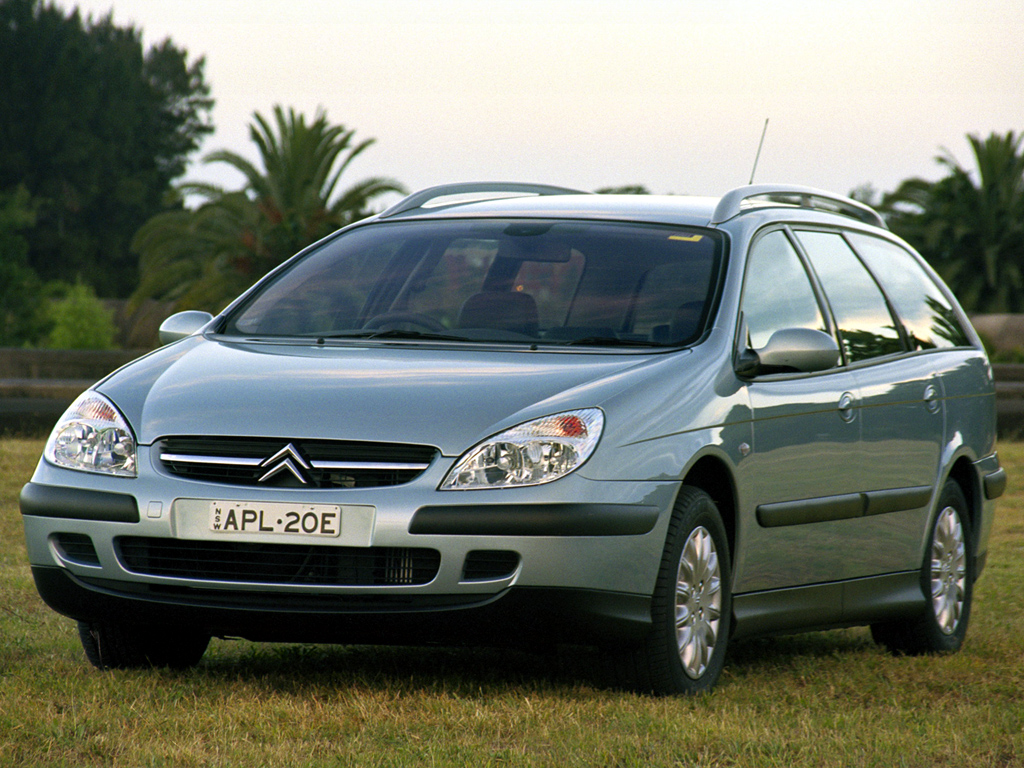
1st Generation
(2001 - 2004)
3.0 V6 24V
207 cv
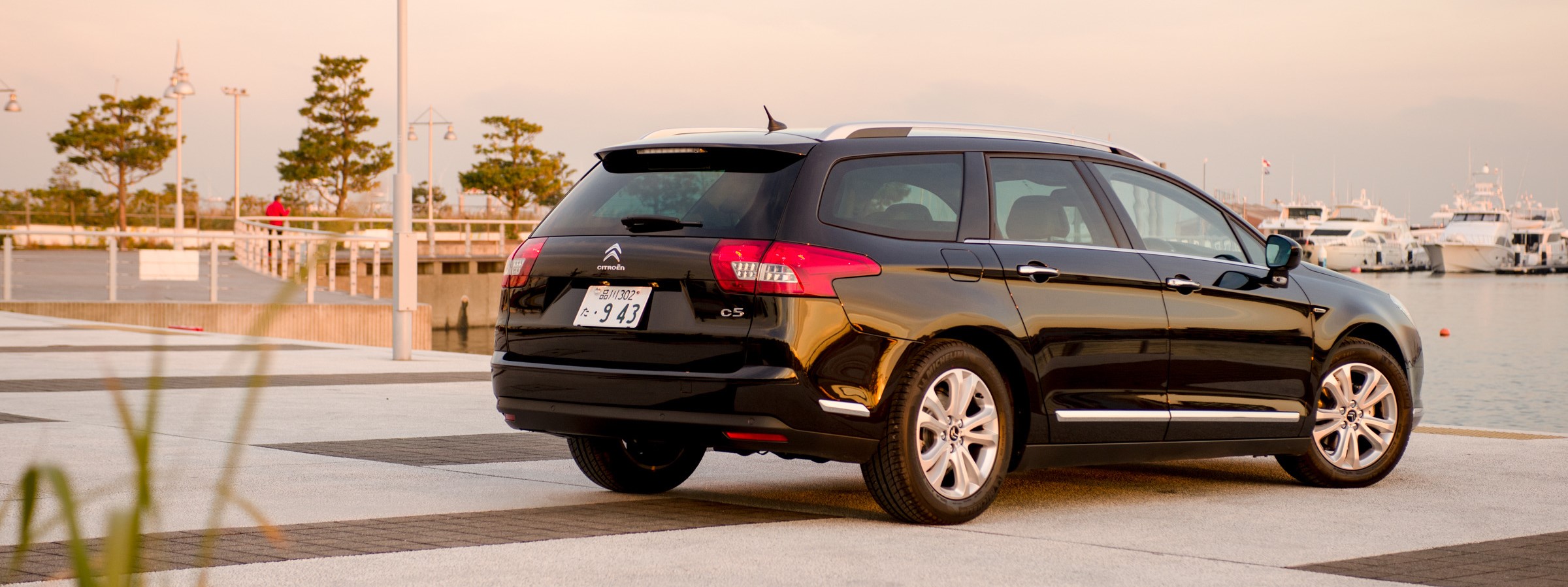
Technical specifications, versions, and history for the Citroen C5 Wagon.
Select a generation to see available versions
(2001 - 2004)
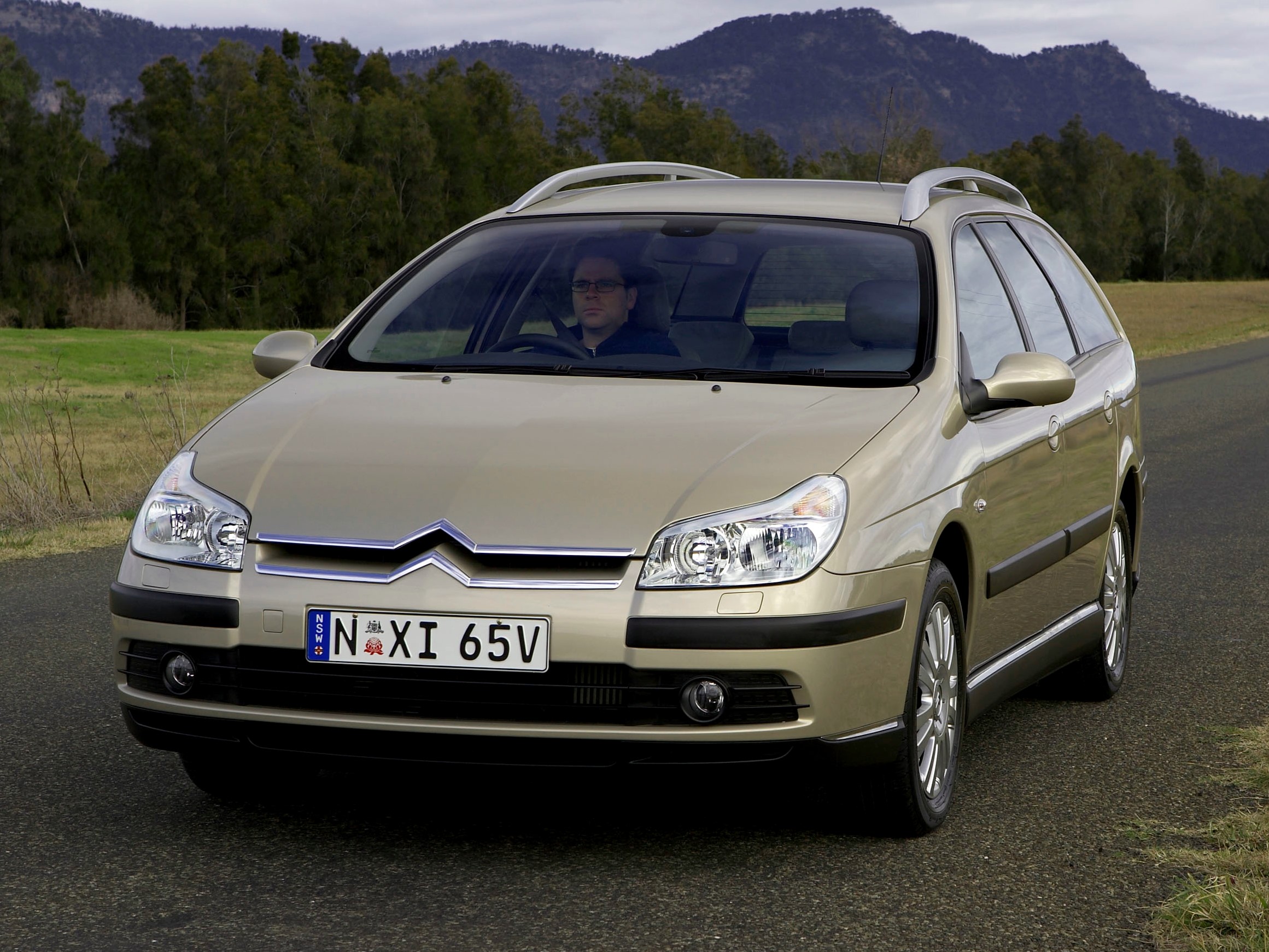
(2004 - 2008)
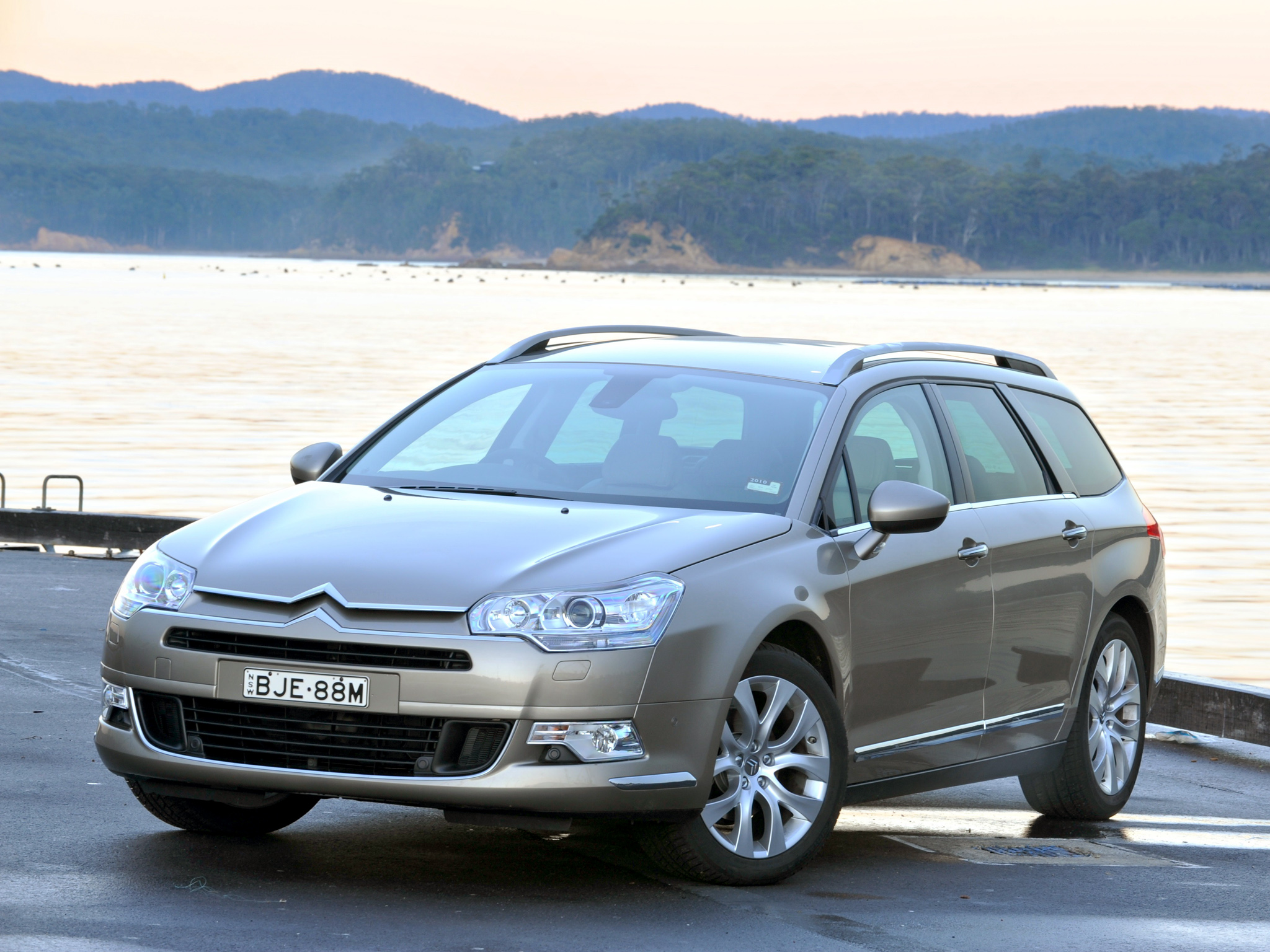
(2008 - 2012)
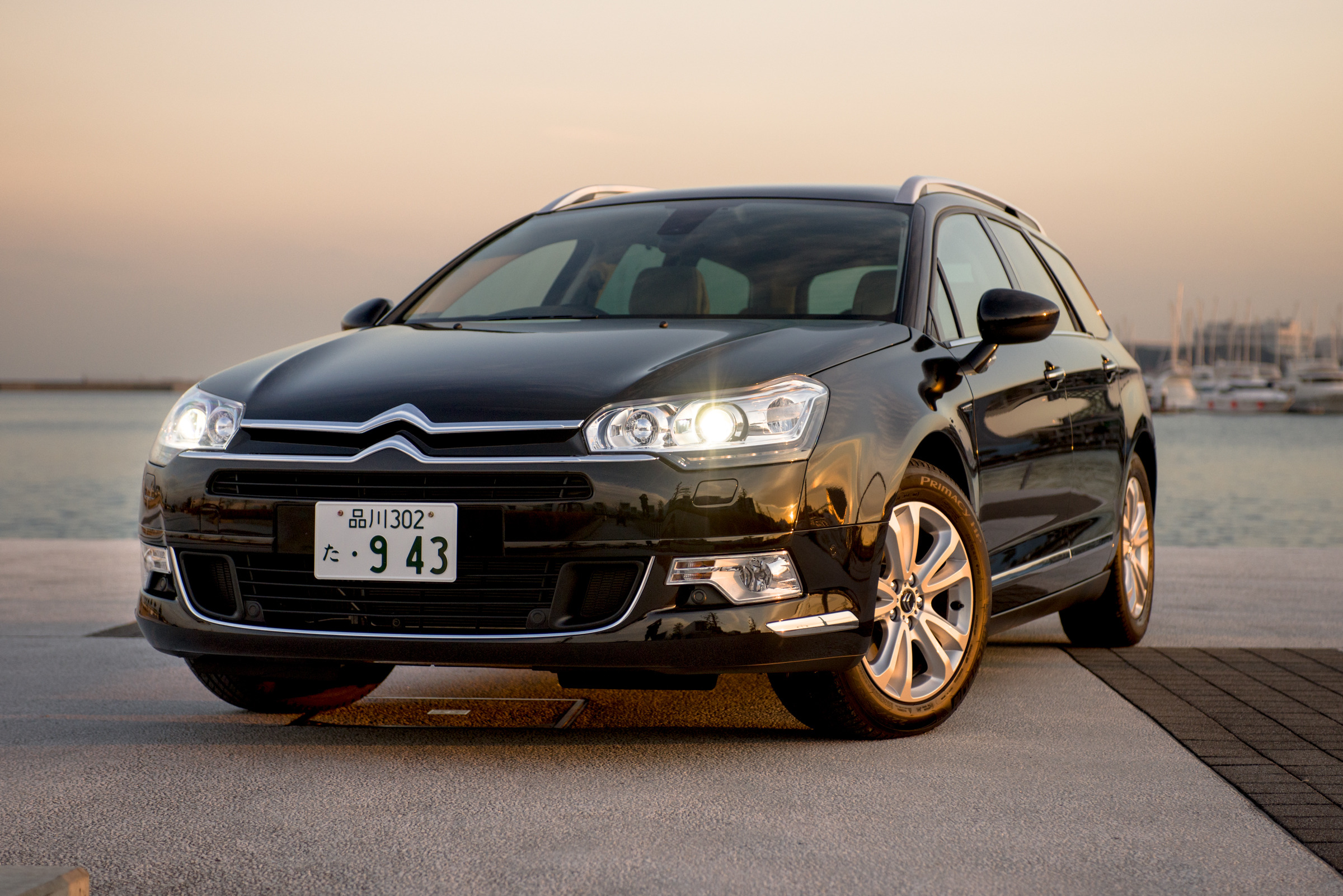
(2012 - 2017)
The trajectory of the Citroën C5 Wagon, from its global launch in 2001 to the end of European production in 2017, represents one of the most innovative periods for the French automotive industry in the D segment. This report details the technical evolution, design nuances, and engineering strategies that allowed the model to simultaneously succeed two iconic vehicles: the Citroën Xantia and the Citroën XM. Through two distinct generations and multiple aesthetic and mechanical refinements, Citroën sought to redefine the concept of a large "family car", prioritizing absolute comfort through the evolution of its hydropneumatic suspension.
The Citroën C5 project was the last major endeavor developed under the presidency of Jacques Calvet, marking a transition of eras for the brand. The proposal was bold: create a vehicle that could satisfy both Xantia customers, who sought agility and practicality, and XM customers, who demanded luxury and executive segment dimensions. The station wagon variant, called "Break" in the first generation and "Tourer" in the second, was fundamental to capturing the European market, where the demand for cargo volume and versatility surpassed that of traditional sedans.
The "C5" nomenclature marked Citroën's return to using the "C" prefix followed by a number, a tradition dating back to the 1920s and 1930s, establishing a clear portfolio hierarchy. The 2001 Break model broke with Robert Opron's philosophy, adopting more fluid lines and a silhouette that maximized interior space, resulting in one of the largest trunks in its category at the time.
Commercially launched in 2001, the first generation of the C5 Wagon (model code DC/DE) was designed on the PSA PF3 platform. The initial engineering focus was passive and active safety, which allowed the model to achieve a five-star Euro NCAP rating, making it the safest vehicle in its segment on the market at the time.
The most distinctive technical feature of this generation was the Hydractive 3 suspension system. Unlike previous hydropneumatic systems, which used a mechanical pump connected to the engine and LHM fluid, Hydractive 3 introduced an independent electric pump and LDS (Orange) synthetic fluid. This change allowed the suspension to function autonomously from the engine's operation, initiating height adjustment as soon as the doors were unlocked by the remote control.
The Hydractive 3 system used electronic sensors to intelligently manage the vehicle's height. At speeds over 110 km/h on well-paved roads, the body was lowered by 15 mm at the front and 11 mm at the rear to improve aerodynamics and reduce fuel consumption. On uneven terrain and speeds below 90 km/h, the system raised the height by up to 20 mm to protect the chassis. Top versions featured Hydractive 3+, which added a central sphere per axle, allowing the computer to switch between a comfort mode (extra spheres connected) and a firm mode (extra spheres isolated) for better control during cornering and braking.
| Dimension | Measurement (mm) | Reference |
|---|---|---|
| Length | 4,755 - 4,839 | |
| Width | 1,770 | |
| Height | 1,511 | |
| Wheelbase | 2,750 | |
| Trunk Volume | 563 L (seats in position) |
The engine range for the C5 Break was extensive, reflecting the need to cater from economical urban use to high-speed executive transport.
Gasoline Engines (Phase I)
| Engine | Configuration | Power | Torque | Top Speed |
|---|---|---|---|---|
| 1.8i 16V | Inline 4 cyl. | 115 PS | 160 Nm | 193 km/h |
| 2.0i 16V | Inline 4 cyl. | 136 PS | 190 Nm | 203 km/h |
| 2.0i HPi | Direct Injection | 140 PS | 192 Nm | 209 km/h |
| 3.0i V6 | V6 24V | 207 PS | 285 Nm | 232 km/h |
Consolidated data. The 2.0 HPi engine was an early attempt at direct fuel injection by Citroën, aiming for efficiency, although it had a short life due to sensitivity to fuel quality.
HDi Diesel Engines (Phase I)
Common Rail (HDi) technology was the sales pillar in Europe, offering high torque at low revs, ideal for driving a loaded station wagon.
| Engine | Power | Torque | 0-100 km/h | Transmission |
|---|---|---|---|---|
| 2.0 HDi 90 | 90 PS | 205 Nm | 15.8 s | 5-speed Manual |
| 2.0 HDi 110 | 109 PS | 250 Nm | 13.3 s | 5-speed Manual |
| 2.2 HDi 133 | 133 PS | 314 Nm | 10.5 s | 5-speed Manual / 4-speed Auto |
Data. The 2.2 HDi engine already featured a particulate filter (DPF), an innovation by PSA to drastically reduce soot emissions.
In September 2004, Citroën applied a profound restyling to the C5 to align its visual language with the recently launched C4. In the Break variant, the changes were significant in both design and safety and comfort engineering.
The front received new "boomerang" shaped optical units, and the grille integrated the "chevrons" more prominently. The rear of the station wagon was also updated, and the total length increased to 4,840 mm, reinforcing its robustness. Internally, the instrument panel was redesigned to include soft-touch materials and new entertainment systems with improved Bluetooth connectivity.
An important technological evolution in this phase was the introduction of bi-function Xenon directional headlights, which turned in sync with the steering wheel to illuminate the inside of corners, increasing safety during night driving.
Phase II marked the introduction of more modern and efficient engines, especially on the diesel side, to meet Euro 4 standards.
| Engine | Type | Power | Torque | Notes |
|---|---|---|---|---|
| 1.8i 16V | Gasoline | 125 PS | 170 Nm | EW7 engine update |
| 2.0i 16V VVT | Gasoline | 143 PS | 200 Nm | Variable valve timing |
| 3.0i V6 VVT | Gasoline | 211 PS | 290 Nm | Power update |
| 1.6 HDi | Diesel | 109 PS | 240 Nm | Replaced the 110hp 2.0 HDi |
| 2.2 HDi Biturbo | Diesel | 170 PS | 400 Nm | High performance and torque |
Data. The 1.6 HDi engine became the best-seller, offering a combined average consumption of approximately 5.4 L/100 km, an impressive value for a car of this size.
In 2008, Citroën launched the second generation of the C5 (project X7), which represented a radical shift in positioning. The design, supervised by Domagoj Đukec, abandoned the functional and rounded look of the first generation in favor of a muscular, aggressive, and sophisticated aesthetic, clearly inspired by German luxury sedans.
The station wagon variant was renamed C5 Tourer, emphasizing a more dynamic and less utilitarian character. With a length of 4,830 mm and a width of 1,860 mm, the Tourer became one of the largest and most imposing station wagons on the European market.
To compete in the premium segment, Citroën invested heavily in acoustic insulation. The C5 Tourer was equipped with acoustic laminated side glass, triple door seals, and reinforced roof insulation, aiming to create an extremely quiet cabin environment.
For the first time, Citroën offered two suspension options for the same model:
The steering system was also innovated with the fixed-hub steering wheel, where only the rim turned, allowing the control buttons to remain static to facilitate operation and ensure optimal deployment of the driver's airbag in case of impact.
| Characteristic | Details | Reference |
|---|---|---|
| Length | 4,830 mm | |
| Width | 1,860 mm | |
| Height | 1,495 mm | |
| Wheelbase | 2,815 mm | |
| Curb weight | 1,510 to 1,766 kg | |
| Drag Coefficient | 0.31 Cd |
At launch, the C5 Tourer offered a vast selection of engines ranging from the economical 1.6 HDi to the powerful 2.7 V6 HDi biturbo.
Gasoline Engines (2008-2010)
| Engine | Displacement | Power | Torque | Transmission |
|---|---|---|---|---|
| 1.8 16V | 1749 cm³ | 125 PS | 170 Nm | 5-speed Manual |
| 2.0 16V | 1997 cm³ | 143 PS | 200 Nm | 5-speed Manual / 4-speed Auto |
| 3.0i V6 | 2946 cm³ | 211 PS | 290 Nm | 6-speed Auto (Aisin) |
Data. The 6-speed automatic transmission supplied by Aisin was a qualitative leap over PSA's old 4-speed gearbox.
HDi Diesel Engines (2008-2010)
| Engine | Displacement | Power | Torque | Notes |
|---|---|---|---|---|
| 1.6 HDi | 1560 cm³ | 109 PS | 240 Nm | Low emissions |
| 2.0 HDi | 1997 cm³ | 136-140 PS | 320 Nm | Ideal balance |
| 2.2 HDi | 2179 cm³ | 170 PS | 370 Nm | Sequential biturbo |
| 2.7 V6 HDi | 2720 cm³ | 204 PS | 440 Nm | Engine shared with Jaguar/Land Rover |
Data.
The second generation of the C5 Tourer underwent constant refinements to maintain its relevance in the face of increasingly stringent emission standards and the evolution of driver assistance systems.
In November 2010, Citroën introduced subtle but technically important changes. The headlights received LED light guides for daytime running, and the taillights gained a clear central section called "Dark Crystal".
During this period, the 2.7-liter diesel V6 engine was replaced by the new 3.0 V6 HDi with 240/241 PS, which offered more power and torque with lower CO2 emissions and reduced fuel consumption. Simultaneously, the 1.6 HDi engine was updated to the 8-valve version (Euro 5) and introduced e-HDi micro-hybrid technology with an advanced Start/Stop system, allowing the engine to be turned off before the vehicle came to a complete stop.
Starting in 2015, to meet Euro 6 standards, Citroën introduced BlueHDi engines. These engines used AdBlue injection into the exhaust system to convert nitrogen oxides (NOx) into nitrogen and water, ensuring environmental compliance without sacrificing performance.
| BlueHDi Engine | Power | Torque | CO2 Emission | 0-100 km/h |
|---|---|---|---|---|
| 2.0 BlueHDi 150 | 150 PS | 370 Nm | 110-115 g/km | 9.4 s |
| 2.0 BlueHDi 180 | 181 PS | 400 Nm | 114 g/km | 8.7 s |
Data.
As a strategy to maintain the model's attractiveness in a market migrating towards SUVs, Citroën unveiled the C5 CrossTourer at the 2014 Geneva Motor Show. This version was a station wagon with expanded capabilities for unpaved roads, although it maintained front-wheel drive (FWD).
Main modifications included:
The CrossTourer positioned itself as a French alternative to the "all-road" station wagons from German premium brands, offering a level of suspension comfort that the competitors' steel spring systems could not replicate.
Production of the Citroën C5 was concentrated at the Rennes-la-Janais plant in Brittany, France. This factory was modernized specifically to handle the complexity of the PF3 platform and the hydropneumatic suspension system.
| Generation | Production Period | Units Produced (approx.) | Notes |
|---|---|---|---|
| First Generation | 2000 – 2007 | 720,120 | Includes Sedan and Break |
| Second Generation | 2008 – 2017 | 430,000 | Production in Rennes |
| Second Generation | 2010 – 2021 | 200,000 | Production in Wuhan (China) |
Although specific data for the Wagon (Tourer/Break) body style is not always isolated by manufacturers, it is estimated that in markets like Germany and France, station wagons represented more than 60% of total C5 line sales in the second generation, reflecting the superior utility of this body style for the European consumer.
In 2016, the production pace in Rennes fell to just 66 units per day, totaling about 10,085 vehicles that year. Citroën formally ended production of the C5 Tourer in Europe in June 2017, marking the end of an era for the traditional hydropneumatic suspension, which was discontinued in favor of simpler and lighter progressive hydraulic cushion shock absorber systems.
The historical analysis of the Citroën C5 Wagon reveals an unwavering commitment to innovation in the field of ride comfort. Over 16 years of European production, the model evolved from a functional and aerodynamic design to an aesthetic of high luxury and road presence.
In conclusion, the Citroën C5 Wagon remains in automotive history as the last stronghold of classic hydropneumatic suspension in a family station wagon format. Its ability to combine the smooth ride of a luxury vehicle with the practicality needed for everyday life guaranteed it a captive place among enthusiasts and professional users who prioritized comfort on long-distance trips. The model's legacy lives on today in the C5 X, which attempts to recapture the spirit of versatility and smoothness through a hybrid silhouette between sedan and wagon.