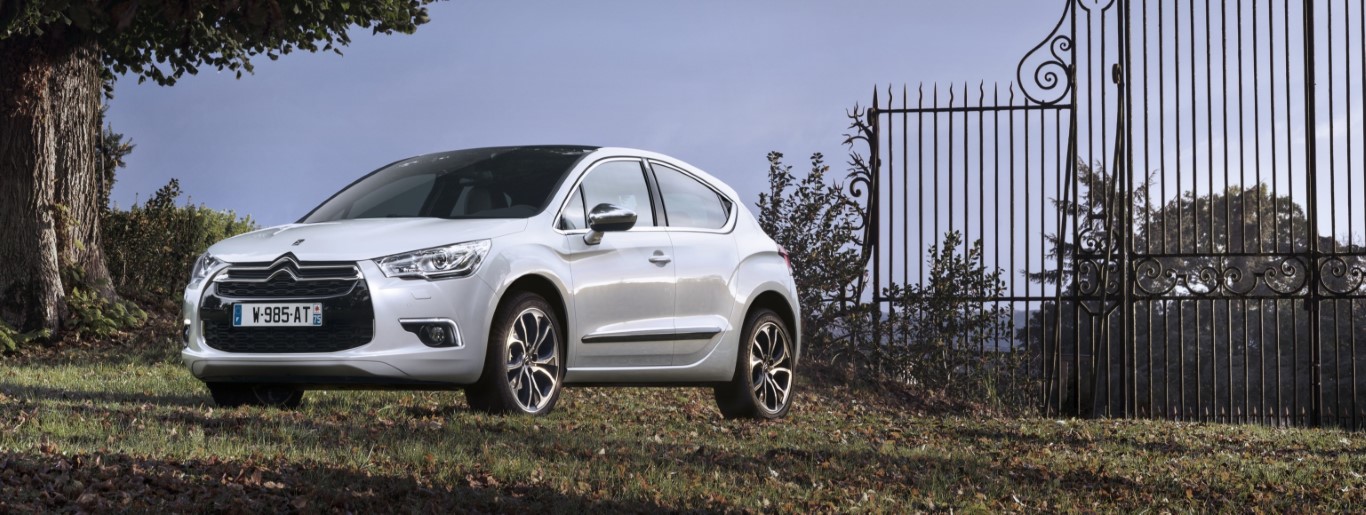
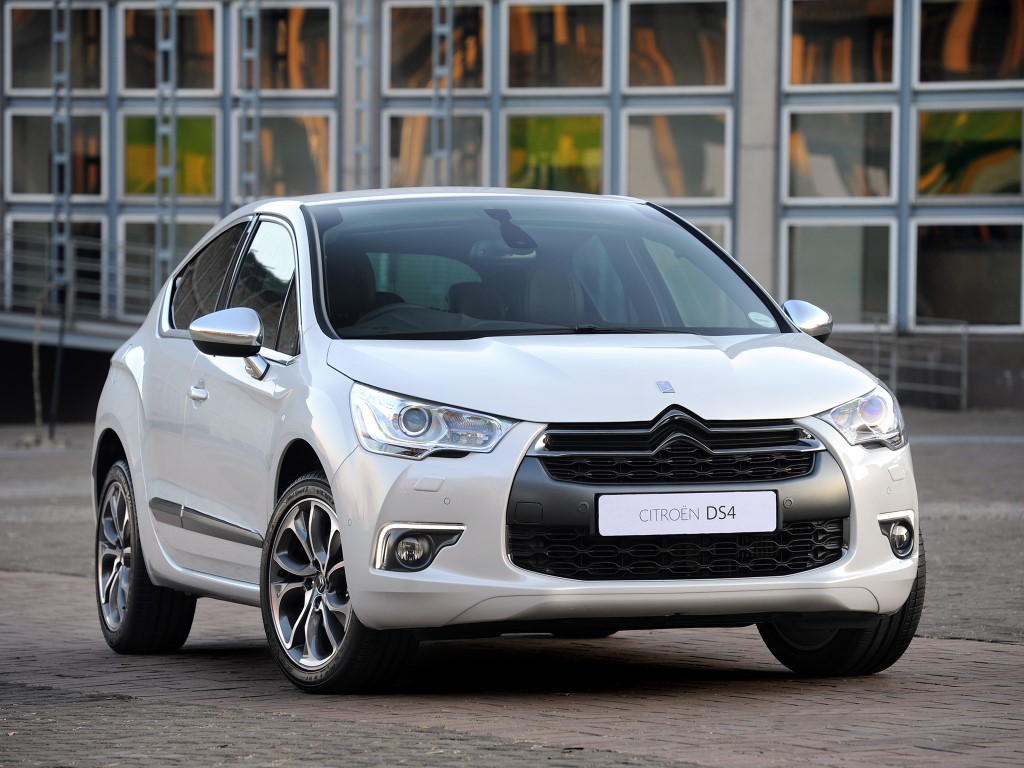
The Citroën DS4 represents one of the most significant milestones in the French automotive industry's attempt
to reconquer the luxury and distinction segment at the beginning of the second decade of the 21st century.
Positioned as the second model of the DS (Different Distinction) line, the DS4 was conceived to be more than
just a variant of the Citroën C4; it was designed as a "hybrid" vehicle in concept, blending the silhouette
of a coupe, the practicality of a hatchback, and the elevated stance of a crossover. This report
exhaustively details the phase in which the model was marketed under the Citroën brand, covering everything
from its conceptual development to the transition to the independent DS Automobiles brand in 2015.
Historical Context and the Philosophy of the DS Line
The DS lineage was reintroduced by Citroën in 2009 with the DS3, seeking to capitalize on the legacy of
innovation and style of the original 1955 DS, designed by Flaminio Bertoni and Andre Lefebvre. While the DS3
targeted the premium compact segment, the DS4 was directed at the competitive C-segment, aiming to take on
established rivals such as the Audi A3, the BMW 1 Series, and the Mercedes-Benz A-Class.
Citroën's strategy for the DS4 was based on the concept of "Avant-garde" and "Creative Technology". The goal
was to offer a product that did not conform to traditional market segments. Market analysis at the time
suggested that consumers were migrating from conventional hatchbacks to SUVs and crossovers, and the DS4
attempted to capture this interest through an elevated suspension and robust aesthetics, while maintaining
the agility of a passenger car.
The Predecessor Concept: DS High Rider
Prior to the launch of the production version, Citroën presented the DS High Rider prototype at the 2010
Geneva Motor Show. This concept served as the aesthetic and technological basis for the DS4. At 4.26 meters
long, 1.82 meters wide, and 1.48 meters high, the High Rider was a three-door coupe with a muscular stance
and 19-inch wheels.
A central innovation of the High Rider was the introduction of PSA's diesel "Full Hybrid" platform, which
used an HDi engine on the front axle and an electric motor on the rear axle to provide four-wheel drive and
the ability to operate in zero-emission (ZEV) mode. Although the initial production DS4 did not immediately
adopt this hybrid all-wheel-drive configuration, the visual elements — such as the panoramic windshield and
the high beltline — were fully preserved.