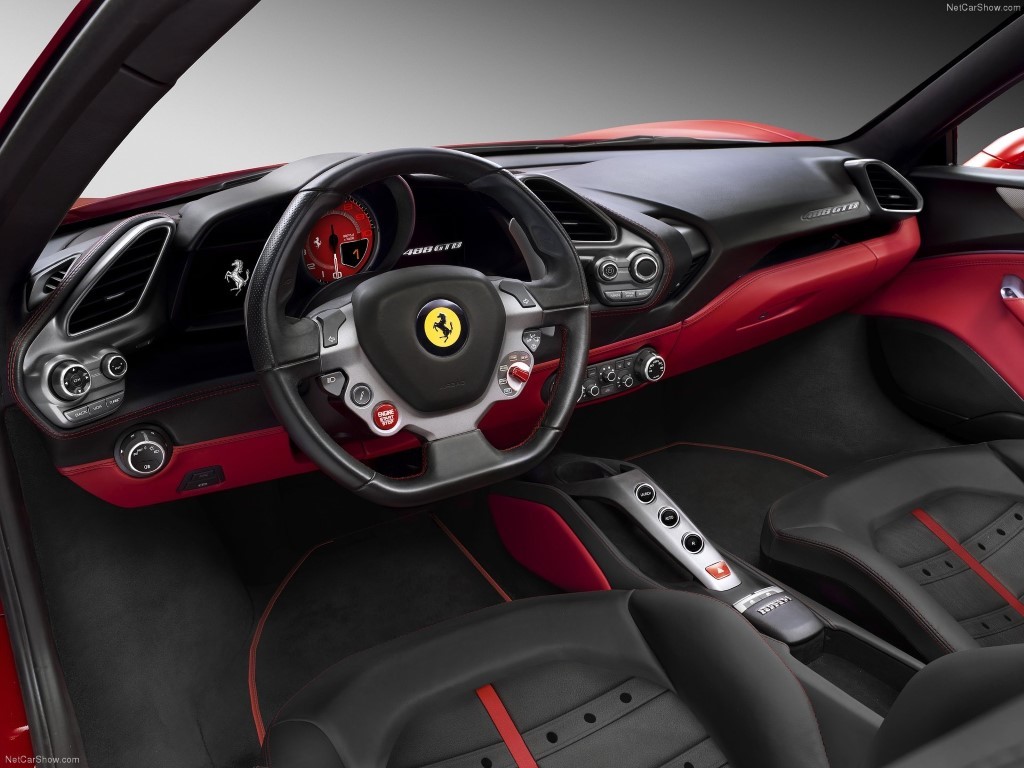
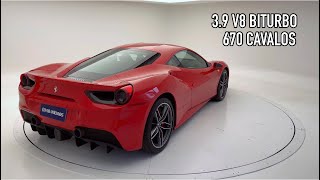
The 488 lineup was introduced with two main variants that formed the foundation of its success: the
GTB berlinetta (coupe) and the convertible Spider. Both share the same mechanical DNA but were designed to
offer distinct driving experiences.
Ferrari 488 GTB (Gran Turismo Berlinetta)
The core of the 488 GTB is the F154 CB engine, a 3,902 cm3 V8 with a dry sump and two parallel
ball-bearing twin-scroll turbochargers. This powerplant delivers an output of 670 cv (or 661 hp) at 8,000
rpm and a massive 760 Nm of torque available at just 3,000 rpm. These numbers translate into explosive
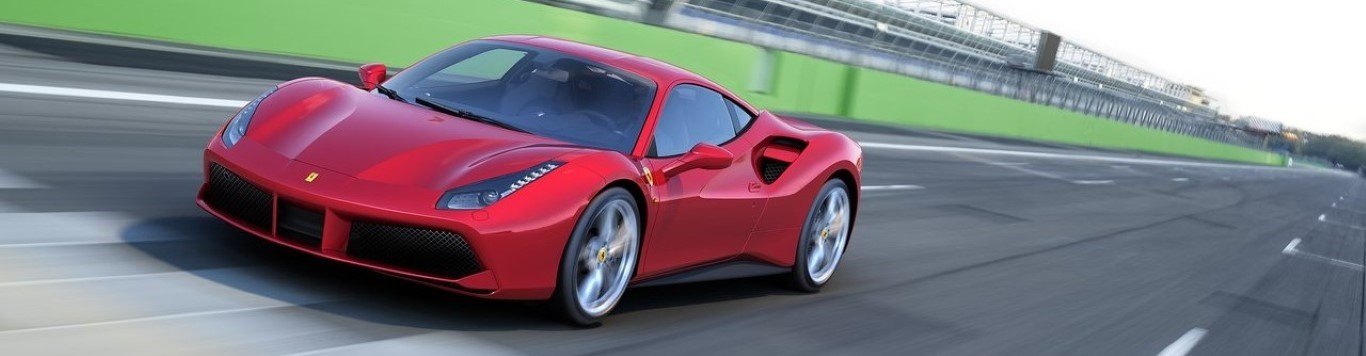
performance: acceleration from 0 to 100 km/h in exactly 3.0 seconds, 0 to 200 km/h in just 8.3 seconds, and
a declared top speed exceeding 330 km/h. To manage this power, Ferrari used a 7-speed dual-clutch
transmission, manufactured by Getrag, with gear ratios optimized for the turbocharged engine's torque
profile.
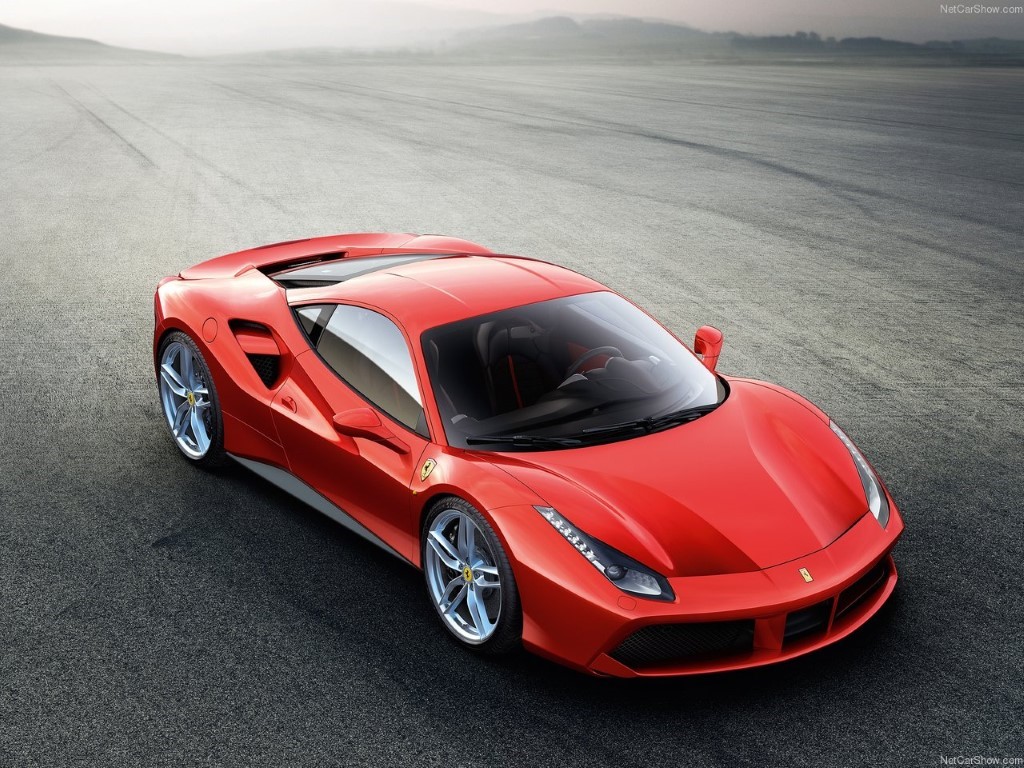
The design, conceived by the Ferrari Styling Centre under the leadership of Flavio Manzoni, is a
masterclass in functional aerodynamics. Although the aluminum chassis is an evolution of the one used in the
458, the bodywork was completely redesigned. The main goal was to increase downforce by 50%
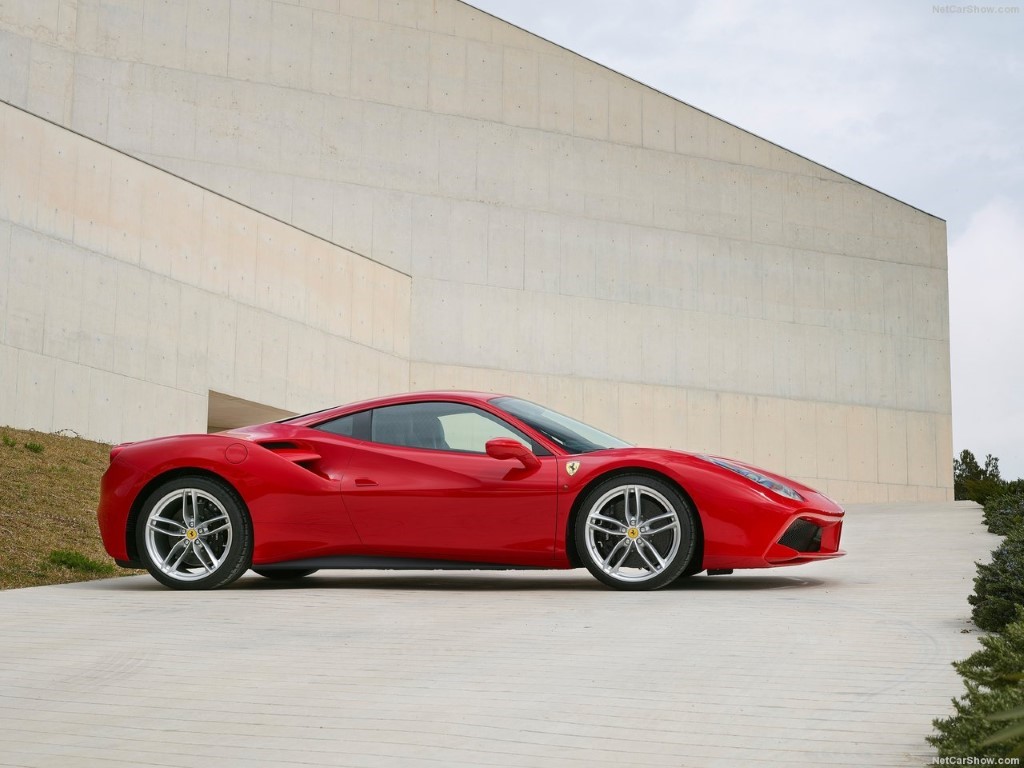
compared to the 458, while reducing drag. Elements such as the double front spoiler, the huge sculpted side
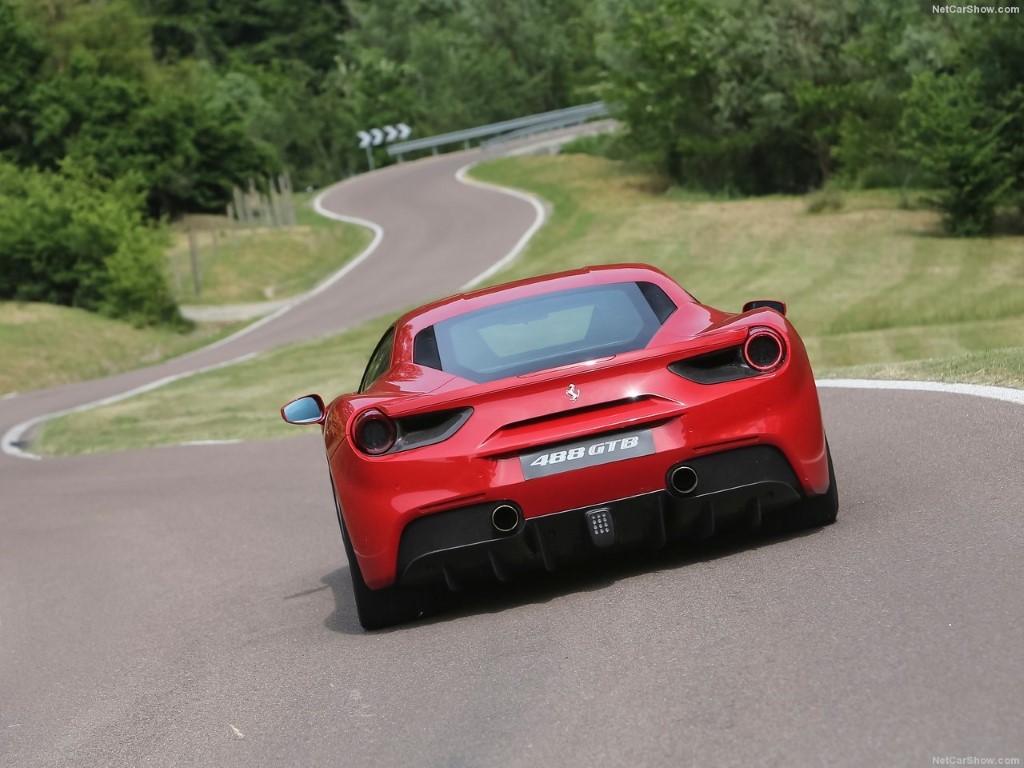
air intakes (which feed both the engine and the intercoolers), and an innovative "blown spoiler" at the rear
are proof of this philosophy. The latter channels air from the base of the rear window through the bodywork
and out just above the license plate, creating downforce without the need for a raised
wing, an elegant and efficient solution.
Drivability was enhanced with carbon-ceramic brakes derived from the LaFerrari, which reduce braking
distances by 9%, and with refined electronic systems, such as Side Slip Control 2 (SSC2). This system allows
drivers of different skill levels to explore the car's limits with more confidence and control.
Ferrari 488 Spider
Unveiled at the Frankfurt Motor Show in September 2015, the 488 Spider brought the GTB's performance
to the convertible format. Its main highlight is the retention of the Retractable Hard Top (RHT), an
engineering solution that folds into two parts and elegantly stows away over the engine in just 14 seconds.
This approach offers better acoustic and thermal insulation than a traditional soft top, besides being
lighter.
The biggest challenge in any convertible is maintaining structural rigidity. Ferrari masterfully
overcame this by using a spaceframe chassis built with 11 different aluminum alloys and noble metals like
magnesium. The result is a torsional rigidity identical to the GTB coupe, a remarkable feat that ensures
drivability is not compromised. The Spider weighs only 50 kg more than the GTB and is 10 kg lighter than its
predecessor, the 458 Spider.
With the same 670 cv engine and 760 Nm of torque as the GTB, the Spider's performance is practically
indistinguishable under normal driving conditions. The 0 to 100 km/h acceleration is identical, at 3.0
seconds. The 200 km/h mark is reached in 8.7 seconds (just 0.4 seconds slower than the coupe), and the top
speed is 325 km/h. The 488 Spider was designed to be the most powerful and innovative convertible Ferrari
ever built up to that point, combining the prowess of the V8 with the sensory experience of open-top
driving.