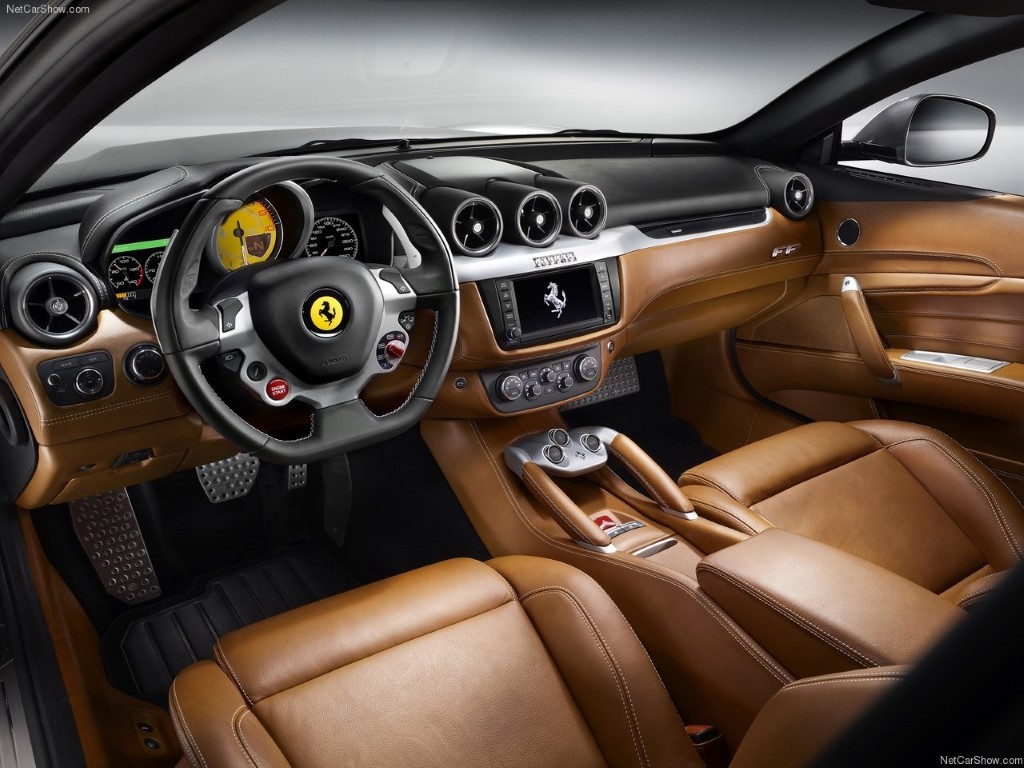
Breaking with Tradition
When the doors of the Geneva International Motor Show opened in March 2011, the world witnessed not
just the launch of a new car, but the beginning of a new era for Ferrari. At the Italian brand's stand
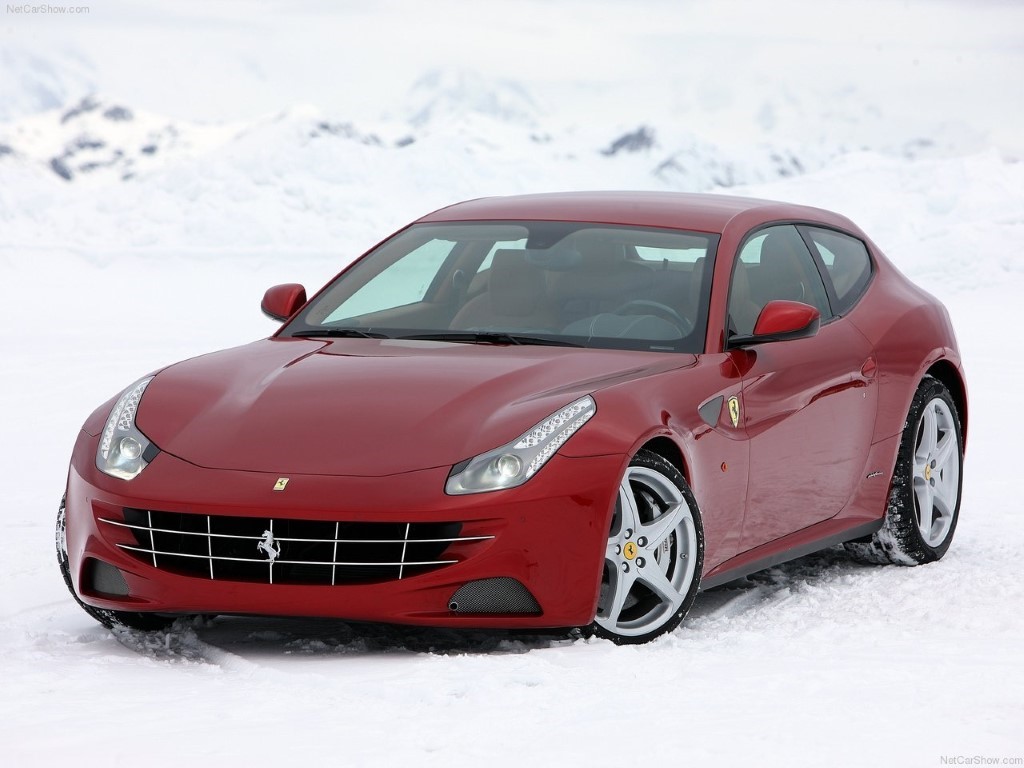
rested the Ferrari FF, a vehicle that represented a bold and, to some, controversial turning point. For the
first time in its rich history, Ferrari was presenting a series production model equipped with a
four-wheel-drive system, a technology previously considered an anathema to the company's purist philosophy,
forged on the Formula 1 tracks and dedicated to the purity of rear-wheel drive.
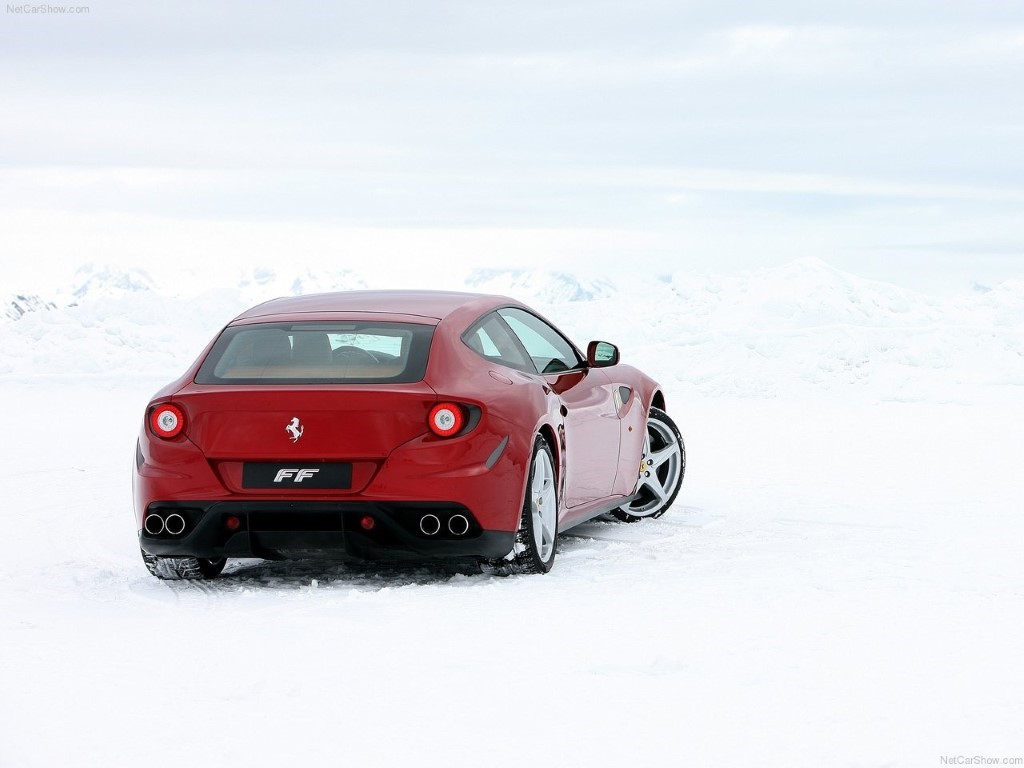
The chosen name, "FF", was a concise acronym for "Ferrari Four", perfectly encapsulating the dual
revolution the car brought: four genuinely comfortable seats for adults and, of course, four-wheel drive.
Although developed to succeed the elegant 612 Scaglietti, the FF was far from a mere evolution. It was a
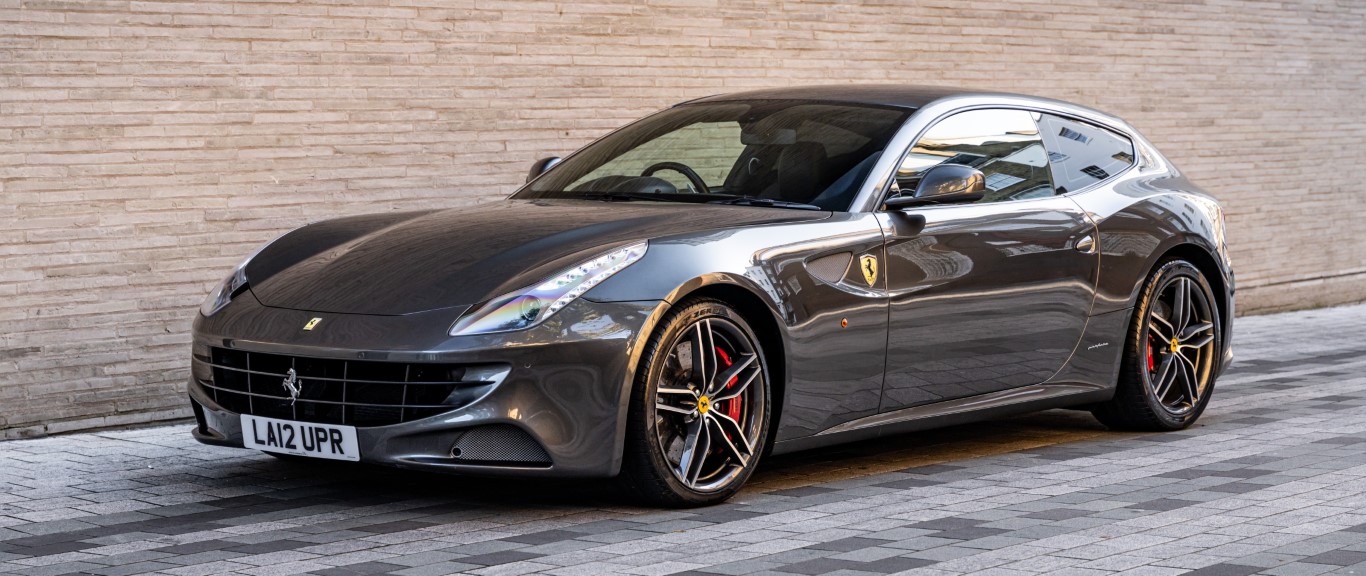
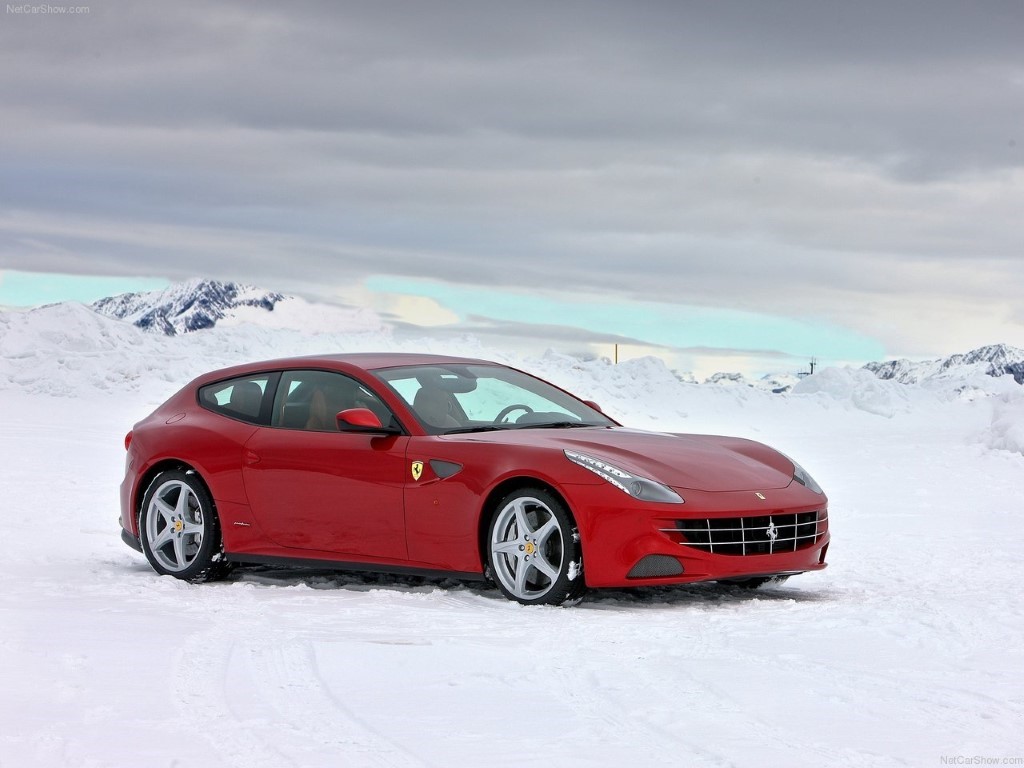
complete reinterpretation of what a Maranello Gran Tourer (GT) could be, abandoning the traditional coupé
silhouette for a bold and functional design.
The Concept: The Most Versatile Ferrari in History
The ambition behind the FF project was monumental: to create the most versatile car ever produced by
Ferrari. The vision was of a vehicle that transcended the limits of a weekend supercar, becoming a companion
for daily use, capable of facing any weather condition with the same poise as a luxury sedan, but with the
soul of an Italian thoroughbred. The FF was designed to overcome the most complex driving challenges, from a
day on the track to a trip to a ski resort on snow-covered roads.
This radical shift in philosophy could have alienated the brand's most traditional fans, but Ferrari
anticipated this reaction with a powerful endorsement. Piero Ferrari, son of the legendary founder Enzo
Ferrari, stated unequivocally: “My father would have loved this car, because it is innovative,
revolutionary, and it is a true four-seater, like the Ferraris he used every day”. This quote was a
masterstroke, serving to legitimize the FF and calm the purists who argued that Enzo would never approve of
such a model.
Market Positioning
At the time of its launch, the Ferrari FF was immediately positioned at the top of the automotive
food chain, billed as the fastest four-seater car in the world. This title solidified its status as an
"extreme grand tourer", a car that refused to compromise performance in the name of practicality. The FF was
not just a GT; it was a statement that Ferrari could offer versatility without diluting its performance DNA.
This was not a decision made in a vacuum. In the late 2000s, competitors like Porsche with the
Panamera, and Aston Martin with the Rapide, had already proven the existence of a lucrative market for
ultra-high-performance vehicles with greater practicality. Ferrari, focused on its two-seater coupés, ran
the risk of losing clients who, while desiring the thrill of driving a Maranello car, needed more space for
their family or for traveling. The creation of the FF was, therefore, a calculated strategic maneuver. By
introducing all-wheel drive and an innovative design, Ferrari was not only advancing technologically; it was
redefining its own boundaries to capture a new market segment. In retrospect, the FF was the first concrete
step in Ferrari's journey from a niche supercar manufacturer to a more comprehensive luxury and performance
brand, paving the philosophical and engineering way that, a decade later, would culminate in the Purosangue.