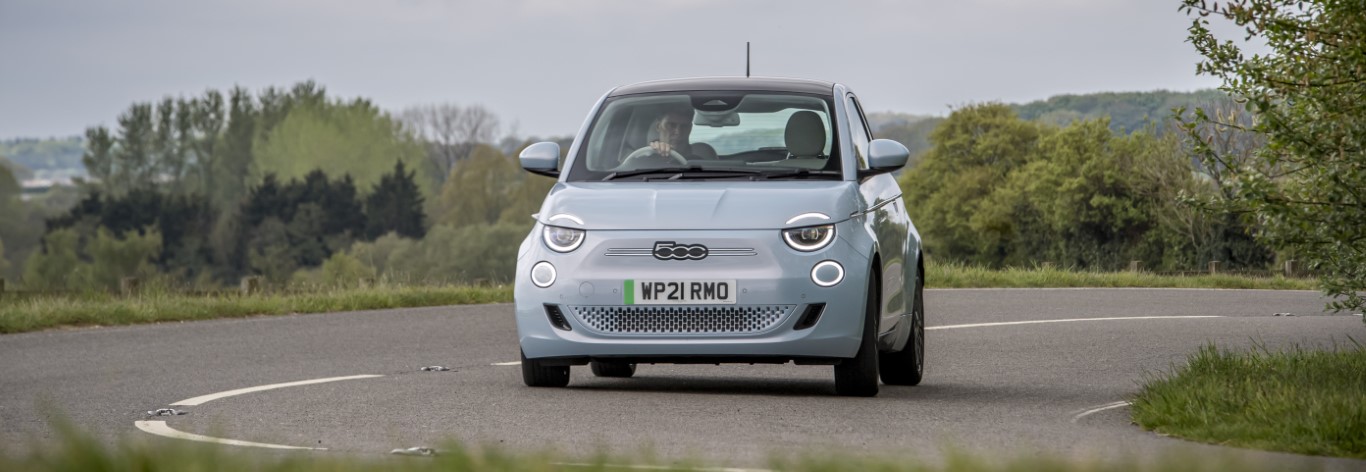
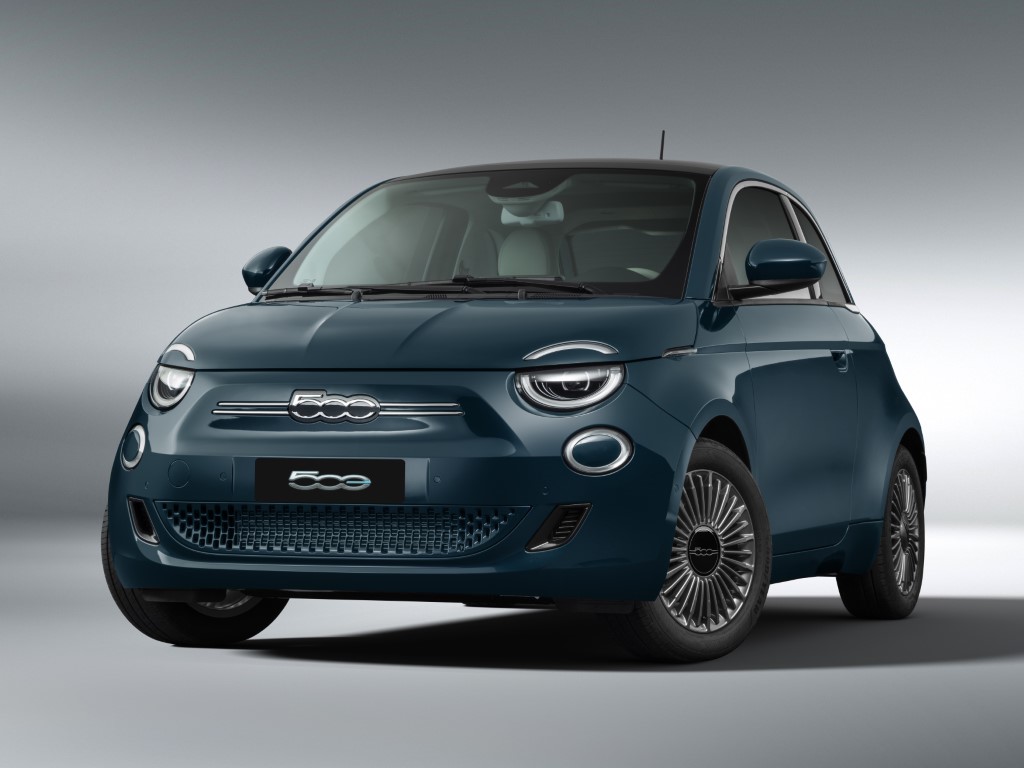
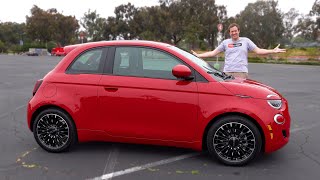
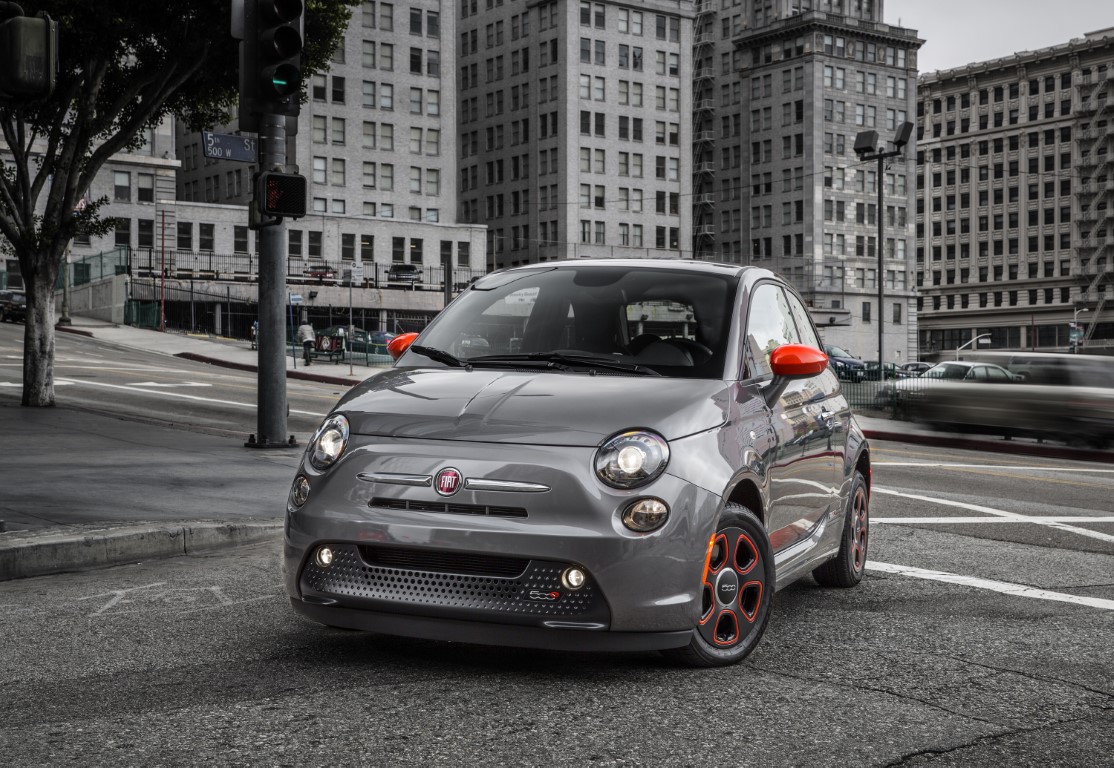
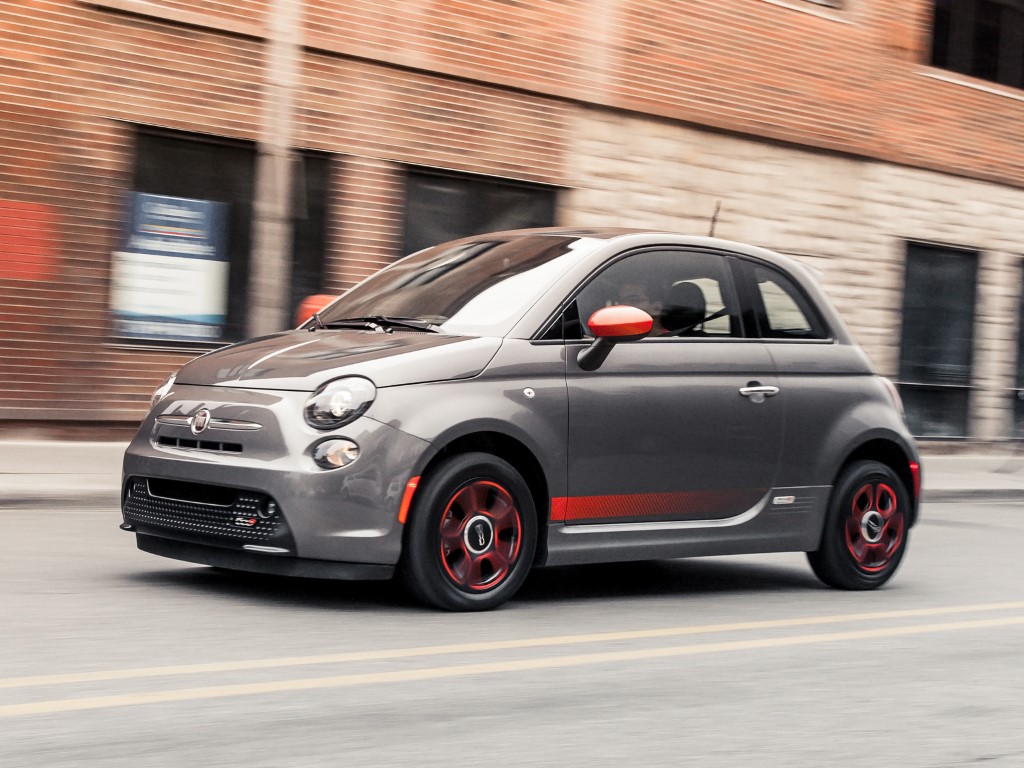
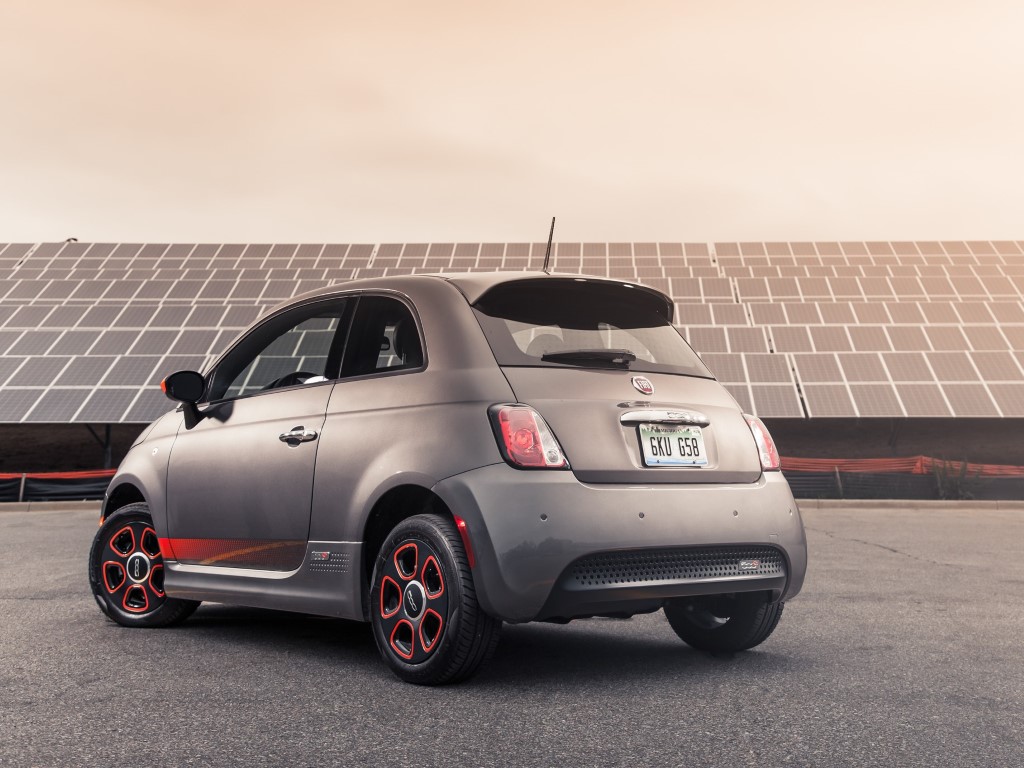
The Fiat 500e represents much more than just a battery-powered version of a popular car; it is the
materialization of a historical transition for the Fiat brand and the Stellantis group in the global
mobility scenario. The trajectory of this vehicle is divided into two fundamental acts: a phase of
adaptation and compliance in the North American market and a phase of complete reinvention on a dedicated
platform, designed to lead urban electrification in Europe and other international markets. The detailed
analysis of its evolution allows us to understand how Italian engineering managed to preserve the "charm" of
a 1957 design while integrating Level 2 autonomous driving technologies and next-generation electric
propulsion systems.
The First Act: The Compliance Generation (2013–2019)
The history of the Fiat 500e begins in a curious and somewhat reluctant way. Launched in 2013, the
model was primarily developed to meet the strict emissions regulations of the state of California, in the
United States. Unlike current electric models, which are born from exclusive projects, the first 500e was
what the industry calls a "compliance car". It was essentially a conventional Fiat 500, manufactured at the
Toluca plant in Mexico, which underwent deep re-engineering to replace the combustion engine with an
electric powertrain.
Engineering Challenges and Structural Adaptation
Transforming a compact car designed for gasoline engines into an electric vehicle required creative
solutions. Since the original chassis did not provide space for batteries, Fiat had to position the
lithium-ion pack under the rear seat and the floor, which ended up slightly affecting the internal space but
helped lower the center of gravity, improving the vehicle's stability in corners.
One of the most critical points in the development of this first generation was aerodynamics. The standard
Fiat 500 had a drag coefficient (Cd) of 0.359, which is considered high for an electric car that relies on
efficiency to maximize range. To solve this, Fiat engineers spent hours in wind tunnels to create what they
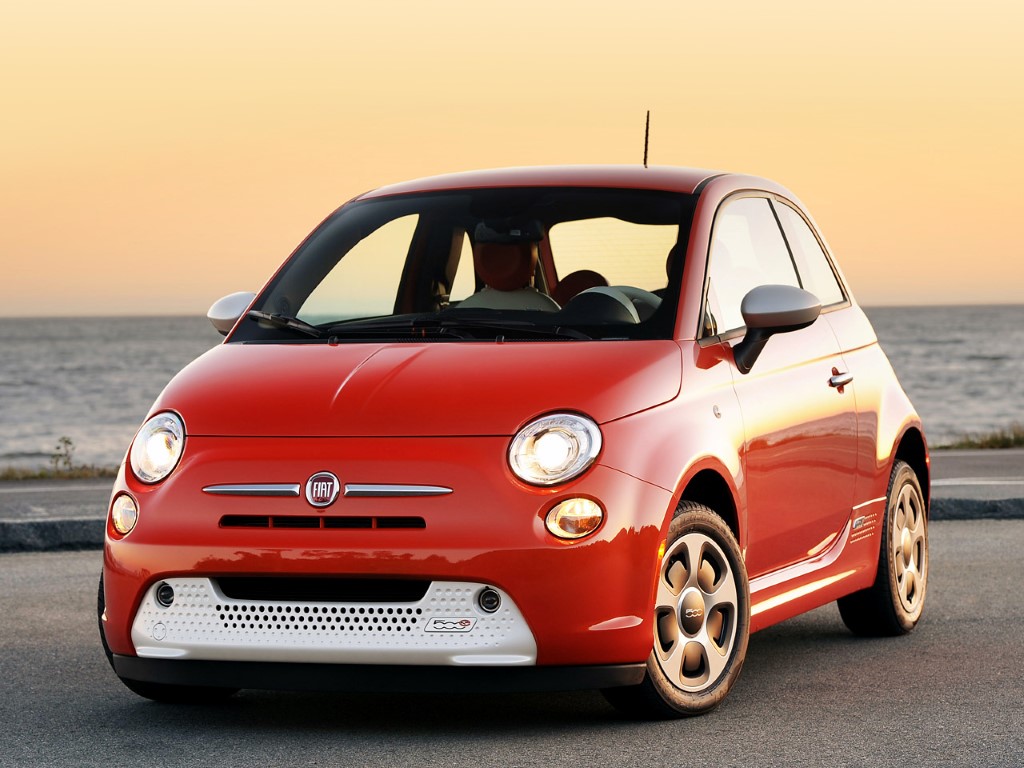
called "specific aerodynamic refinements." The 500e received an exclusive front bumper with circular holes
to optimize airflow, side skirts that directed the wind away from the wheels, and a larger rear spoiler.
These changes reduced the drag coefficient to 0.311, an improvement that allowed the car to gain precious
kilometers of range without needing a larger battery.
Technical Specifications and Powertrain (Generation 1)
The heart of the first 500e was a permanent magnet electric motor that delivered surprising
performance for the time. With 111 horsepower (83 kW) and an instantaneous torque of 201 Nm (147 lb-ft), the
small hatchback was capable of accelerating from 0 to 100 km/h in approximately 8.2 seconds, outperforming
many of its gasoline-powered siblings.
| Component |
Technical Specification (2013–2019) |
| Engine Type |
83 kW (111 hp) Electric |
| Maximum Torque |
201 Nm (148 lb-ft) |
| Battery |
24 kWh (lithium-ion) |
| Range (EPA Cycle) |
84 miles (approx. 135 km) |
| Top Speed |
137 km/h (85 mph) |
| Level 2 Charging |
Approx. 4 hours (6.6 kW) |
The 24 kWh battery consisted of 97 individual cells and featured a sophisticated thermal management system to
ensure the longevity of the cells, something not all electrics of that era possessed. However, Fiat always
made it clear that this model was aimed at the urban environment and small daily tasks, such as going to
school or the supermarket, due to its limited range of about 135 km.
First Generation Updates and Facelifts
Although it maintained the same mechanical base for nearly seven years, the first generation of the
500e underwent important technological updates to remain competitive in the urban electric car niche.
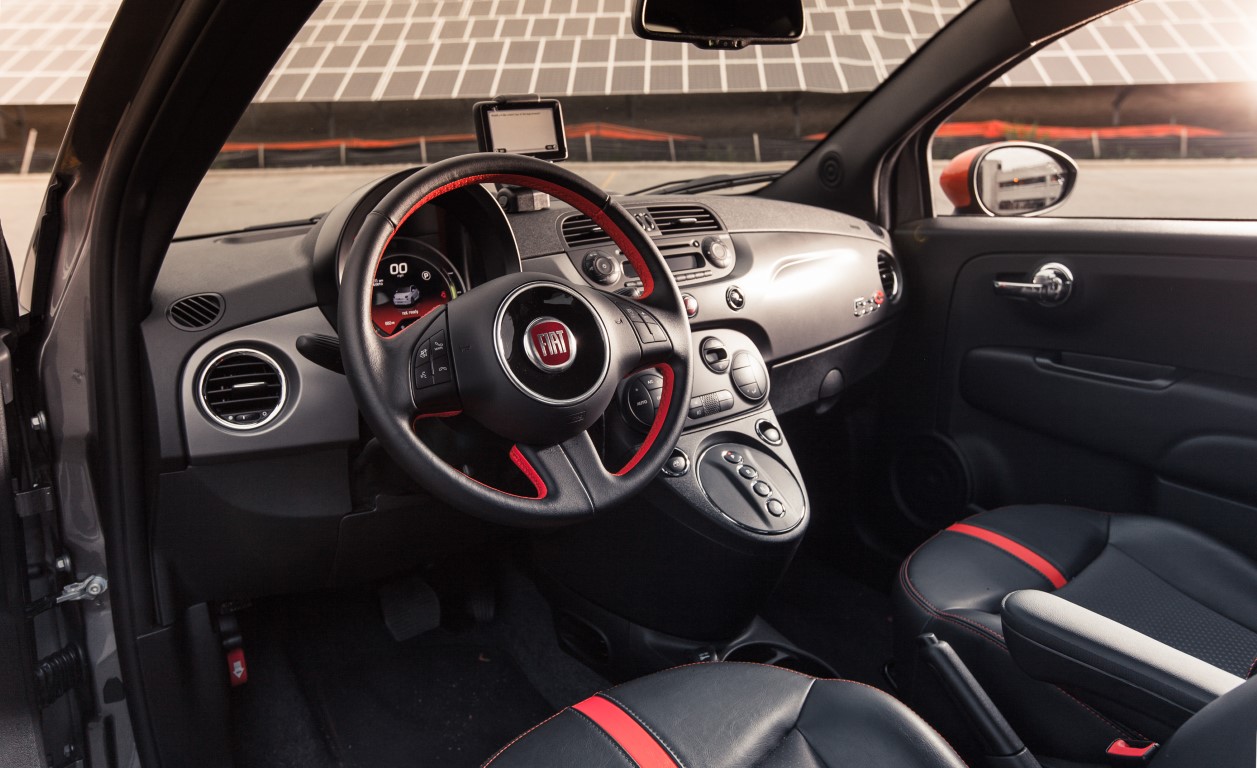
- 2013-2015 Model: The initial focus was on the detachable TomTom navigation
system, which was a common solution at the time, but aged quickly.
- 2016 Update: This was the most significant facelift in terms of internal
technology. Fiat replaced the old radio with a Uconnect 5.0 touchscreen system, offering better
Bluetooth connectivity and integrated voice commands.
- 2017-2019 Improvements: In the final years of the first generation, Fiat
focused on simplifying the trim lineup and lowering the price to attract buyers before production ended
in North America. The 7-inch digital instrument panel became standard, offering clear information on
energy flow and charge regeneration during braking.
Despite critical acclaim for its agile handling, Fiat ended production of this generation in 2019,
paving the way for something much more ambitious.