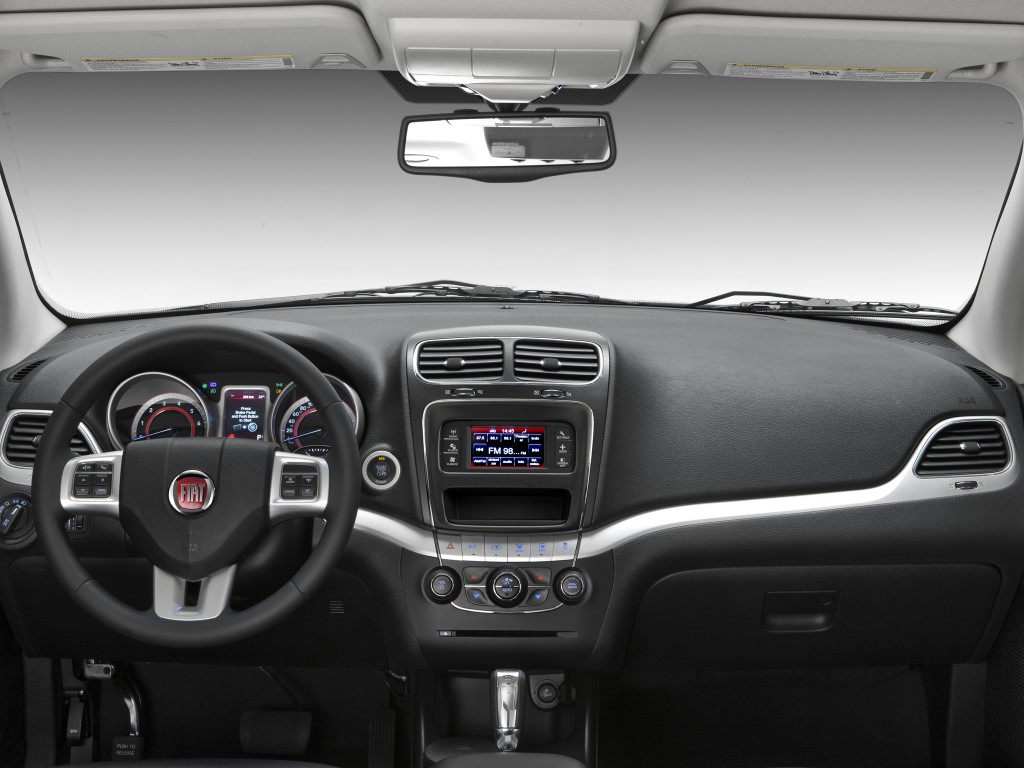
The success of the Fiat Freemont was variable, reaching sales peaks in specific markets and facing
logistical and economic challenges in others. The analysis of the numbers reveals the importance of the
model for the consolidation of the Fiat brand as a manufacturer capable of operating in higher added value
segments.
The Italian Phenomenon and the European Market
In Europe, the Freemont was an immediate success, especially in Italy, where traditional families
quickly adopted the model as a replacement for classic minivans. In 2011, its first year on the market, the
Freemont was already registering significant registration numbers, becoming the best-selling SUV in its
category on Italian soil for two consecutive years.
| Year |
Sales in Europe (Units) |
Source |
| 2011 |
13,651 |
|
| 2012 |
25,830 |
|
| 2013 |
18,826 |
|
| 2014 |
17,417 |
|
| 2015 |
13,790 |
|
The Case of Brazil: From Success to Discontinuation
In Brazil, the Freemont had a "shooting star" trajectory. Its launch in 2011 generated great
expectations, and the year 2012 was its peak, with 11,330 units sold. This volume was impressive for a
vehicle of its size and price, even threatening established leaders like the Honda CR-V. However, starting
in 2013, a combination of external factors began to harm the model: the Brazilian government imposed import
quotas for vehicles from Mexico, limiting the quantity Fiat could bring in without paying prohibitive taxes.
With the economic crisis that took hold from 2014 onwards and the appreciation of the dollar, the
price of the Freemont rose rapidly, losing its main competitive advantage. Furthermore, FCA's strategy of
focusing on the Jeep brand with the launch of the Renegade and, later, the nationalized Compass, sealed the
fate of the Freemont, which ceased to be officially imported at the end of 2016.
| Year |
Sales in Brazil (Units) |
Context |
| 2011 |
2,237 |
Launch in August |
| 2012 |
11,330 |
Sales peak and record |
| 2013 |
3,855 |
Start of quota restrictions |
| 2014 |
3,707 |
Update to 6 speeds |
| 2015 |
1,435 |
Economic crisis and high dollar |
| 2016 |
665 |
Stock depletion |
In total, Brazil absorbed approximately 22,500 units of the model during its life cycle, a number that still
keeps it as a constant and relevant presence in the used market for large families.