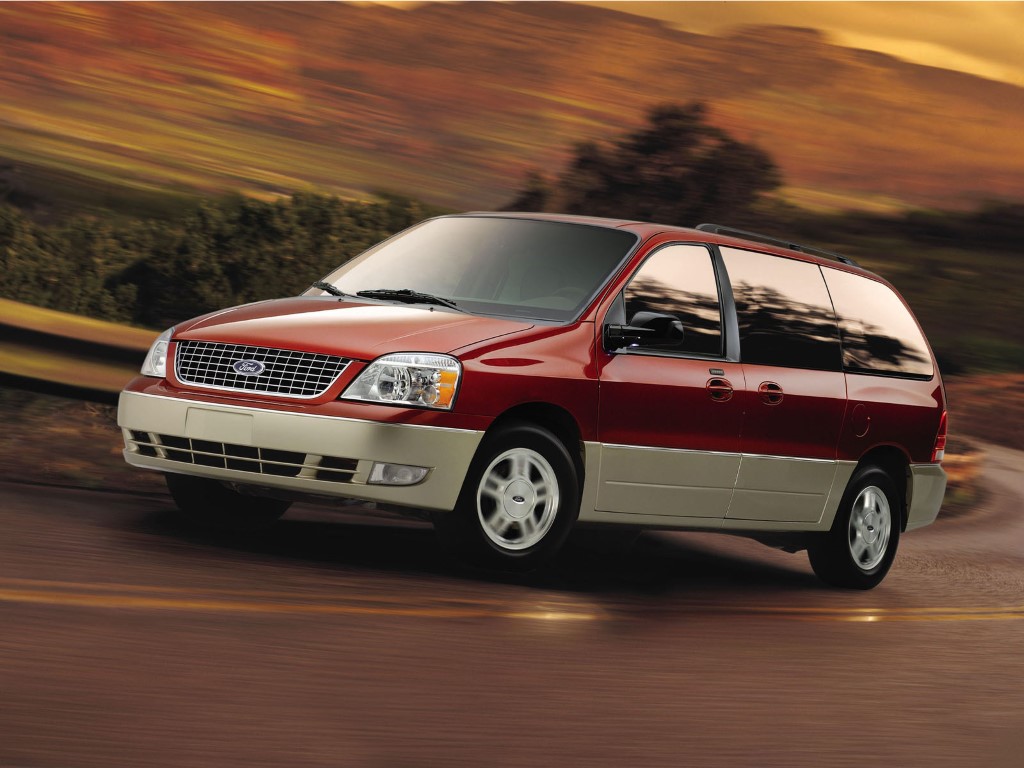
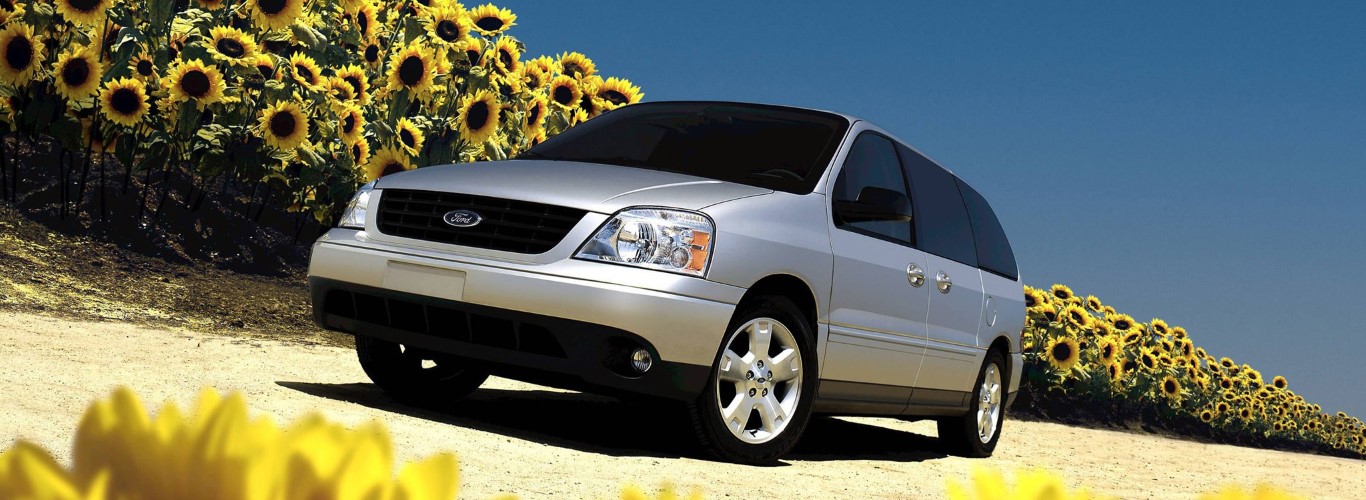
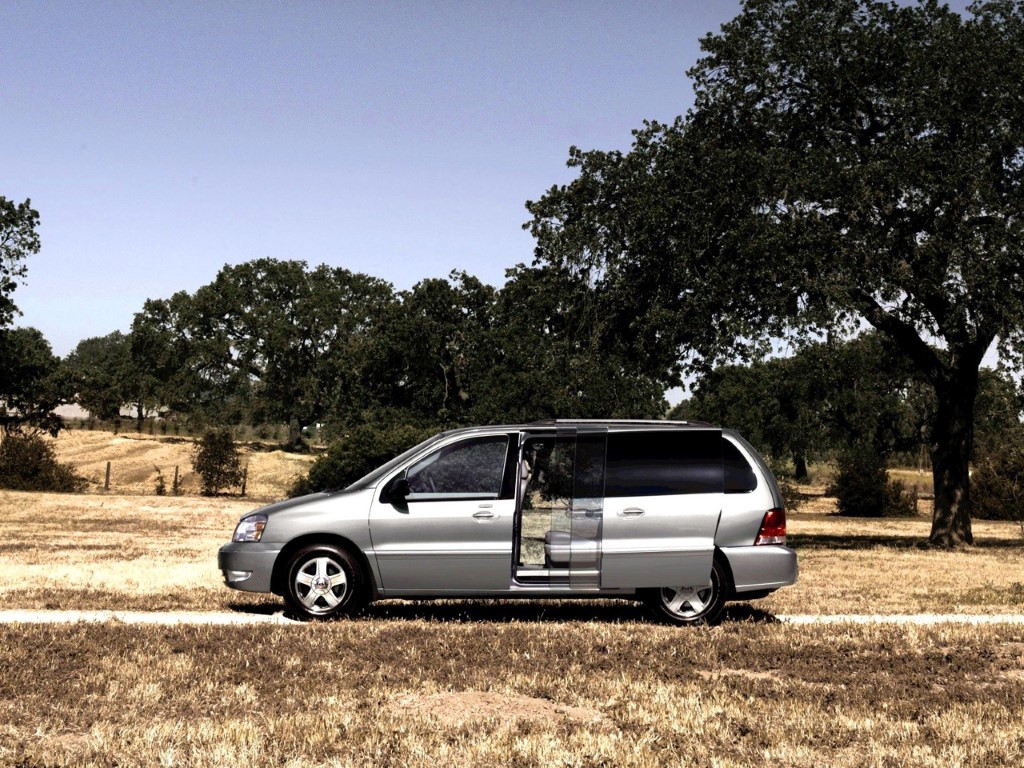
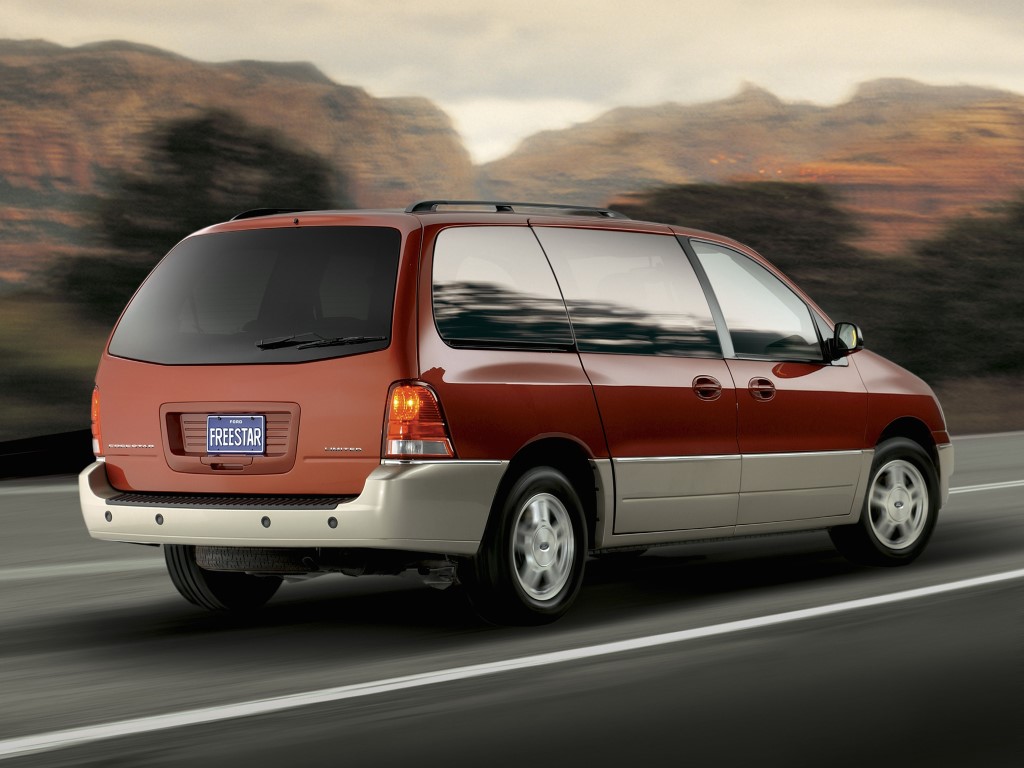
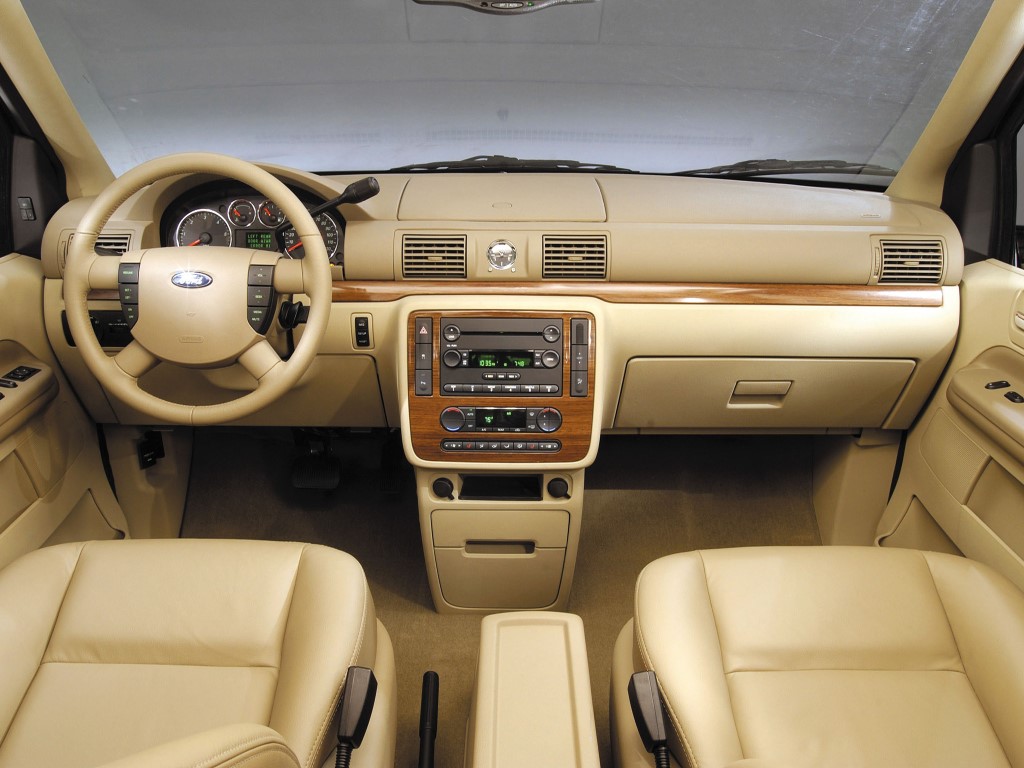
The trajectory of the Ford Freestar in the North American automotive market represents a critical
transition moment for the Ford Motor Company. Originally launched as the direct successor to the Ford
Windstar, the Freestar was not just a name change, but an ambitious attempt to regain relevance in the
minivan segment, which was being rapidly dominated by foreign rivals and the growing popularity of sport
utility vehicles (SUVs). This report details the technical evolution, production milestones, and strategic
nuances that defined this model between 2004 and 2007.
The Ford Freestar emerged at a time when Ford was seeking to revitalize its brand image through a new
naming strategy. The decision to rename the Windstar to Freestar in 2004 was part of a global initiative by
the company to have all its passenger models start with the letter "F", resulting in contemporaries like the
Ford Five Hundred, the Ford Fusion, and the Ford Freestyle. However, behind the name change, there was a
substantial engineering effort.
Ford invested approximately 600 million dollars in the Oakville Assembly plant in Ontario, Canada, to
prepare the assembly lines for the Freestar. Although it shared the V (MV1) platform with the previous
Windstar, the Freestar was promoted as a deeply redesigned vehicle. The main focus of this redesign was the
durability of the transmission and powertrain, areas that had presented critical failures in past
generations.
Historically, the Freestar is considered the third generation of Ford's minivan lineage, succeeding
the Aerostar (rear-wheel drive) and the Windstar (front-wheel drive). It was designed to be the pinnacle of
family comfort, focusing on safety and internal versatility to compete directly with models like the Honda
Odyssey, Toyota Sienna, and Chrysler's minivans.