The Ford Windstar was officially introduced to the public in January 1994 at the North American
International Auto Show, and sales began in March of that year as a 1995 model year. From the beginning, the
Windstar was positioned as a more refined and modern alternative to the Aerostar, which continued in
simultaneous production for a few years to serve customers needing higher towing capacity.
The 1995 Launch and Initial Configurations
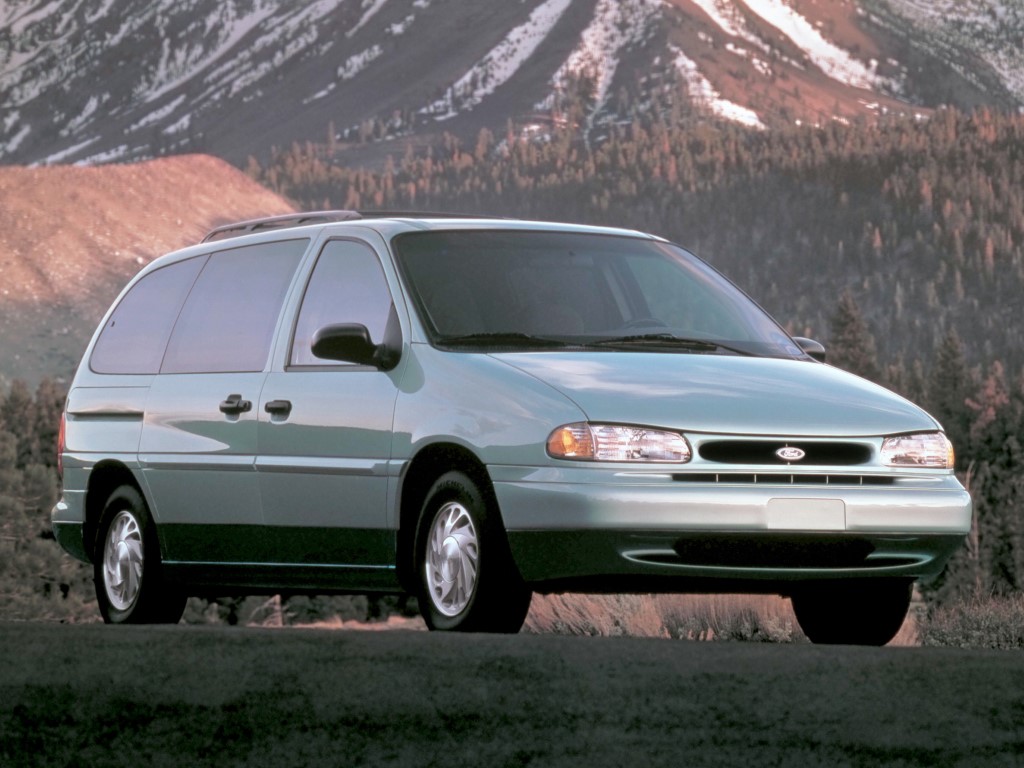
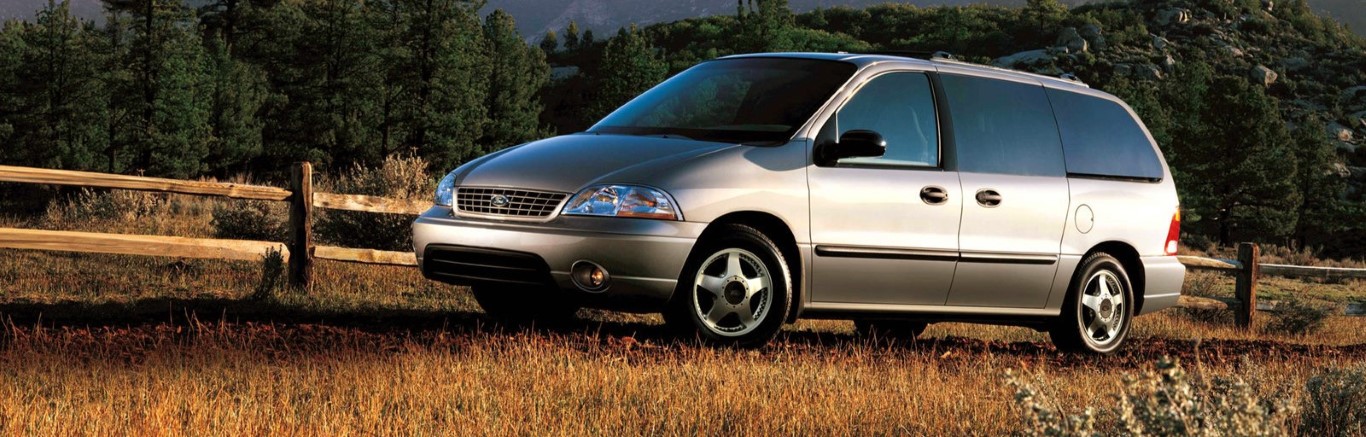
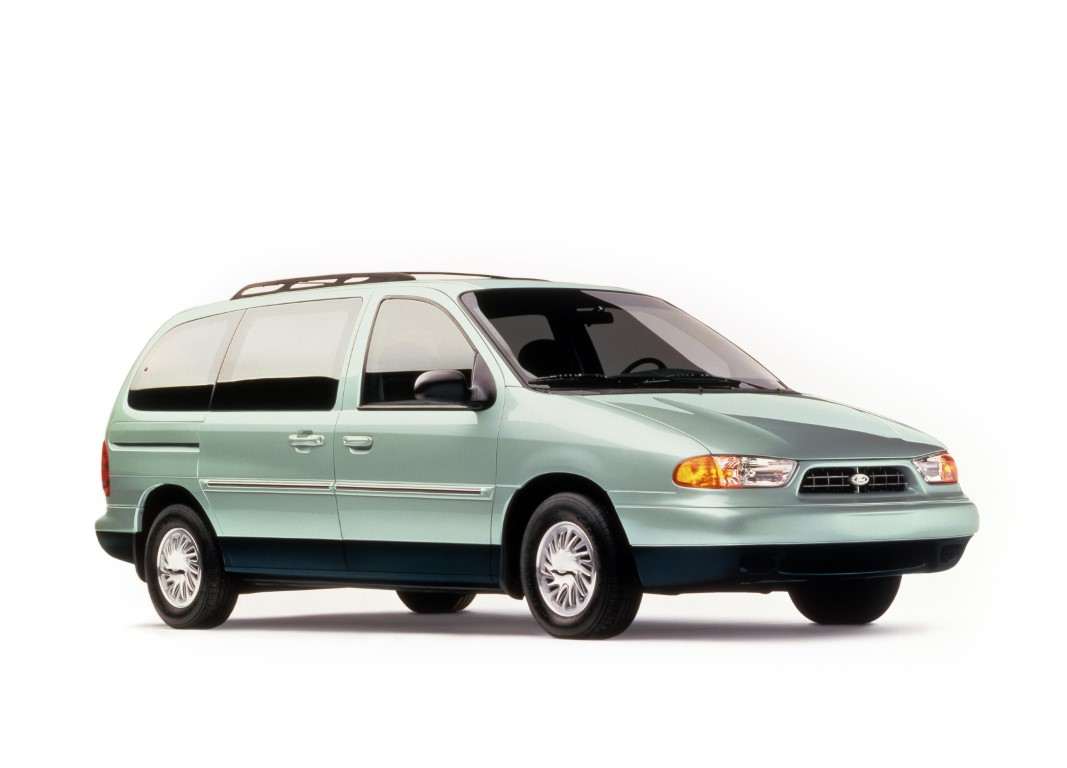
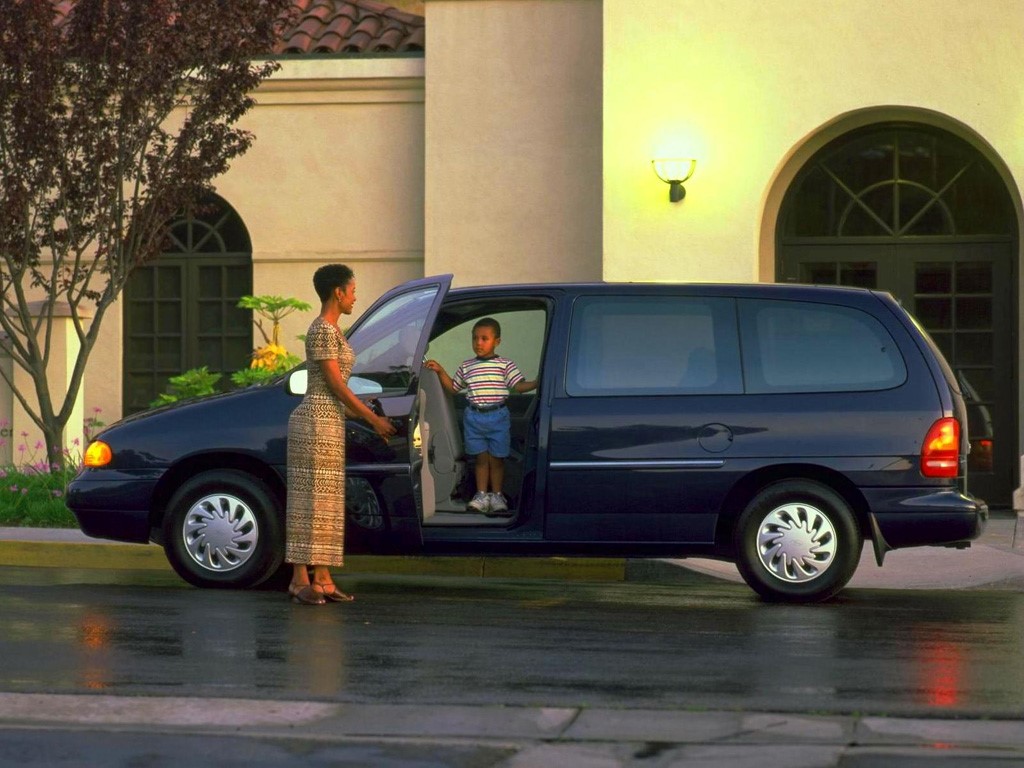
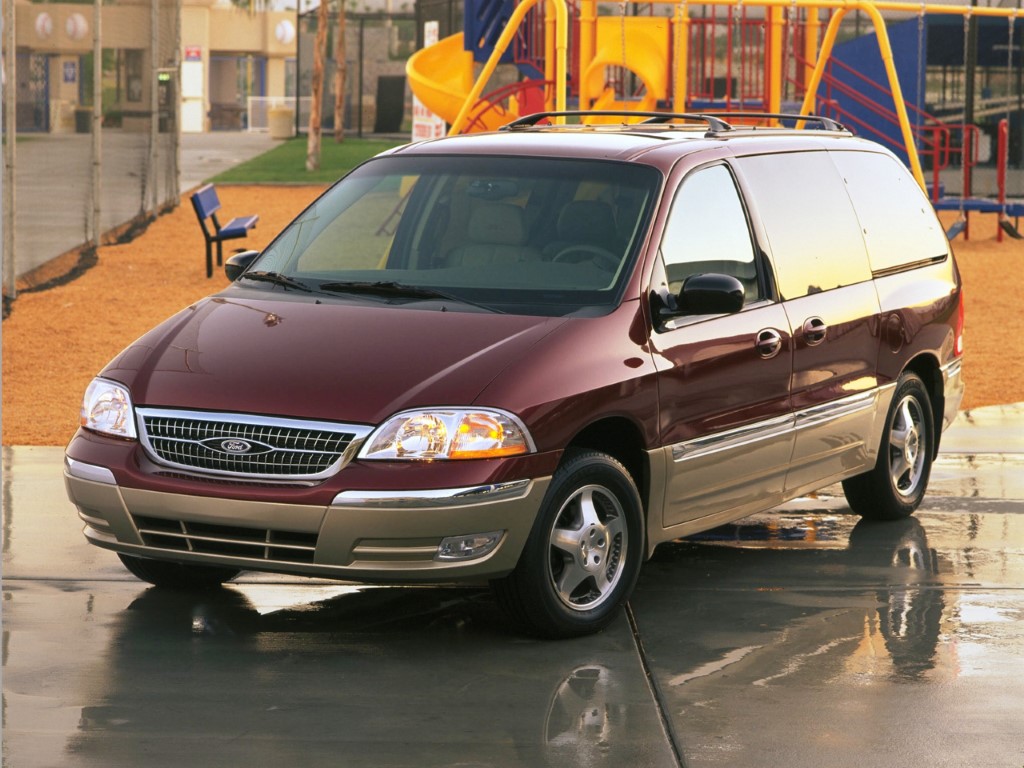
The initial design of the Windstar was marked by rounded, flowing lines, a characteristic of Ford's
visual language in the 1990s. The model featured a low front end, a steeply raked windshield, and a large
glass area that provided excellent visibility for all seven or eight passengers. At launch, Ford offered the
Windstar primarily in the GL version, with the more luxurious LX version being introduced shortly after to
attract upper-middle-class families.
| Technical Specification |
1995 Ford Windstar (GL/LX) |
| Engine |
3.8L Essex V6 |
| Maximum Power |
155 hp @ 4,000 rpm |
| Maximum Torque |
220 lb-ft @ 3,000 rpm |
| Transmission |
4-speed automatic (AX4S) |
| Drivetrain |
Front-Wheel Drive (FWD) |
| Wheelbase |
120.7 inches (3,066 mm) |
| Overall Length |
201.2 inches (5,110 mm) |
| Fuel Tank Capacity |
25.0 gallons |
A notable aspect of the original design was Ford's decision not to include a fourth door (driver's side
sliding door). At the time, the focus was on child safety, and Ford believed that preventing exit on the
street side was a safety feature appreciated by parents. However, this perception would quickly change with
the launch of the new Chrysler minivans in 1996, which popularized access from both sides.
Evolutions and the 1995.5 Model
Ford did not take long to refine the Windstar lineup. In October 1994, what the company internally
called the "1995.5" model year was launched. The main change was the introduction of the 3.0L Vulcan V6
engine as the standard option for the entry-level GL version. This engine, although less powerful than the
3.8L, was widely respected for its reliability and durability in other Ford models, such as the Ranger and
Taurus.
| Engine |
Power (1995.5) |
Torque (1995.5) |
Application |
| 3.0L Vulcan V6 |
147 hp @ 5,000 rpm |
170 lb-ft @ 3,250 rpm |
Base / GL |
| 3.8L Essex V6 |
155 hp @ 4,000 rpm |
220 lb-ft @ 3,000 rpm |
Optional GL / Standard LX |
During this period, Ford also adjusted the pricing structure to make the Windstar more competitive, with the
Cargo Van version starting at approximately $17,510 and the top-tier LX version reaching $23,760.
The 1996 Technical Milestone and the Power Jump
The 1996 model year brought one of the most important mechanical updates in the Windstar's history.
The 3.8L Essex V6 engine was heavily revised with Split Port Induction (SPI) technology. This innovation
allowed the engine to produce a much more efficient power curve, raising the output to an impressive 200 hp.
This update transformed the Windstar into the most powerful minivan in its class in the North
American market at the time. In addition to the engine, Ford introduced four-wheel disc brakes as an option
and made the four-channel anti-lock braking system (ABS) a standard item on all models. Other convenience
additions included the high-fidelity JBL audio system and the introduction of integrated child seats in the
second row.
1997 Refinements and the 1998 Facelift
In 1997, updates were more focused on restructuring the trim lineup. A simplified base version,
sometimes referred to as the "G" trim, was introduced for fleet operators and budget-conscious buyers. A new
high-capacity rear air conditioning and heating system was added to the options list, resolving common
complaints about thermal comfort in the third row of seats.
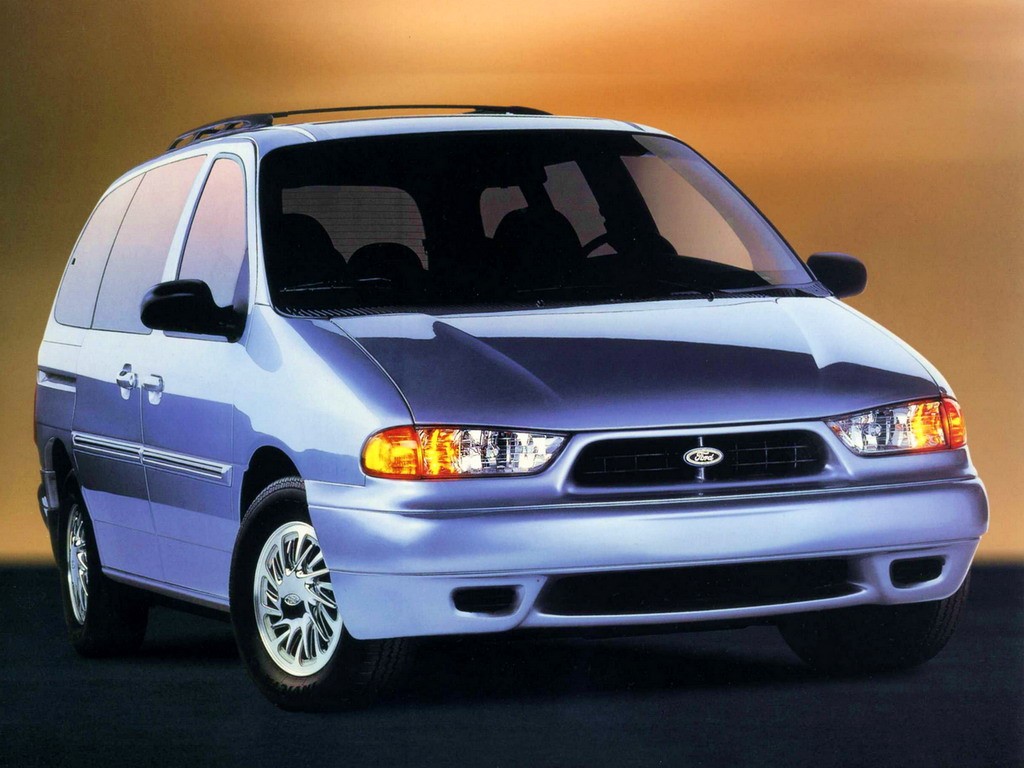
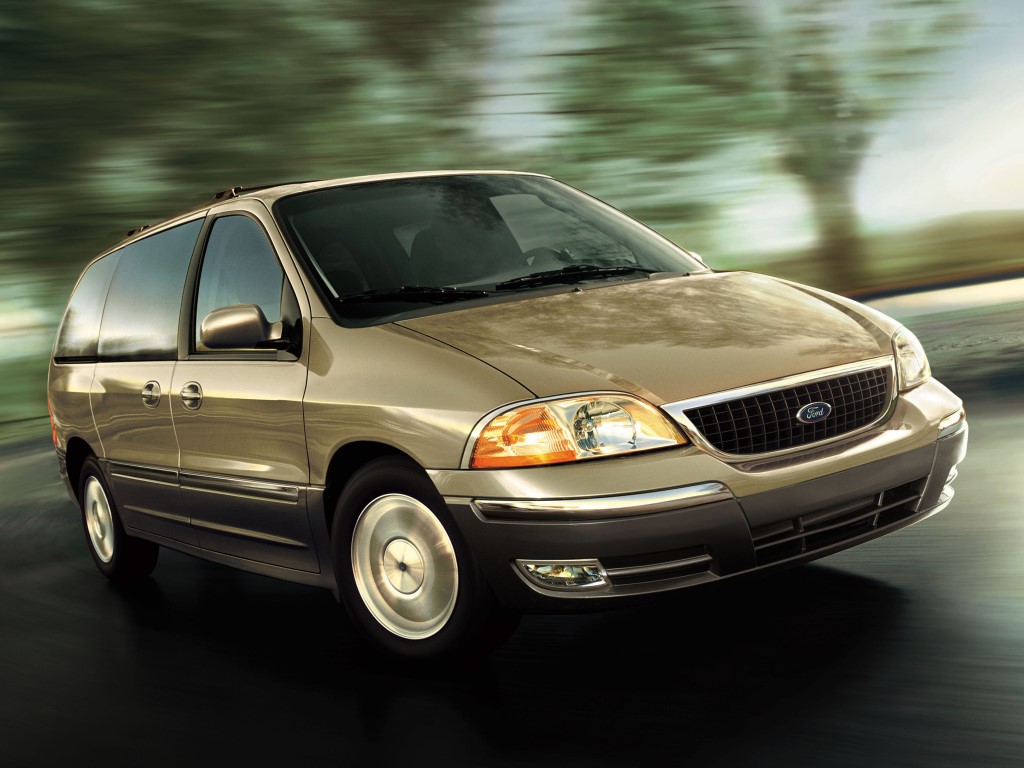
For the last year of the first generation, in 1998, the Windstar underwent a significant aesthetic
facelift to maintain its relevance against renewed competition. The front grille was redesigned, adopting a
cleaner style, and the headlights gained a new internal arrangement. The Ford logo on the rear was moved to
a central position above the license plate, and new colors, such as Deep Forest Green and Vibrant White,
became popular.
This year saw the emergence of the Limited version, which represented the pinnacle of luxury in Ford
minivans up to that point. It featured monochromatic paint, 16-inch chrome alloy wheels, wood-tone interior
trim, and premium leather seats. Ford also launched the "Northwoods" edition, focused on a more adventurous
lifestyle, with exclusive two-tone exterior paint.
| Version (1998) |
Standard Engine |
Main Features |
| Cargo |
3.0L V6 |
Cargo van, simplified interior |
| GL |
3.0L V6 |
Basic family version, 7 seats |
| LX |
3.8L V6 |
Power windows and locks, cruise control |
| Limited |
3.8L V6 |
Leather, 16" wheels, digital AC, overhead console |