The journey to the launch of Maserati's first SUV was long and marked by significant corporate
changes. The idea did not emerge in 2016, but rather thirteen years earlier, manifesting itself in two
distinct concepts, both named "Kubang", which reflect different geopolitical moments of the company.
The First Concept: Kubang GT Wagon (2003)
Maserati's first foray into the universe of utility vehicles occurred in 2003, at the Detroit Auto
Show. Designed by the legendary Giorgetto Giugiaro, the Kubang GT Wagon concept was an avant-garde vision
that attempted to merge the sports wagon with the SUV.
At that time, Maserati operated under a sphere of influence that sought synergies with the
Volkswagen/Audi Group. The concept was designed on the technical basis of the Audi A8, with the anticipation
of using the Quattro all-wheel-drive system and a 368 hp V8 engine derived from the Maserati 3200 GT. The
project, however, fell victim to failed corporate negotiations; the agreement with Audi did not materialize,
and the Kubang GT Wagon remained merely a design study, leaving Maserati out of the first wave of luxury
SUVs that consecrated the Porsche Cayenne.
The Second Concept: Kubang (2011)
The dream was revived in 2011, at the Frankfurt Motor Show, under the new management of the
Fiat-Chrysler (FCA) group. This second concept, also called Kubang, had a radically different technical
proposal: it used the Jeep Grand Cherokee platform as its foundation. The logic was to leverage the American
group's economy of scale to make the Italian product viable. The design already anticipated the lines of the
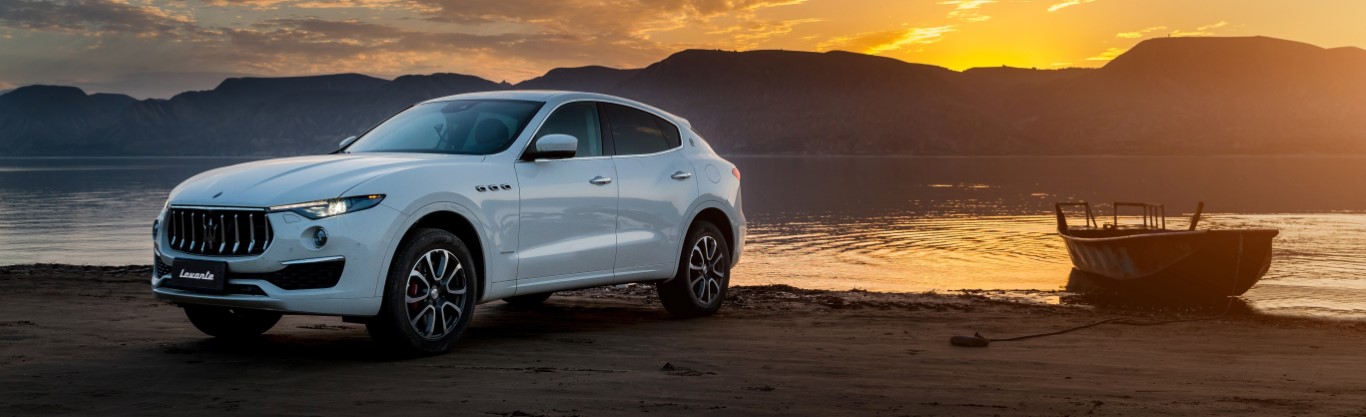
final Levante, with an aggressive front grille and a muscular stance.
The Final Decision: An Italian Platform
Between 2011 and 2015, Maserati's management made a crucial decision that would define the vehicle's
character. To ensure that the SUV behaved like a true Maserati and not like a rebadged Jeep, the engineering
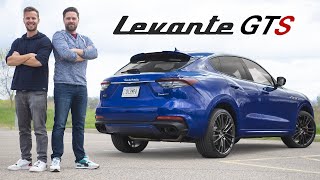
team discarded the American platform. They opted to develop the Levante on the architecture of the Ghibli
and Quattroporte VI sedans. This technical choice allowed them to prioritize rear-wheel drive and sporty
dynamic behavior, distancing the Levante from its more utilitarian competitors.
The name "Kubang" was abandoned in favor of Levante, inspired by a warm Mediterranean wind capable of
changing from a gentle breeze to a gale in an instant — a direct metaphor for the duality of behavior
intended for the car.