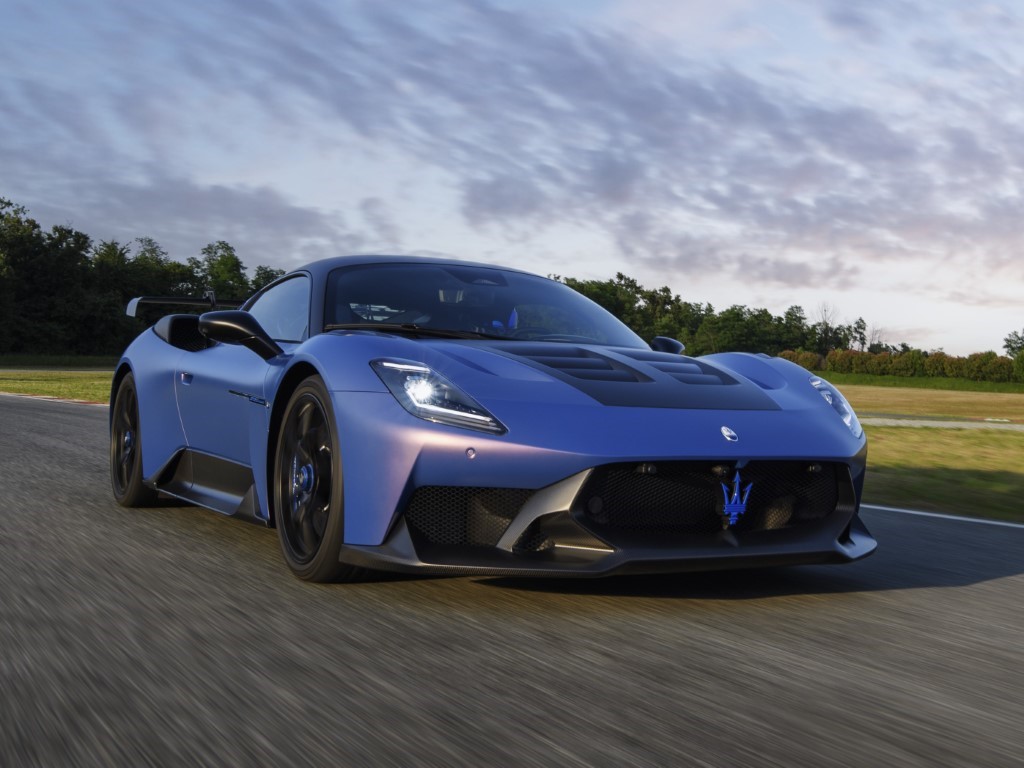
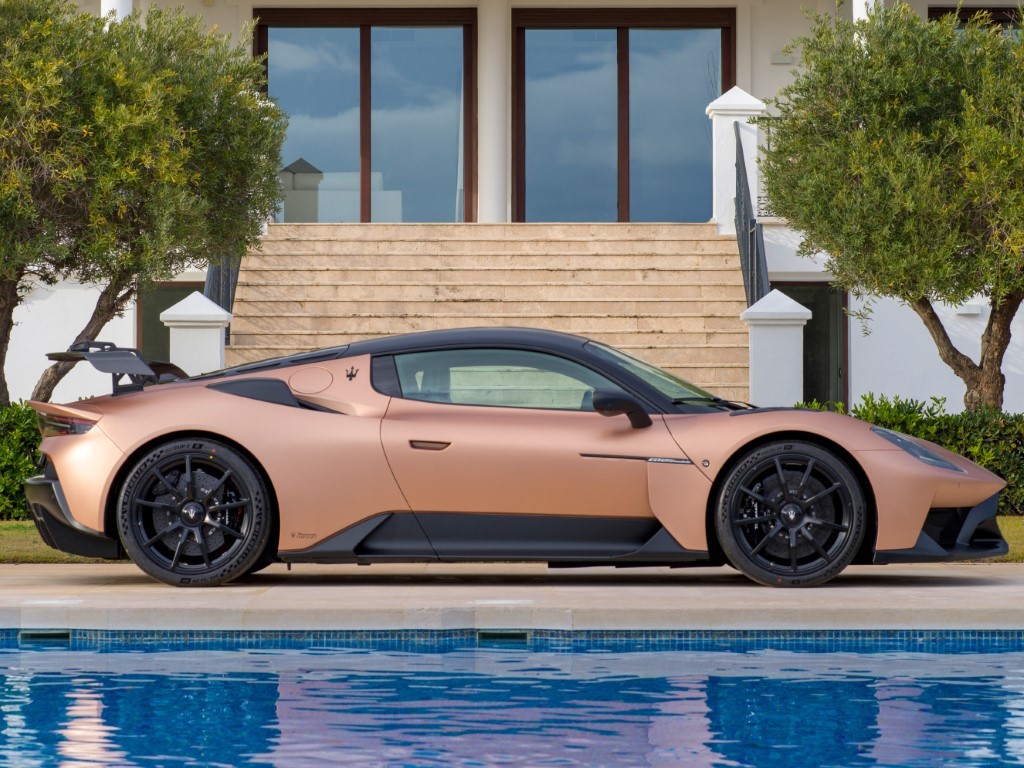
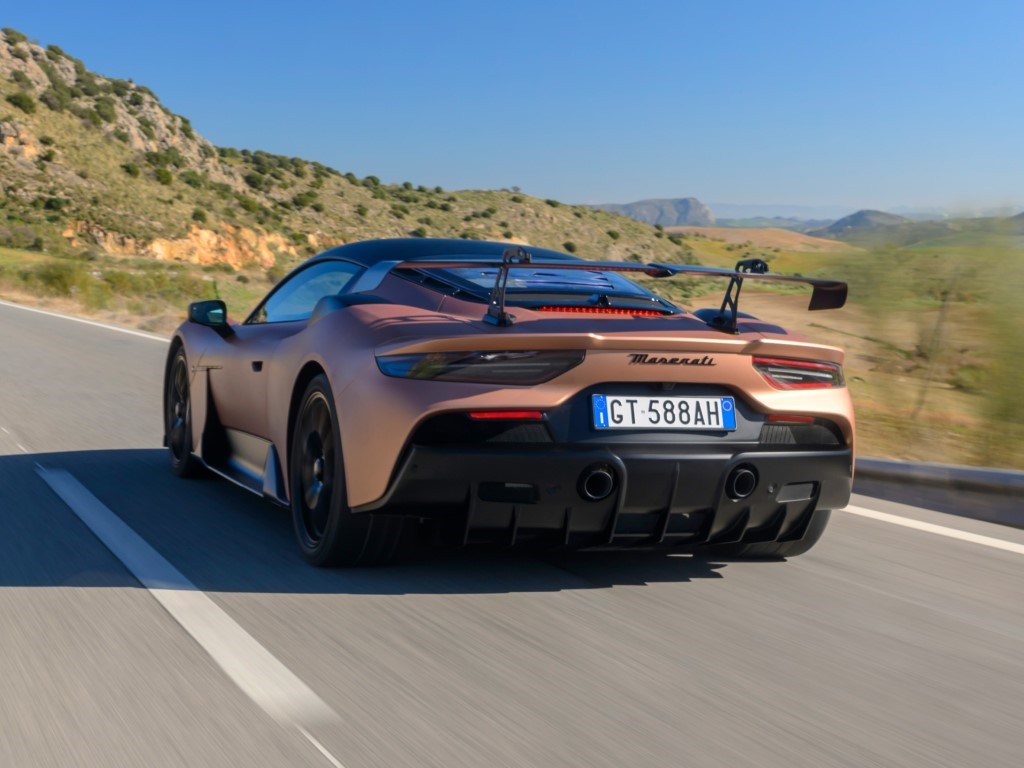
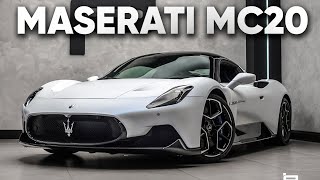
The development cycle of the Maserati MC20 stands out in the industry for its speed and efficiency.
The model was conceived in approximately 24 months, a record time for a vehicle designed from scratch. This
feat was made possible by the adoption of a development methodology heavily based on virtual simulations,
led by the Maserati Innovation Lab.
The Virtual Development Methodology
Modern supercar engineering has shifted from physical test tracks to data servers. In the case of the
MC20, about 97% of dynamic development was conducted virtually before the construction of the first physical
prototype . Using an advanced dynamic simulator, engineers and test drivers were able to model chassis
behavior, engine response, and aerodynamic efficiency across thousands of different scenarios.
This approach, called Virtual Vehicle Dynamics Development, allowed the team to refine the car's "soul" — its
drivability and tactile feedback — without the costs and delays associated with manufacturing physical test
mules in early stages. The result was a vehicle that, upon hitting the asphalt for final validation, already
had its suspension and engine parameters extremely mature, requiring only fine calibration adjustments.
The Carbon Fiber Monocoque and the Partnership with Dallara
The backbone of the MC20 is its carbon fiber monocoque chassis . For this critical structure,
Maserati established a technical partnership with Dallara, a world leader in motorsport engineering and
chassis builder for IndyCar and Formula 2.
The monocoque was designed with a "multi-energy" philosophy. This means that a single basic architecture was
developed to accommodate three distinct body and powertrain types, without requiring structural changes that
would compromise rigidity or add unnecessary weight. The three configurations envisioned from the start
were:
- Coupé: With an internal combustion engine.
- Cabriolet (Spyder): Which would become the Cielo model.
- Electric: The Folgore version (later canceled).
The intensive use of carbon fiber and composites allowed the monocoque's weight to remain around 100
kg. This is fundamental to keeping the total vehicle weight (Kerb Weight) below 1,500 kg in the coupé
version, resulting in a weight-to-power ratio of 2.33 kg/hp, one of the best in its class. The torsional
rigidity provided by this chassis also eliminated the need for heavy reinforcements in the convertible
version, keeping driving dynamics unchanged between variants.