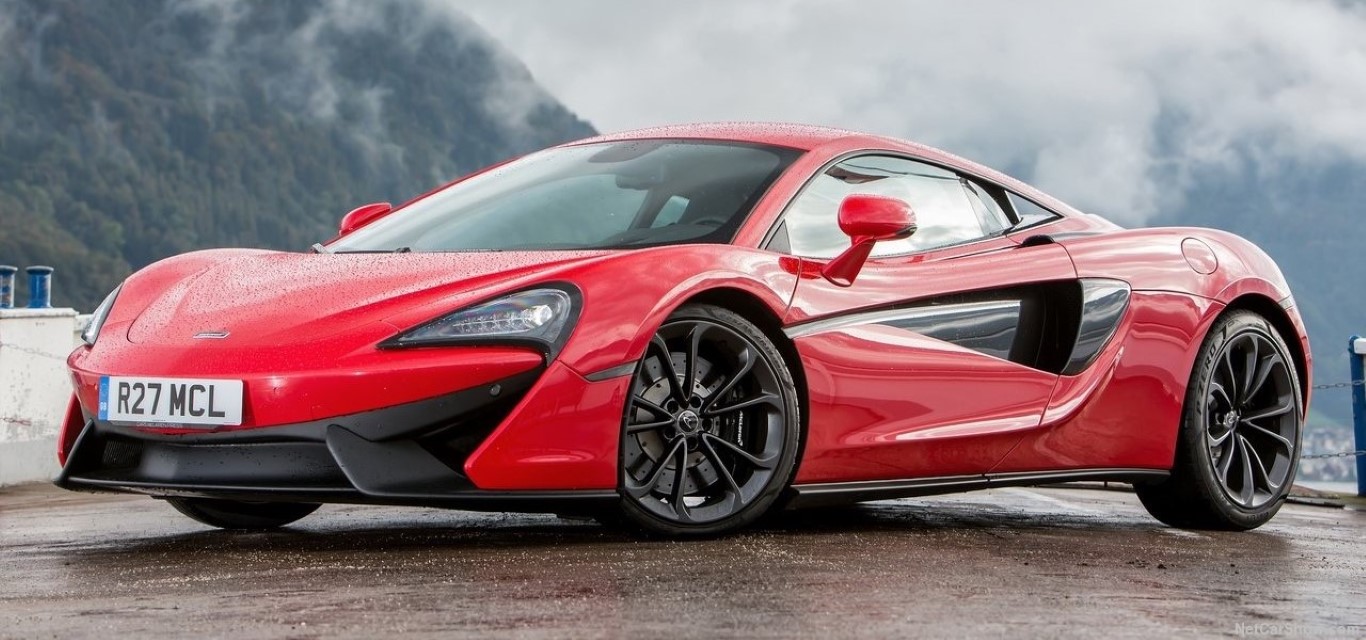
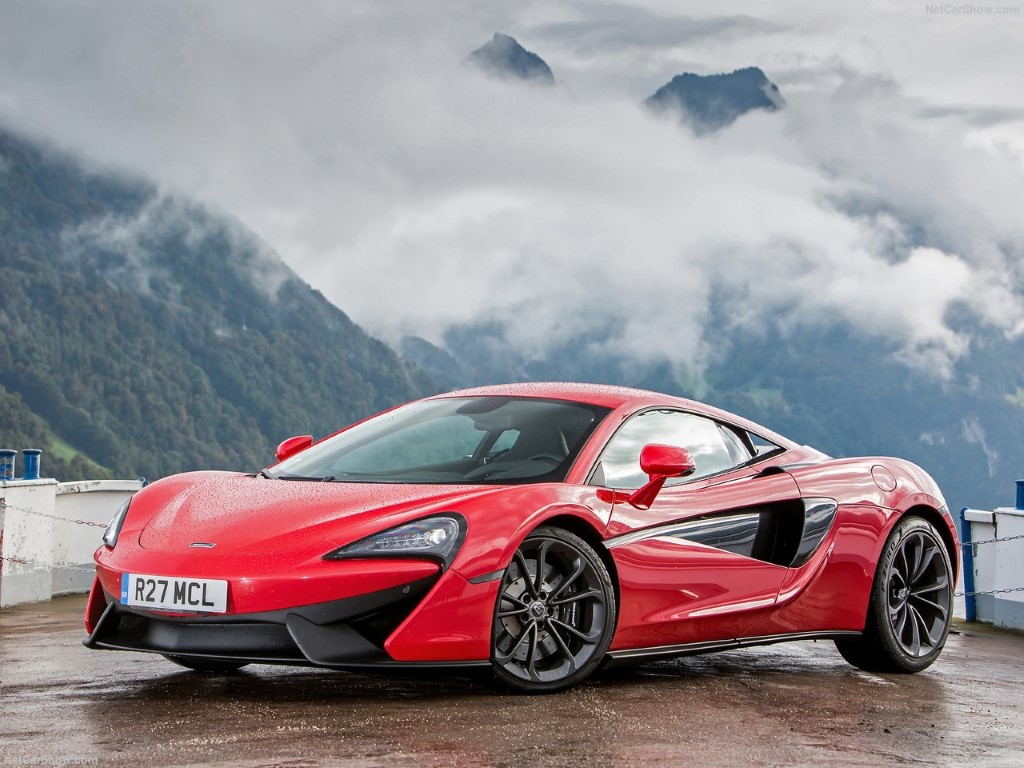
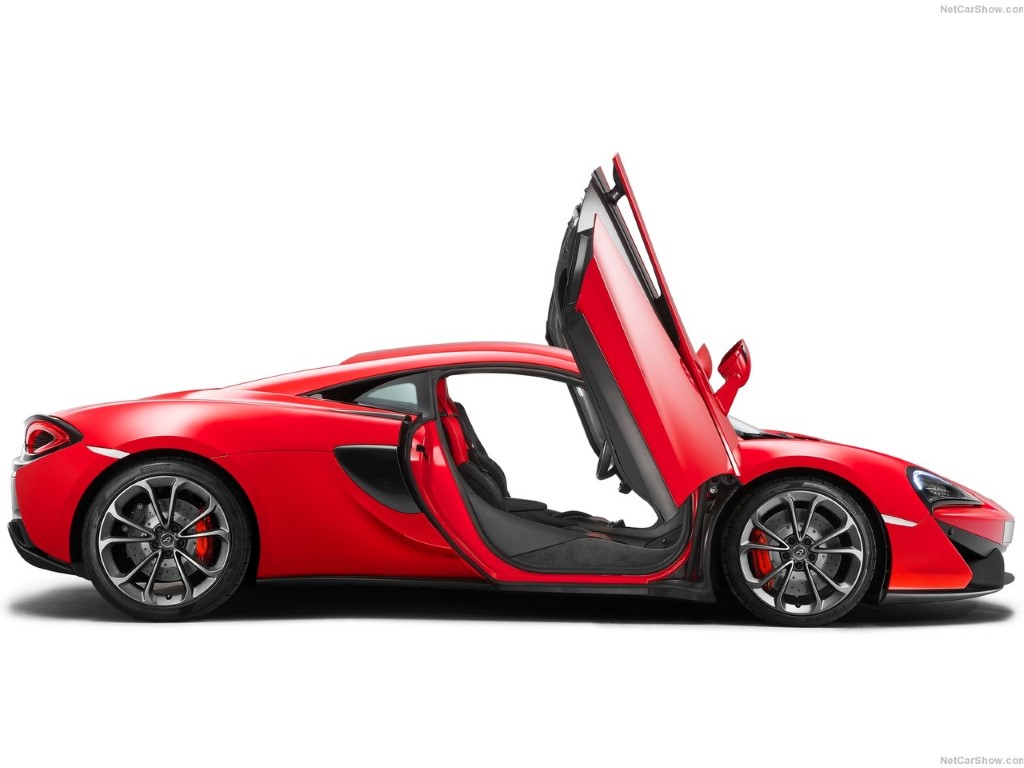
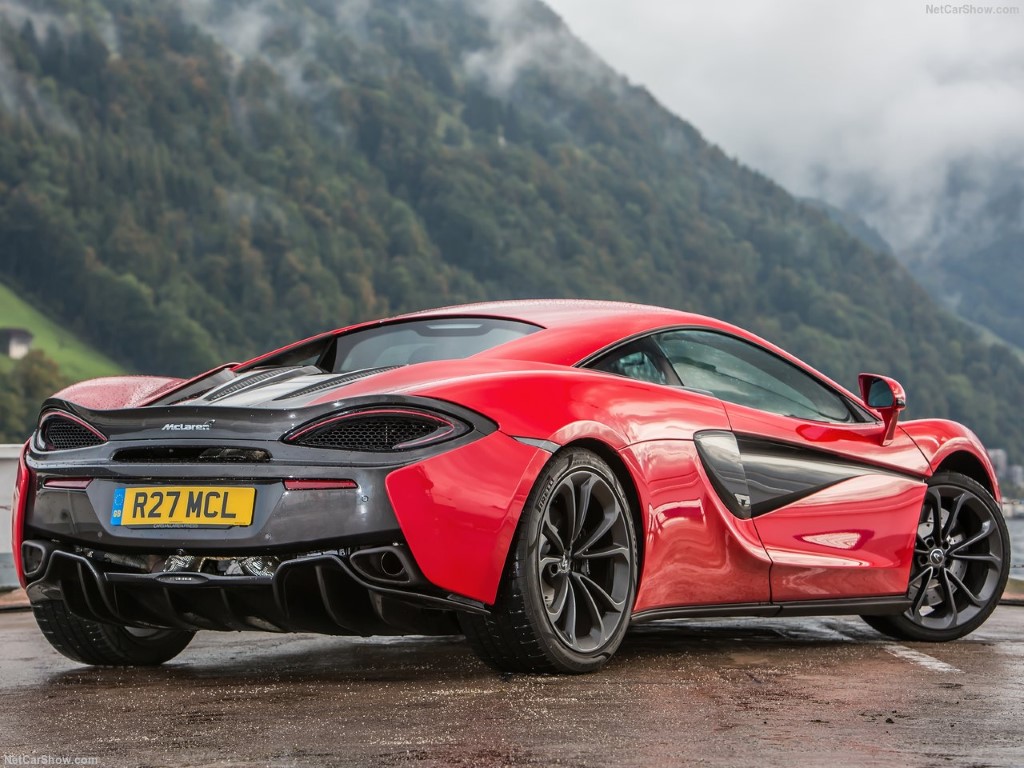
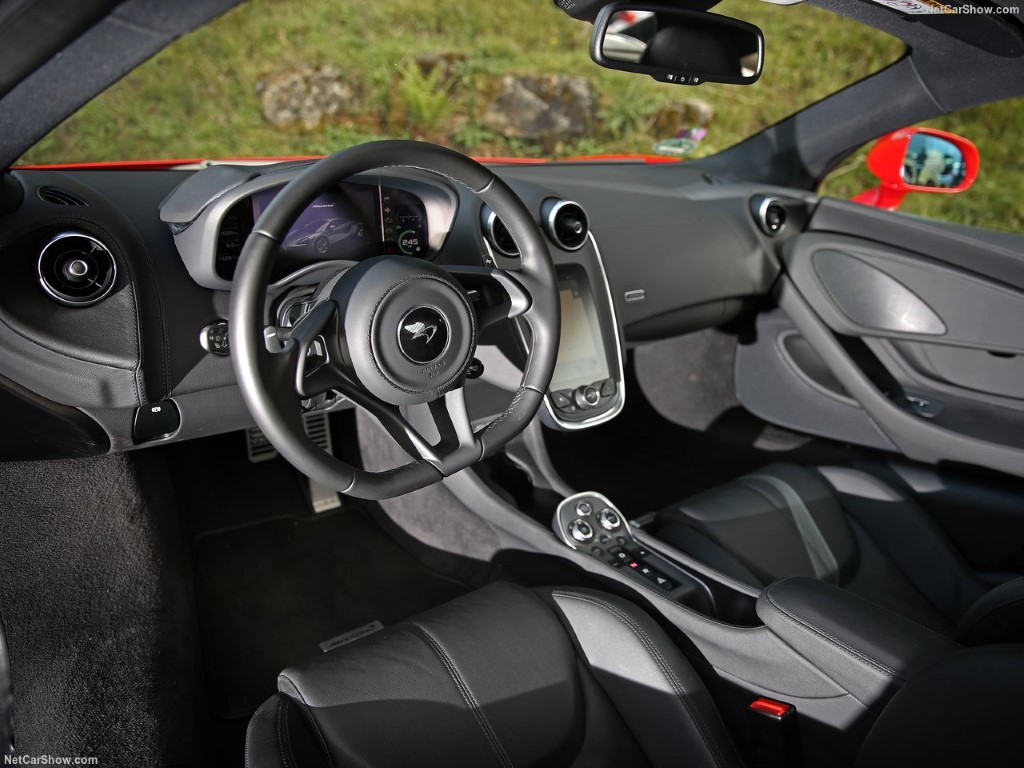
The McLaren 540C distinguishes itself from its direct competitors (Porsche 911 Turbo, Audi R8,
Mercedes-AMG GT) through a fundamental engineering principle: the rejection of weight. While rivals relied
on aluminum or mixed architectures, the 540C democratized the use of structural carbon fiber.
The MonoCell II Chassis
The structural heart of the 540C is the MonoCell II. It is a carbon fiber "tub" that weighs less than 80 kg,
offering torsional rigidity that vastly surpasses any comparable metal structure. The importance of this
technology cannot be understated; it allows the suspension to operate with millimeter precision, as there is
no flex in the chassis to distort the geometry during high-load cornering.
The "II" designation refers to a critical evolution over the original MonoCell used in the 12C and
650S. McLaren recognized that for a Sports Series car to be considered a "daily driver", entry and exit
ergonomics needed to be improved. In the original MonoCell, the door sill was wide and high, requiring an
almost acrobatic maneuver to enter the vehicle. For the 540C and 570S, engineers redesigned the carbon weave
to narrow and lower the sill at the front, drastically easing access to the cabin without compromising
structural integrity in the event of a side impact.
This structure serves as a survival cell, to which front and rear aluminum subframes are bolted to
support the engine and suspension. In the event of an accident, these aluminum structures are designed to
absorb energy, protecting the integrity of the carbon cell and the occupants.
The M838TE Powertrain
Under the rear decklid, in a mid-longitudinal position, resides the 3.8-liter (3,799 cm³) twin-turbo V8
engine, codenamed M838TE. The final letter "E" stands for "Evolution", indicating that although it shares
the basic architecture with the 650S engine, approximately 30% of its components were redesigned
specifically for the Sports Series.
This engine is a piece of competition engineering adapted for the road. It utilizes a dry sump, which
allows the engine to be mounted very low in the chassis, reducing the center of gravity, and ensures
constant lubrication even under extreme lateral G-forces that would leave a wet-sump engine starved of oil.
Power delivery in the 540C was calibrated to be more linear and accessible than in the Super Series models.
Peak torque is available across a broad plateau from 3,500 to 6,500 rpm, which provides remarkable
elasticity in urban driving, minimizing the need for constant gear changes. Despite being the entry-level
model, the specific output of 140 hp per liter is an impressive figure by the standards of the time.
SSG Transmission and Differential
Power is sent exclusively to the rear wheels through a 7-speed dual-clutch transmission, dubbed SSG
(Seamless Shift Gearbox), manufactured by the Italian partner Graziano.
The transmission control logic in the 540C was tuned for smoothness in "Normal" mode, eliminating the
low-speed jerkiness that was common in early MP4-12C models. However, in "Sport" and "Track" modes, the
transmission employs "Inertia Push" technology. This system harnesses the kinetic energy built up in the
engine's flywheel during acceleration; at the moment of an upshift, instead of cutting torque, the
transmission releases this kinetic energy as a torque impulse into the next gear, resulting in continuous,
visceral acceleration with no interruption of power.
Unlike its competitors that use complex and heavy mechanical limited-slip differentials (LSD), the
540C utilizes an open differential. Traction control and torque vectoring are managed by the Brake Steer
system. Derived from banned Formula 1 technology (used by McLaren in the 1997 MP4/12), this system applies
imperceptible braking to the inner rear wheel during a corner. This reduces the tendency for understeer (the
car pushing wide) and helps "point" the nose of the car into the corner, simulating the effect of a locking
differential, but with a fraction of the weight and mechanical complexity.