The Concept of "Shrink-Wrapping" and Biomimicry
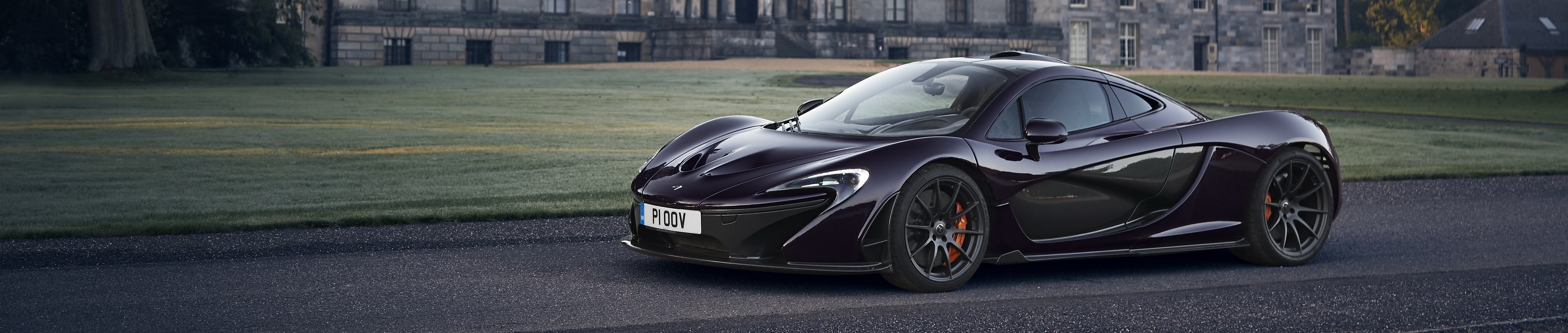
The design of the McLaren P1, led by the renowned Frank Stephenson, is a masterful example that form
must follow function, but without sacrificing dramatic beauty. The central philosophy adopted by the design
team was the concept of "shrink-wrapping." The idea was to remove any visual or material excess from the
bodywork, creating the impression that the car's carbon fiber skin had been sucked against the internal
mechanical components.
This approach resulted in a "lean" and athletic aesthetic. There is no fat in the design of the P1;
every curve, every air intake, and every sculpted surface serves a specific aerodynamic purpose or a cooling
need. Stephenson frequently cited nature as a source of inspiration, referring to this process as
biomimicry. A specific inspiration cited by the designer was the sailfish, whose hydrodynamic forms
influenced the fluid and organic silhouette of the car, designed to cut through the air with the same
efficiency as the fish cuts through water.
The Teardrop Canopy
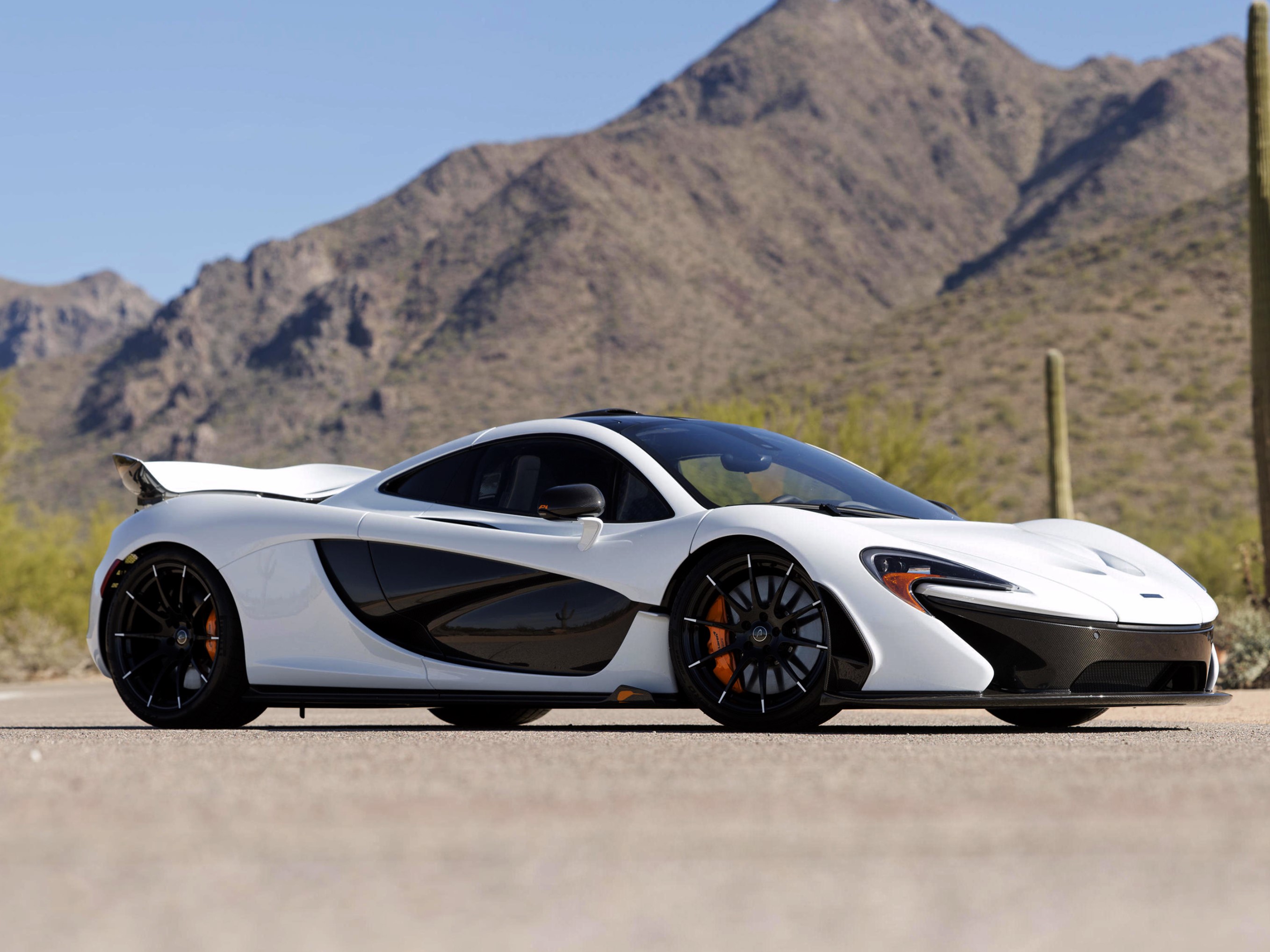
Visually, one of the most striking elements is the glass cabin. To maximize the efficiency of airflow
to the massive rear wing, the glasshouse was designed to be as narrow as possible, resembling the canopy of
a fighter jet. This required the occupants to be positioned closer to the center of the vehicle, which also
benefited weight distribution and driver visibility. The roof incorporates an air intake snorkel, a direct
homage to the McLaren F1, which channels fresh air directly to the V8 engine, creating a visceral induction
sound inside the cabin.
Active Aerodynamics: Lessons from Formula 1
The P1 was one of the first road cars to implement active aerodynamics at a level comparable to that
of a top-tier race car. The vehicle is capable of generating up to 600 kg of downforce at 257 km/h, a number
that, at the time of its launch, was unprecedented for a car with license plates.
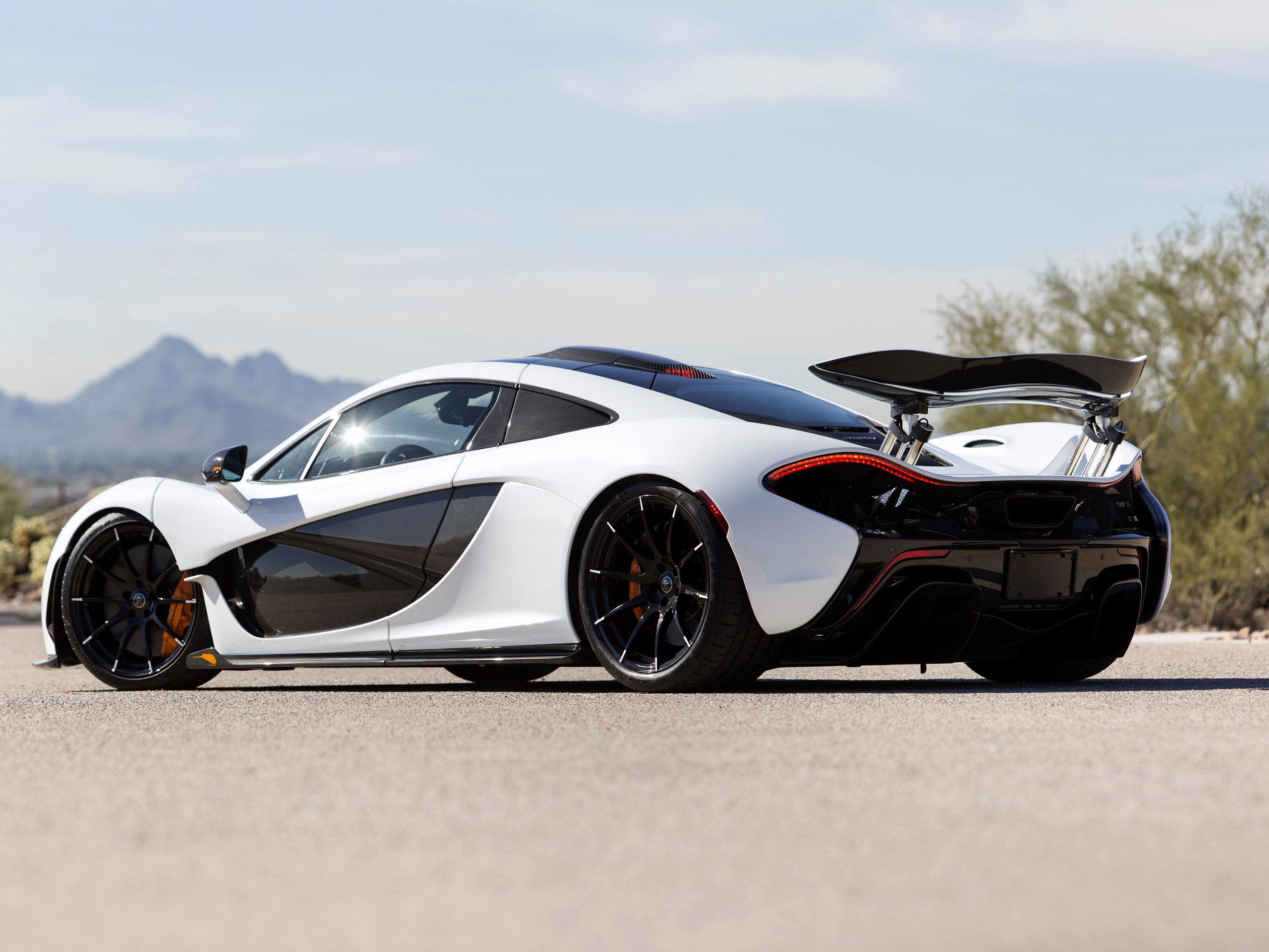
The heart of this system is the movable rear wing. Unlike conventional spoilers that only tilt, the P1's wing
can extend backward and upward, altering its height and angle of attack depending on the selected driving
mode. In road mode, the wing can rise up to 120 mm; in Race Mode, it extends up to 300 mm, radically
transforming the car's aerodynamic profile.
Additionally, the wing acts as an airbrake. Under heavy braking, the wing element instantly changes
angle to increase aerodynamic drag, helping to decelerate the car and shifting the center of pressure
rearward, which improves rear stability during weight transfer.
DRS: The Drag Reduction System
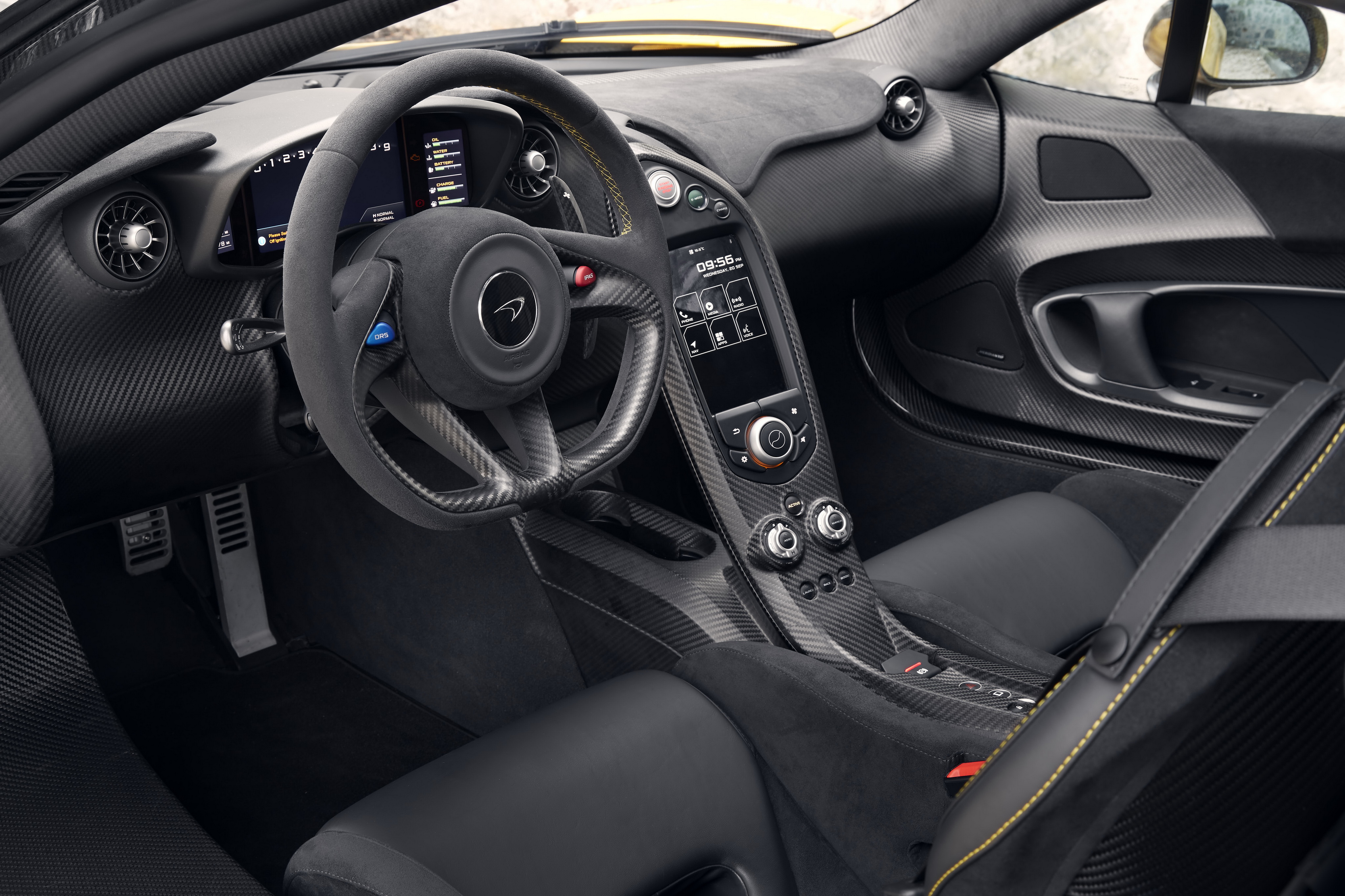
Directly inherited from McLaren's Formula 1 team, the P1 incorporates a DRS (Drag Reduction System).
On long straights, where maximum downforce is not needed and drag is the enemy of speed, the driver can
press a button on the steering wheel that "flattens" the rear wing. This reduces drag by about 23%, allowing
the car to reach higher speeds more quickly. The system is automatically deactivated (the wing returns to
the downforce position) as soon as the driver touches the brakes or releases the button, ensuring grip is
available for the next corner.