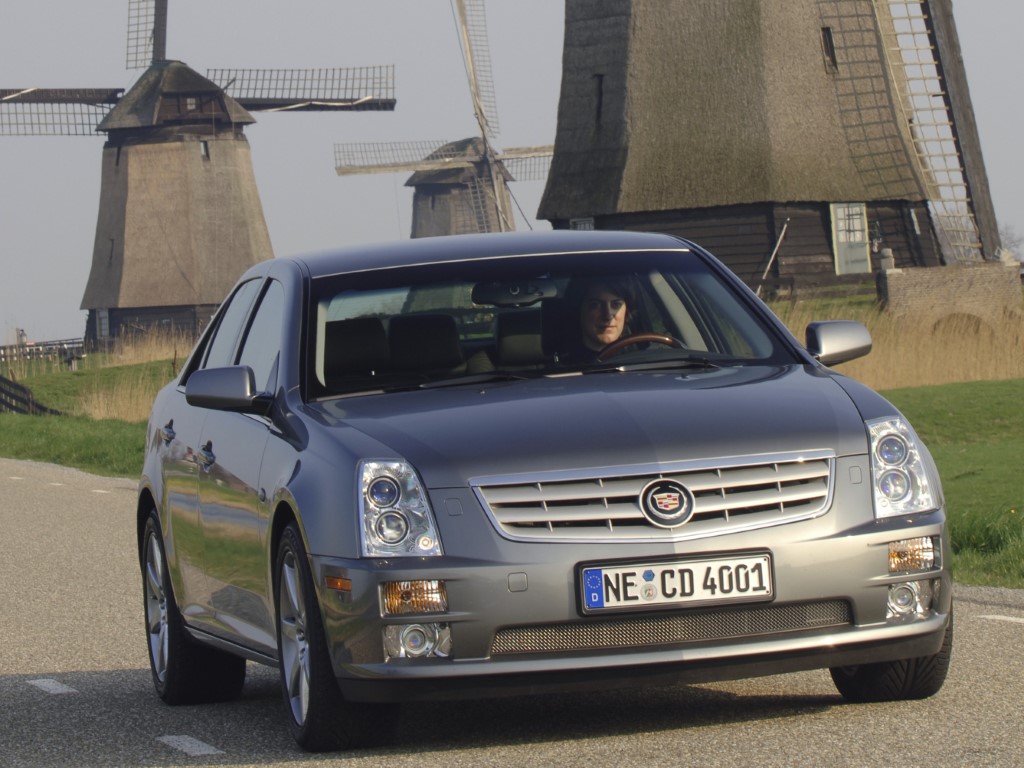
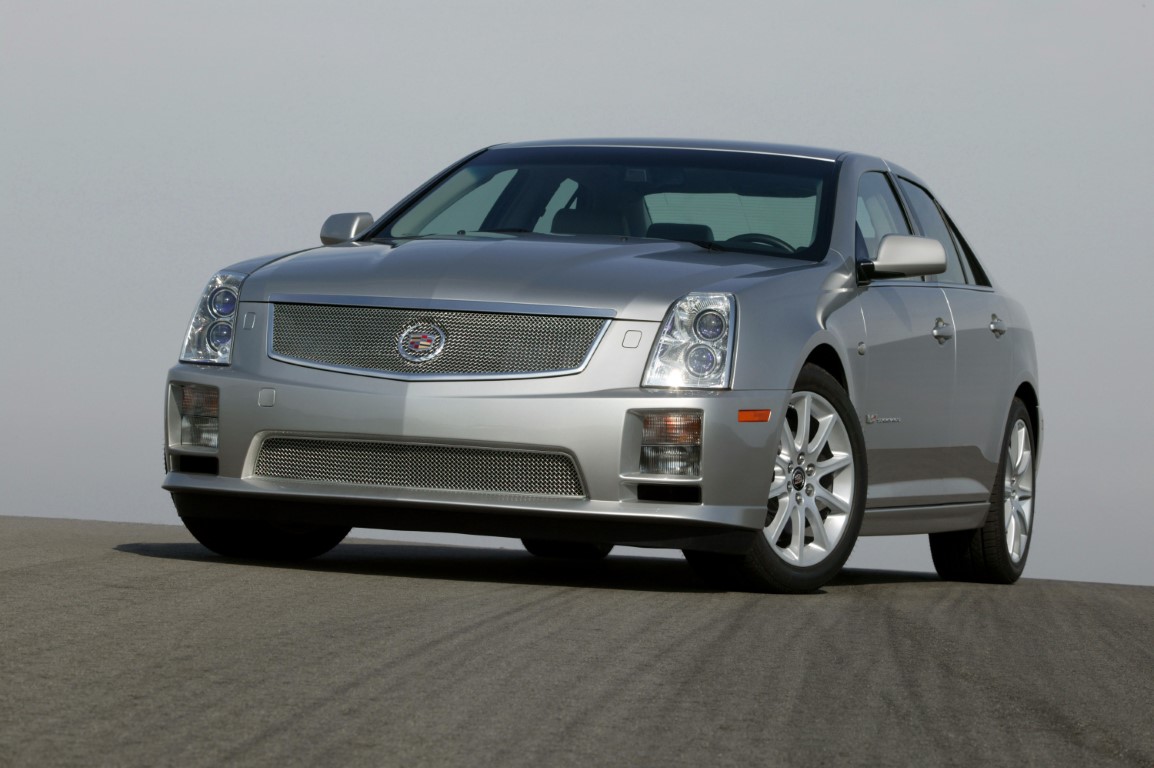
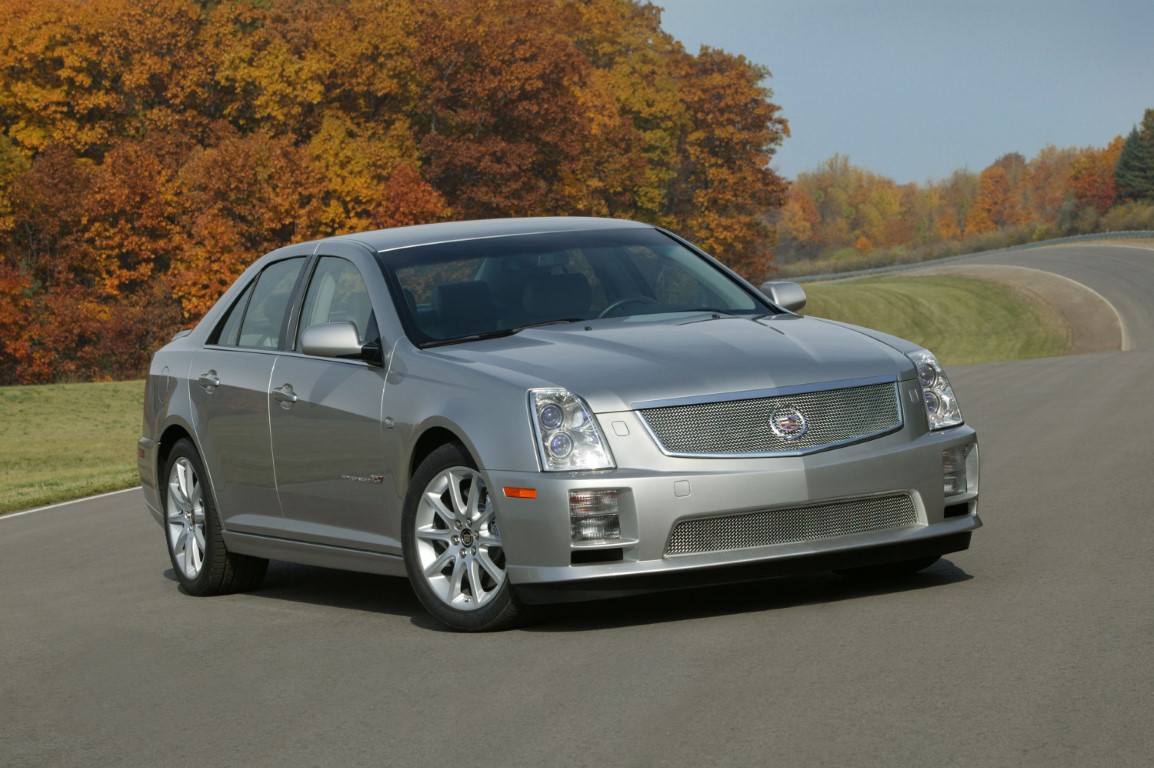
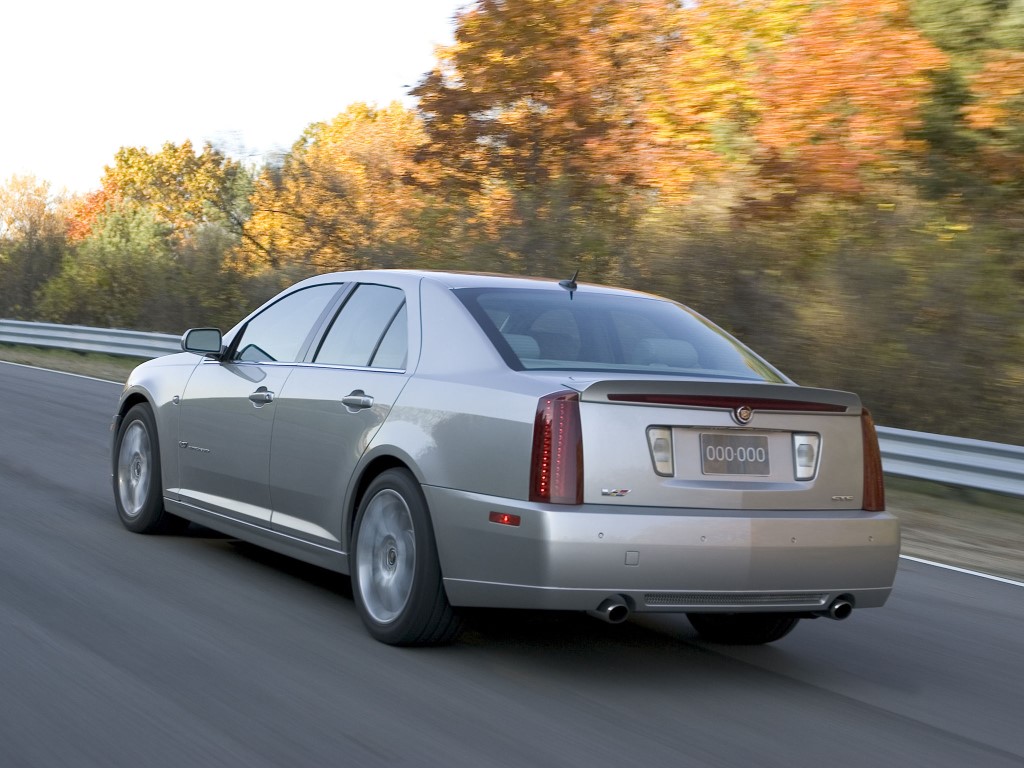
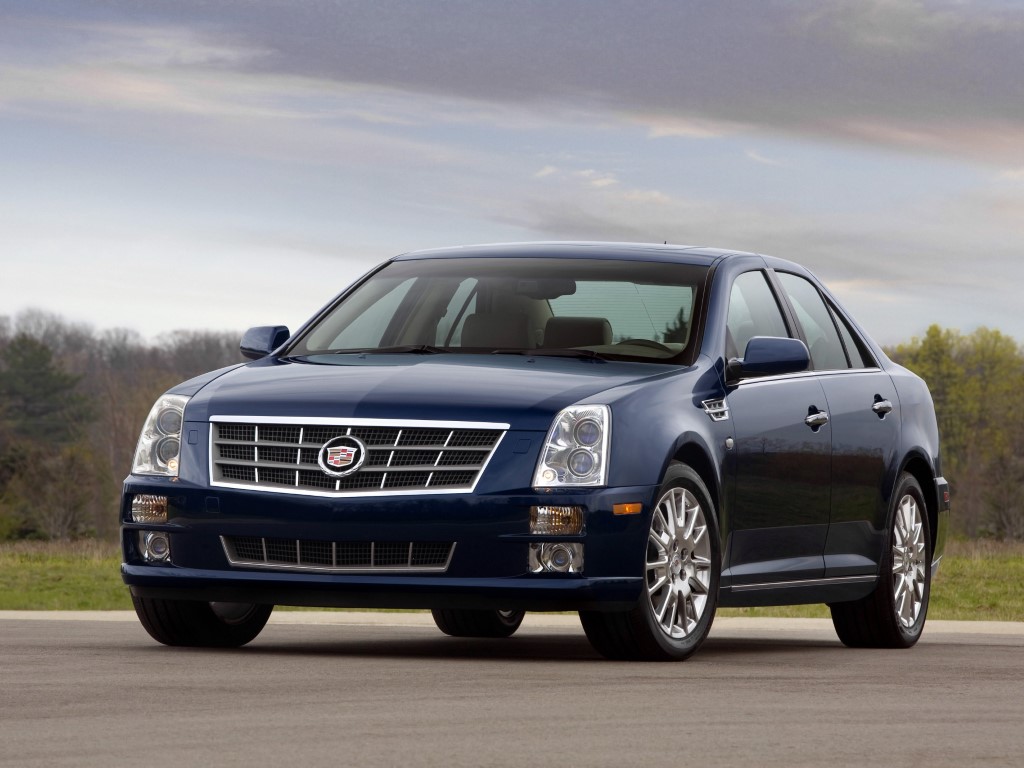
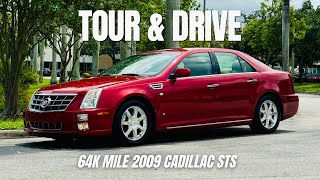
The fifth generation of the Seville (and its STS version) was launched in 1998 with an ambitious
mission: to be the first truly global Cadillac. Built on General Motors' "G" platform, which offered vastly
superior structural rigidity to the old "K" platform, the new model was designed from the outset to be sold
in export markets, including right-hand-drive versions for Japan and the United Kingdom.
Technical Evolution and Design
Although visually similar to the 1992-1997 model, the 1998 car was completely re-engineered. The
overall length was slightly reduced to under 5 meters (in export versions) to fit European garages and
taxes, although the wheelbase was increased to improve interior space.
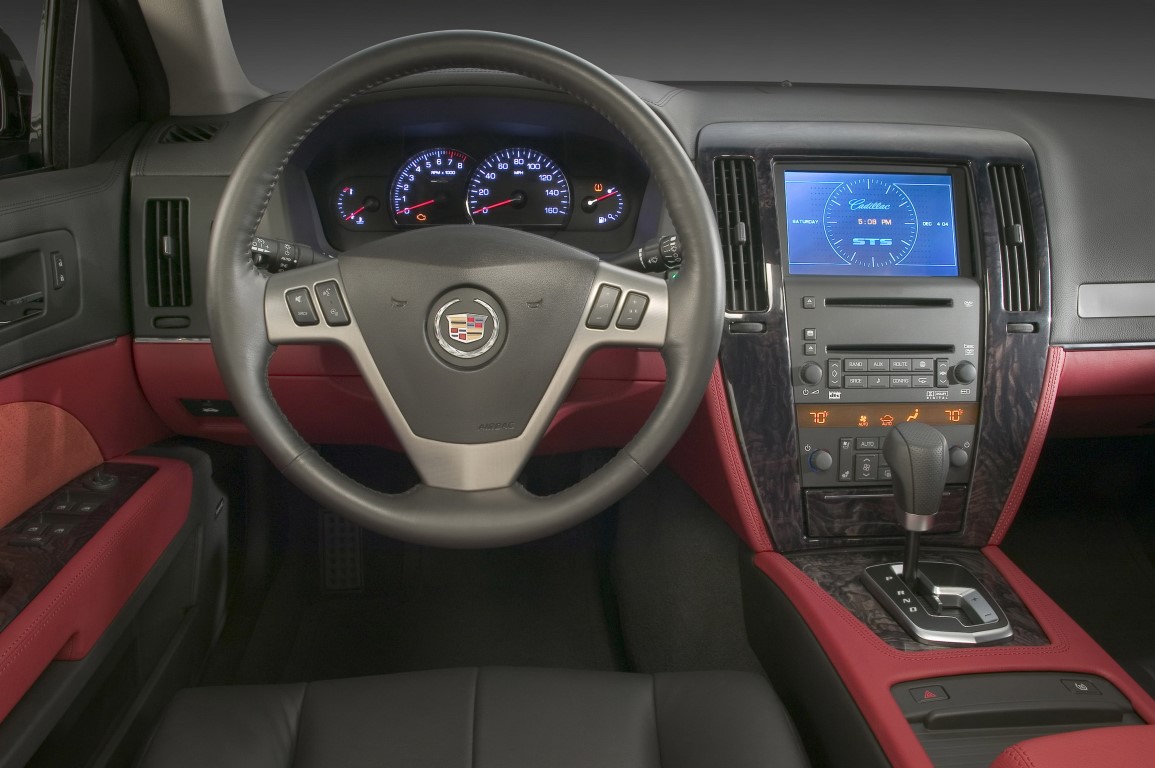
The interior received special attention to ergonomics, abandoning the complex digital dashboards of
the 80s/90s in favor of easy-to-read analog instruments and soft-touch materials, attempting to emulate the
build quality of Audi and Lexus.
The Magnetic Ride Control Innovation (2002)
The greatest technological legacy of this generation, and perhaps of Cadillac's entire modern
history, was the introduction of the Magnetic Ride Control system on the STS in mid-2002.
Unlike previous adaptive suspensions that used mechanical valves to adjust oil flow, Magnetic Ride
used a magneto-rheological fluid. This fluid contains microscopic iron particles.
- Operation: When the car's sensors detect a pothole or a curve, an electric
current creates a magnetic field inside the shock absorber.
- Instant Reaction: The magnetic field aligns the iron particles,
transforming the fluid from a liquid to an almost solid consistency in less than a millisecond.
- Result: The system reads the road 1,000 times per second, reacting faster
than the blink of a human eye. This technology was so revolutionary that Ferrari licensed the system
from GM to use in its supercars (such as the 599 GTB), proving the excellence of the STS's engineering.
The End of the Seville Line
Despite all the technology, the Seville STS suffered from an inherent physical limitation:
Front-Wheel Drive (FWD). With 300 horsepower going to the front wheels, the car battled against the
phenomenon of "torque steer," where the engine's force pulls the steering to the sides during hard
acceleration. It became clear to Cadillac that, to compete on equal footing with the BMW 5 Series and the
Mercedes E-Class (both rear-wheel drive), a radical architectural change was necessary.
Production of the STS model (as a version of the Seville) ended in May 2003. The SLS model continued
in production until December 2003 as a 2004 model, marking the definitive end of the "Seville" name in the
United States.