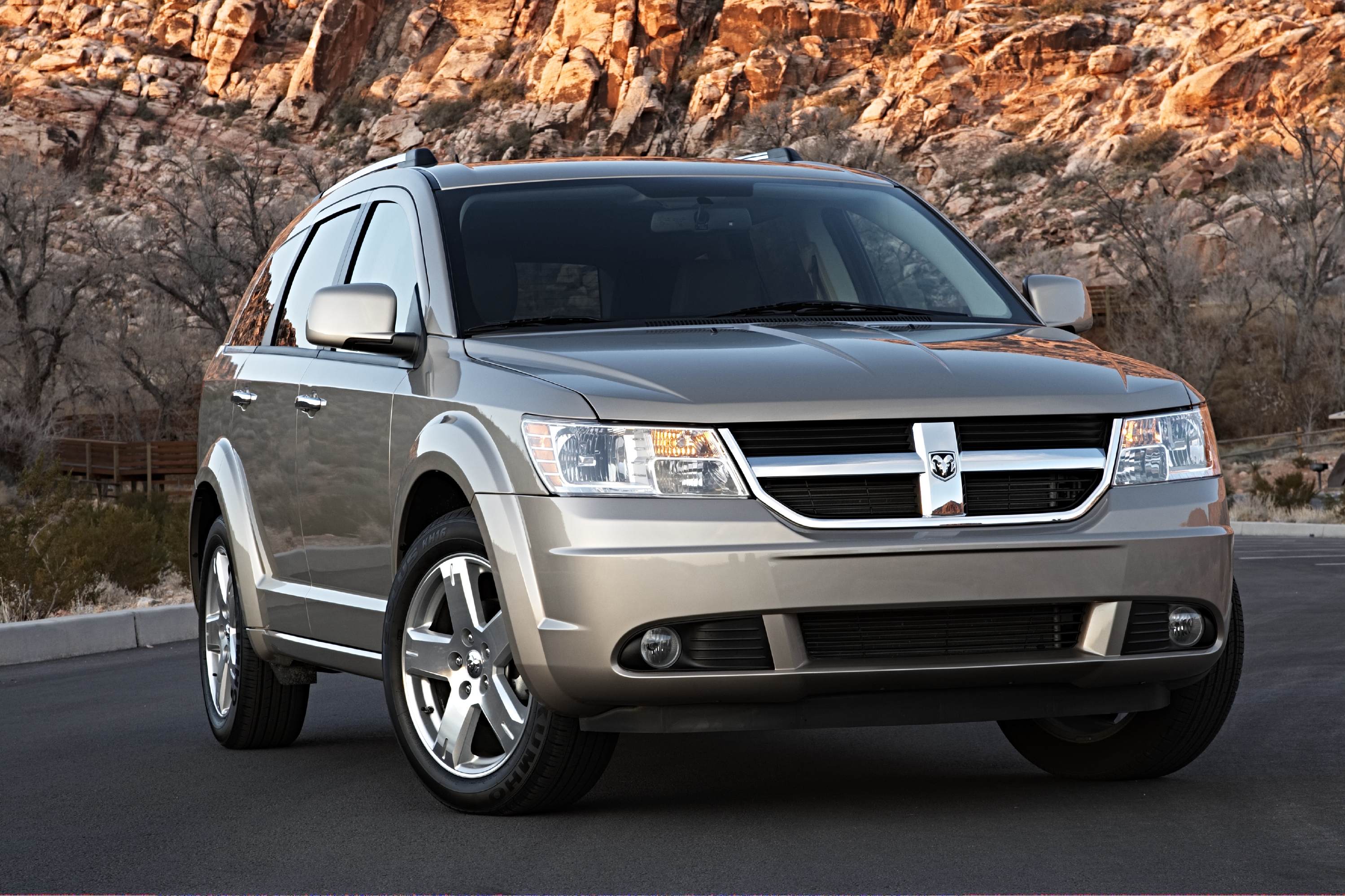
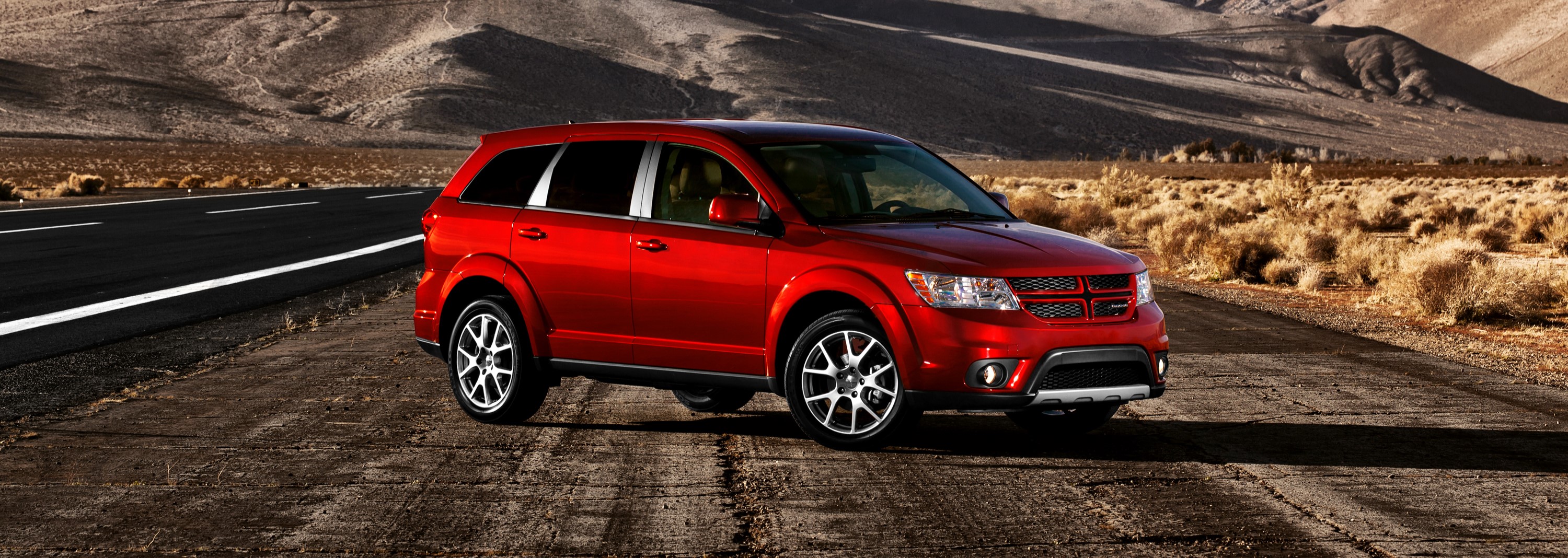
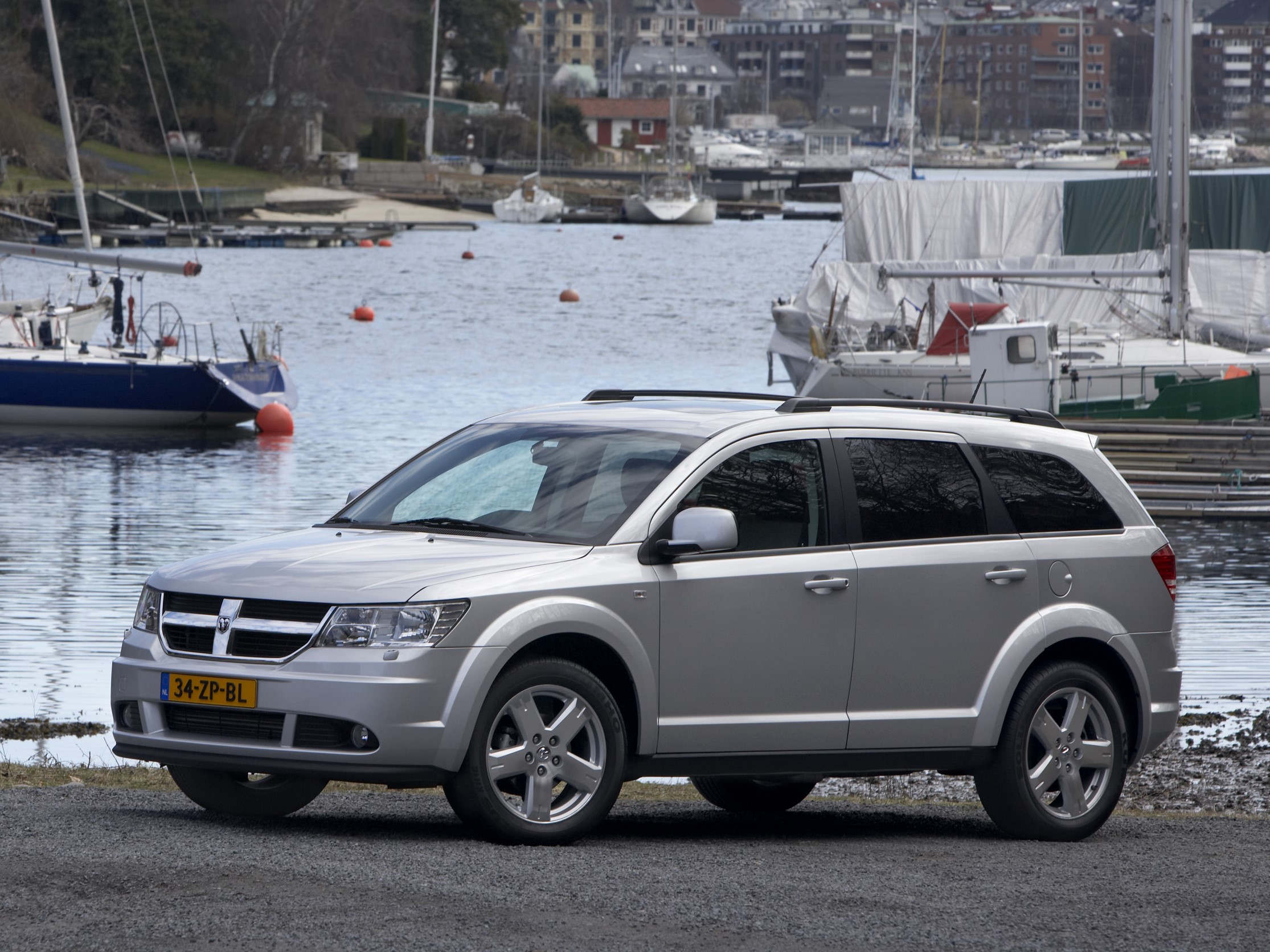
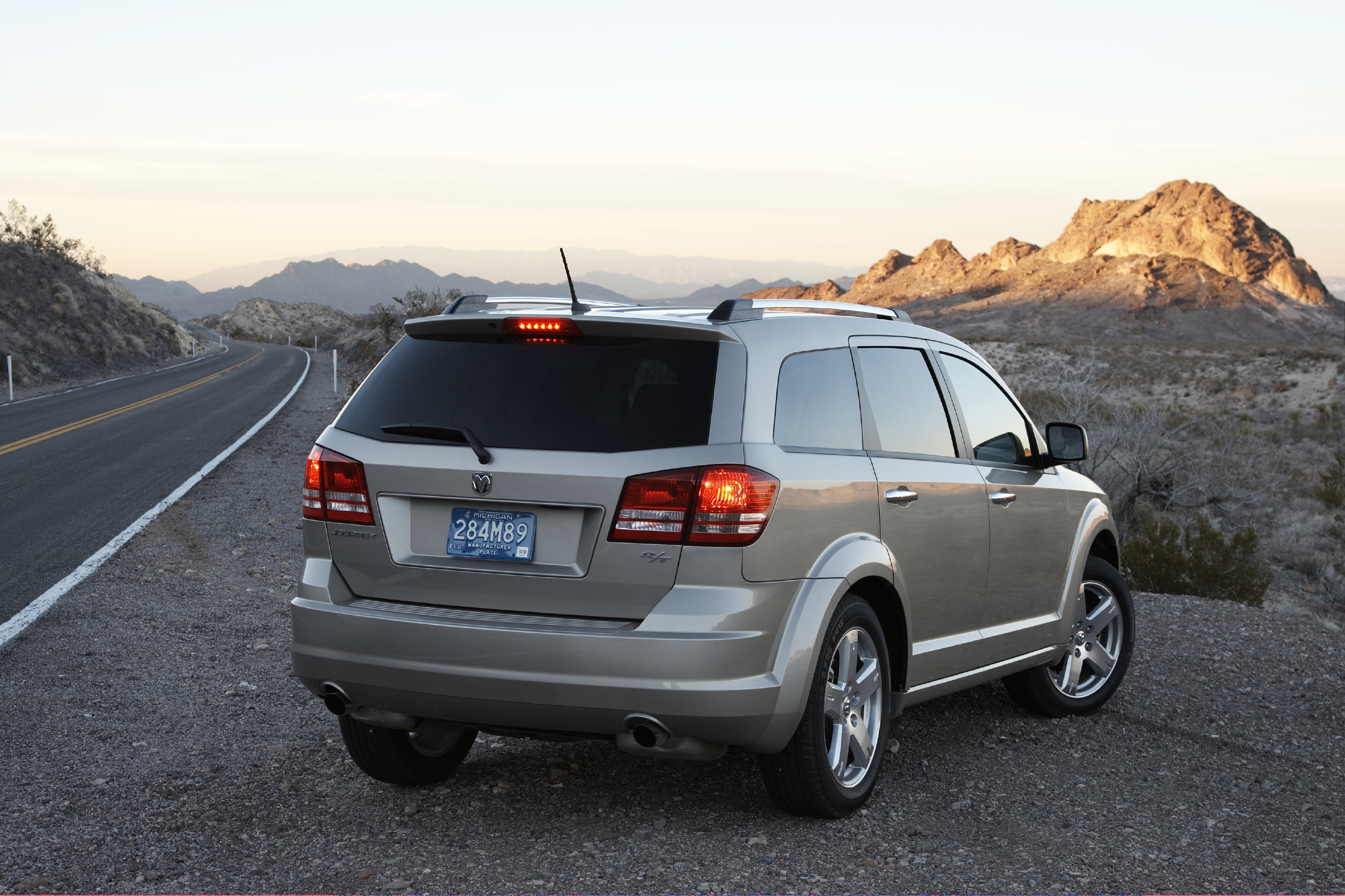
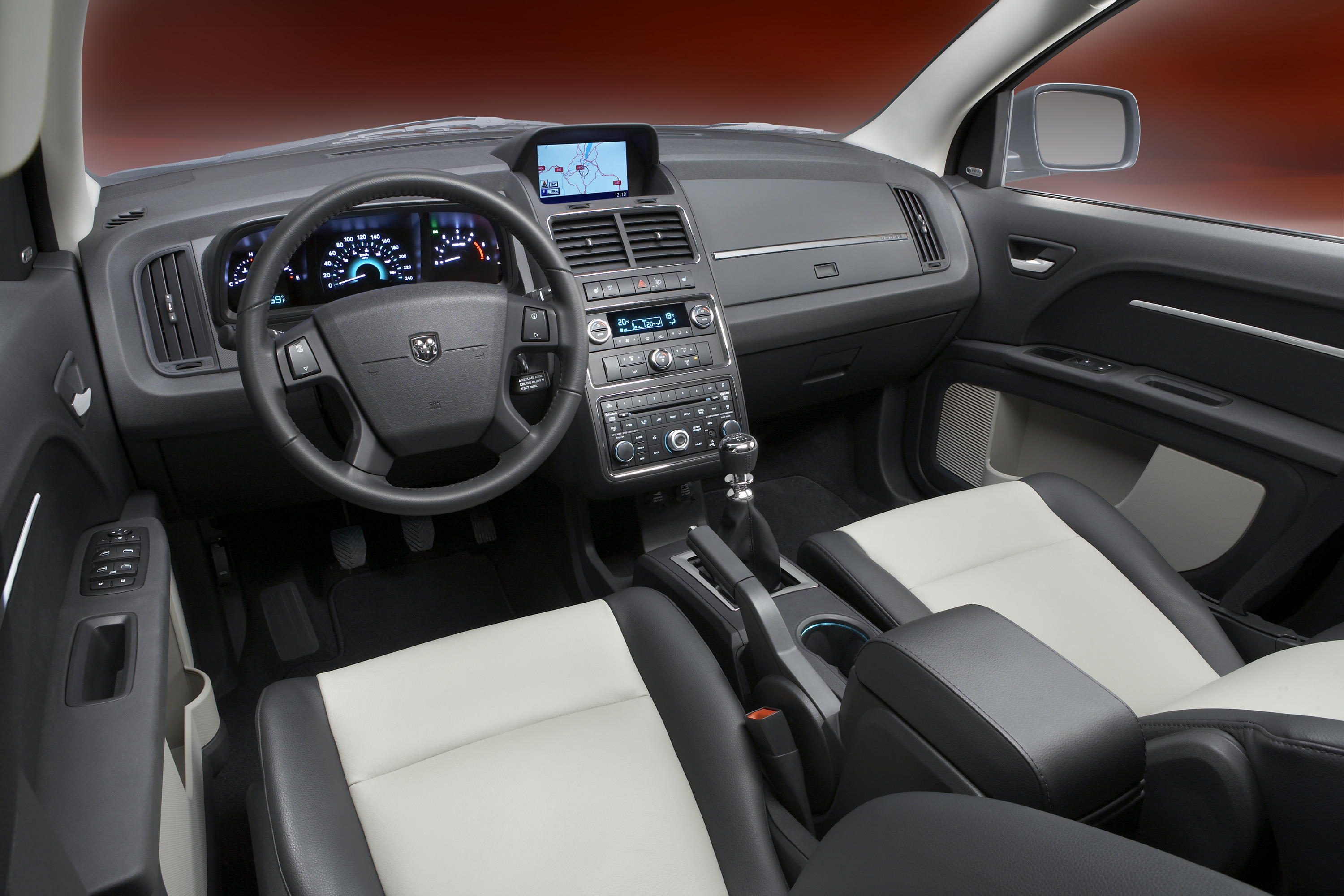
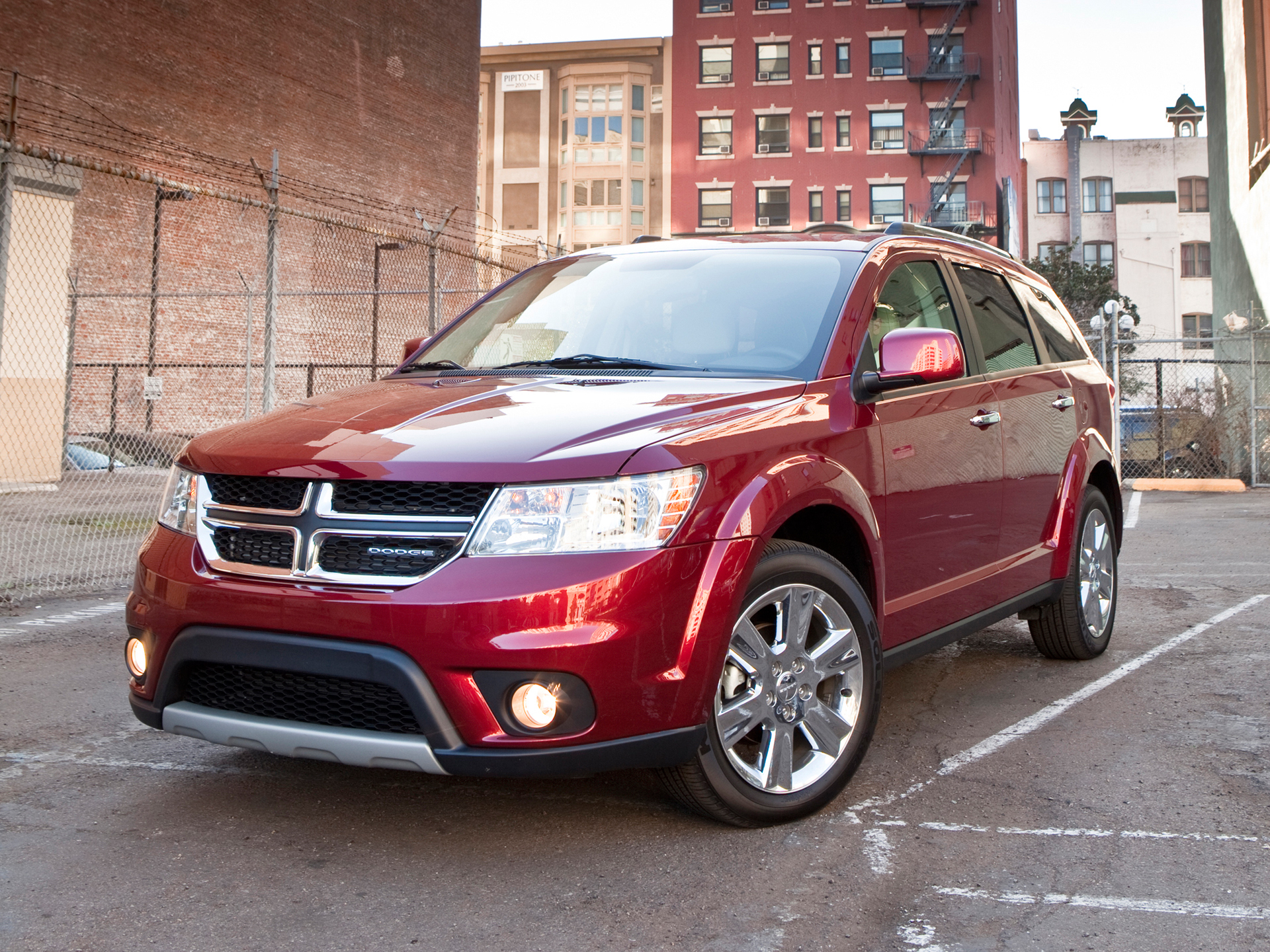
The trajectory of the Dodge Journey in the global automotive market is a remarkable example of how a
well-conceived project can maintain its relevance over more than a decade, even while facing drastic changes
in the structure of its manufacturing company. Originally launched in late 2007 as a 2009 model, the Journey
was Chrysler's answer to the growing demand for vehicles that could offer the utility of a minivan with the
aesthetics and size of a sport utility vehicle (SUV). Identified internally by the code JC49, the model used
Chrysler's global D-segment platform, an architecture that also served as the basis for sedans like the
Dodge Avenger and the Chrysler 200, which gave it a more refined dynamic behavior than SUVs based on truck
chassis. Throughout its production, which extended until 2020 in its first generation, the Journey reached
the mark of over 1.1 million units manufactured, consolidating itself as one of the sales pillars of the
Dodge brand and a fundamental piece in the integration between the American group and the Italian Fiat.
Origins and Conception of the JC49 Project
The development of the Dodge Journey occurred during a transitional period for Chrysler, which was
looking to replace models like the short-wheelbase Caravan minivan and the Pacifica crossover with something
more modern and efficient. The design was penned by Ryan Nagode, who sought to create a vehicle with the
"right proportions" for urban family use, but with a robust visual presence. The JC platform was an
evolution of the GS platform, developed in partnership with Mitsubishi, which allowed the use of four-wheel
independent suspension, an important differential for ride comfort compared to competitors that still used
solid rear axles.
Dodge's strategy with the Journey was clear: offer the maximum number of seats for the lowest
possible price. It quickly became the most affordable seven-seater vehicle in the North American market, a
position it defended for almost its entire life cycle. To achieve this goal, engineering focused on internal
modularity, creating storage solutions that would become iconic, such as the in-floor storage bins in the
second row, which could be used to store items or even ice and drinks, thanks to the removable and washable
liners.
Structure Dimensions and Specifications
The Journey was designed to be large enough to accommodate seven adults, but compact enough to fit in
standard residential garages. Its architecture prioritized the wheelbase to maximize legroom across all
three rows of seats.
| Structural Characteristic |
Measurement in Millimeters |
Measurement in Inches |
| Wheelbase |
2,890 mm |
113.8 in |
| Overall length |
4,887 mm |
192.4 in |
| Overall width (without mirrors) |
1,834 mm |
72.2 in |
| Overall height (standard version) |
1,692 mm |
66.6 in |
| Overall height (R/T version) |
1,765 mm |
69.5 in |
| Ground clearance |
183 mm |
7.2 in |
| Front track |
1,571 mm |
61.8 in |
| Rear track |
1,582 mm |
62.3 in |